
Properly placing a decorative 金刚结 (Vajra Knot) on a home Buddhist altar requires a thoughtful balance of spiritual respect, visual harmony, and practical safety. To honor the sacred space, the knot should be positioned as a supportive ornament rather than a central focus. The most appropriate placements are suspended symmetrically on the outer frames of the shrine niche or positioned on the outer flanks of the offering table, elevated on a small stand. It must never sit higher than the Buddha statue’s head, block the primary altar lighting, or interfere with central offerings like incense and water cups. By following traditional guidelines and spatial principles, you can create a serene, dignified environment that supports your daily practice.
Understanding the Role of the 金刚结 (Vajra Knot) on Your Altar
The Vajra Knot, known in Chinese as the 金刚结, is a sacred knotting pattern deeply rooted in Buddhist tradition. It represents the indestructible nature of ultimate reality, the infinite wisdom of the Buddha, and the interconnectedness of all living beings. In many lineages, the knot also symbolizes protection and the binding of positive energy. However, when planning your home altar decor, it is essential to distinguish between the small, wearable protective strings blessed by monastics and the larger, decorative altar knots designed specifically for shrine embellishment.
In the context of home altar design, these larger decorative knots function as Zhuang Yan Ju (“庄严具”), which translates to ornaments of solemnity or sacred decorations. Their primary purpose is to beautify and dignify the sacred space, transforming a simple room into a respectful sanctuary. Unlike the primary objects of devotion—such as statues of the Buddha, Bodhisattvas, or sacred scriptures—the decorative knot is an auxiliary offering. It serves as a visual expression of your devotion, enhancing the aesthetic beauty of the altar without drawing attention away from the central deities. Understanding this supportive role ensures that you place the ornament with the correct mindset, maintaining a clear spiritual hierarchy within your home.
Products mentioned in this guide
![[SG] Tibetan Buddhist Vajra Knot 西藏金刚结 (M)](https://img.lazcdn.com/g/p/mdc/0912b6d60878ee83eca8ef8536c67006.png_400x400q80.png_.webp)
![[SG] Tibetan Buddhist Vajra Knot 西藏金刚结](https://img.lazcdn.com/g/p/69fd3307dc0fb0b26a61be718b6f87d0.png_400x400q80.png_.webp)
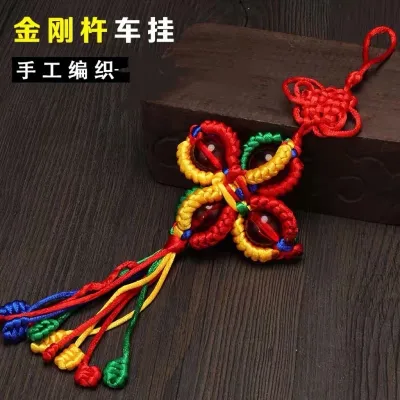
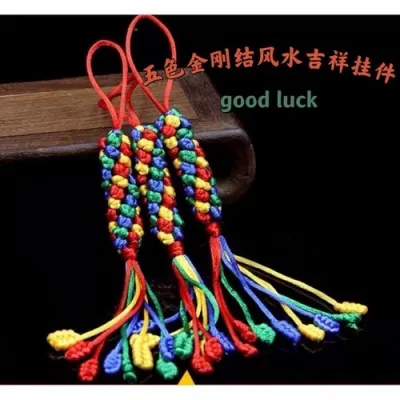
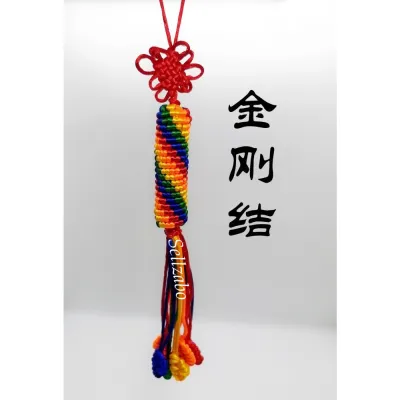
Prices are valid at publication and may change. Please refer to the product page for the latest price.
Preparing the Altar Space for New Decor
Before introducing a new decorative element to your altar, it is vital to prepare the physical environment. A clean, uncluttered space reflects a focused and respectful mind. In tropical climates like Singapore, high humidity can cause dust to cling to wooden surfaces and fabric ornaments more readily, making regular preparation and maintenance a practical necessity.

Begin by powering down any electrical altar lights, LED candles, or specialized downlights to ensure safety during the cleaning process. If your shrine features integrated wiring or decorative lighting, verify that the cords are in good condition, free of fraying, and securely routed away from where you plan to place your new decor. Once the power is isolated, gently wipe down the altar surfaces using a dry, clean microfiber cloth. Avoid using harsh chemical sprays, liquid detergents, or excessive water, as these can strip the delicate gold leaf, lacquer, or natural oils from traditional teak, sandalwood, or mahogany altars.
Next, evaluate the physical layout of your offering table. The central Buddha statue must always remain the highest and most prominent focal point of the entire setup. If your altar is crowded with too many decorative items, it can create visual noise and detract from the peaceful atmosphere required for meditation and chanting. Remove any faded flowers, empty offering cups, or accumulated incense ash.
If you plan to suspend a hanging knot, carefully inspect the structural integrity of your shrine cabinet or the wall above it. Heavy decorative knots can place unexpected stress on delicate wood panels or plasterboard ceilings. Ensure that any mounting hooks, brackets, or hanging hardware are securely fastened. If you are using adhesive hooks, verify that the adhesive backing is rated for the weight of the ornament and is safe for the specific wood finish of your shrine, preventing permanent damage or unsightly peeling.
Step-by-Step Placement Options for the Vajra Knot
The physical design of your Vajra Knot—whether it is a suspended ornament with long tassels or a flat, structured piece—will dictate the most appropriate placement method. Achieving a balanced, harmonious look requires careful positioning that respects both the aesthetic flow of the room and traditional altar etiquette.
Hanging as a Shrine Ornament
Suspended knots are excellent for utilizing the vertical space of a shrine cabinet or a dedicated altar niche. The most traditional and visually pleasing locations for hanging these ornaments are along the outer structural boundaries of the shrine. You can hang them on the outer left and right edges of the Buddha niche, suspend them from the side pillars of the altar cabinet, or attach them neatly to a decorative curtain valance that frames the upper portion of the shrine.
When hanging these ornaments, visual balance is crucial. If you choose to use hanging knots, it is highly recommended to place them in matching pairs. Hanging a single knot on one side can make the altar look asymmetrical and visually lopsided, which disrupts the sense of calm. Ensure that both knots are suspended at the exact same height and distance from the central deity.
Additionally, you must pay close attention to the physical clearance of the hanging ornaments. Ensure that the knots do not hang so close to the central Buddha statue that they touch or swing into it during drafts—such as those caused by ceiling fans, air conditioning units, or open windows. Furthermore, position the hanging cords so they do not block the light path of any spotlights or LED fixtures designed to illuminate the Buddha’s face. The primary lighting should remain unobstructed to keep the central deity clearly visible.
Positioning on the Offering Table
If your Vajra Knot is a flat, structured ornament or sits on a small base, placing it directly on the offering table is a wonderful alternative to hanging. When using this method, the knot should be placed on the outer left and right sides of the table surface, flanking the primary offerings. This positioning frames the central space beautifully and keeps the visual weight balanced.
In traditional Buddhist altar setups, the central axis of the offering table is reserved exclusively for primary offerings. This central line typically holds the main incense burner, the primary water offering bowls, or a central flower arrangement. Placing decorative items like a Vajra Knot directly in the front center is considered disrespectful, as it blocks the direct path of devotion and crowds the essential offering vessels.
To show the utmost respect when placing a knot flat on the table, avoid resting it directly on the bare wooden surface. Instead, place it on a small, dedicated wooden pedestal, a clean ceramic stand, or a small lacquer tray. This slight elevation keeps the ornament clean, protects it from accidental spills of offering water or lamp oil, and visually signals that the item is a sacred decorative offering rather than a casual household object.
Essential Rules and Respectful Boundaries
Maintaining a respectful home altar involves adhering to clear spatial boundaries and traditional guidelines. These rules are not merely arbitrary customs; they are designed to preserve the spiritual hierarchy and ensure the physical safety of your home environment.
The Height Restriction Rule
- The ornament must never be positioned higher than the crown of the central Buddha statue's head or the top of the main niche.
- In Buddhist tradition, the Buddha represents the highest state of enlightenment, and placing decorative items above the deity's head disrupts this symbolic hierarchy.
- Always ensure that the physical height of the statue remains the absolute peak of your altar arrangement.
Safe and Secure Placement
- In modern homes, particularly compact apartments where living spaces are multi-functional, altars are often located in areas with regular foot traffic.
- Ensure that the Vajra Knot is placed where it cannot be easily bumped, knocked over, or reached by curious pets and young children.
- Secure all hanging elements firmly, and place tabletop ornaments far enough back from the edge of the table to prevent accidental falls.
Auspicious Materials and Colors
- The visual style of your altar decor should reflect a sense of quiet dignity.
- Prioritize traditional auspicious colors such as deep red, rich gold, and saffron yellow. These colors represent energy, purity, and the path to enlightenment.
- Avoid using knots made from cheap, overly casual materials, or those that have become faded and worn over time.
- The visual warmth of red or gold knots, along with the perceived color temperature of your altar lighting, are subjective preferences that enhance your personal spiritual focus rather than rigid performance requirements.
Fire Safety Precautions
- Because Vajra Knots are typically crafted from woven cords, silk tassels, or synthetic fibers, they are highly flammable.
- Keep them away from direct heat sources and open flames. If your daily practice involves lighting traditional oil lamps, candles, or burning incense, ensure there is a safe physical clearance of at least 30 centimeters between the flames and any decorative textiles.
- A sudden draft from an open window or an air conditioner can easily blow a hanging tassel or cord into an open flame, creating a severe fire hazard.
- If space is limited, consider transitioning to high-quality, certified LED candles and electric incense burners to eliminate fire risks entirely while preserving the traditional aesthetic.
Routine Care and Maintenance
To keep your home altar looking its best and to preserve the sanctity of the space, establish a routine for care and maintenance. Treating the decorative elements of your shrine with ongoing care is itself a form of mindful practice, reflecting your inner respect for the teachings.
Regular dusting is essential to prevent the buildup of grime, especially on intricate textile knots. Use a soft, dry makeup brush, a small duster, or a clean microfiber cloth to gently sweep away dust from the folds and tassels of the knot. Never use wet cloths, harsh chemical cleaners, or liquid detergents on the fabric, as moisture can cause the threads to stretch, bleed colors, or develop mold in humid environments.
Periodically inspect the knot for any signs of wear and tear. Look for fraying threads, fading colors caused by UV exposure from nearby windows, or structural sagging. If the ornament begins to look worn, faded, or damaged, it is time to replace it.
When retiring a damaged or worn Vajra Knot, do not simply discard it in the general household waste, as this is considered disrespectful to its sacred associations. Instead, follow a mindful retirement process. Wrap the old knot carefully in a sheet of clean white paper or place it inside a clean red envelope. Offer a quiet thought of gratitude for the protection and beauty it brought to your space, and then dispose of it respectfully, or bring it to a local temple that accommodates the proper ceremonial disposal of sacred items.
Frequently Asked Questions (FAQ)
Can I hang the Vajra knot directly on the Buddha statue?
No, you should never hang a Vajra Knot or any other decorative ornament directly on the Buddha statue’s neck, hands, arms, or shoulders. The statue itself represents the ultimate field of merit and should remain unadorned and respected in its original, pure form. Adding external items directly onto the statue can scratch the delicate gold leaf or painted finish, and it disrupts the traditional iconographic representation of the deity. Keep all decorative knots, tassels, and protective cords on the surrounding shrine structure, the walls of the niche, or the outer edges of the offering table instead.
What is the best color for a Vajra knot in a home shrine?
The most appropriate colors for a Vajra Knot on a home altar are traditional auspicious tones like deep red, vibrant gold, and saffron yellow. These colors align beautifully with Buddhist cultural aesthetics and help cultivate a warm, reverent atmosphere. When choosing a color, consider the existing palette of your shrine. The ornament should complement the natural wood tones of your altar and the metallic finishes of your statues, enhancing the overall decor without clashing or drawing excessive visual attention away from the Buddha statue itself.
Community discussion
Share your experience or ask a question. Comments are reviewed before publication.