
Properly placing and using smokeless incense with a Buddha niche or altar requires a thoughtful balance between traditional Buddhist etiquette and modern home safety. In contemporary living spaces, establishing a sacred worship area involves adapting age-old customs to fit structural layouts, ventilation limits, and electrical systems. By understanding the physical placement rules and maintenance needs of smokeless incense, you can maintain a serene, respectful, and safe devotional environment in your home.
Understanding Smokeless Incense Options for Home Altars
Modern home worship has evolved to accommodate urban living environments, leading to the widespread adoption of smokeless incense. When setting up a Buddha niche or altar, devotees generally choose between two primary categories of smokeless incense: electronic (LED) incense fixtures and low-smoke traditional physical incense. Each type serves the same symbolic purpose of offering fragrance or light while addressing different spatial and environmental needs.
Electronic or LED incense burners utilize simulated glowing tips or flickering light-emitting diodes to mimic the visual appearance of burning incense sticks. These fixtures are completely fire-safe, emit zero particulate matter, and do not produce heat or ash, making them highly practical for enclosed spaces. They are typically powered by batteries or direct plug-in connections to home electrical outlets.
Products mentioned in this guide

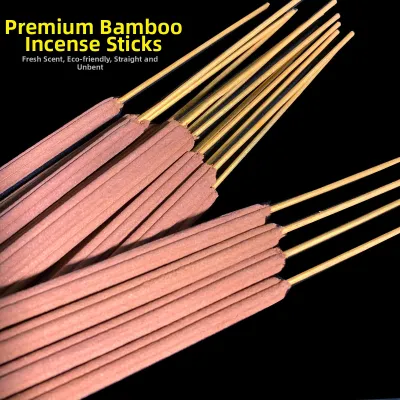
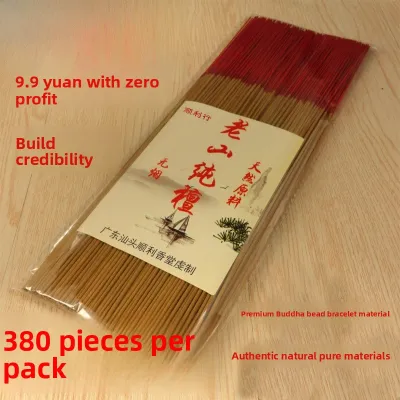
Prices are valid at publication and may change. Please refer to the product page for the latest price.
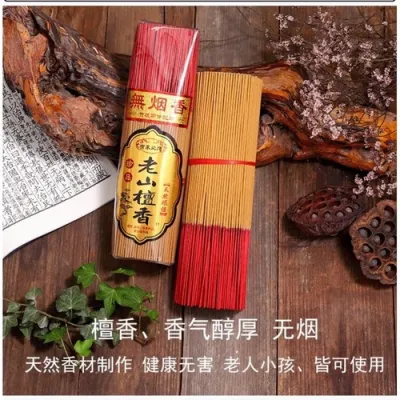
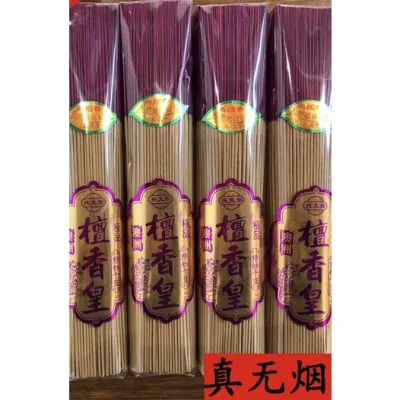
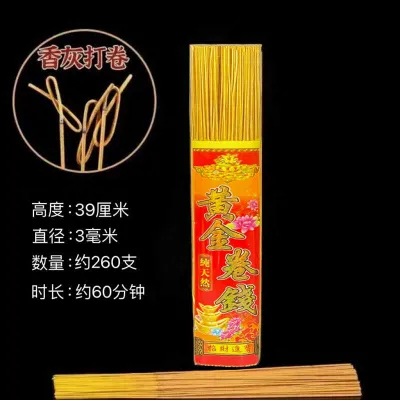
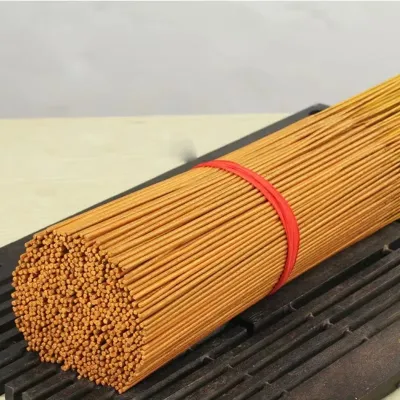
Low-smoke traditional incense, on the other hand, consists of physical sticks formulated with charcoal-free bases, natural herbs, or sandalwood designed to burn with minimal visible smoke and reduced particulate emissions. While they still produce a physical ember and a gentle aroma, they release significantly less soot and smoke than conventional incense sticks. This type is ideal for those who wish to preserve the sensory experience of traditional burning without overwhelming their living space.
In Singapore, where many families reside in high-density housing such as Housing & Development Board (HDB) flats or private condominiums, these smokeless options are exceptionally practical. Modern apartments are often equipped with sensitive home smoke detectors and feature compact layouts with limited natural cross-ventilation. High ceiling clearance is rarely available in standard residential units, meaning traditional heavy-smoke incense can quickly discolor white plaster ceilings, trigger smoke alarms, or compromise indoor air quality.
To choose the right option for your home, carefully assess the physical constraints of your altar or niche. An enclosed or semi-enclosed wooden Buddha niche with minimal overhead clearance is best suited for electronic LED incense to eliminate fire hazards and soot accumulation entirely. An open-air altar table situated near a window or in a well-ventilated living room can easily accommodate low-smoke physical incense, provided a stable burner is used.
Preparing Your Buddha Niche and Altar Space
Before placing any incense on your altar, preparing the physical and electrical environment is essential to establish a stable, clean, and respectful foundation. Cleaning the altar space is not merely a chore; in Buddhist practice, it is a meditative action that symbolizes purifying the mind of defilements and clutter. Begin by removing all existing items from the altar, dusting the surfaces with a dedicated microfiber cloth, and wiping down the niche walls.

If you plan to use physical low-smoke incense, surface preparation must prioritize heat resistance and stability. Ensure the altar table or niche shelf is perfectly level to prevent the incense burner from tipping over. Place a heat-resistant barrier, such as a tempered glass panel, a stone slab, or a specialized fireproof mat, directly beneath the burner to protect the underlying wooden or lacquered surface from stray embers or heat transfer.
When setting up electronic LED incense, you must plan for the electrical requirements of the fixtures. Before purchasing or installing any electronic burner, verify that its operating voltage matches your home electrical supply (typically 230V in Singapore) and check for appropriate safety certifications, such as the local Safety Mark, to ensure the device has been tested for electrical safety. Confirm the base interface, wattage limits, and whether the device supports dimming if you plan to adjust the light intensity.
Identify the nearest wall outlet and plan a discreet routing path for the power cables to maintain a clean, uncluttered aesthetic. Avoid stretching cords tightly across the altar or leaving them dangling where they could be snagged by pets or family members. Never route electrical cables underneath heavy statue bases, decorative plates, or carpets, as compressed wires can wear down over time, creating a hidden fire or shock hazard.
Step-by-Step Placement Guide for Smokeless Incense
Positioning Relative to the Buddha Statue
The arrangement of items on a Buddha altar follows a strict traditional hierarchy that emphasizes respect and spiritual focus. The Buddha statue must always occupy the highest, central, and most prominent position within the niche or on the altar table. No other object, offering, or decorative element should obstruct the view of the statue or sit higher than the sacred image itself.
Place your smokeless incense burner or electronic holder directly in front of the Buddha statue, aligned precisely with the central vertical axis of the altar. If you are using a single incense burner for low-smoke physical sticks, it should sit centered between the statue and the front edge of the altar. This central alignment represents the focused, single-pointed nature of devotion and meditation.
If you prefer to use a pair of electronic LED incense lamps, place them symmetrically on the left and right sides of the central Buddha statue. Ensure that the distance from the statue to each lamp is equal, creating a balanced visual frame that draws the eye toward the center. Symmetrical arrangements are highly favored in traditional altar design as they symbolize harmony and balance.
When positioning the incense, always adhere to the height rule: the top of the incense sticks, whether physical or simulated, must never exceed the level of the Buddha statue’s heart or head. Keeping the offerings physically lower than the statue’s chest level is a sign of humility and ensures that the focus remains entirely on the expression and posture of the Buddha. If your niche is compact, choose shorter incense sticks or low-profile electronic holders to maintain this respectful proportion.
Spacing and Safe Clearances
Maintaining adequate spacing around your incense setup is critical for both safety and the long-term preservation of your altar decor. For physical low-smoke incense, leave a minimum clearance of 10 to 15 centimeters between the burner and the base of the Buddha statue. This physical gap prevents any residual heat from warming the statue’s material and ensures that micro-soot does not settle directly onto the detailed carvings or painted surfaces of the image.
Vertical clearance is equally important when burning physical incense sticks inside a niche. Ensure there is at least 30 to 50 centimeters of open space above the tips of the lit incense to the ceiling of the niche or any overhanging wooden shelves. If the ceiling clearance is insufficient, the rising warm air can cause localized heat buildup, which may warp wood, blister lacquer finishes, or discolor decorative backdrops over time.
Keep all flammable items, such as paper sutras, prayer books, artificial flowers, and textile altar cloths, well away from the active burner area. Ensure that curtains, window blinds, or hanging decorations cannot blow toward the altar during windy days. Even low-smoke incense has an active ember that can ignite lightweight fabrics or paper upon contact.
When organizing the altar surface, arrange other daily offerings, such as water cups, fresh fruit plates, or flower vases, in front of or alongside the incense holder without crowding the space. A standard layout places the water cups closest to the statue, followed by the incense burner, with fruit and flower offerings positioned slightly to the sides or front. Leaving clear space between each offering container prevents accidental knocks when lighting incense or changing the water.
Daily Usage and Maintenance Routines
Operating Your Incense Setup
Approaching the Buddha altar should always be done with a calm mind, clean hands, and a respectful posture. Before handling any offering, wash your hands thoroughly to show respect for the sacred space. Take a moment to stand quietly before the altar, compose your thoughts, and set a sincere intention of gratitude, compassion, and mindfulness.
For electronic LED incense, you can simulate traditional worship periods by operating the lights during specific times of the day, such as early morning and evening. Many modern electronic burners come equipped with built-in timers or can be connected to smart plugs. Programming these devices to remain illuminated for 30 to 60 minutes during your daily meditation or chanting sessions replicates the traditional burning duration of physical incense while conserving energy and extending the lifespan of the LED bulbs.
When using low-smoke physical incense, light the tip of the stick using a match or a lighter, allowing a small flame to catch. To extinguish the flame, gently wave your hand or fan the stick to create a glowing ember; never blow on the incense flame with your breath, as this is considered disrespectful in Buddhist tradition. Insert the unlit end of the stick firmly and vertically into the burner’s ash or holder, ensuring it stands perfectly straight and cannot lean or fall over.
Cleaning and Long-Term Upkeep
Regular maintenance is necessary to keep your altar pristine, clutter-free, and safe. When cleaning electronic LED incense fixtures, always isolate the power supply first by unplugging the unit from the wall outlet or removing the batteries. Use a dry, soft microfiber cloth to gently remove dust from the simulated sticks, bulbs, and decorative base; never use wet cloths, liquid spray cleaners, or solvents near electrical joints, switches, or wire connections, as moisture can cause short circuits or corrosion.
For low-smoke physical incense burners, manage the accumulated ash and unburnt stubs regularly. Every few weeks, use a small sieve to sift through the burner’s ash, removing unburnt incense ends and compacted debris to keep the bedding material loose and clean. Wipe down the surrounding altar surfaces and the Buddha statue weekly with a dry or slightly damp cloth to prevent the subtle buildup of micro-soot or dust film.
Incorporate a routine safety check of your electrical components into your monthly cleaning schedule. Inspect the power cables of electronic burners for any signs of wear, such as frayed insulation, cracks, or pinch marks. Check that the plugs fit snugly into the wall sockets and that the LED bulbs do not flicker excessively or emit unusual buzzing sounds. If you observe any damaged wiring, loose connections, or malfunctioning components, cease using the device immediately and replace the affected parts or consult a qualified professional.
Essential Safety Precautions and Worship Etiquette
Maintaining a home altar requires strict adherence to both electrical and fire safety standards to protect your household. When using electronic incense, never overload your power strips or daisy-chain multiple extension cords together, as this can lead to overheating and electrical fires. Ensure that all power cables are kept completely free of tension and are positioned away from walkways where they could present a tripping hazard or be subjected to physical wear.
For physical low-smoke incense, remember that even though the smoke is minimal, an active ember is still burning at a high temperature. Never leave burning incense unattended in an empty room; if you must leave your home, ensure the stick has completely burned down or extinguish the ember safely in the ash. Position the burner away from direct drafts, open windows, or air conditioning vents that could blow hot ash onto flammable surfaces or cause the stick to burn unevenly.
From the perspective of Buddhist etiquette, the physical form of the offering is secondary to the sincerity and purity of the devotee’s mind. The practice of offering incense is a symbolic representation of spreading the fragrance of virtue, discipline, and wisdom throughout the world. Therefore, choosing smokeless or electronic alternatives to accommodate modern living constraints, protect family health, and prevent fire hazards is fully aligned with the Buddhist principles of compassion, mindfulness, and non-harming.
Always establish clear safety boundaries for your household. If an electronic incense burner or its power adapter emits a burning smell, feels unusually hot to the touch, or produces sparks, immediately isolate the power at the main circuit breaker if safe to do so, unplug the device, and discard it or contact a qualified electrician. Prioritizing safety ensures that your devotional practices remain a source of peace, harmony, and merit for your entire household.
Frequently Asked Questions (FAQ)
Can I leave LED incense on 24/7?
It is generally not recommended to leave electronic LED incense fixtures turned on continuously. While LEDs consume very little electricity and generate minimal heat compared to traditional incandescent bulbs, leaving them on indefinitely can cause the internal power adapter or transformer to experience gradual heat buildup. This continuous operation can shorten the overall lifespan of the electronic components, cause the LED bulbs to dim prematurely, and increase the minor risk of electrical malfunction. To maintain safety and prolong the device’s utility, use built-in timers, smart plugs, or manual switches to operate the lights only during your dedicated morning and evening worship times.
Is it respectful to use electronic incense instead of traditional incense?
Yes, using electronic incense is entirely respectful and widely accepted in modern Buddhist practice. In Buddhism, the essence of making an offering lies in your mental intention, devotion, and sincerity rather than the material composition of the physical object. Traditional incense represents the fragrance of pure conduct and the transient nature of life as the stick burns away. Electronic incense, by offering clean light, symbolizes the light of wisdom dispelling the darkness of ignorance. Choosing electronic alternatives demonstrates a compassionate regard for the health of your family, respect for shared living environments in modern apartments, and active prevention of fire hazards, all of which reflect key Buddhist values.
Community discussion
Share your experience or ask a question. Comments are reviewed before publication.