
In Buddhist practice, the physical items on a home altar are not merely decorative objects; they are profound symbols of spiritual refuge. Among these sacred items, sutras hold a place of immense reverence. As the recorded teachings of the Buddha, sutras represent the Dharma—the path to liberation and the second of the Three Jewels. Properly placing and caring for these texts on your home altar is a vital aspect of maintaining a respectful, harmonious, and spiritually supportive environment.
When arranging a home Buddhist altar, the way you position your sutras reflects your inner respect for the teachings. Traditional guidelines emphasize cleanliness, elevation, and a clear hierarchy relative to other sacred objects, such as Buddha statues and offering vessels. By understanding these principles, you can create a serene space that facilitates daily meditation, chanting, and reflection, ensuring that the physical layout of your altar aligns with the deep spiritual values of your practice.
Understanding the Hierarchy of Sacred Items on a Buddhist Altar
To arrange a home altar correctly, one must first understand the concept of the Triple Gem: the Buddha (the teacher), the Dharma (the teachings), and the Sangha (the spiritual community). On a traditional altar, each of these elements is represented physically. The Buddha is represented by a statue or painting; the Dharma is represented by sacred texts or sutras; and the Sangha is often represented by images of great teachers, disciples, or monastic figures. Among these, a strict hierarchy governs their placement to show proper respect to each aspect of the refuge.
Products mentioned in this guide
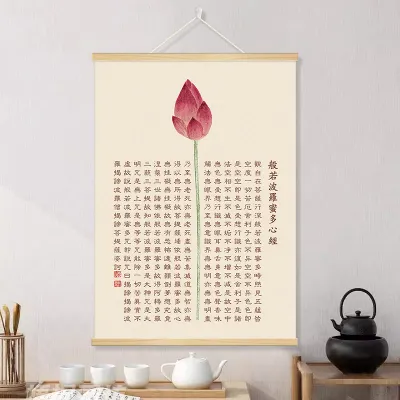
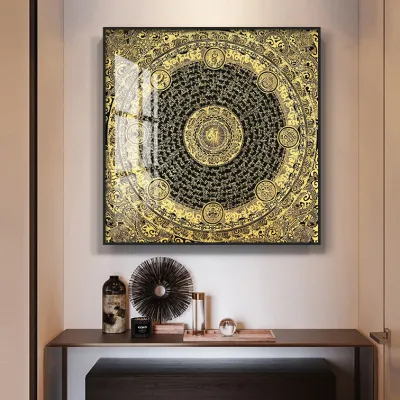

Prices are valid at publication and may change. Please refer to the product page for the latest price.
The central and highest position on any Buddhist altar is always reserved for the Buddha statue or the main deity of your practice. This central figure represents the ultimate source of enlightenment and the guide for your spiritual journey. If your altar has multiple tiers, the Buddha statue must occupy the very top shelf, positioned dead center. No other object, including sutras or offering bowls, should be placed higher than or directly in front of the main statue in a way that obstructs its view.
The traditional placement of sutras, representing the Dharma, relative to the Buddha statue can vary depending on the specific Buddhist school or lineage you follow. In many Mahayana and Vajrayana traditions, the sutras are placed to the Buddha’s right side (which corresponds to the left side from the viewer’s perspective). In other arrangements, particularly when space is limited to a single flat surface, the sutras may be placed on a slightly lower, dedicated stand directly in front of the Buddha statue, or to the side. Because the Dharma is the actual path that leads to enlightenment, the texts are treated with the same level of respect as the Buddha image itself, meaning they must never be placed in a subordinate or cluttered position.
Given these variations, it is highly recommended to consult specific lineage, temple, or teacher guidelines to confirm the exact positioning required for your specific tradition. Different schools—such as Zen, Pure Land, Tibetan, or Theravada—have unique ritual layouts and historical preferences. Reaching out to a local temple or a trusted spiritual guide ensures that your home altar layout harmonizes perfectly with the specific practices and teachings you are actively studying.
Step-by-Step Positioning and Orientation of Sutras
Once you understand the general hierarchy, you can begin the physical process of positioning your sutras on the altar. The first and most important rule is to avoid placing sutras directly on the bare surface of the altar shelf. Instead, always place them on a clean, dedicated wooden stand, a small decorative riser, a cushion, or a clean piece of brocade cloth. Elevating the text in this manner physically demonstrates that the words of the Dharma are sacred and distinct from ordinary, everyday objects.

Next, pay close attention to the directional orientation of the sutra texts. Ensure that the title, front cover, or designated top edge of the book or scroll faces outward toward the room or upward toward the ceiling. A sacred text should never be placed upside down, backward, or face down on its stand. If the sutra is bound as a traditional book, the spine should face the left or rear, allowing the cover to be presented respectfully. If it is an accordion-style or loose-leaf text, keep the pages neatly aligned and secured so they do not fan out or become disheveled.
As you arrange the altar, focus on aligning all texts neatly and avoiding cluttered, overlapping, or cramped arrangements with other ritual items. Items such as incense burners, water offering cups, candle holders, and flower vases should have their own designated spaces, typically positioned on a lower tier or in front of the sacred objects. Keeping a clear physical boundary between the sutras and these offering vessels is crucial. Spills from water cups or falling hot ash from incense can easily damage delicate paper pages, so maintaining adequate physical distance is both a matter of respect and practical preservation.
Respectful Handling and Daily Maintenance Practices
Maintaining a sacred altar space extends beyond the initial setup; it requires mindful daily habits and respectful handling of the sutras. Before you touch, move, or open a sutra for recitation, always wash your hands thoroughly. This simple physical act serves as a mental transition, helping you leave behind secular distractions and approach the teachings with a clean, focused, and reverent mindset. When picking up a sutra, use both hands as a gesture of respect, rather than grabbing it casually with one hand.
Daily cleaning is essential to keep the altar space pristine, but it must be done with care. Use a clean, dry, and soft microfiber cloth to gently dust the sutras and the altar surface. Avoid using water, damp cloths, or harsh chemical household sprays on or near the texts, as moisture can warp the paper, cause mold, or smudge the ink. If the altar requires a deeper cleaning, temporarily move the sutras to a clean, elevated surface nearby, wipe down the altar shelves, let them dry completely, and then return the texts to their proper positions.
When sutras are not actively displayed on the altar or used for daily recitation, apply proper storage methods to preserve their physical condition and sacred status. Wrap the texts in a clean piece of yellow, orange, or red silk or cotton cloth, which protects them from dust, light, and moisture. Store the wrapped sutras in a high, clean cabinet or on the top shelf of a bookshelf. This storage area should be dedicated solely to sacred items; never store sutras on lower shelves, near the floor, or mixed with secular novels, financial documents, or general household clutter.
Common Mistakes and What to Avoid
To maintain the sanctity of your home altar, it is helpful to be aware of common mistakes in sutra placement and handling. One of the most critical errors is placing sutras below waist level, on the floor, or on seating areas. In Buddhist culture, the lower parts of the body are associated with the mundane world, while the upper parts represent respect and spiritual aspiration. Placing a sacred text on the floor, a low coffee table, or a chair where people sit is considered highly disrespectful. If you must set a sutra down temporarily during a practice session, always place it on a clean table, a dedicated stand, or a clean cushion.
Another common mistake is allowing secular items, food, or non-religious books to be placed on the same shelf or physically above the sutras. Your altar should be a dedicated, sacred space. Placing car keys, mobile phones, wallets, or general reading materials on the altar shelf compromises its spiritual purity. Furthermore, ensure that no secular items are stored on shelves directly above the altar, as nothing worldly should physically tower over the representations of the Buddha and the Dharma.
Finally, take proactive steps to prevent physical damage from environmental factors. Direct sunlight can fade book covers and make paper pages brittle over time, so position your altar away from harsh window light. High humidity, particularly in tropical climates or near kitchens and bathrooms, can lead to mold growth and paper deterioration. Additionally, ensure that incense burners are placed far enough forward on the altar so that falling ash does not land on the sutras, and keep the room well-ventilated to prevent smoke residue from building up on the sacred texts.
Adapting Altar Arrangements for Small Spaces
For those living in modern apartments or homes with limited space, setting up a traditional, multi-tiered altar can be a challenge. However, you can easily adapt these principles to smaller environments without sacrificing respect or proper hierarchy. One of the most effective solutions is using tiered altar stands or small wooden step risers. These compact accessories allow you to create a clear vertical hierarchy on a single tabletop or shelf, placing the Buddha statue on the highest step, the sutra on the second step, and the offering bowls on the lowest level.
If your horizontal space is extremely constrained, consider separating the sutra reading or display area from the main incense and offering area. You can keep a minimalist altar with just a Buddha statue and a water cup, while keeping your sutras safely wrapped in a high cabinet nearby. When it is time for study or recitation, you can bring the sutra out and place it on a clean, temporary folding table or a dedicated reading desk. This separation not only saves space but also eliminates the risk of water or incense ash damaging the texts during daily offerings.
Ultimately, prioritizing a clean, quiet, and respectful environment is far more important than the sheer number of items displayed on your altar. A crowded, cluttered altar can create visual noise and distract the mind during meditation. A simple, minimalist setup consisting of a single, high-quality Buddha statue, a neatly positioned sutra on a small wooden stand, and a single fresh offering is fully complete and deeply respectful. By focusing on cleanliness, sincerity, and proper elevation, you can maintain a powerful spiritual space regardless of your home’s square footage.
Frequently Asked Questions (FAQ)
Can I place multiple different sutras on the altar at the same time?
Yes, you can place multiple different sutras on your altar simultaneously, provided you have enough space to arrange them neatly without creating clutter. If you choose to display multiple texts, they should be aligned side-by-side on dedicated stands or stacked horizontally. When stacking sutras, place the most frequently recited text, or the principal sutra of your specific lineage, at the very top of the stack. This ensures that the primary text of your practice is in the most prominent, accessible position, while maintaining an organized and respectful presentation.
What should I do if a sutra becomes damaged or torn?
If a sutra experiences minor wear and tear, such as a torn page or a loose cover, it is entirely appropriate to repair it carefully using clean, high-quality materials like acid-free tape or paper glue. Treat the repair process as an extension of your practice, handling the text with mindfulness and respect. If a sutra becomes severely damaged, stained, or worn beyond use, do not discard it in the regular household trash. Instead, consult a local temple or Buddhist center for guidance on traditional disposal methods, which often involve a respectful retirement ceremony or clean, intentional burning in a designated area.
Community discussion
Share your experience or ask a question. Comments are reviewed before publication.