
Using prayer oil with an oil burner is a time-honoured method to elevate the spiritual atmosphere of your home during quiet reflection, meditation, or daily prayer sessions. To do this properly, you must always place water in the burner bowl before adding a few drops of oil, apply a gentle and controlled heat source, and ensure the entire setup remains in a safe, draft-free environment. This approach not only preserves the delicate aromatic properties of the oil but also protects your equipment and home from heat damage.
Preparing Your Space and Equipment for Prayer
Creating a serene environment for prayer starts with selecting the right physical location for your oil burner. The burner must sit on a completely flat, stable, and heat-resistant surface, such as a sturdy wooden altar, a ceramic tile, or a stone countertop. Keep the burner far away from any flammable materials, including hanging curtains, altar cloths, paper scriptures, or decorative tassels that could easily catch fire if disturbed.
In Singapore’s residential spaces, such as HDB flats or condominiums, managing indoor air circulation is particularly important. While you want some fresh air to keep the space comfortable, strong drafts from open balcony doors, high-speed ceiling fans, or direct air conditioning vents can be problematic. A strong breeze can cause a candle flame to flicker wildly, leading to uneven heating, soot buildup, or even blowing the flame out entirely. Instead, aim for gentle, indirect ventilation that keeps the air fresh without creating direct wind currents across your prayer space.
Products mentioned in this guide
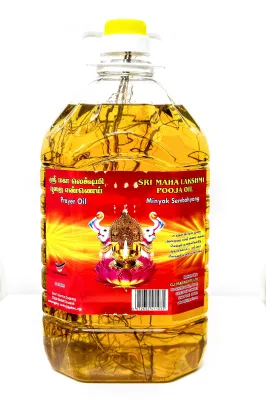
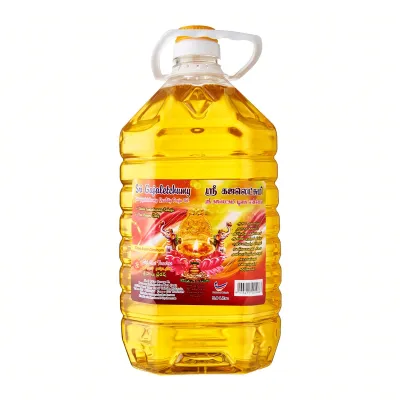






Prices are valid at publication and may change. Please refer to the product page for the latest price.
Before you begin your session, gather all necessary materials to avoid interrupting your practice:
- A clean oil burner: Ceramic, glass, or soapstone models are highly suitable.
- High-quality prayer oil: Ensure it is formulated for heat diffusion.
- Clean water: Room-temperature or slightly warm tap water works best.
- An appropriate heat source: Unscented tealight candles (typically lasting four hours) or a certified electric burner base.
Always inspect your burner thoroughly before every single use. Look closely for any hairline cracks, chips, or glaze imperfections, especially in the upper bowl that holds the water. Ceramic and glass expand when heated; if the material is compromised by a tiny crack, the thermal stress can cause the bowl to shatter mid-session, spilling hot water and oil, and potentially exposing an open flame.
Step-by-Step Guide to Heating Prayer Oil
Operating your burner correctly ensures that the fragrance is released gradually and cleanly, maintaining the sacred atmosphere of your session.

Adding Water and Prayer Oil
The golden rule of using an oil burner is to always add water to the bowl before introducing any prayer oil. Water acts as a crucial temperature regulator, preventing the oil from reaching its flashpoint and scorching.
To prepare the mixture:
- Fill the bowl: Pour room-temperature or slightly warm water into the top bowl until it is roughly two-thirds full. This leaves enough headspace to prevent the water from splashing or boiling over once heated.
- Add the prayer oil: Gently drop 3 to 5 drops of your chosen prayer oil directly onto the surface of the water. The oil will naturally float on top.
- Adjust for space: For smaller prayer rooms typical in local apartments, 3 drops are usually sufficient to create a subtle, lingering aroma. You can gradually increase this up to 8 drops for larger, open-concept living areas.
Never add oil to a dry, pre-heated bowl. If you drip oil directly onto a hot ceramic surface without water, the oil will instantly scorch, release acrid smoke, ruin the fragrance, and leave a stubborn, burnt residue that can permanently damage the burner’s glaze.
Lighting the Heat Source
Once your water and oil mixture is safely prepared, you can introduce the heat source to begin the diffusion process.
If you are using a traditional candle-lit burner:
- Position the candle: Place an unscented, metal-cupped tealight candle flat and centered in the lower chamber of the burner.
- Light the wick: Use a long match or a utility lighter to safely ignite the wick. Ensure the wick is trimmed to about 5mm to prevent excessive flame height and soot.
If you prefer an electric burner:
- Check specifications: Ensure the device is rated for Singapore's standard voltage (220-240V) and carries the appropriate safety certification, such as the Enterprise Singapore SAFETY Mark.
- Adjust settings: Plug in the burner and turn the dial to a low or medium setting. Avoid high settings immediately, as gradual heating preserves the delicate top notes of the prayer oil.
Within 10 to 15 minutes, you should notice the water gently steaming. The heat will cause the prayer oil to evaporate slowly alongside the water vapor, filling your prayer space with a soft, consistent aroma. The water should never reach a violent, rolling boil; if you see large bubbles popping rapidly, the heat source is too close or too intense.
Critical Safety Rules for Using Open Flames and Heat
Maintaining safety during your spiritual practices is paramount. Because prayer and meditation often involve deep concentration, visualization, or closed eyes, it is easy to lose track of time or external hazards.
The most fundamental rule is to never leave an active burner unattended. If you must leave the room, even for a few minutes, extinguish the candle or turn off the electric burner. If your spiritual practice leads to a state of deep relaxation where you might fall asleep, ensure you set a gentle timer or extinguish the burner beforehand.
“Dry burning” is one of the most common causes of oil burner accidents. As the heat source runs, the water in the bowl will gradually evaporate. You must monitor this water level closely:
- Check levels regularly: If your prayer session extends past an hour, peek at the burner bowl to ensure water remains.
- Extinguish early: Always extinguish the heat source before the water evaporates completely.
- Avoid thermal shock: If the bowl does run dry while the candle is still lit, do not immediately pour cold water into it. The sudden temperature drop (thermal shock) will almost certainly crack or shatter the hot ceramic or glass. Instead, extinguish the flame and let the entire unit cool down completely before refilling.
Keep the entire setup completely out of reach of children and pets. Curious hands or wagging tails can easily knock over a hot burner, causing severe burns or starting a fire.
When it is time to end your session, extinguish the flame safely:
- Use a candle snuffer: Place a snuffer over the tealight or use a damp cloth to gently smother the flame.
- Do not blow it out: Avoid blowing directly on the candle. This can spray hot wax, water, and oil onto your face, hands, or altar cloth.
- Allow to cool: The burner will remain hot to the touch for at least 20 to 30 minutes after the flame is out. Do not attempt to move, clean, or touch the burner until it has cooled to room temperature.
Cleaning and Maintaining Your Oil Burner
Regular maintenance of your burner ensures that each prayer session remains pure and free from the scent of stale or degraded oils. Over time, residual oil left in the bowl will polymerize, turning into a sticky, resinous film that is difficult to remove and can distort the aroma of new oils.
To clean the burner bowl:
- Cool down: Wait until the burner is entirely cool to the touch.
- Discard residue: Pour out any remaining lukewarm water and oil residue.
- Wash gently: Wash the bowl using warm water and a mild, unscented dish soap. Unscented soap is crucial, as heavily fragranced soaps can leave behind synthetic scents that contaminate your next prayer session.
- Use soft tools: Wipe the surfaces with a soft microfiber cloth or a non-abrasive sponge. Avoid steel wool, harsh scouring pads, or abrasive chemical cleaners, which can scratch the protective glaze or glass finish.
To maintain the burner base:
- Remove wax drips: If you use tealight candles, wax may occasionally drip onto the ceramic base. Allow the wax to harden completely.
- Scrape gently: Use a flexible plastic scraper, an old credit card, or a wooden spatula to gently pop the wax off. Avoid metal knives or keys, which can scratch the burner.
- Warm removal: Alternatively, you can place the cooled burner base in the freezer for 10 minutes; the cold will cause the wax to shrink and pop off easily.
Once clean, dry the entire burner thoroughly with a clean towel. Store it in a cool, dry cabinet away from direct sunlight to prevent any moisture buildup or dust accumulation.
Creating the Right Atmosphere for Meditation and Prayer
The sensory environment of your prayer space plays a significant role in helping your mind transition from daily stresses to a state of spiritual focus. Integrating your oil burner into a broader sensory design can deepen your practice.
Lighting is a powerful tool for signaling the brain to slow down. Consider dimming bright, cool-toned overhead lights, which can feel harsh and clinical. Instead, rely on the soft, flickering amber glow of your oil burner’s tealight. If you use an electric burner, complement it with warm-toned ambient lamps (around 2700K color temperature) placed at a lower height in the room. This low-level, warm illumination mimics natural twilight, encouraging relaxation and introspection.
When using prayer oil, remember that subtlety is key. The goal of the fragrance is to support your focus, not overwhelm it. A scent that is too strong can cause olfactory fatigue, sinus irritation, or headaches, which act as major distractions during prayer. Keep the oil dosage moderate, and ensure there is a gentle exchange of fresh air in the room to keep the atmosphere light and uplifting.
Designate a specific spot for your practice. Pair your beautifully lit burner with a comfortable cushion, a clean prayer mat, or a supportive chair. Before you light the burner, take a moment to silence your phone, turn off televisions, and close doors to minimize digital and acoustic distractions.
The actual process of preparing your burner—measuring the water, carefully selecting and dropping the prayer oil, and lighting the flame—can become a mindful ritual in itself. By performing these steps slowly and intentionally, you signal to yourself that you are stepping away from the busy world and entering a sacred, quiet space.
Frequently Asked Questions (FAQ)
Can I use prayer oil without water in the burner?
No, you should never use prayer oil without water in a standard oil burner. Prayer oils are highly concentrated and are not designed to withstand direct, concentrated heat. Without the temperature-regulating buffer of water, the oil will rapidly overheat, scorch, and burn. This destroys the delicate aromatic compounds, replacing them with a harsh, acrid smoke that can irritate your lungs and eyes. Additionally, dry heating can cause extreme thermal stress to the ceramic or glass bowl, leading to cracks, shattering, or an increased risk of fire. Always ensure the bowl is filled with water before adding oil.
Why does my prayer oil smell burnt or fade quickly?
A burnt smell typically indicates that the water level in your burner bowl has dropped too low, causing the remaining oil to scorch against the hot surface. It can also happen if your heat source is too close to the bowl or too intense, such as using an oversized candle. If the fragrance seems to fade too quickly, it may be due to using too few drops of oil for the size of your room, or excessive draft from fans and air conditioners carrying the scent away. Alternatively, you might be experiencing olfactory fatigue, where your nose temporarily becomes accustomed to the scent. Try adjusting your water-to-oil ratio, ensuring gentle steam rather than boiling, and maintaining a slow, indirect airflow.
Community discussion
Share your experience or ask a question. Comments are reviewed before publication.