
Swapping your cushion covers is one of the most efficient and budget-friendly ways to transform the atmosphere of your living room. Instead of investing in expensive new furniture or committing to a complete repaint, changing these small textile accents allows you to experiment with new design trends, seasonal colors, and rich textures. In warm, humid climates where indoor spaces double as sanctuaries from the heat, refreshing your soft furnishings can instantly make a room feel lighter, cooler, and more inviting.
By focusing on the subtle interplay of color, material, and arrangement, you can transition your living space from a cozy, warm-toned retreat to a breezy, modern oasis. This approach gives you the flexibility to adapt your decor as your personal style evolves or as the seasons change. Achieving a professional, curated look requires a systematic approach, starting with a clear assessment of your current room layout and ending with proper maintenance of your textile collection.
Assess Your Current Living Room Style and Layout
Before browsing online marketplaces or local home decor boutiques, take a step back to analyze the existing elements in your living room. Your sofa acts as the primary canvas for your cushions, so its color, material, and scale must dictate your starting point. A dark grey fabric sofa demands a completely different color palette than a tan leather couch or a light cream sectional. Take note of other dominant features in the room, such as the undertones of your flooring, the texture of your area rug, and the wood tones of your coffee table or television console.
Products mentioned in this guide
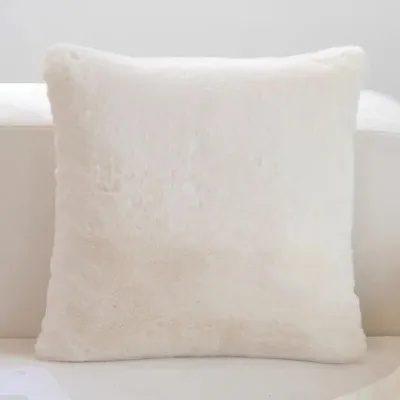
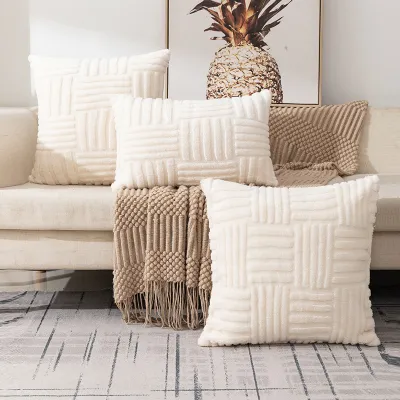
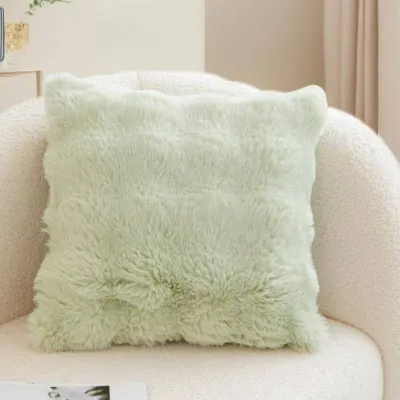
![[V.Home] Throw Pillows/Cushion Case/4 sizes available/Indoor Decoration Cushion Pillow](https://img.lazcdn.com/g/p/7b0bca45b51dd8b3fca4a548ca000357.jpg_400x400q80.jpg_.webp)
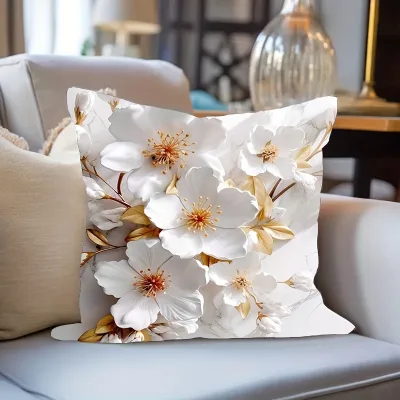
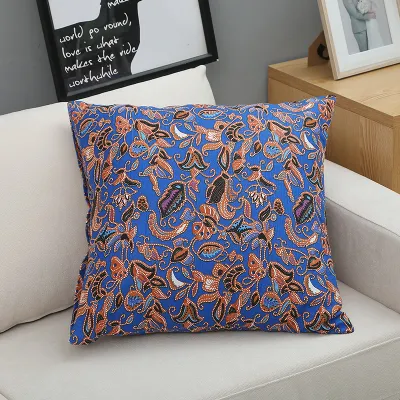
![Finelivin Regular 2 Design Pillow case | Full Cotton [3]](https://img.lazcdn.com/g/p/a302a88a14def6fecc5e54ecc91c2003.png_400x400q80.png_.webp)
Prices are valid at publication and may change. Please refer to the product page for the latest price.
Next, define the specific aesthetic direction you want to achieve with this refresh. If your living room currently feels overly formal, you might aim for a relaxed, coastal vibe by introducing soft neutrals and organic textures. If the space feels flat, you can introduce visual energy through high-contrast geometric patterns or rich, saturated jewel tones. Understanding this target style prevents impulsive purchases that do not harmonize with your existing furniture.
Finally, perform a physical audit of your current cushions. Remove the existing covers and measure the inner inserts from seam to seam while they are laid flat. Do not rely on guesswork, as even a minor discrepancy of two to three centimeters can result in a cover that is either awkwardly loose or tightly strained. Note the filling material of your inserts—whether they are down-feather, microfiber, or polyester fiberfill—as this affects how they drape and fill out different cover fabrics.
Choose the Right Cushion Covers for Your New Look
Selecting the perfect cushion covers requires balancing tactile comfort, visual appeal, and practical durability. In tropical environments, fabric selection is paramount to ensuring your living room remains comfortable for daily lounging. Natural fibers like cotton and linen are highly breathable, making them excellent choices for high-contact surfaces. Cotton canvas offers a sturdy, structured look that holds up well to daily use, while linen provides a relaxed, textured drape that softens the overall appearance of modern furniture.

If you prefer a touch of luxury, look for lightweight velvet or chenille covers, but ensure your living room is consistently air-conditioned to prevent these heavier materials from feeling uncomfortably warm. For homes with young children or pets, check product specifications for durable, machine-washable synthetic blends or outdoor-rated fabrics that resist stains and moisture. Always review the manufacturer’s care label to verify if a fabric requires specialized dry cleaning or if it can be easily laundered at home.
Once you have selected your materials, apply basic color theory to build a cohesive palette. A reliable approach is the 60-30-10 rule, where 60 percent of the room is dominated by your main wall and furniture color, 30 percent consists of secondary textiles like curtains and rugs, and the remaining 10 percent is reserved for accent pieces like cushion covers. To prevent visual clutter, mix solid-colored covers with patterned options. If you choose a bold, large-scale botanical print as your focal cushion, balance it with smaller geometric patterns and textured solids in coordinating tones.
Varying the shapes and sizes of your cushions is another effective way to build visual depth. Instead of relying solely on standard square covers, introduce rectangular lumbar cushions or circular bolster designs. Placing a longer, low-profile lumbar cushion in front of two larger square cushions creates a layered, professional look that breaks up the horizontal lines of a standard sofa.
Step-by-Step Guide to Swapping and Arranging Cushion Covers
Transforming your sofa begins with preparing your inserts for their new covers. Carefully unzip your old covers and slide the inserts out to avoid tearing the inner lining. Take this opportunity to inspect the inserts for any signs of wear, clumping, or flat spots. If your polyester inserts have lost their bounce, give them a thorough fluffing by massaging the clumps apart, or consider upgrading to high-density microfiber inserts for a plush, long-lasting loft.
When installing the new covers, use the “taco fold” method to protect both the fabric and the zipper mechanism. Fold your cushion insert in half to form a U-shape, then slide it deep into the corners of the new cover before letting it expand. Once the insert is inside, gently work your hands into the corners to ensure the filling fully occupies the fabric tips. Align the seams of the cover with the edges of the insert, then slowly close the zipper while using your fingers to push the filling away from the zipper teeth to prevent snagging.
With your cushions freshly covered, you can now arrange them on your seating. For a formal, traditional living room, opt for a symmetrical arrangement. Place identical large square cushions on both ends of the sofa, followed by slightly smaller matching cushions nested just inside them, finishing with a single accent cushion in the center. This balanced layout creates a sense of order and structure.
For a more contemporary, relaxed atmosphere, choose an asymmetrical clustering method. Group three cushions of varying sizes, textures, and patterns on one side of the sofa, and place a single, contrasting cushion on the opposite end. This casual arrangement feels organic and inviting, encouraging guests to sit back and relax. Ensure you step back periodically during the styling process to evaluate the overall visual weight from across the room.
Maintain and Care for Your Cushion Covers
To keep your newly styled living room looking pristine, establish a simple maintenance routine. Dust and pet hair can quickly dull the vibrant colors of your covers, so make it a habit to vacuum them weekly using a soft upholstery brush attachment. Regularly fluffing your cushions by gently clapping the sides together redistributes the inner filling, preventing unsightly sagging and maintaining the crisp silhouette of the covers.
When it comes to washing, always prioritize the instructions on the manufacturer’s care label. Many decorative covers feature delicate embroidery, tufting, or metallic prints that can be ruined in a standard wash cycle. For machine-washable covers, turn them inside out, zip them closed to prevent the hardware from catching, and use a gentle cycle with cold water and a mild detergent. Avoid using harsh bleach or fabric softeners, which can degrade the fibers over time.
Drying your covers correctly is crucial to preventing shrinkage and warping. Air-drying in a shaded, well-ventilated area is the safest method for almost all fabric types. Avoid direct sunlight, as UV rays can rapidly fade vibrant dyes and weaken natural fibers. If you must iron your covers to remove stubborn wrinkles, do so on the reverse side using a low heat setting, or use a handheld garment steamer while the covers are fitted back onto the cushions.
If you swap your covers seasonally, store the off-season set properly to protect your investment. Ensure the covers are completely clean and dry before folding them loosely. Store them in breathable cotton fabric bags rather than airtight plastic containers, which can trap residual moisture and encourage the growth of mold or mildew in humid climates. Keep the storage container in a cool, dark, and dry closet.
Common Mistakes to Avoid When Updating Cushion Styles
One of the most frequent errors when updating cushion decor is choosing the wrong cover size for your inserts. A cover that is too large for its insert will look saggy, wrinkled, and deflated, instantly cheapening the look of your sofa. Conversely, forcing a large insert into a cover that is too small can strain the seams, warp the shape of the cushion, and make the seating feel uncomfortably stiff. A helpful industry secret is to use an insert that is slightly larger than the cover—such as a 50x50cm insert inside a 45x45cm cover—to achieve a plump, high-end look.
Another common pitfall is creating visual chaos by overcomplicating the design. While mixing patterns is encouraged, using too many competing prints without a unifying color palette can make your living room feel cluttered and disorganized. Limit your selection to one dominant pattern, one secondary pattern of a different scale, and two or three solid, textured covers that pull colors directly from the prints.
Lastly, do not sacrifice practicality for pure aesthetics. A delicate, heavily beaded cover might look stunning in a photograph, but it can be highly uncomfortable to lean against during a movie night and difficult to clean. Consider how your household actually uses the living room. Opt for durable, soft, and easily washable fabrics for high-traffic family spaces, and reserve delicate embellishments for low-use accent chairs.
Frequently Asked Questions (FAQ)
Can I use the same cushion inserts for different cover styles?
Yes, you can easily reuse your existing cushion inserts across different cover styles, provided the dimensions match perfectly. Reusing high-quality inserts is an eco-friendly and cost-effective way to refresh your decor. When swapping covers, ensure the insert still has adequate loft and support; if it has become flat or lumpy, it may not fill out a new cover properly. For the best visual results, pair lightweight fabrics like linen with soft feather inserts, and use structured polyester or microfiber inserts for heavier canvas or velvet covers.
How do I arrange cushions for a balanced look?
Achieving a balanced look does not require strict symmetry, but rather an even distribution of visual weight. Start by placing your largest cushions at the outer corners of your sofa to anchor the arrangement. Work your way inward with progressively smaller sizes, ensuring that colors and patterns are distributed evenly across the seating area. If you use a bold pattern on one side, balance it with a solid cushion of a similar color intensity on the other side. Mixing different textures, such as pairing a smooth cotton cover with a chunky knit or woven design, adds depth without relying on loud colors.
Community discussion
Share your experience or ask a question. Comments are reviewed before publication.