
Incorporating owl cushion covers is an efficient, highly reversible way to introduce personality, texture, and visual interest into a living room. By swapping out standard covers for those featuring owl motifs, you can shift the room’s mood from starkly modern to warm and organic, or from overly formal to delightfully whimsical.
Nature-inspired motifs have long held a prominent place in interior design. Owls, in particular, carry a sense of wisdom, quiet elegance, and organic charm. Depending on the artistic style of the print—whether it is a minimalist geometric silhouette, a vintage woodblock print, or a richly colored watercolor illustration—an owl design can serve as a sophisticated focal point or a playful accent.
The true beauty of this design update lies in its simplicity. Instead of committing to expensive, permanent changes like repainting walls or replacing a major furniture piece like a sofa, soft furnishings allow you to experiment with themes and color palettes. This guide focuses entirely on these low-risk, high-impact soft decor adjustments, showing you how to select, style, and maintain owl-themed cushion covers to achieve a balanced, designer-level living room refresh.
Products mentioned in this guide
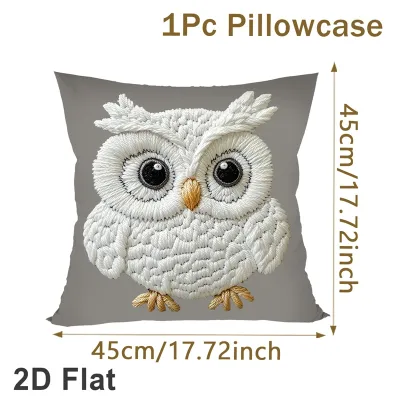
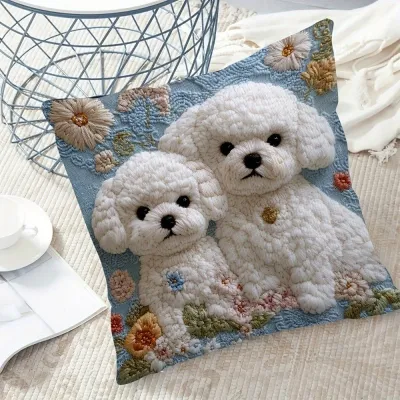
Prices are valid at publication and may change. Please refer to the product page for the latest price.
Why Owl Motifs Work for a Living Room Refresh
Using owl motifs in a living room refresh allows you to tap into the enduring appeal of the natural world while maintaining a highly curated aesthetic. Unlike abstract geometric patterns, which can sometimes feel cold or clinical, animal motifs immediately introduce a sense of life and story to a space. The owl, with its distinct silhouette and expressive eyes, naturally draws attention, making it an excellent conversation starter and a focal point for seating arrangements.
Furthermore, owl designs are incredibly versatile, spanning a wide spectrum of design eras and sensibilities. A stylized, mid-century modern owl print can reinforce a retro aesthetic, while a delicate, hand-painted watercolor owl on a neutral background fits seamlessly into a soft, contemporary space. This adaptability means you do not have to overhaul your entire living room to accommodate the motif; instead, the motif adapts to your existing furniture, enhancing the space’s warmth and character with minimal effort.
How to Choose Owl Cushion Covers That Fit Your Space
Selecting the right cushion covers requires a thoughtful balance between artistic expression and the existing design language of your home. A common mistake is choosing a cushion cover solely because the individual design is appealing, without considering how it will interact with the surrounding furniture, wall colors, and lighting. To ensure your new owl-themed covers look intentional rather than accidental, you must evaluate both their visual design and their material composition.

Matching Colors and Patterns to Your Room
To integrate owl prints seamlessly, start by analyzing the dominant and accent colors of your living room. If your sofa is a neutral tone, such as charcoal, beige, or cream, you have a versatile canvas. For modern, minimalist, or contemporary spaces, look for owl cushion covers featuring clean lines, abstract shapes, or subtle, single-color silhouettes. An embroidered linen cover with a simple cream-and-grey owl outline adds texture and character without disrupting a calm, understated aesthetic.
Conversely, if your living room leans toward an eclectic, bohemian, or rustic style, you can embrace more vibrant, detailed illustrations. Rich jewel tones, intricate floral backdrops behind the owl motif, or folk-art-inspired patterns work beautifully in these environments. The key to harmony is to ensure that at least one color within the owl print matches an existing accent in your room—such as the hue of a rug, a painting, or a nearby curtain. This common thread ties the entire space together, making the new additions feel like a natural extension of your decor.
Selecting Fabrics for Comfort and Climate
Fabric selection directly affects both the tactile comfort of your living room and the longevity of the cushion covers. In warm, humid tropical environments like Singapore, fabric breathability is paramount. Natural fibers such as pure cotton canvas and linen are excellent choices for everyday use. They allow air to circulate, feel cool to the touch, and are highly resistant to the moisture buildup that can lead to musty odors in humid climates.
If your living room is consistently air-conditioned and you want to cultivate a cozy, luxurious sanctuary, heavier fabrics are highly suitable. Velvet, chenille, or dense jacquard weaves featuring woven owl patterns add physical warmth and a rich, tactile depth to your seating. These heavier materials catch the light beautifully, highlighting the details of the owl design. Regardless of the fabric you choose, always check the manufacturer’s care labels before purchasing. Ensure the fabric matches your household’s lifestyle, particularly if you have pets or young children, where removable, machine-washable covers are a practical necessity.
Steps to Style and Arrange Owl Cushions on Your Sofa
Once you have selected your owl cushion covers, the next step is arranging them on your sofa. Throwing a pair of matching cushions onto opposite corners of a couch often looks flat and uninspired. Professional interior styling relies on structured arrangement techniques to create depth, comfort, and visual movement. By mastering a few simple styling principles, you can elevate your sofa from a basic seating area into an inviting, curated focal point.
Using the Rule of Odd Numbers and Layering
The rule of odd numbers is a fundamental concept in interior styling. Visual arrangements containing three, five, or seven items tend to look more natural, dynamic, and appealing to the human eye than symmetrical, even-numbered groupings. For a standard three-seater sofa, a grouping of five cushions is often ideal, while a smaller loveseat benefits from a grouping of three.
To layer these cushions effectively, start from the outer edges of the sofa and work your way inward. Place your largest, solid-colored base cushions (typically 50×50 centimeters or larger) at the back corners of the sofa to frame the seating area. Next, layer slightly smaller cushions (around 45×45 centimeters) in front of them. This middle layer is where your patterned owl cushion covers should shine, drawing the eye toward the center. Finally, complete the arrangement with a single, distinct accent cushion—such as a rectangular lumbar cushion featuring a detailed owl print—placed dead center. This layered depth naturally invites relaxation while showcasing your themed covers prominently.
Mixing Textures and Solid Colors
To prevent your sofa from looking cluttered or overly themed, you must balance your patterned owl covers with solid-colored cushions. A sofa covered entirely in busy prints can feel overwhelming and visually chaotic. A good rule of thumb is to pair one highly detailed owl print cushion with two solid or subtly textured cushions that reference the colors found within the owl design itself.
Mixing textures is an excellent way to add visual interest without relying on competing patterns. If your owl cushion cover is made of a smooth, printed cotton, pair it with a solid-colored cushion made of a highly textured material, such as a chunky knit, a slubby linen, or a soft waffle-weave fabric. You can also drape a textured throw blanket over the arm of the sofa, letting it cascade beneath the cushions. This combination of smooth prints, rough textures, and solid blocks of color creates a sophisticated, multi-dimensional look that highlights the unique charm of your owl covers.
Complementary Decor to Balance the Owl Theme
Introducing a themed element like an owl motif requires restraint to keep the overall aesthetic mature and sophisticated. If you surround your new cushions with matching owl-themed wall clocks, owl-shaped mugs, and literal bird figurines on every shelf, the living room can quickly begin to feel like a novelty shop or a child’s playroom. To maintain an elegant atmosphere, the key is to support the owl theme with complementary, nature-inspired decor rather than literal duplicates of the motif.
Opt for grounding, organic elements that echo the forest or woodland associations of the owl without repeating the animal shape. Incorporating natural wood textures is a highly effective way to achieve this balance. A solid teak or oak coffee table tray, wooden candle holders, or a live-edge side table can instantly ground the room. Additionally, introducing leafy indoor plants—such as a thriving fiddle-leaf fig, a monstera, or a snake plant—adds vibrant green tones that beautifully complement the natural essence of the owl theme.
Woven textures also help bridge the gap between your cushions and the rest of the room. Consider placing a woven seagrass or rattan basket next to the sofa to hold extra throw blankets, or using a jute area rug to define the seating space. Ceramic vases in earthy, matte glazes—such as terracotta, sage green, or deep ochre—can be styled on open shelving or a console table. By surrounding your owl cushions with these mature, organic textures, you create a cohesive, nature-inspired narrative that feels sophisticated, balanced, and intentionally designed.
Common Cushion Styling Mistakes to Avoid
Achieving a polished look requires avoiding a few common styling pitfalls that can detract from your living room’s transformation. One of the most frequent mistakes is choosing cushions that are disproportionate to the scale of the furniture. Placing small, 30-centimeter cushions on a deep, oversized sectional sofa will make the cushions look lost and insignificant. Conversely, massive cushions on a delicate, mid-century modern loveseat can overcrowd the seating space, leaving no room for guests to sit comfortably. Always measure your sofa’s backrest height and depth before purchasing covers to ensure a harmonious scale.
Another critical element that is often overlooked is the quality and size of the cushion insert. A flat, deflated cushion can make even the most luxurious cover look cheap and uninviting. To achieve a plump, structured, and high-end look, professional stylists recommend using a cushion insert that is slightly larger than the cover itself. For example, if your owl cushion cover measures 45×45 centimeters, pairing it with a 50×50 centimeter insert will fill out the corners perfectly and provide excellent loft. Always check the manufacturer’s specific recommendations for insert sizing, and choose high-quality fillings—such as feather-down blends for a plush, karate-chop look, or dense microfiber for firm, hypoallergenic support—to ensure your styled sofa remains comfortable and visually striking over time.
Frequently Asked Questions (FAQ)
How do I wash printed owl cushion covers without fading the design?
To preserve the vibrant colors and fine details of your printed owl cushion covers, proper laundering techniques are essential. Before cleaning, always verify the manufacturer’s specific care label stitched inside the cover, as different fabrics have unique requirements. As a general rule, turn the cushion covers inside out before washing to shield the printed or embroidered surface from friction against the washing machine drum or other garments.
Wash the covers in cold water on a gentle or delicate cycle using a mild, liquid detergent. Avoid using bleach or harsh fabric softeners, which can break down the fabric fibers and degrade the print quality over time. Once the cycle is complete, reshape the covers while they are damp and air-dry them in a shaded, well-ventilated area. Avoid direct sunlight, as ultraviolet rays can rapidly fade colors, and do not tumble dry unless the care label explicitly permits it, as high heat can shrink the fabric and distort the printed design.

Community discussion
Share your experience or ask a question. Comments are reviewed before publication.