
Swapping cushion covers is one of the most efficient and cost-effective ways to completely transform the aesthetic of a living space. By strategically selecting new colours, textures, and patterns that complement your existing furniture, you can shift the mood of a room from cozy and warm to bright and modern without the expense of replacing major pieces like sofas or armchairs. This approach allows for creative flexibility, enabling you to adapt your home’s decor to changing seasons, updated design trends, or evolving personal tastes.
Assess Your Space and Define Your Style Goal
Evaluating your existing room layout and finishes is the first step toward a successful style refresh. Take note of the permanent anchor pieces in your space, such as your sofa upholstery, flooring, wall colours, and large area rugs. In many Singaporean homes, neutral tones like beige, grey, or off-white dominate to maximize the sense of light in high-rise apartments. Note the undertones of these elements—whether they are warm, such as yellow-beige and warm wood, or cool, such as blue-grey, stark white, and concrete.
Lighting also plays a critical role in how fabric colours appear in a room. A living space bathed in natural light from floor-to-ceiling windows will interact differently with fabric dyes than a room relying primarily on warm LED downlights. Observe how the light changes in your room throughout the day, as a shade that looks vibrant in morning sunlight might appear muted or dark under evening artificial lighting.
Products mentioned in this guide
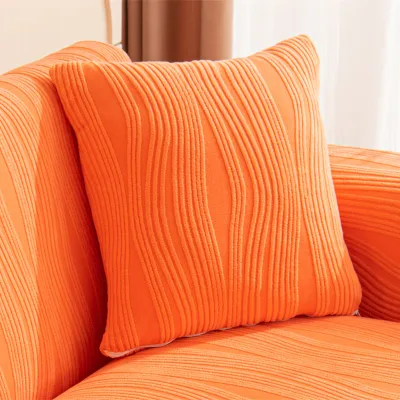
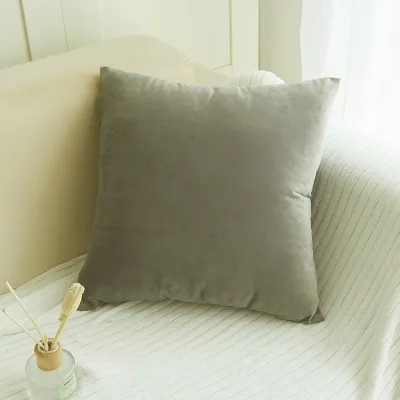
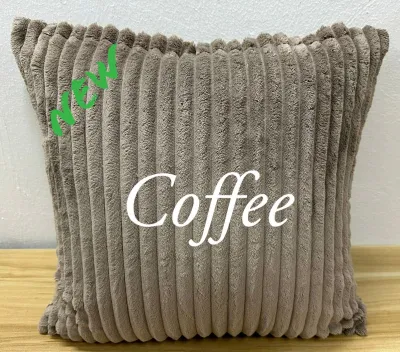
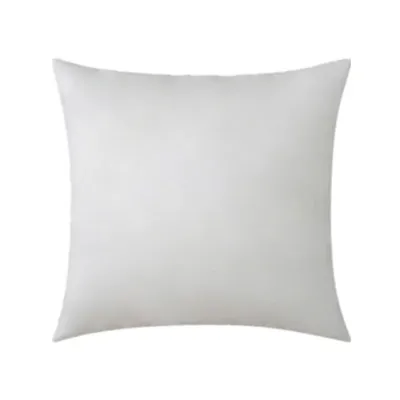
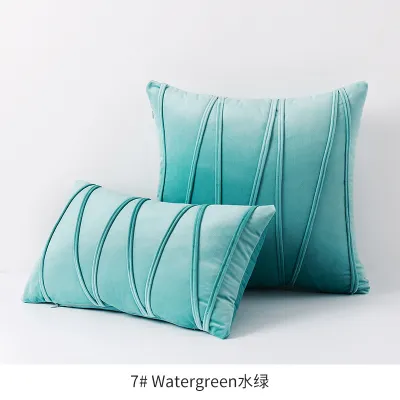
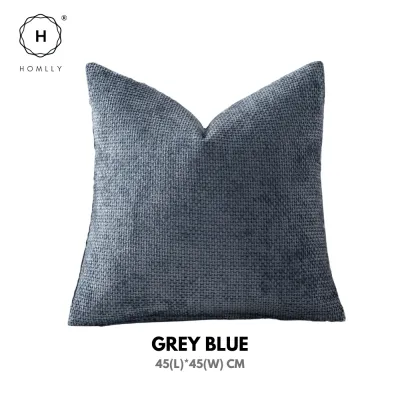
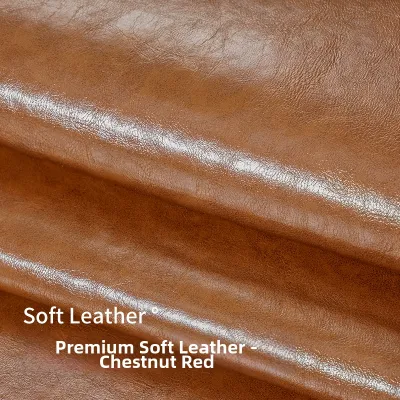
Prices are valid at publication and may change. Please refer to the product page for the latest price.
Next, define the specific mood or design theme you want to achieve. You might aim for a calming, minimalist Japandi aesthetic characterized by earth tones and clean lines, a vibrant tropical look that brings the lush outdoors inside, or a sophisticated modern style with high-contrast monochrome patterns. Seasonal shifts also offer excellent styling cues, such as introducing lighter, breezier tones during warmer months or richer, deeper hues for a cozy evening atmosphere.
As you plan, decide whether your new cushion covers should blend harmoniously with your existing palette or act as bold, contrasting accents. Harmonious styling uses analogous colours—shades that sit next to each other on the colour wheel—to create a serene, flowing environment where cushions subtly support the main furniture. Conversely, choosing contrasting accent pieces introduces dynamic focal points that draw the eye immediately, breaking up visual monotony and injecting energy into a neutral room.
Choose the Right Cushion Covers for Your New Look
Selecting the perfect cushion covers requires balancing visual appeal with physical comfort and practical longevity. The covers you choose will dictate both the visual weight of your seating area and how comfortable the space feels during daily use. By examining design elements like pattern coordination, fabric performance, and structural fit, you can make informed decisions that elevate your home’s interior design while meeting the demands of your household’s lifestyle.

Coordinating Colours and Patterns
To mix and match patterns successfully without creating visual chaos, interior designers often rely on the “rule of three.” This classic design principle suggests selecting three distinct pattern scales or styles to distribute across your seating. Begin with a large-scale print, such as a bold geometric or a wide stripe, which serves as the anchor pattern. Next, introduce a medium-scale pattern, such as a delicate floral, a smaller abstract print, or a subtle herringbone, ensuring it features at least one colour from the primary pattern. Finally, complete the trio with a solid colour or a highly textured plain fabric that pulls a secondary hue from the first two patterns.
Using basic colour theory helps ensure these selections tie seamlessly into your room’s existing anchor pieces, such as a patterned rug, statement curtains, or the sofa upholstery itself. If your sofa is a deep navy blue, for example, you might look to complementary shades like warm terracotta or soft mustard gold to create a balanced, high-contrast look. Alternatively, for a more tranquil and cohesive feel, choose an analogous scheme by pairing that navy sofa with soft slate blues, sage greens, and cool greys.
Balancing bold prints with neutral bases is critical to maintaining a sophisticated, uncluttered look. If every cushion features a loud, intricate pattern, the eye has nowhere to rest, which can make a living room feel smaller and more chaotic. Interspersing busy patterns with solid-coloured cushions in neutral tones—such as cream, charcoal, or warm taupe—provides essential visual breathing room, allowing the detailed patterns to stand out as intentional design choices rather than random clutter.
Selecting Textures and Materials
The tactile quality of your cushion covers is just as important as their visual design, especially when considering comfort and durability. Different fabrics offer distinct characteristics:
- Cotton and linen: Provide a breathable, casual, and relaxed look that suits coastal or minimalist interiors perfectly.
- Velvet: Introduces a sense of luxury, depth, and physical warmth, catching light beautifully to highlight rich colour tones.
- Synthetic blends: Such as polyester-cotton or nylon mixes, offer excellent resistance to wear, tearing, and staining, making them highly practical choices for active households.
In tropical and humid environments like Singapore, local climate conditions must play a major role in your fabric selection. Heavy, dense, or highly insulating fabrics can trap heat and feel uncomfortable against the skin, particularly in rooms that are not constantly air-conditioned. For these spaces, breathable natural fibres like pure linen or lightweight cotton are highly recommended, as they allow air circulation and absorb moisture effectively. If you prefer the look of luxury fabrics like velvet, look for lightweight cotton-velvet blends or performance synthetic fabrics engineered to remain breathable and resist trapping humidity.
Before making any purchase, it is vital to check the care labels and manufacturer instructions for washing, drying, and ironing requirements. Some high-end materials, such as pure silk, delicate wool blends, or heavily embroidered fabrics, may require professional dry cleaning, which can make them less practical for high-use family spaces. For everyday convenience, prioritize machine-washable fabrics that can withstand regular laundering without losing their shape, colour, or soft texture.
Sizing and Insert Compatibility
Achieving a polished, designer-level finish depends heavily on ensuring your cushion covers fit their inserts properly. A common mistake is pairing a cover with an insert of the exact same size, which can often result in a flat, limp cushion with empty, sagging corners. To achieve a plump, luxurious look, a general design rule is to size up the insert slightly. For instance, placing a 50×50 cm insert inside a 45×45 cm cushion cover fills out the corners completely and creates a firm, inviting loft. However, because fabric elasticity and insert fill density vary, always verify specific manufacturer recommendations for both the cover and the insert.
The type of closure on a cushion cover also affects both its ease of use and its final aesthetic. Hidden zippers, which are sewn into the seam line of the cover, offer a clean, seamless look from all angles, making them ideal for modern and minimalist spaces where clean lines are paramount. Envelope closures, which feature overlapping fabric panels on the back of the cushion, provide a classic, hardware-free design that is exceptionally easy to slip on and off. Consider how frequently you plan to wash or swap your covers when choosing between these closure styles, as hidden zippers require gentle handling to avoid tearing the surrounding seams during insertion.
Arrange and Style Your Cushions for Maximum Impact
Once you have selected your cushion covers, the way you arrange and style them on your furniture will determine the overall impact of your room’s refresh. Professional styling relies on thoughtful layering to create visual depth and dimension. Start by placing your largest, plainest cushions at the very back of the arrangement, leaning against the sofa frame. These act as a solid backdrop. Next, layer medium-sized cushions with subtle patterns or rich textures directly in front of them. Finally, place your smallest, most detailed, or heavily patterned cushions at the very front of the group, drawing the eye toward the center of the arrangement.
To create a relaxed, lived-in, yet sophisticated look, try using the “chop” or “karate chop” technique. This involves gently hitting the top edge of the cushion with the side of your hand to create a central indentation, which helps catch the light and gives the cushion a soft, organic shape. Keep in mind that this styling technique works best with soft, malleable fills such as down, feather, or high-quality down-alternative inserts. Stiff, dense foam or tightly packed polyester fiberfill inserts will resist this shaping and are better suited for crisp, structured, and modern arrangements.
Different furniture configurations benefit from tailored layout styles:
- Three-Seater Sofas: A classic symmetrical layout works beautifully here, placing two large matching cushions on each outer end, followed by two slightly smaller coordinating patterned cushions, and finishing with a single accent cushion in the center. For a more modern, casual feel, try an asymmetrical arrangement, clustering three complementary cushions on one end and only two on the other, balancing the visual weight with a throw blanket.
- L-Shaped Sectionals: Focus your styling efforts on the corner junction and the two outer ends. Place a cluster of three layered cushions in the deep corner to soften the sharp angle, and place smaller, coordinating pairs on the far left and right ends of the sectional to tie the entire seating area together.
- Armchairs: A single, carefully chosen cushion is usually sufficient for an armchair. You can stack a medium square cushion behind a smaller rectangular lumbar cushion to add comfort and a touch of color without overwhelming the limited seating space.
Incorporating lumbar cushions—elongated, rectangular shapes—is an excellent way to break up the visual monotony of repetitive square cushions. Beyond their aesthetic appeal, lumbar cushions provide valuable ergonomic support for the lower back, making deep sofas far more comfortable for extended sitting.
Swap, Care, and Maintain Your Cushion Covers
To ensure your cushion covers remain in pristine condition and last for years, proper handling, care, and maintenance are essential. When swapping covers, avoid forcing a large insert into a small opening, which can easily rip the zipper seams or tear the insert casing. To insert a cushion safely, fold the insert in half like a taco, slide it deep into the far corners of the cover, and then allow it to unfold naturally inside. Gently manipulate the corners of the insert into the corners of the cover before carefully pulling the zipper closed, using one hand to guide the zipper track and the other to compress the fabric so it does not snag.
Routine maintenance will significantly extend the lifespan of both your covers and inserts. Fluff your cushions regularly to restore their loft and prevent the filling from clumping or settling permanently. Rotate the positions of your cushions weekly so they experience even wear and compression, especially if certain seats on your sofa are used more frequently than others. Additionally, keep your cushions out of prolonged direct sunlight; Singapore’s intense tropical sun can quickly fade vibrant fabric dyes and weaken natural fibres, leading to premature wear and tearing.
When it comes to cleaning, always prioritize the manufacturer’s care label instructions. For minor spills or stains, spot-cleaning immediately with a clean, damp cloth and a mild, fabric-safe detergent is often highly effective and prevents the stain from setting into the fibres. If a full wash is permitted by the care label, wash the covers inside out to protect delicate surface textures or embroidery, and use a gentle cycle with cool water. Always air-dry your cushion covers in a shaded, well-ventilated area rather than using a high-heat tumble dryer, as excessive heat can shrink natural fabrics like cotton and linen, rendering them unusable.
Proper storage is crucial for preserving your off-season cushion covers. Before packing them away, ensure they are thoroughly washed and completely dry; even a tiny amount of lingering moisture can lead to mold, mildew, and unpleasant musty odors, which develop rapidly in Singapore’s humid climate. Store your clean, dry covers in breathable fabric bags, such as those made of cotton or canvas, rather than airtight plastic containers or vacuum bags, which can trap ambient moisture and degrade delicate fibres over time. Place the storage bags in a cool, dry wardrobe or closet away from direct humidity.
Frequently Asked Questions (FAQ)
How often should I change my cushion covers?
There is no fixed schedule for swapping cushion covers, but many homeowners find that updating them twice a year or with changing seasons provides a refreshing visual lift. You might also choose to swap them when your existing covers show visible signs of wear, such as pilling, fading, or minor staining. Keeping a set of neutral, high-quality base covers allows you to easily swap out two or three vibrant accent covers whenever you want to try a new trend or color palette without a major investment.
Can I use outdoor cushion covers indoors?
Yes, outdoor cushion covers can be highly effective for indoor use, particularly in high-traffic areas, dining spaces, or homes with pets and young children. Outdoor fabrics are typically engineered to resist water, stains, UV fading, and heavy wear, making them exceptionally durable and easy to clean. However, keep in mind that some outdoor materials can feel stiffer, rougher, or less breathable than traditional indoor fabrics like cotton or velvet. It is highly recommended to check the texture and softness of the fabric in person or verify the manufacturer’s description to ensure it meets your comfort preferences for indoor lounging.
What is the best way to store off-season cushion covers?
The best way to store off-season cushion covers is to wash them thoroughly and ensure they are completely dry to prevent any mold or mildew growth. Avoid using sealed plastic bins or vacuum-sealed bags, which can trap ambient humidity and lead to musty odors or fabric degradation. Instead, fold your clean covers neatly and place them in breathable cotton or canvas storage bags. Store the bags in a cool, dry, and dark place, such as an upper wardrobe shelf, to keep them fresh and ready for their next rotation.

Community discussion
Share your experience or ask a question. Comments are reviewed before publication.