
Placing a Buddha statue in your home is a meaningful way to invite peace, mindfulness, and spiritual harmony into your living space. Whether you display the statue as an active focus for meditation or as a symbol of cultural appreciation, showing proper respect is paramount. Respectful display relies on mindful placement, elevated positioning, clean surroundings, and proper handling. In a diverse, multicultural society like Singapore, understanding these traditional guidelines ensures that your home decor remains harmonious, culturally sensitive, and deeply respectful of Buddhist traditions.
By adhering to established principles of elevation, cleanliness, and spatial boundaries, you can create a serene environment that honors the spiritual significance of the image. This guide outlines the essential steps for choosing the right location, setting up a dedicated display area, practicing proper handling etiquette, and navigating cultural sensitivities in a shared household.
Choosing the Right Location for Your Buddha Statue
The physical location of a Buddha statue within your home dictates the energy and respect associated with its presence. According to traditional Buddhist customs, the most critical rule of placement is elevation. A Buddha statue should always be positioned at or above eye level when you are standing or sitting in the room. Placing a sacred image directly on the floor, or on a low surface where feet might point toward it, is considered highly disrespectful. Elevation symbolizes placing spiritual teachings above mundane, worldly concerns, allowing the statue to serve as an uplifting focal point.
Products mentioned in this guide
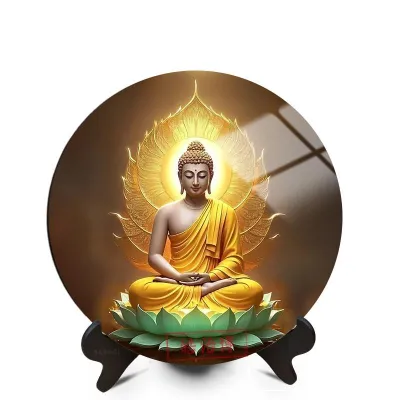
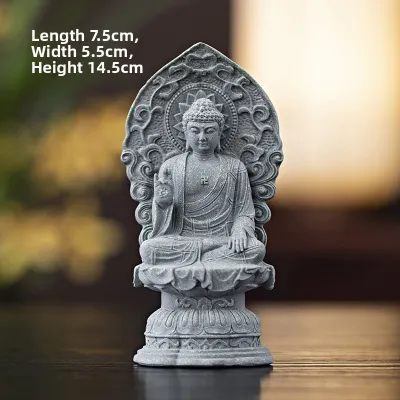
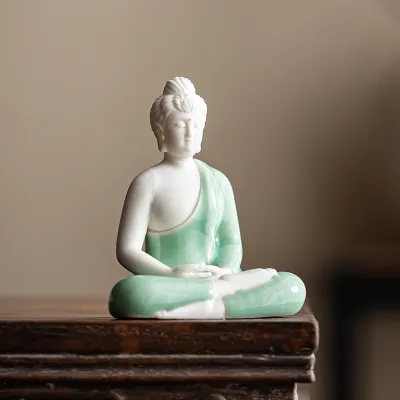
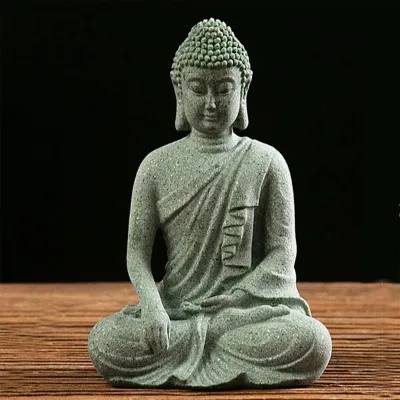
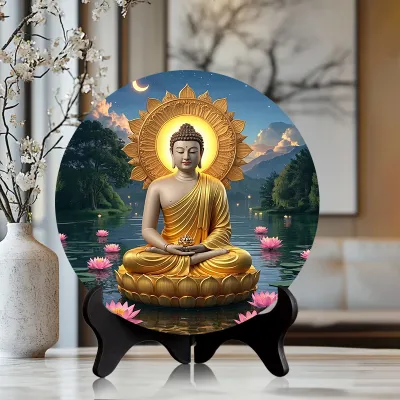
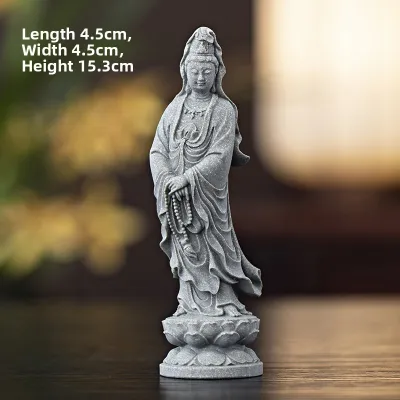
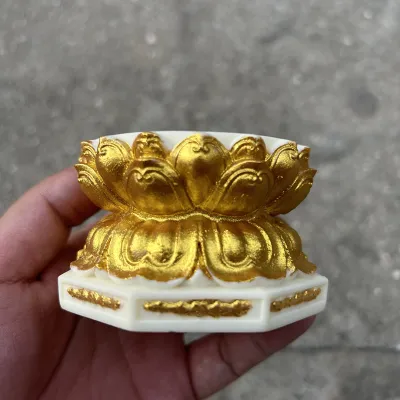
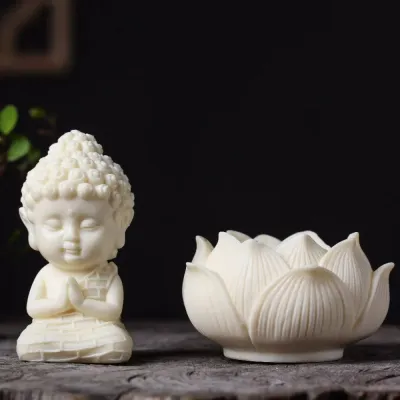
Prices are valid at publication and may change. Please refer to the product page for the latest price.
Certain areas of the home are entirely unsuitable for displaying a Buddha statue due to their functional nature. Bathrooms and toilets must be avoided completely, as these spaces are associated with waste and cleansing, making them highly inappropriate for sacred symbols. Similarly, the kitchen is generally not recommended due to the heat, grease, and smoke generated during cooking, which can degrade the statue over time and disrupt the serene atmosphere. Bedrooms are also traditionally avoided, particularly if the statue faces the bed directly, as the bedroom is a private space associated with sleep and intimacy rather than spiritual contemplation.
High-traffic, noisy, or chaotic zones in the house, such as narrow hallways, entryways directly next to shoe racks, or areas near utility closets, should also be bypassed. These spots do not offer the tranquility required for a respectful display. Instead, look for quiet, clean, and dedicated spaces where the mind can settle. A quiet corner of the living room, a study, or a dedicated meditation room provides the ideal environment. These areas allow the statue to sit in a peaceful atmosphere, free from the constant disruption of household chores or heavy foot traffic.
When selecting a room, consider the direction the statue faces. While specific traditions vary, facing the statue toward the main entrance of the room or toward the east is often preferred, as the east is traditionally associated with the direction of the Buddha’s enlightenment. Ensure the chosen spot is well-ventilated, dry, and free from dampness to preserve the material integrity of the statue over time.
Setting Up a Respectful Display Area
Once you have selected the ideal room, the immediate physical setup around the Buddha statue requires careful planning. Rather than placing the statue directly on ordinary household furniture alongside everyday items, use a dedicated base, pedestal, or altar. This physical separation elevates the statue both literally and symbolically. The pedestal can be made of wood, stone, or metal, but it should be sturdy, clean, and reserved solely for this purpose. Avoid placing keys, loose change, mail, or electronic devices on the same surface as the statue, as mixing sacred symbols with mundane clutter detracts from the respectful atmosphere.

The background and immediate surroundings of the display should remain simple, clean, and uncluttered. Avoid hanging heavy shelves, mirrors, or distracting decorative items directly above the statue, as this can create a sense of pressure or visual chaos. The wall behind the statue should ideally be a neutral, calming color. If you choose to place offerings such as fresh flowers, clean water, or incense near the statue, ensure they are refreshed daily. Wilted flowers or stagnant water should be removed promptly to maintain a clean and vibrant space.
Lighting plays a crucial role in highlighting the statue’s features while maintaining a respectful ambiance. Soft, warm, and indirect lighting is highly recommended to create a serene and contemplative mood. Avoid harsh, direct spotlights that cast deep, aggressive shadows, as well as flashing or multi-colored decorative lights that can trivialize the display. If you plan to install dedicated accent lighting, such as low-voltage LED strip lights or small spotlights, safety and technical compatibility must be your primary considerations.
Before purchasing or installing any lighting fixtures for your display, verify the voltage, base interface, wattage limits, and physical dimensions of the bulbs. In Singapore, ensure that any electrical plug-in devices or adapters carry the appropriate safety certifications, such as the local Safety Mark, to prevent electrical hazards. For any fixed wiring installations, work at heights, or mounting of heavy overhead light fixtures, always isolate the power supply before beginning work and consult a qualified professional electrician. Keep all electrical cords neatly concealed and away from heat sources or water vessels used for offerings to ensure a safe and tidy setup.
Cultural Etiquette and Handling Guidelines
Interacting with a Buddha statue on a daily basis involves specific behavioral norms that reflect physical and spiritual reverence. When moving or adjusting the statue, always use both hands to support it, holding it securely by the base rather than the head or limbs. This physical care demonstrates mindfulness and prevents accidental damage to delicate carvings or finishes. Never step over a Buddha statue, and avoid pointing your feet directly at it when sitting nearby, as the feet are considered the lowest and least clean part of the body in many Asian cultures.
Maintaining the cleanliness of the statue is an ongoing act of respect. Dust the statue regularly using a dedicated, clean microfiber cloth or a soft-bristled brush reserved solely for this purpose. Avoid using harsh chemical cleaners, abrasive polishes, or excessive water, especially on delicate materials like bronze, painted wood, plaster, or gold leaf. For stone or unpainted metal statues, a slightly damp cloth may be used, but always dry the surface immediately afterward to prevent water spots or corrosion. If the statue has intricate details, gently blow away dust or use a soft makeup brush to clean the crevices without applying pressure.
Your personal behavior in the vicinity of the display also contributes to the respectful environment. Refrain from engaging in loud arguments, using offensive language, or participating in disrespectful activities directly in front of the statue. It is also customary to dress modestly when spending time in a dedicated meditation space or altar room, avoiding highly revealing clothing out of respect for the spiritual symbol. By maintaining a calm, mindful demeanor around the statue, you reinforce its role as a source of peace and positive energy in your home.
Navigating Display in a Multicultural Home
In a diverse and multicultural environment, homes often house individuals with varying beliefs, or host guests from diverse cultural backgrounds. Displaying a Buddha statue in a shared household requires open communication and thoughtful spatial planning to prevent cultural friction or misunderstandings. If your household honors multiple religious or cultural traditions, practice respectful spatial separation. Avoid mixing different religious artifacts, deities, or cultural symbols on the exact same shelf or altar level. Instead, give each symbol its own dedicated space, ensuring that no single tradition feels compromised or inappropriately blended.
Communication is key to fostering harmony among family members and visitors. Take the time to explain the cultural and spiritual significance of the Buddha statue to everyone living in the home, including children and domestic helpers. Explain the basic guidelines, such as keeping the area clean and avoiding placing everyday objects on the pedestal. This shared understanding helps prevent accidental disrespect, such as someone placing a set of keys or a cleaning cloth next to the statue.
It is also important to clarify your own intent and mindset regarding the display. There is a meaningful distinction between treating a Buddha statue as a sacred spiritual symbol versus using it purely as a decorative object. Even if you view the statue primarily through an aesthetic or cultural lens, treating it with the same physical respect as a religious practitioner ensures that your home remains welcoming and sensitive to all. Approaching the display with a mindset of appreciation rather than mere consumption helps preserve the dignity of the cultural heritage it represents.
Frequently Asked Questions (FAQ)
Can I place a Buddha statue in my bedroom?
Generally, placing a Buddha statue in a bedroom is discouraged because the bedroom is a private space associated with sleep, dressing, and intimacy, which can conflict with the respectful atmosphere required for sacred symbols. However, if you live in a compact space or a shared apartment where your bedroom is your only private area, you can still display a statue respectfully. In this situation, place the statue on a high shelf or dedicated pedestal well above eye level, ensuring it does not face the bed directly. To maintain respect, you can use a small folding screen, a clean curtain, or a respectful cover to shield the statue from view when you are sleeping or dressing.
Is it disrespectful to display a Buddha statue purely for decoration?
The perspective on using a Buddha statue purely for home decor varies across different cultures and traditions. Many practitioners and cultural observers find the commercialized or trivialized use of sacred images disrespectful, especially when placed in inappropriate locations like bathrooms, bars, or on the floor. However, displaying a Buddha statue out of a genuine appreciation for Buddhist art, philosophy, and peaceful aesthetics is widely accepted if the traditional guidelines of placement are followed. Regardless of your personal beliefs, treating the statue with physical respect—by elevating it, keeping the area clean, and avoiding disrespectful surroundings—ensures that your display remains culturally sensitive and appreciative rather than offensive.
How should I respectfully dispose of or relocate a Buddha statue?
If you no longer wish to keep a Buddha statue, or if it has become damaged beyond repair, it should never be thrown directly into the regular household trash. Doing so is considered highly disrespectful. Instead, consider donating the statue to a local Buddhist temple, a cultural center, or a friend who will appreciate and care for it respectfully. If the statue is severely damaged and cannot be repaired or donated, many traditions recommend consulting a local temple for guidance on proper disposal rituals, which may involve respectful recycling, burial, or a formal decommissioning process conducted by monastics.
Community discussion
Share your experience or ask a question. Comments are reviewed before publication.