
Placing a Guanyin (Goddess of Mercy) statue in a modern Singapore apartment like an HDB flat or a condominium requires balancing traditional spiritual respect with the realities of compact, multi-functional living spaces. The core guidelines center on elevation, cleanliness, and tranquility. By positioning the statue at or above eye level in a clean, quiet area of the home, and ensuring it faces an open, bright direction, you can establish a peaceful sanctuary that honors cultural heritage while seamlessly blending with contemporary interior decor.
Evaluating Your Apartment Layout for a Sacred Space
HDB and condo layouts often feature open-plan living rooms, integrated dining areas, and compact corridors. Finding the right spot requires a careful walkthrough of your floor plan. Look for areas that naturally accumulate less clutter and experience lower foot traffic. The living room is typically the most suitable communal space, provided the specific corner chosen remains serene. Avoid placing the altar near high-activity household chore zones, such as directly next to the washing machine, the ironing board, or the main trash bin, as these areas are associated with domestic labor and waste.
Certain zones are strictly prohibited under general cultural and religious guidelines. Never place a Guanyin statue inside a bathroom, directly facing a toilet door, or sharing a common wall with a toilet. In multi-story apartments like executive maisonettes or penthouses, avoid placing the statue directly under a staircase, as walking over the sacred image is considered highly disrespectful. Bedrooms are also unsuitable because they are private, intimate spaces; displaying a monastic or highly revered deity like Guanyin in a sleeping area conflicts with traditional practices of modesty and reverence.
Products mentioned in this guide
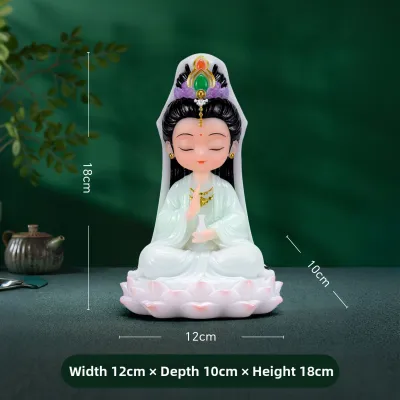
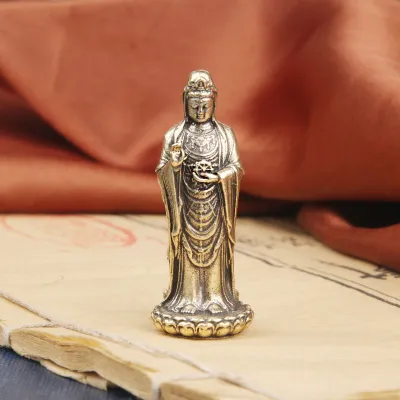
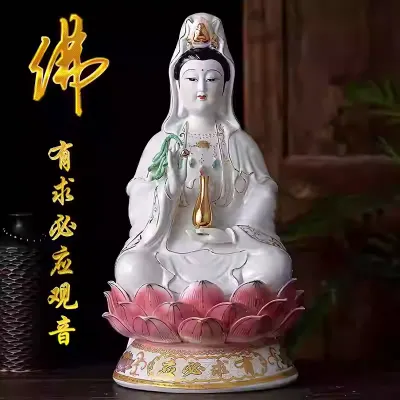
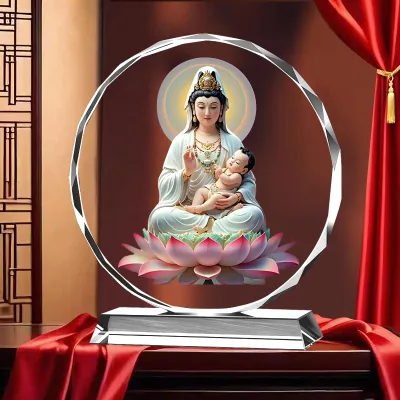
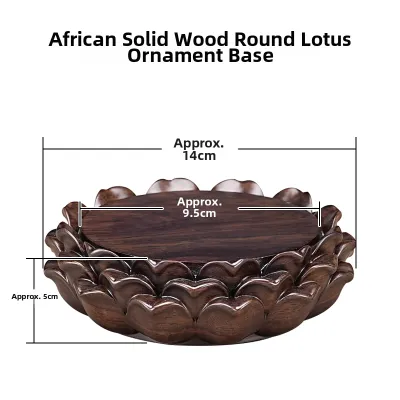
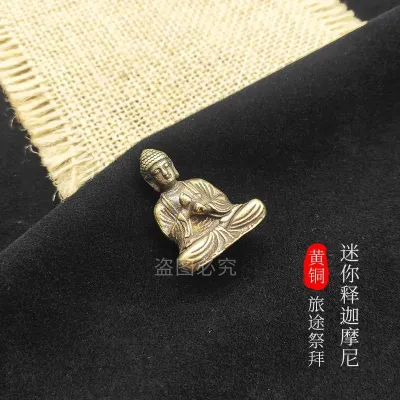
Prices are valid at publication and may change. Please refer to the product page for the latest price.
Before finalizing the location, assess the structural integrity of your furniture. A traditional solid wood altar cabinet offers excellent stability and built-in storage for incense or offerings, but its large footprint can overwhelm a small living room. If you prefer a modern minimalist look, a wall-mounted shelf or a console table can work beautifully. However, you must verify the weight capacity of the wall and the shelf brackets. Concrete walls common in HDB flats provide excellent support when drilled with proper wall plugs, whereas partition drywall in some condos requires locating the studs or using specialized heavy-duty anchors to prevent structural failure.
Determining the Correct Height and Orientation
Elevation is a fundamental aspect of showing respect to a sacred statue. The general rule is that the base of the Guanyin statue should sit at or above the eye level of an average adult standing in front of it. This elevation ensures that anyone approaching the altar looks up slightly, which is a traditional sign of reverence. Placing the statue directly on the floor, on a low coffee table, or below waist height is considered highly inappropriate. If you are using a multi-tiered display, Guanyin should occupy the highest tier, above any ancestral tablets or lower-ranking deities.

Orientation plays an equally vital role in creating a harmonious home altar. Ideally, the statue should face outward toward the main entrance of the apartment or toward a large, bright window that lets in natural light. This positioning symbolizes the deity welcoming positive energy and offering protection to the household. Conversely, avoid orientations where the statue directly faces intimate or mundane activities. For instance, the statue should not look directly at a bed, a dining table where meat is consumed, or a balcony clothes-drying rack draped with laundry.
While these general guidelines apply broadly across many households, specific compass directions and precise placement angles often depend on individual lineage beliefs, feng shui schools, or family traditions. Some families prefer a north-facing orientation, while others prioritize an east-facing setup. If your household adheres to a strict traditional lineage or specific spiritual school, it is highly recommended to stop and consult a knowledgeable elder, a religious advisor, or a professional practitioner before permanently securing the altar.
Designing a Compact Altar and Display Setup
Integrating a sacred space into a modern interior design does not require sacrificing style or spiritual integrity. Start by selecting background materials and colors that evoke a sense of calm and purity. Neutral tones such as soft off-white, warm beige, light oak, or pale grey work exceptionally well. Avoid overly bright, distracting patterns or highly reflective metallic wallpapers directly behind the statue. A clean, matte background allows the form of the statue to stand out as a focal point of quiet contemplation.
In a compact HDB or condo, space is at a premium, making a dedicated, uncluttered surface essential. The altar surface should be reserved exclusively for the Guanyin statue and minimal, meaningful daily offerings, such as a clean cup of water, fresh flowers, or a small incense burner. It must never double as a utility shelf for car keys, loose change, mail, or electronic gadgets. Keeping the surface pristine reinforces the boundary between the sacred and the mundane, ensuring the display remains a dedicated sanctuary.
Lighting is a powerful tool to highlight the beauty of the statue safely and respectfully. Opt for warm, diffused LED spotlights or dedicated low-heat altar lamps that cast a soft, gentle glow. Avoid harsh, high-wattage halogen bulbs that generate excessive heat, as prolonged exposure to high temperatures can warp wooden statues, discolor resin, or crack delicate ceramic glazes. When planning your lighting setup, verify the voltage compatibility of any electronic lamps with the standard 230V system, check the wattage limits of your fixtures, and ensure all electrical components carry recognized safety certifications to prevent fire hazards. For fixed wiring or overhead track lighting installations, always isolate the power source before mounting and consider hiring a qualified electrician to ensure a safe, professional setup.
Daily Upkeep and Cultural Etiquette
Maintaining the physical cleanliness of the Guanyin statue is an ongoing act of devotion and respect. However, cleaning methods must be carefully adjusted based on the statue’s specific material label to avoid accidental damage. For delicate hand-painted ceramic or porcelain statues, a soft, dry microfiber cloth or a clean makeup brush is ideal for dusting. Wooden statues are highly sensitive to moisture and should never be wiped with wet cloths or harsh chemical solvents, which can strip the protective lacquer or cause the wood to swell and split. Metal statues, such as bronze or brass, may require specialized non-abrasive metal polishes, while resin figures can tolerate a slightly damp cloth followed immediately by thorough drying.
Beyond physical cleanliness, maintaining a respectful atmosphere around the display is crucial for a harmonious household. Encourage family members to avoid loud arguments, harsh language, or disruptive behavior near the altar. Keep household pets, particularly curious cats or active dogs, away from the display surface to prevent accidental tipping or damage. Additionally, avoid hanging daily clothes, damp towels, or undergarments near the altar area, as this detracts from the dignity of the sacred space.
There are times when DIY adjustments are no longer appropriate, and professional guidance is required. If the statue is accidentally chipped, cracked, or structurally damaged, do not attempt to patch it with standard household glues that may degrade the material further. Instead, consult a professional restoration specialist or a religious guide. Similarly, if you plan to undergo a major home renovation or need to permanently relocate the altar to another room or a new apartment, seek advice from a knowledgeable elder or spiritual advisor to ensure the transition is conducted with the proper traditional protocols.
Frequently Asked Questions (FAQ)
Can I place a Guanyin statue in the living room if it faces the kitchen?
Yes, it is acceptable to place the statue in the living room even if the kitchen is in its general line of sight, provided there is a clear physical and visual separation. In modern open-concept HDB or condo layouts, direct views into the cooking area—where raw meat is prepared and heavy cooking fumes accumulate—should ideally be minimized. To resolve this, you can use a stylish folding screen, a decorative room divider, or a strategically placed indoor plant to create a soft visual barrier. This maintains the sacred boundary of the altar while keeping your apartment feeling spacious and open.
Is it acceptable to place the statue on a wall-mounted floating shelf?
Yes, a wall-mounted floating shelf is a highly popular and culturally acceptable solution for modern, space-constrained apartments, as it naturally elevates the statue above eye level. While a basic wall-mounted shelf might cost under S$50, ensuring it is anchored correctly is far more valuable than saving on installation costs. Before installation, verify the exact weight of your Guanyin statue and compare it against the maximum load capacity of the shelf and its brackets. Ensure the shelf is securely anchored into a solid concrete wall using high-quality wall plugs and screws. Avoid mounting floating shelves onto thin partition walls or hollow drywalls unless you can secure the brackets directly into the internal structural studs, as a falling statue is both a safety hazard and a highly distressing event.
Community discussion
Share your experience or ask a question. Comments are reviewed before publication.