
During the Hungry Ghost Festival (Zhong Yuan Jie), lighting ritual oil lamps is a deeply rooted tradition. These lamps symbolize light, guidance, and respect for ancestors and wandering spirits. To ensure your rituals remain safe, clean, and respectful, proper handling of the lamp and the selection of high-quality lamp oil (灯油) are paramount. This guide outlines the precise steps to prepare, fill, light, maintain, and extinguish these traditional lighting elements safely, whether you are worshiping indoors or in shared community spaces.
Selecting the Right Lamp Oil and Preparing Materials
Choosing the correct fuel is the most critical decision for a clean and safe burn. Standard retail stores offer various types of lamp oil (灯油), but you must prioritize highly refined, purified mineral-based paraffin oils specifically formulated for ritual use. These specialized oils are designed to burn with minimal smoke and odor, making them much safer for indoor environments than raw fuels. Avoid generic household fuels like kerosene, citronella, or methylated spirits; kerosene produces heavy, toxic black soot and has a lower flashpoint, while citronella is strictly for outdoor insect control and can cause severe respiratory irritation if burned indoors.
Before initiating any ritual, inspect your lamp assembly thoroughly. Examine the reservoir—whether made of glass, ceramic, or brass—for hairline cracks, chips, or slow leaks. Even a microscopic fracture can allow fuel to seep onto your altar surface, creating an invisible pool of flammable liquid that can ignite once the lamp heats up. If you detect any structural compromise, discard the lamp and replace it immediately.
Products mentioned in this guide
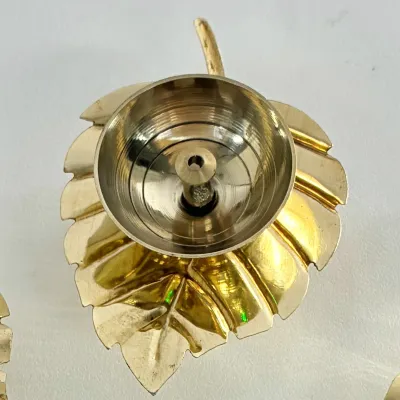
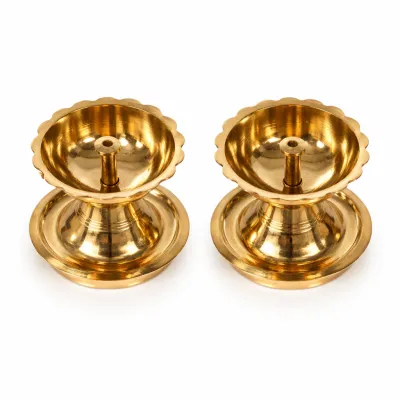
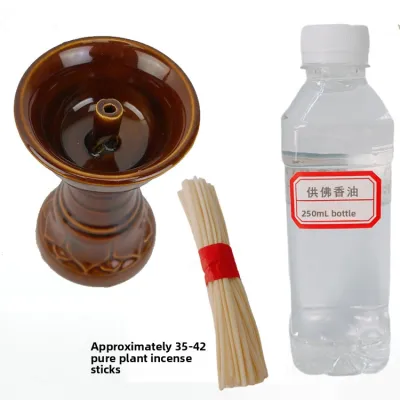
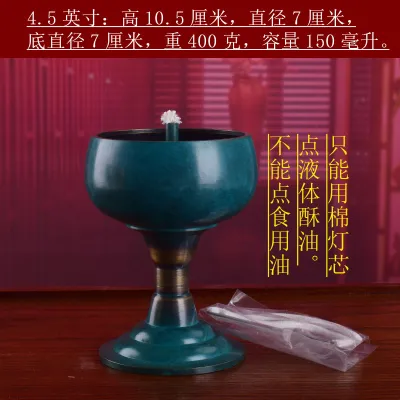
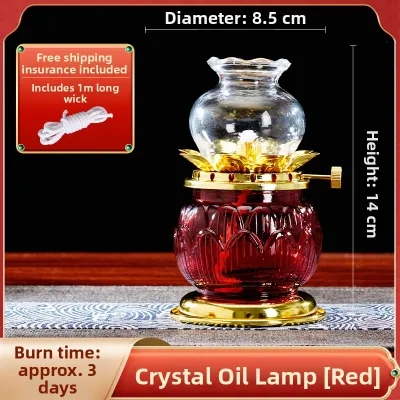
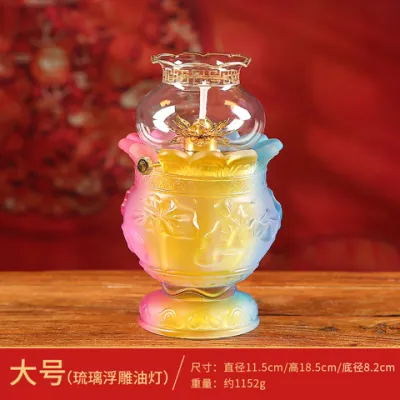
Prices are valid at publication and may change. Please refer to the product page for the latest price.
Next, evaluate the wick. Cotton wicks are traditional and highly absorbent, while fiberglass wicks offer long-lasting durability without burning away. If you are using a cotton wick, check for fraying, decay, or heavy carbon buildup at the tip. Trim away any charred or uneven sections with sharp scissors to ensure a clean, straight edge. A clean cut is necessary for even capillary action, which prevents the flame from sputtering.
Always read the manufacturer labels on both your lamp and the fuel bottle before use. Verify that the oil is explicitly rated for your intended environment (indoor or outdoor) and note any specific safety warnings or ventilation requirements provided by the manufacturer.
Step-by-Step Guide to Filling and Positioning the Lamp
Properly filling and placing your ritual lamp minimizes the risk of accidental spills and flare-ups. Follow this logical sequence to prepare your altar area safely.

- Step 1: Extinguish and Cool. Never attempt to refill a lamp that is currently lit or still warm to the touch. Doing so risks immediate ignition of the fuel vapors. Wait at least 15 to 20 minutes after extinguishing the flame for all glass and metal components to cool completely.
- Step 2: Controlled Filling. Place a small, dedicated plastic or metal funnel into the reservoir opening to prevent spills. Pour the fuel slowly and carefully. Do not fill the reservoir to the absolute brim; leave at least 1.2 cm (about half an inch) of headspace at the top. This expansion space is critical because the fuel expands as the lamp heats up during operation. Overfilling can cause the oil to overflow through the wick holder, creating an external fire hazard.
- Step 3: Prime the Wick. Once the reservoir is filled, insert the wick assembly. Allow the wick to submerge and sit in the oil for at least 10 to 15 minutes before lighting. This priming process ensures that the capillary action draws the fuel all the way to the top of the wick. Attempting to light a dry or partially dry wick will cause the cotton to burn away rapidly, producing thick black smoke and ruining the wick.
- Step 4: Spill Management. Immediately wipe down the exterior of the lamp, the threads of the wick holder, and the surrounding altar surface with a clean paper towel. Any residual oil left on the outside of the lamp will vaporize and ignite when the lamp reaches operating temperature, leading to an uncontrollable flare-up. Dispose of the oily paper towels in an outdoor waste bin immediately.
- Step 5: Safe Positioning. Place the lamp on a heavy, stable, non-flammable base, such as a thick ceramic plate or a metal tray with raised edges. This tray acts as a secondary containment unit in case of accidental leaks. Position the altar setup away from highly combustible items. During the Hungry Ghost Festival, altars are often crowded with paper offerings, joss paper, dry flowers, and loose incense. Keep the oil lamp at least 30 cm away from these items, ensuring that no loose paper can blow into the flame.
Lighting the Lamp and Monitoring the Flame
Once your lamp is safely positioned, lighting and monitoring the flame requires constant vigilance to maintain a steady, clean burn.
To light the lamp, use a long-reach utility lighter or a long fireplace match. This keeps your hands, clothing, and hair at a safe distance from the wick, especially if there are residual vapors around the lamp head. Avoid using short matches or standard pocket lighters, which force your fingers too close to the ignition point.
Adjust the wick height carefully to control the flame. The height of the exposed wick determines the size and temperature of the flame. If the wick is extended too high, it will draw more fuel than it can cleanly combust, resulting in a tall, dancing flame that releases heavy soot, smoke, and carbon monoxide. If the wick is too low, the flame will be weak, flicker constantly, and may drown in its own fuel pool. Adjust the wick so that it exposes only about 1 to 2 millimeters of material, producing a steady, teardrop-shaped, smokeless flame.
Supervision is mandatory. A burning oil lamp must never, under any circumstances, be left unattended. If you must leave the room or the altar area, extinguish the lamp first.
Keep the lamp away from drafts, open windows, ceiling fans, and air conditioning vents. Sudden gusts of wind can cause the flame to flare up, bend horizontally, or carry embers to nearby combustible materials like curtains or hanging incense coils. Ensure that hanging decorations or incense coils are securely anchored and cannot swing into the path of the flame.
Essential Fire Safety Rules for Worship Setups
Different environments present unique fire hazards. Tailor your safety precautions depending on whether you are worshiping inside your home or in shared public spaces.
Indoor Altar Safety
Indoor worship requires careful management of air quality and thermal clearance. Ensure the room has active cross-ventilation by opening windows and doors, allowing any minor combustion byproducts to disperse.
Maintain a strict vertical clearance. Do not place oil lamps directly under low wooden shelves, cabinets, hanging scrolls, or plastic decorative items. The rising column of hot air above an oil lamp can easily scorch or ignite materials several feet above it. Ensure there is at least one meter of clear vertical space above the flame. Keep lamps away from smoke detectors to avoid false alarms, but ensure a working detector is present in the home.
Keep emergency equipment accessible. Always have a fire blanket or a dry powder fire extinguisher rated for Class B (flammable liquid) fires nearby. Ensure all family members know where it is stored and how to use it. Never use water on an oil fire.
Outdoor and Public Housing Corridor Safety
In Singapore, public housing (HDB) estates have specific community safety guidelines managed by Town Councils. When setting up temporary altars in common corridors, you must maintain a clear passage of at least 1.2 meters to ensure residents and emergency services can navigate the corridor safely.
Never place oil lamps directly on the floor of common corridors where they can be tripped over or kicked. Use a sturdy, elevated table or altar stand.
Outdoor environments are subject to sudden wind changes. Always use a glass chimney or a wind guard designed for your specific lamp model. This stabilizes the flame, prevents drafts from blowing hot oil out of the reservoir, and protects the flame from being extinguished prematurely.
Establish a strict stop condition: if weather conditions deteriorate, or if sudden high winds occur, extinguish the lamp immediately. Do not leave outdoor lamps burning overnight or after you have completed your prayers.
Extinguishing and Storing the Lamp After Worship
Safely winding down your ritual is just as important as the setup. Proper extinguishment and storage prevent delayed accidents and preserve your equipment.
To extinguish the lamp safely, use a dedicated metal wick snuffer or gently blow across the top of the chimney from an angle. Never blow directly down into the chimney, as this can force the flame downward into the reservoir or spray hot oil.
Absolutely never use water to extinguish an oil lamp. Water introduced to hot oil will instantly vaporize, causing a steam explosion that splatters burning oil over a wide area, rapidly spreading the fire.
Allow the entire assembly to cool completely. The glass chimney and metal wick holder retain high heat long after the flame is out. Wait at least 30 minutes before touching, cleaning, or moving the lamp.
Store the remaining lamp oil (灯油) in its original, clearly labeled container. Tighten the cap securely. Store the container in a cool, dry, dark cupboard away from direct sunlight, electrical appliances, and any potential heat sources. Keep it entirely out of reach of children and domestic pets to prevent accidental ingestion or chemical burns.
Frequently Asked Questions (FAQ)
Can I use cooking oil instead of ritual lamp oil?
No, you should not use cooking oil as a substitute for formulated lamp oil (灯油). Cooking oils (such as palm, canola, or vegetable oil) have a much higher viscosity and a different flashpoint than refined paraffin lamp oils. Because they are thicker, they do not travel up standard lamp wicks efficiently. This results in incomplete combustion, which produces heavy smoke, strong unpleasant odors, rapid carbon buildup, and clogged wicks, significantly increasing your fire risk.
What should I do if lamp oil spills on the altar?
If a spill occurs, immediately extinguish all nearby open flames, including other lamps, candles, or joss sticks. Use highly absorbent cotton cloths or paper towels to soak up the spilled oil completely. Clean the area with a degreasing dish soap and warm water to remove any residual oily film. Do not relight any lamps or incense until the area is completely dry, free of oil residue, and thoroughly ventilated to disperse any lingering fuel vapors.
Community discussion
Share your experience or ask a question. Comments are reviewed before publication.