
Selecting a rooster figurine for your home involves balancing traditional symbolic intentions with practical interior design principles. In Feng Shui practice, the rooster is often associated with vigilance, protection against negative influences, and the activation of career luck or prosperity. To make an effective choice, you must evaluate not only the symbolic posture of the figurine but also its material composition, physical dimensions, and the safety of its intended placement within your living space.
A well-chosen figurine serves as both a meaningful cultural artifact and a harmonious decorative accent. By focusing on structural quality, material durability, and spatial proportions, you can ensure that your selection enhances your home’s aesthetic while safely fitting into your daily environment.
Assessing Your Space and Feng Shui Goals
Before purchasing a rooster figurine, clarify what you hope to achieve with its presence in your home. Traditional Feng Shui practices attribute different roles to the rooster depending on its design and posture. For instance, a rooster depicted standing tall with a prominent, upright comb is traditionally used to ward off office politics, gossip, or negative energy. Alternatively, a rooster depicted sitting on a bed of coins or gold ingots is chosen to invite wealth, career advancement, and financial stability.
Products mentioned in this guide
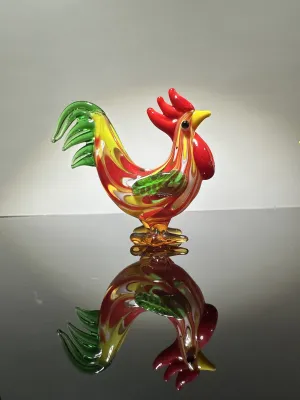
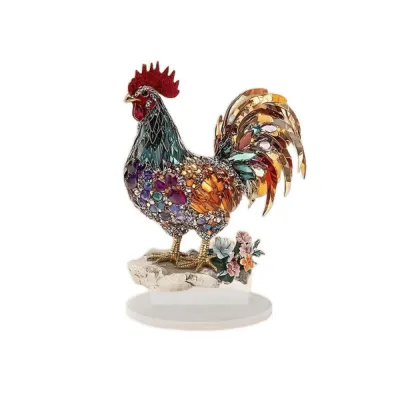
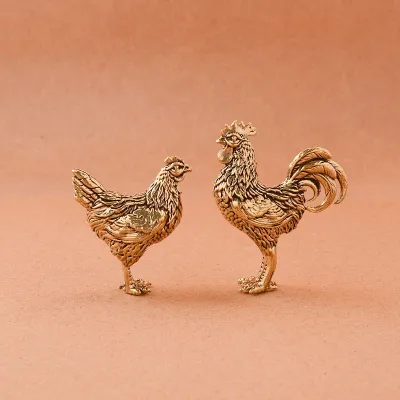
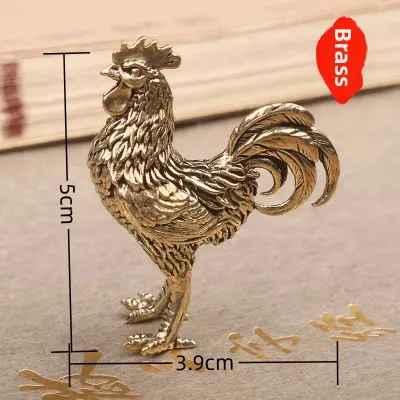
Prices are valid at publication and may change. Please refer to the product page for the latest price.
Next, evaluate the physical spaces where you might display the figurine, such as an entryway console, a living room shelf, or an office desk. Each location presents unique physical constraints, lighting conditions, and visibility levels that will influence your choice. An entryway display requires a design that is highly visible to greet incoming energy, while a desk ornament must be compact enough to avoid interfering with your daily work tasks.
Matching your specific goal with the correct posture is essential before you begin browsing. If your primary concern is protection against external negative influences, look for a vigilant, forward-facing posture. If you are focusing on career growth, a proud, upward-looking stance is more appropriate. Aligning these symbolic details with your spatial realities ensures the figurine serves its intended purpose without cluttering your environment.
Evaluating Materials and Craftsmanship
The material of your rooster figurine affects its durability, weight, maintenance requirements, and how it integrates with your existing decor. Common options include brass, ceramic, resin, and wood, each offering distinct physical properties. Brass is highly durable, heavy, and resistant to shattering, making it a practical choice for high-traffic areas, though it may require occasional polishing to prevent tarnishing. Ceramic offers a classic, refined look with vibrant glazes, but it is fragile and susceptible to chipping or cracking if bumped.

Resin is a versatile and lightweight alternative that can mimic the appearance of metal, stone, or wood while allowing for intricate detailing at a lower weight. However, low-quality resin can degrade or fade if exposed to heat or light. Wood figurines provide a warm, organic texture that fits well in minimalist or contemporary settings, but they must be protected from moisture to prevent warping or cracking.
When examining craftsmanship, pay close attention to the physical details of the figurine. Inspect the prominence and sharpness of the comb, the clarity and definition of the carved or molded feathers, and the flatness of the base. A stable, flat base is critical to prevent the figurine from wobbling or tipping over. Check carefully for manufacturing defects such as uneven paint application, air bubbles in resin, glaze cracks in ceramic, or fragile, thin protruding parts that could easily snap during cleaning or handling.
Sizing and Proportions for Your Room
A common mistake when selecting cultural decor is choosing an item that is either too dominant or entirely lost within the room. To avoid this, measure the designated shelf, table, or floor area before making a purchase. Note the maximum height, width, and depth limits of the space, keeping in mind that you need comfortable clearance around the figurine for dusting and safe handling.
The scale of the rooster figurine should complement, rather than overwhelm, the surrounding decor. In a compact apartment or study, a large, heavy brass figurine can look aggressive and visually crowd the room. Conversely, a tiny figurine placed on a large, expansive sideboard will fail to make an aesthetic impact. Aim for a balanced proportion where the figurine feels like a natural extension of the furniture it rests upon.
Consider the visual weight of the material in relation to your furniture. Heavy materials like solid brass or thick stone require sturdy, stable surfaces that will not bow or scratch under weight. If you plan to place the figurine on a delicate glass shelf or a floating wall ledge, opt for a lighter resin or wood design to ensure structural safety and prevent accidental damage to your shelving.
Placement Conditions and Physical Safety
Ensuring the physical safety of your household and the preservation of the figurine must always take priority over symbolic placement guidelines. Begin by verifying that the chosen surface is completely level, stable, and free from vibrations. Avoid placing heavy or fragile figurines on wobbly side tables, near the edges of high shelves, or in areas where children or pets could easily knock them down.
Environmental conditions also play a major role in preserving the figurine’s finish. Avoid placing materials like wood, resin, or painted ceramic in direct sunlight, as UV rays can cause colors to fade and materials to crack. High-humidity environments, such as bathrooms or areas near kitchen stoves, are unsuitable for metal figurines prone to corrosion or wooden items susceptible to mold and warping. Keep figurines away from direct drafts of air conditioners or heating vents to prevent rapid temperature shifts.
When applying Feng Shui placement concepts—such as positioning the rooster to face an entrance or window to ward off negative energy—always reconcile these ideas with practical traffic flow. The figurine should never block walkways, interfere with the opening of doors, or require you to reach awkwardly to clean around it. A safe, secure placement that respects the physical flow of your home is the true foundation of a harmonious living space.
Pre-Purchase Verification Checklist
Before finalizing your purchase, use this practical checklist to ensure the figurine meets all your physical and aesthetic requirements:
- Verify Seller Policies: Check the retailer's return policy and ask about their packaging standards, especially for fragile ceramic or detailed resin items, to ensure safe transit.
- Confirm Dimensions: Cross-reference the listed product dimensions (height, width, and depth) with the measurements of your designated display area to guarantee a perfect fit.
- Assess Material Specifications: Confirm the exact material composition and weight to ensure your shelving can safely support the figurine.
- Evaluate Design and Finish: Ensure the posture, color, and level of detail align with your specific Feng Shui goals and complement your existing home decor.
Frequently Asked Questions (FAQ)
Does the color of the rooster figurine matter in Feng Shui?
Yes, color choices can influence how the figurine integrates with your space both symbolically and visually. In traditional practices, gold or brass tones are associated with wealth and metal elements, while red or fiery tones represent vitality and recognition. When selecting a color, balance these traditional associations with your room’s existing color palette and lighting. A bright red figurine might clash in a neutral, calming space, whereas a metallic or natural wood finish can blend seamlessly while still fulfilling your decorative and symbolic intentions.
Can I place a rooster figurine in the bedroom?
Generally, placing a rooster figurine in the bedroom is not recommended in traditional Feng Shui. The rooster is considered an active, vigilant symbol associated with high energy (Yang), which can disrupt the quiet, restful environment needed for quality sleep. If you wish to display a rooster figurine, it is usually better to place it in more active areas of the home, such as the living room, entryway, or home office, where its symbolic energy aligns naturally with daily activity and productivity.
Community discussion
Share your experience or ask a question. Comments are reviewed before publication.