
To find the most effective citronella setup for your Singapore home, you must look beyond flashy marketing claims and focus on the science of scent dispersion, ingredient purity, and device safety. Citronella works primarily by masking the human scents—such as carbon dioxide and lactic acid—that attract mosquitoes. Because Singapore’s tropical climate and high humidity create an ideal breeding ground for these insects, choosing the right citronella diffuser or burner requires matching the device’s dispersion method to your specific living environment. Whether you are trying to protect an open-air balcony, a breezy living room, or a sealed, air-conditioned bedroom, understanding how these devices operate will help you make an informed purchase that keeps your home comfortable and safe.
Understanding Citronella Dispersion Methods for Home Use
When selecting a citronella product, the first decision is how the active oil will be dispersed into your living space. The three primary methods available are ultrasonic essential oil diffusers, heat-based wax or oil burners, and traditional incense holders. Each method has distinct mechanical properties, coverage areas, and trade-offs that make them suitable for different areas of a Singapore home.
Ultrasonic diffusers use electronic frequencies to create rapid vibrations in a water reservoir, breaking down a mixture of water and citronella essential oil into a fine, cool mist. This mist is then dispersed into the air by a small built-in fan. Because this process does not use heat, it preserves the chemical integrity of the citronella oil, ensuring that active compounds like citronellal and geraniol remain fully effective. Ultrasonic diffusers are highly adjustable, allowing you to control the mist volume and run time. They are ideal for enclosed, indoor spaces such as bedrooms or study rooms. However, because they rely on water mist, they add moisture to the air. In Singapore’s naturally humid climate, running an ultrasonic diffuser continuously in a poorly ventilated room can lead to excess humidity, which may encourage mold growth on walls or wooden furniture.
Products mentioned in this guide
![[Lemongrass House] Mosquito Repellent Reed Diffuser 120ml - Citronella Geranium Lavender and Orange Peel](https://img.lazcdn.com/g/p/666ccaf8c646f3421700157511f1c56f.jpg_400x400q80.jpg_.webp)
![[Ideal Gift]SHIORA Aromatherapy Series Home Scent Reed Diffuser | 50/100ml/200ml | Essential Oil | Room Perfume | Cedarwood Citronella Lavender Lemongrass Sandalwood Peppermint](https://img.lazcdn.com/g/p/1a642e36894f4469e11652ce3c852217.png_400x400q80.png_.webp)
Prices are valid at publication and may change. Please refer to the product page for the latest price.
Heat-based burners, which include ceramic tea-light burners and electric wax warmers, work by applying direct heat to a mixture of water and essential oil or to a pre-formulated citronella wax melt. The heat causes the active ingredients to evaporate rapidly, creating a highly concentrated and localized scent throw. These burners are excellent for creating a strong barrier of scent in semi-open areas, such as sheltered balconies, patios, or near open windows where drafts would quickly dissipate a cool ultrasonic mist. The primary trade-off is safety; tea-light burners utilize an open flame, which poses a fire hazard if left unattended, near flammable decor, or within reach of children and pets. Electric wax warmers eliminate the open flame but still feature hot surfaces and melted wax that can cause burns if spilled.
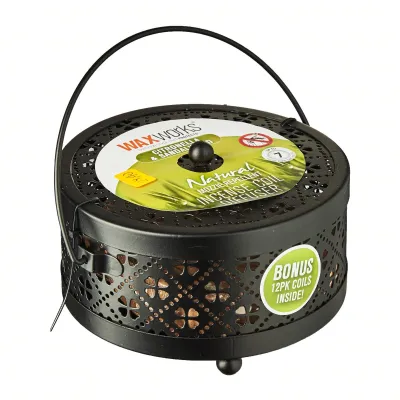
Traditional incense holders and burners represent a third, highly active dispersion method. Citronella incense sticks, cones, or coils are made by mixing compressed plant materials, binders, and citronella oil. When ignited, the incense smolders, releasing both the vaporized citronella oil and particulate smoke into the surrounding air. The physical smoke acts as an additional visual and physical deterrent, carrying the repellent compounds over a wider, drafty area. This makes incense highly effective for outdoor gardens, open-air corridors, or ground-floor patios in Singapore. However, the combustion process releases fine particulate matter and smoke byproducts, making traditional incense unsuitable for enclosed indoor spaces or air-conditioned rooms where the smoke can quickly irritate the respiratory tract.
Key Specifications to Check Before Buying
To ensure your chosen citronella diffuser or burner performs effectively, you must carefully evaluate its technical specifications and product labels before making a purchase. The market is flooded with various aromatherapy products, but not all are formulated or built to serve as effective mosquito deterrents.

The most critical specification to verify is the purity and type of active ingredient. Look for product labels that explicitly state the use of 100% pure citronella essential oil, listing the botanical name Cymbopogon nardus or Cymbopogon winterianus. Many cheaper products on the market are labeled as “citronella-scented” or contain “fragrance oils.” These synthetic formulations are designed purely to mimic the smell of citronella using artificial chemicals. While they may make your home smell pleasant, they lack the natural chemical constituents—specifically citronellal, geraniol, and citronellol—that confuse a mosquito’s sensory receptors. Always check the ingredient list for pure essential oils and avoid products that list generic “fragrance,” “parfum,” or synthetic solvents as primary ingredients.
Next, you must match the device’s output capacity and coverage specifications to the dimensions of your room. For ultrasonic diffusers, this is determined by the water tank capacity (measured in milliliters) and the mist output rate (measured in milliliters per hour). A compact 100ml diffuser typically outputs 15 to 30ml of mist per hour, making it suitable for small rooms of up to 15 square meters. For larger living rooms or open-concept dining areas common in Singapore apartments, you will need a heavy-duty diffuser with a tank capacity of 300ml to 500ml and an output rate of 30 to 50ml per hour to ensure the scent covers the entire space. For incense and candles, check the estimated burn time; a high-quality citronella coil should offer a continuous burn time of 4 to 12 hours, depending on its size, to provide sustained protection during peak mosquito active hours.
Finally, evaluate the power source and safety features of any electrical device. In Singapore, electrical appliances must be compatible with the local 230V, 50Hz power grid. Look for diffusers that come with a safety-certified power adapter or those powered via a standard USB connection, which can be plugged into certified USB wall chargers or portable power banks. Essential safety features for overnight or unattended use include programmable timers (allowing you to set the device to run for 1, 3, or 6 hours) and an automatic shut-off mechanism. The auto-shutoff feature is non-negotiable for ultrasonic diffusers, as it cuts power to the ultrasonic plate the moment the water level drops below a safe threshold, preventing overheating and potential electrical fires.
How to Evaluate Brand Claims and Ingredient Labels
Navigating the aromatherapy market requires a critical eye, as many brands use clever marketing language to exaggerate the efficacy of their products. To find a reliable citronella brand in Singapore, you should look for indicators of transparency, quality control, and regulatory compliance.
Reputable brands are highly transparent about their sourcing and manufacturing processes. A trustworthy essential oil or diffuser brand will readily provide detailed product documentation, such as Safety Data Sheets (SDS) or Gas Chromatography-Mass Spectrometry (GC-MS) testing reports. These documents verify the chemical composition of the oil, proving that it is free from synthetic adulterants, heavy metals, and harmful solvents. When browsing brands, check their official websites or product packaging for these quality assurances. Furthermore, for any electrical diffuser or burner, look for recognized international safety certifications such as CE, RoHS, or FCC, which indicate that the device has undergone rigorous testing for electrical safety, electromagnetic compatibility, and the absence of hazardous materials in its construction.
Be highly skeptical of brands that make absolute or exaggerated claims. Red flags include phrases like “100% mosquito-free guarantee,” “complete protection against dengue,” or any claims suggesting the product can cure or treat medical conditions. Natural citronella is an excellent, low-risk deterrent that masks human attractants, but it does not create an impenetrable physical shield and does not kill mosquitoes on contact. Any brand claiming absolute efficacy is misleading consumers. Reliable brands will frame their products as part of an integrated pest management strategy, emphasizing that their diffusers work best when combined with other preventive measures.
Additionally, cross-reference the manufacturer’s claims with the maintenance and cleaning requirements outlined in the user manual. A high-quality diffuser brand will provide clear, step-by-step instructions on how to clean the device. Because Singapore’s tap water contains minerals that can build up on the delicate ultrasonic plate of a diffuser, regular maintenance is essential to keep the device functioning. If a brand claims its diffuser “never needs cleaning” or fails to provide clear maintenance guidelines, it is likely a low-quality product that will degrade quickly under normal use.
Safe Placement and Operation in Air-Conditioned Rooms
Using citronella diffusers and burners indoors requires careful consideration of safety boundaries, especially in Singapore where many households rely heavily on air conditioning. Proper placement and operation ensure that you maximize the repellent effect while maintaining a healthy indoor environment.
For heat-based burners and traditional incense, safety is paramount. These items must always be placed on stable, heat-resistant surfaces—such as ceramic tiles, stone coasters, or metal trays—well away from flammable materials like curtains, tablecloths, bedsheets, and paper. Never leave a burning candle or smoldering incense unattended. Keep them completely out of reach of children and domestic pets. It is important to note that concentrated essential oils, including citronella, can be highly toxic to pets, particularly cats and dogs, whose livers cannot easily metabolize the active compounds. If you have pets, avoid using high-concentration diffusers in small, enclosed spaces where the animals cannot escape the scent, and never apply the oil directly to their fur or skin.
When operating ultrasonic mist diffusers in air-conditioned rooms, you must manage the balance between humidity and ventilation. Air conditioning naturally dehumidifies the air, which makes the cool mist from an ultrasonic diffuser feel refreshing. However, running a diffuser continuously in a completely sealed, air-conditioned room can lead to localized moisture buildup, particularly on nearby walls, wooden headboards, or electrical outlets. To prevent dampness and potential mold growth, place the diffuser in a central location with good air circulation, at least one meter away from walls and wooden furniture. Avoid running the device continuously for more than a few hours at a time; instead, utilize the interval mist setting if available, or set a timer so the device shuts off after you fall asleep.
Lastly, establish clear stopping conditions for your household. While citronella is generally safe for most people, the inhalation of vaporized essential oils or incense smoke can trigger respiratory irritation, asthma attacks, or allergic reactions in sensitive individuals. If anyone in your home experiences coughing, wheezing, shortness of breath, watery eyes, or skin irritation while the diffuser is running, immediately turn off the device, open all windows to thoroughly ventilate the space, and seek advice from a qualified medical professional.
Navigating Retail Channels and Verifying Authenticity
When you are ready to purchase a citronella diffuser or burner in Singapore, choosing where to buy is just as important as choosing what to buy. The retail landscape offers several options, each with its own advantages and risks regarding product authenticity and customer support.
Purchasing directly from official brand boutiques or specialized home and lifestyle retailers is the most reliable way to guarantee product authenticity. These physical stores allow you to inspect the build quality of the diffusers, smell the essential oils before buying, and speak directly with knowledgeable staff who can explain the warranty terms. If you prefer the convenience of online shopping, stick to official flagship stores hosted on major e-commerce platforms or the brands’ own official websites. Be cautious when buying from third-party sellers on open online marketplaces; while prices may seem attractive, there is a higher risk of receiving counterfeit electrical devices or diluted, synthetic oils that offer no repellent effect.
Before finalizing your purchase online, take the time to verify the seller’s credentials. Check customer reviews specifically for mentions of packaging quality, delivery speed, and product performance. Look for sellers that offer clear return policies and product authenticity guarantees. For electrical diffusers, which typically range in price from S$20 to over S$100 depending on the brand and features, prioritize products that come with a local Singapore warranty. A local warranty (usually covering 6 to 12 months) ensures that if the device experiences an electrical fault or the ultrasonic plate fails, you can easily contact local customer support for a repair or replacement without having to ship the item overseas at your own expense.
Frequently Asked Questions (FAQ)
Can citronella diffusers completely replace chemical mosquito repellents?
No, citronella diffusers cannot completely replace chemical mosquito repellents or physical barriers. Citronella works by emitting a scent that masks the carbon dioxide and lactic acid naturally produced by human skin, making it difficult for mosquitoes to locate you. However, it does not kill the insects or reduce their population. In areas with high mosquito activity or during peak dengue seasons in Singapore, you should use citronella diffusers as a supplementary line of defense. For complete protection, combine them with physical barriers like window mesh screens, magnetic door grates, and EPA-approved topical repellents containing active ingredients like DEET or Picaridin when spending time outdoors or in highly exposed areas.
Is it safe to leave an ultrasonic citronella diffuser running all night?
It is safe to leave an ultrasonic diffuser running overnight only if the device is equipped with an automatic shut-off feature that cuts power when the water reservoir is empty. Running a diffuser without this safety mechanism can cause the ultrasonic plate to overheat, damaging the device and posing an electrical hazard. Even with an auto-shutoff feature, it is best practice to use a timer setting (such as 1, 2, or 3 hours) or an intermittent mist mode rather than continuous 8-hour dispersion. This prevents the indoor air from becoming overly saturated with moisture, which can lead to condensation, dampness, and mold growth on nearby wooden furniture, walls, and bedding in your bedroom.
Community discussion
Share your experience or ask a question. Comments are reviewed before publication.