
Choosing the right Daiyo LED downlights for your home is not a one-size-fits-all decision. Each room in your house serves a distinct purpose, requiring a unique balance of brightness, color temperature, and physical protection. By matching the specific functional needs of your living spaces—such as high-clarity task lighting for kitchens or soft, low-glare warmth for bedrooms—with the technical specifications found on product packaging, you can create a safe, comfortable, and energy-efficient lighting environment.
Quick Guide to Daiyo LED Downlights by Room
To build an effective home lighting plan, you must first understand how different spaces interact with light. A room’s primary activities dictate the ideal light output, beam spread, and color tone. For instance, areas dedicated to focus and safety require crisp, direct illumination, while spaces meant for relaxation benefit from diffused, warm tones.
The following table summarizes the recommended lighting characteristics for the main areas of your home, helping you quickly align your household needs with general product categories:
Products mentioned in this guide
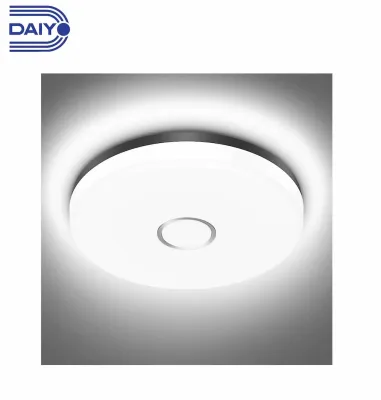
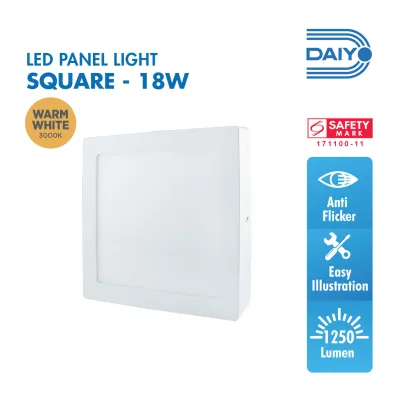
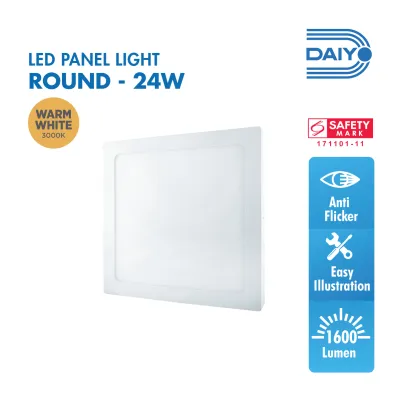
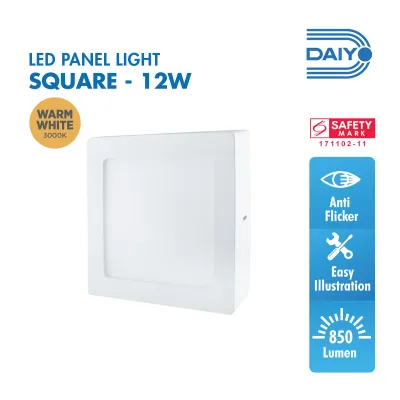
Prices are valid at publication and may change. Please refer to the product page for the latest price.
| Room | Core Lighting Goal | Key Specification Priorities | Recommended Color Temperature |
|---|---|---|---|
| Living Room | Balanced ambiance and general illumination | Wide beam angle, dimmability, high color rendering | Warm White to Neutral White (3000K – 4000K) |
| Kitchen | High-visibility task lighting and safety | Shadow prevention, high lumen output, moisture resistance | Neutral White to Daylight (4000K – 6500K) |
| Bedroom | Restful, low-glare relaxation | Deep-recessed design, low wattage, dimming capability | Warm White (2700K – 3000K) |
| Bathroom | Safe, clear illumination in damp conditions | High Ingress Protection (IP) rating, rust resistance | Neutral White to Daylight (4000K – 6500K) |
Key Specifications to Check on Product Labels
Before purchasing any Daiyo LED downlights, it is essential to interpret the technical details printed on the product packaging. Verifying these specifications ensures that the fixtures are physically compatible with your ceilings and electrically safe for your home’s wiring system.

First, check the voltage compatibility. In Singapore, residential properties typically operate on a 220V–240V electrical grid, so your selected downlights must match this standard to prevent electrical damage. Next, measure your existing ceiling cut-out sizes. Downlights are designed to fit specific hole diameters, commonly ranging from 75mm to 125mm, and choosing the wrong size will result in costly ceiling modifications or loose, unsafe installations.
Additionally, pay close attention to the wattage limits of your existing circuits and drivers. While LED technology is highly efficient and consumes far less power than traditional halogen bulbs, overloading a single circuit with too many fixtures can still trigger safety breakers.
The visual effect of your lighting is determined by color temperature and beam angle. Color temperature is measured in Kelvin (K); lower numbers like 2700K produce a cozy, amber glow, while higher numbers like 6500K emit a bright, blue-white light. Beam angle determines how wide the light spreads. A narrow beam of 24 to 36 degrees is ideal for highlighting artwork, whereas a wide beam of 60 to 120 degrees is necessary for general room illumination.
Finally, look for Ingress Protection (IP) ratings and dimmability symbols. The IP rating indicates how well the fixture resists dust and moisture, which is critical for wet areas. Dimmability symbols confirm whether the downlight can safely interface with wall dimmers without causing annoying flickering or buzzing.
Living Room: Layering General and Accent Lighting
The living room is the central hub of the home, hosting everything from lively family gatherings to quiet movie nights. To accommodate these diverse activities, your lighting design must support both general illumination and relaxed, low-light settings.
For general lighting, select Daiyo LED downlights with wide beam angles. A wider spread of light ensures even coverage across the entire floor plan, eliminating dark corners and preventing harsh, high-contrast shadows. This creates an open, welcoming atmosphere that makes the room feel more spacious.
When choosing a color temperature, consider your interior decor and natural light sources. Neutral white (4000K) is excellent for modern, minimalist designs, as it keeps colors looking clean and vibrant. If your living room features warm wood textures, earth tones, or plush fabrics, warm white (3000K) will enhance these materials, adding a layer of comfort and coziness.
To maximize flexibility, plan for dimmable downlights. Dimmable systems allow you to transition seamlessly from bright daytime activities to a relaxed evening ambiance. However, you must verify that your wall switches are compatible with LED technology. Older dimmer switches designed for high-wattage incandescent bulbs often cause modern LEDs to flicker or hum, so upgrading to a compatible trailing-edge dimmer is highly recommended.
Kitchen: Prioritizing Task Lighting and Safety
Kitchens are high-activity zones where precision, cleanliness, and safety are the top priorities. Preparing meals, handling sharp kitchen tools, and reading recipes require bright, clear illumination that minimizes eye strain and enhances visibility.
For these tasks, prioritize cooler color temperatures such as neutral white (4000K) or daylight (6500K). These ranges provide excellent visual clarity and high color rendering, allowing you to accurately assess the freshness of ingredients and monitor cooking progress on the stovetop.
Strategic positioning is crucial to avoid casting shadows over your work surfaces. Install your downlights directly above the front edges of countertops, kitchen islands, and sinks. If the lights are positioned behind where you stand, your body will block the light, casting deep shadows over your cutting boards and food preparation areas.
Furthermore, address the challenges of steam, grease, and moisture. The areas directly above the stove, range hood, and sink are subject to high humidity and occasional water splashes. Selecting downlights with an appropriate IP rating, such as IP44, protects the internal electronics from moisture ingress, preventing short circuits and extending the lifespan of your fixtures.
Bedroom: Minimizing Glare for a Restful Environment
The bedroom is a private sanctuary dedicated to rest, recovery, and preparation for sleep. The primary lighting goal in this space is to minimize visual stimulation and eliminate harsh glare that can disrupt your body’s natural sleep-wake cycle.
To achieve this, opt for deep-recessed or anti-glare downlight designs. These fixtures house the LED chip deeper within the casing, shielding your eyes from direct contact with the light source. This design is particularly beneficial when you are lying down, as it prevents bright light from shining directly into your field of vision.
Stick to warm color temperatures, ideally between 2700K and 3000K. Warm, amber-toned light mimics the natural progression of sunset, signaling to your brain that it is time to produce melatonin and wind down. Avoid cool, blue-toned lights in the bedroom, as they can trick your body into thinking it is still daytime, making it harder to fall asleep.
Carefully plan the layout of your bedroom downlights. Avoid placing fixtures directly above the headboard or pillow area. Instead, position them along walkways, in front of wardrobes to help you see your clothes, or near reading chairs, directing the light only where it is functionally needed.
Installation Safety and Professional Boundaries
Working with residential electrical systems carries inherent risks, making safety protocols and professional boundaries essential considerations for any home improvement project.
Before inspecting, removing, or replacing any downlight, always turn off the main power supply at your home’s circuit breaker. Never rely solely on the wall switch, as electrical current can still run through the wiring. Use a reliable, non-contact voltage tester to confirm that the wires are completely dead before proceeding with any physical contact.
Recognize when a task exceeds safe DIY limits. While replacing a simple plug-and-play LED bulb or a compatible modular downlight is manageable for many homeowners, any work involving fixed wiring alterations, cutting new holes in the ceiling, or modifying structural supports must be performed by a licensed professional electrician. This ensures compliance with local safety standards and prevents hazardous wiring mistakes.
Finally, ensure adequate heat dissipation clearance above your ceiling. Although LED downlights are highly efficient, they still generate heat at the back of the fixture. Covering downlights directly with ceiling insulation without a proper protective barrier can trap this heat, leading to premature component failure or posing a serious fire hazard. Always refer to the manufacturer’s instructions to maintain the required clearance space.
Frequently Asked Questions (FAQ)
Can I use the same Daiyo LED downlight model for every room?
Using a single downlight model throughout your entire home is generally not recommended because different rooms have vastly different lighting requirements. A kitchen demands bright, cool-toned task lighting to ensure safety during food preparation, while a bedroom requires soft, warm, low-glare illumination to promote relaxation. Furthermore, standard downlights designed for dry living areas lack the moisture-resistant IP ratings required for bathrooms or areas near kitchen sinks, making a uniform approach both impractical and potentially unsafe.
How do I know if my existing dimmer switch is compatible with new LED downlights?
To determine compatibility, check the downlight packaging or user manual for a list of approved dimmer switches or specific technology requirements, such as trailing-edge dimming. Older dimmer switches designed for high-wattage incandescent bulbs are generally incompatible with low-wattage LEDs, often causing flickering, buzzing, or a severely limited dimming range. If your existing switch is outdated, consult a qualified electrician to replace it with a modern LED-compatible dimmer.
Community discussion
Share your experience or ask a question. Comments are reviewed before publication.