
Setting up a burning barrel and organizing offerings for the Hungry Ghost Festival (Zhong Yuan Jie) at a Housing & Development Board (HDB) void deck requires a thoughtful balance of cultural devotion, community respect, and safety. In Singapore’s high-density residential estates, the seventh lunar month is marked by traditional rituals to honor transient spirits. Properly executing these rituals ensures that your offerings are presented respectfully while minimizing fire hazards, smoke nuisance, and damage to shared public property. To achieve this, you must understand local Town Council rules, select an appropriate micro-location, inspect your burning equipment, and manage both the fire and subsequent cleanup with care.
Check Void Deck Rules and Safety Boundaries First
Before bringing any burning equipment down to a shared public space, you must verify the current guidelines established by your local Town Council and the National Environment Agency (NEA). Regulations regarding joss paper burning are updated periodically to balance religious practices with public health and environmental cleanliness. Different HDB estates have specific bylaws, and staying informed prevents unnecessary disputes or penalties.
Many modern HDB estates provide fixed, designated joss paper burners—often large, red or green metal containers or concrete structures—situated at ground level. In many sectors, using a personal burning barrel at the void deck itself is strictly restricted to designated zones, or may even be prohibited if central burners are provided nearby. You must check if your specific block allows personal barrels or if you are required to use the communal burners situated further away from the building facade.
Products mentioned in this guide
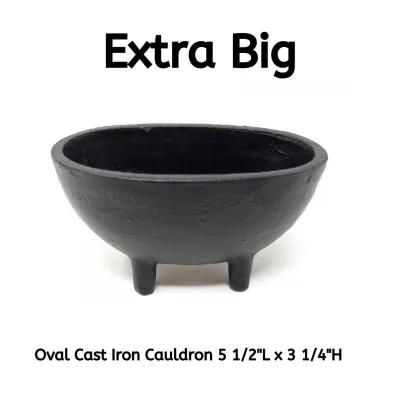
Prices are valid at publication and may change. Please refer to the product page for the latest price.
Safety boundaries in shared residential spaces require keeping all active fires away from immediate hazards. Your setup must never obstruct fire-fighting equipment, dry rubbish chutes, or electrical installations. Maintaining clear pedestrian access is equally vital; void decks serve as daily thoroughfares for residents, including wheelchair users, the elderly, and young children. Additionally, you must consider how smoke and ash will travel, particularly to avoid aggravating neighbors who suffer from asthma or other chronic respiratory conditions.
If you find that the designated burning areas in your estate are unclear, or if there are conflicting signs regarding the use of personal containers, stop your setup immediately. Do not guess or assume that any open space is acceptable. Instead, contact your local Town Council office or consult with your neighborhood’s Residents’ Committee (RC) to clarify the approved zones for your specific block before lighting any fire.
Prepare Your Burning Barrel and Offering Materials
If personal burners are permitted in your designated estate zone, you must select and prepare a safe, structurally sound burning barrel. A proper burning barrel is typically constructed from heavy-duty galvanized iron or stainless steel to withstand high combustion temperatures. It should feature a stable, wide base or integrated tripod legs to prevent tipping over on uneven ground, and it must include a secure lid or a wire mesh spark screen to contain flying embers.

Before transport, conduct a thorough physical inspection of your burning barrel. Look closely for signs of severe rust, structural warping, or thinning metal at the bottom. Small holes or cracks in the base can allow hot coals and liquid wax to leak onto the public floor, creating a severe fire hazard and leaving permanent burn marks. If the structural integrity of the barrel is compromised, replace it immediately rather than attempting a temporary patch.
Gather and organize your offering materials systematically before heading down to the void deck. Standard ritual items include joss paper, incense sticks (joss sticks), red candles, and food offerings such as fruits, Huat Kueh, or rice. To ensure a smooth process, pre-sort your joss paper so that it can be fed into the barrel efficiently without needing constant adjustment near the hot flames.
Safety preparation must also include having extinguishing agents immediately on standby. Always bring a bucket filled with water or dry sand, or keep a small domestic fire extinguisher within arm’s reach of your burning site. This precaution allows you to react instantly to unexpected flare-ups, flying sparks, or sudden shifts in wind direction that could threaten surrounding property.
Position the Burning Barrel Safely in the Void Deck
Physically positioning your burning barrel requires identifying a safe micro-location within the allowed burning zone. You must scan the immediate area for overhead and ground-level hazards. Never place the barrel directly beneath low-hanging tree branches, dry shrubbery, or clothes drying racks. Ensure there is a safe clearance distance of several meters from parked vehicles, electrical riser boxes, and main pedestrian walkways.
The ground surface beneath your barrel must be completely non-flammable and level. Solid concrete or paved stone floors are the only acceptable surfaces. Never place an active burning barrel on grassy patches, artificial turf, or wooden decking, as the intense heat radiating from the bottom of the metal container can easily scorch or ignite these materials.
To protect the public floor from extreme heat and stubborn ash stains, you should use a fireproof mat or place a thick, even layer of dry sand directly beneath the barrel. High temperatures from direct metal-to-concrete contact can cause concrete spalling, where the surface cracks and pops violently. A protective barrier preserves the shared infrastructure and makes the post-ritual cleanup significantly easier.
Before lighting the fire, assess the local wind direction and strength. Void decks often act as natural wind tunnels, accelerating air currents through the open ground floor of HDB blocks. Position your barrel so that the prevailing wind carries smoke, ash, and heat away from residential windows, common corridors, and active pedestrian pathways. If the wind is swirling unpredictably, you may need to adjust the barrel’s position slightly or wait for the wind to subside.
Arrange the Altar and Surrounding Offerings
Setting up your temporary altar and arranging the surrounding offerings requires a clear spatial separation from the active fire zone. Your offering table, folding stand, or ground mat must be positioned at a safe distance—ideally at least two to three meters—from the burning barrel. This physical gap prevents flying sparks or intense radiant heat from accidentally igniting your unburned joss paper or decorative items.
Lightweight offering materials are highly susceptible to sudden gusts of wind, which can blow them directly into the active fire or scatter them across the void deck. Secure all items by using heavy, stable holders for your incense sticks and candles. If you are placing stacks of joss paper on your altar before burning them, weigh them down using clean stones, metal paperweights, or heavy food containers to keep them from drifting away.
When arranging food and drink offerings, place them upwind of the burning barrel. This logical positioning ensures that the food remains free from falling ash and heavy smoke contamination, keeping the presentation respectful and clean. Keep food containers covered as much as possible to prevent attracting local birds, stray animals, or pests during the course of your prayers.
Finally, ensure that the path between your offering table and the burning barrel is completely free of tripping hazards. Void decks can be dimly lit at night, and carrying stacks of paper while navigating loose items, bags, or water buckets increases the risk of accidents. Keep the immediate walking zone clear and organized to maintain a safe, calm environment for everyone participating in the ritual.
Manage the Fire and Clean Up Properly
Active fire management is critical to preventing uncontrolled flare-ups and minimizing smoke pollution. When burning joss paper, add the sheets in small, controlled batches rather than dumping large stacks into the barrel at once. Overloading the barrel restricts airflow, resulting in incomplete combustion, excessive dark smoke, and sudden, dangerous bursts of flame when oxygen suddenly enters the container.
Never leave an active fire unattended for any reason. A sudden gust of wind can tip a burning barrel or carry hot embers onto nearby dry grass or vehicles. Keep children and pets at a safe distance of several meters from the burning area to prevent accidental contact with the hot metal surface or flying sparks.
Once your prayers are complete, you must ensure the fire is entirely extinguished before leaving the site. Embers inside a metal barrel can smolder silently for hours, posing a recurring fire risk. Slowly douse the remaining ashes with water or smother them completely with dry sand. Stir the mixture carefully with a metal tool to confirm that no hot spots remain at the very bottom of the barrel.
Proper cleanup of the shared void deck space is a vital civic responsibility. Once the ashes have cooled completely, bag them securely along with any leftover food offerings, candle stubs, and incense holders. Dispose of all waste in the designated green HDB rubbish bins rather than leaving them on the ground, which attracts pests and compromises estate hygiene. Finally, use a damp cloth or broom to wipe down any ash residue or water stains left on the concrete floor, leaving the public area clean and welcoming for your neighbors.
Frequently Asked Questions (FAQ)
Can I use my own burning barrel at any HDB void deck?
No, rules regarding personal burning equipment vary significantly across different Town Councils in Singapore. Many estates strictly mandate the use of centrally provided, eco-friendly joss paper burners to minimize fire hazards and air pollution. You must check with your specific Town Council or Residents’ Committee before bringing your own burning barrel to the void deck.
What should I do if it gets very windy or starts raining during the ritual?
If strong winds occur, immediately stop adding paper to the fire and place the secure lid or wire mesh spark screen over your burning barrel to trap flying embers. If heavy rain begins, do not attempt to rush the burning process. Safely extinguish the fire using water or sand, cover your offerings, and retreat to a dry area to avoid slips, burns, or creating a smoldering, highly smoky mess in wet conditions.
Community discussion
Share your experience or ask a question. Comments are reviewed before publication.