
Setting up a home altar for the Hungry Ghost Festival requires a thoughtful balance of cultural tradition, spatial organization, and modern home safety. During the seventh lunar month, many households prepare a dedicated prayer cabinet to pay respects to wandering spirits and ancestors. Arranging this sacred space correctly ensures that your rituals are conducted with the utmost respect while keeping your living environment clean, organized, and secure. By choosing the right location, preparing traditional offerings, and implementing smart lighting and fire safety practices, you can create a harmonious setup that honors age-old customs without compromising your home’s safety.
Preparing Your Prayer Cabinet and Surrounding Space
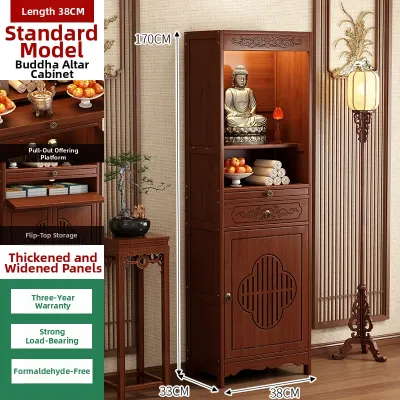
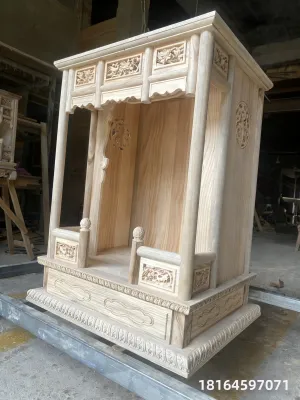
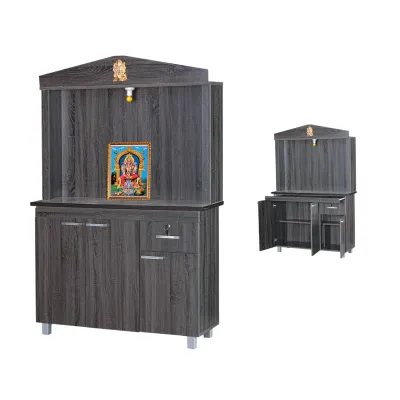
Before placing any offerings or decorations, you must select the ideal location for your prayer cabinet. The cabinet should stand in a stable, respectful area of the home, away from high-traffic zones where it could be accidentally bumped or disturbed. Avoid placing the altar directly under structural overhead beams, as this is traditionally believed to create heavy, oppressive energy. Additionally, ensure the cabinet does not share a wall with a bathroom, face a toilet door, or sit directly adjacent to household waste bins.
Proper ventilation is another critical factor when choosing your setup location. If you plan to burn traditional incense, select a spot near a window or in a well-ventilated room where smoke can disperse easily, preventing it from accumulating indoors and triggering smoke detectors or causing respiratory discomfort.
Products mentioned in this guide
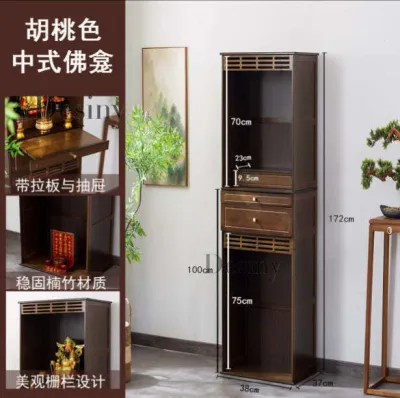
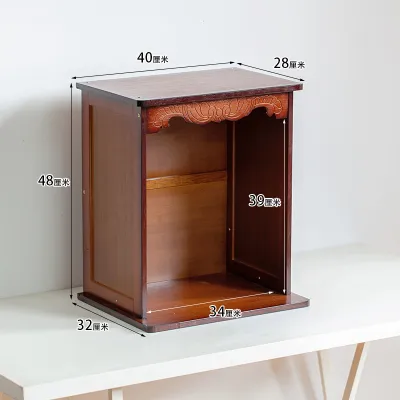
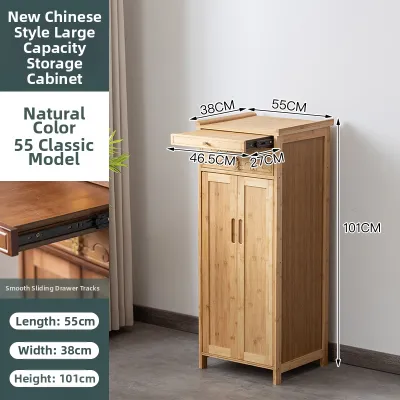
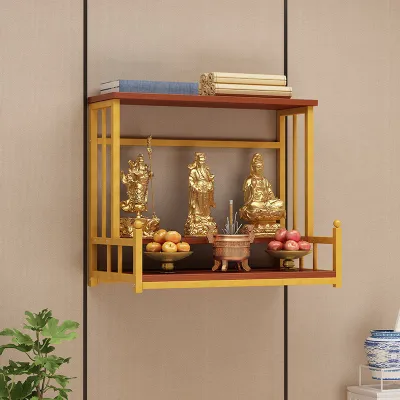
Prices are valid at publication and may change. Please refer to the product page for the latest price.
Once you have established the location, perform a deep cleaning of the prayer cabinet. Empty the cabinet entirely and use a dedicated, clean microfiber cloth reserved solely for this purpose. Avoid using harsh chemical cleaners or highly scented detergents that could damage the wood, lacquer, or paint of the cabinet. Instead, use warm water or a specialized mild wood cleaner to gently wipe down all surfaces, removing dust, wax residue, and old incense ash from previous rituals. This physical cleaning serves as a symbolic purification of the space, preparing a fresh, respectful environment for the upcoming festival.
Finally, inspect the physical and structural integrity of the setup. Check that the cabinet shelves are sturdy and can support the weight of heavy ceramic or brass incense burners, fruit plates, and decorative items. If you plan to use electric prayer lamps, examine the nearby electrical wall sockets. Ensure the outlets are in good condition, free from dust, and situated at a safe distance from where water or tea offerings will be placed.
Essential Offerings and Decorations for the Altar
Decorating your prayer cabinet for the Hungry Ghost Festival involves selecting items that carry deep traditional significance. The aesthetic foundation begins with the altar cloth, typically in vibrant red or yellow, which are auspicious colors that signify respect and solemnity. You can also hang embroidered banners (‘zhuo wei’) or position small, non-flammable paper lanterns and lotus-themed decorations around the cabinet to frame the altar beautifully. These decorative elements help define the sacred boundaries of the prayer space.

Daily and special offerings are placed on the altar to show hospitality to the visiting spirits. Fresh fruits are essential components of these offerings. Select round, fresh fruits such as apples, which symbolize peace, and oranges, which represent prosperity. Avoid using fruits with sharp thorns, such as durians, or those with highly pungent odors that could overpower the scent of the incense. Alongside the fruit, prepare simple vegetarian dishes, bowls of dry white rice, small cups of Chinese tea, and clean water. These food offerings should be fresh and replaced regularly throughout the festival period.
To conduct the rituals, you will need high-quality incense sticks, joss paper, and candles or oil lamps. Opt for low-smoke or smokeless incense sticks if you live in a modern apartment, as this helps maintain indoor air quality while preserving the ritual’s essence. Joss paper, while an essential part of the festival, should only be stored near the cabinet; actual burning must always take place outdoors in designated metal burners or communal burning bins provided around residential estates.
It is important to acknowledge that specific offerings and decorative layouts can vary significantly based on your family’s background. Buddhist, Taoist, and general folk practices each have unique requirements and interpretations of the ritual. For instance, Buddhist altars strictly feature vegetarian items and avoid any meat or alcohol, while some folk traditions may include a wider variety of food offerings. Always prioritize and follow your household’s established customs and ancestral lineages when finalizing your selection of offerings.
Step-by-Step Guide to Arranging the Prayer Cabinet
Arranging the items on your prayer cabinet in a logical, structured sequence ensures a balanced and visually respectful altar. Start by laying down your altar cloth or protective heat-resistant mat. Smooth out any wrinkles and make sure the cloth covers the surface evenly. Ensure that the edges of the cloth do not hang too low where they could be easily snagged by passing family members or pets, which could accidentally drag the entire altar setup to the floor.
Next, position the central focal point of your altar. Place your deity statues, ancestor photos, or name tablets at the very back and center of the cabinet. If your prayer cabinet does not have built-in tiers, you can use stable wooden or acrylic risers to elevate these sacred objects. Elevating the focal point ensures they remain prominent and visible behind the various food and drink offerings that will be placed in front of them.
Once the focal point is secure, arrange the food and drink offerings. Place the plates of fresh fruit and vegetarian dishes symmetrically in front of the elevated statues or tablets. Directly in front of the food plates, set up a neat, straight row of tea and water cups. Traditional setups often use three or five cups of each. Maintaining a symmetrical and uncluttered layout not only looks respectful but also reduces the risk of items tipping over when you reach across the cabinet to light incense.
Finally, set up your ritual tools at the very front of the prayer cabinet. Place the main incense burner in the exact center of the frontline, making it easily accessible. Position your candle holders or prayer lamps symmetrically on either side of the burner. Before lighting anything, verify that there is adequate clearance above the burner and candles. There should be at least 50 to 60 centimeters of unobstructed space between the top of the burning incense sticks or candle flames and the upper shelves or ceiling of the cabinet to prevent heat damage, discoloration, or fire hazards.
Lighting Choices and Fire Safety for Home Altars
Lighting is a central element of any prayer cabinet, but it requires careful management to prevent domestic hazards. When selecting prayer lamps, modern households face a choice between traditional wax candles, oil lamps, and LED alternatives. While traditionalists may appreciate the authenticity of a real flame, LED prayer lamps are highly recommended for home interiors, especially within enclosed wooden cabinets. LED lamps provide a consistent, warm amber glow that mimics real flames without producing heat, soot, or smoke, making them incredibly safe for homes with curious pets or young children.
If you choose to use electric or plug-in LED prayer lamps, electrical safety must be your top priority. Ensure that all electrical lighting products carry recognized local safety certifications, such as the Safety Mark in Singapore, which guarantees the device has been tested for electrical safety. Verify that the voltage of the lamps matches your household supply (typically 230V). Inspect the power cords thoroughly for any signs of fraying, cracking, or exposed wires. Avoid overloading your wall sockets by plugging too many devices into a single outlet; instead, use a high-quality, surge-protected power strip and route the cables neatly behind the cabinet, far away from water cups or liquid offerings.
For those who prefer to burn traditional wax candles or oil lamps, managing open flames safely is paramount. Ensure the room is well-ventilated to prevent smoke buildup, but keep the prayer cabinet completely free from direct drafts. Strong drafts from open windows, air conditioning vents, or ceiling fans can cause flames to flicker violently, flare up, or blow hot ashes and embers onto nearby flammable decorations like paper banners or altar cloths.
To maximize fire prevention, always place a sturdy, non-combustible barrier—such as a metal tray, ceramic tile, or tempered glass mat—underneath your incense burners and candle holders. This barrier will catch any falling hot ash or dripping wax, protecting your wooden cabinet from scorch marks. Most importantly, establish a strict safety rule in your household: never leave open flames unattended, and always extinguish all candles and oil lamps completely before leaving the house or going to sleep.
Daily Upkeep and Post-Festival Cleanup
Maintaining your prayer cabinet throughout the Hungry Ghost Festival requires consistent, daily attention to keep the space clean and respectful. Refresh your food offerings every morning to prevent them from spoiling or attracting pests such as ants, flies, and rodents. Pour out the old tea and water, rinse the cups thoroughly, and refill them with fresh liquids daily. Depending on your household’s specific beliefs, you can either consume the offered fruits and non-perishable foods after the ritual or dispose of them respectfully if they have sat out for too long.
Managing incense ash is another essential daily task. As the lunar month progresses, ash will accumulate in your burner. To prevent it from spilling over, gently scoop out the excess ash using a small, dedicated spoon once it has cooled completely. Avoid blowing on the ash or clearing it with your bare hands, as this creates messy dust clouds that can irritate your lungs and scatter microscopic, hot embers onto nearby surfaces. Keep the area immediately surrounding the burner wiped clean with a damp cloth.
When the Hungry Ghost Festival draws to a close at the end of the seventh lunar month, you must conclude the rituals by returning the prayer cabinet to its standard state. Carefully remove all temporary decorations, paper banners, and seasonal items. Wipe down reusable brass burners, candle holders, and deity statues with a dry cloth to remove any lingering soot or dust, then wrap them in clean paper or cloth and store them in a dry cupboard for the following year. Safely dispose of any temporary paper tablets or single-use decorative items. Finally, give the entire prayer cabinet a thorough wipe-down, leaving it clean, organized, and ready for your regular daily prayers.
Frequently Asked Questions (FAQ)
Can I set up a prayer cabinet in an apartment with limited space?
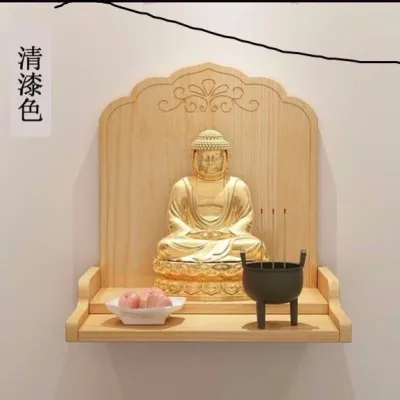
Yes, you can easily adapt a prayer cabinet setup for smaller living spaces, such as compact apartments. Instead of a large, freestanding cabinet, consider using a sturdy wall-mounted shelf or a compact, multi-tiered tabletop prayer altar. These smaller options allow you to maintain the essential layout of your altar without consuming valuable floor space. When space is limited, it is even more critical to keep the altar clutter-free and ensure there is ample vertical and lateral clearance around your incense burner to prevent smoke damage and heat buildup near your walls or ceiling.
What should I do if my incense ash falls outside the burner?
If you notice incense ash consistently falling outside the burner, it is usually caused by poor indoor airflow, low-quality incense sticks that bend excessively as they burn, or strong drafts from nearby fans and air conditioning units. To resolve this, start by placing a wider, fireproof silicone or metal tray beneath your incense burner to catch any stray ash safely. Next, check the room’s ventilation and adjust the direction of your fans or vents so they do not blow directly toward the altar. You may also want to switch to high-quality, straight-burning incense sticks that produce more structured, less flaky ash.
Are LED candles acceptable for Hungry Ghost Festival rituals?
Yes, LED candles and electric prayer lamps are widely accepted and increasingly common in modern households. While traditional practices favor the natural light of wax candles or oil lamps, contemporary religious teachers and community elders agree that the sincerity of your intent and prayers is far more important than the physical light source. Utilizing LED alternatives significantly reduces fire risks, eliminates indoor air pollution from soot, and keeps your wooden prayer cabinet safe from heat damage, making them an excellent and respectful choice for modern urban living.
Community discussion
Share your experience or ask a question. Comments are reviewed before publication.