
Setting up an oil lamp prayer for the Hungry Ghost Festival (Zhong Yuan Jie) at home is a time-honored tradition that brings light, warmth, and guidance to wandering spirits and ancestors during the Seventh Lunar Month. To prepare this ritual safely and respectfully in a modern home, you must arrange the altar systematically, select the correct fuel, and maintain strict fire safety protocols. By understanding the placement of your oil lamps, the sequence of lighting, and the proper maintenance of the wicks, you can carry out your family’s prayers with peace of mind.
Understanding the Role of Oil Lamps in Hungry Ghost Festival Worship
During the Hungry Ghost Festival, which falls during the seventh month of the lunar calendar, the gates of the spiritual realm are believed to open, allowing spirits to visit the living world. Within Chinese Taoist and Buddhist traditions, the oil lamp prayer serves as a literal and symbolic beacon. The flame represents the light of wisdom and compassion, illuminating the path for wandering souls (often referred to as “good brothers” or Hao Xiong Di) and guiding deceased ancestors back to the family altar.
The continuous or daily burning of these lamps is an expression of ongoing respect, hospitality, and spiritual connection. In traditional belief, a dark altar is cold and unwelcoming, whereas a bright, warm flame signals that the living descendants are actively remembering and offering comfort to those who have passed on. This light is thought to ease the suffering of souls in the lower realms, offering them temporary respite and a sense of peace.
Products mentioned in this guide
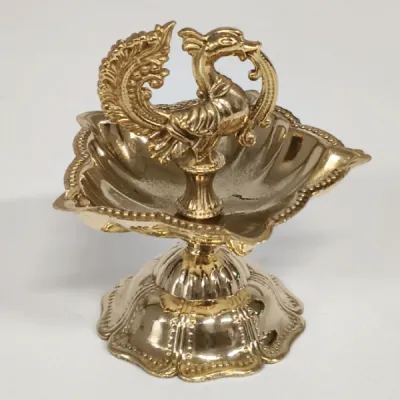
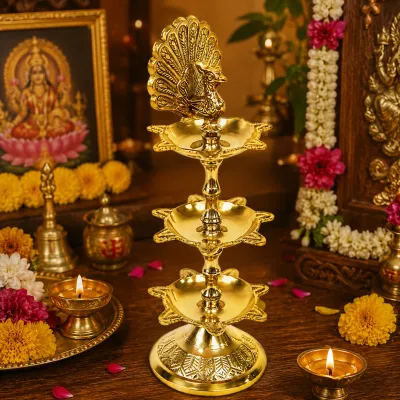
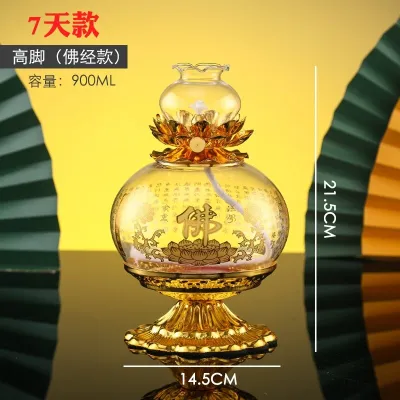
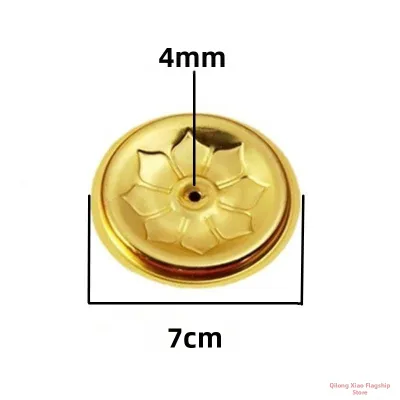
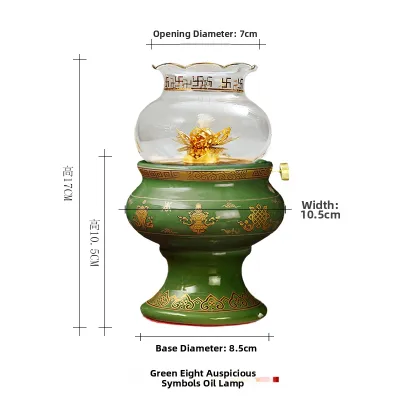
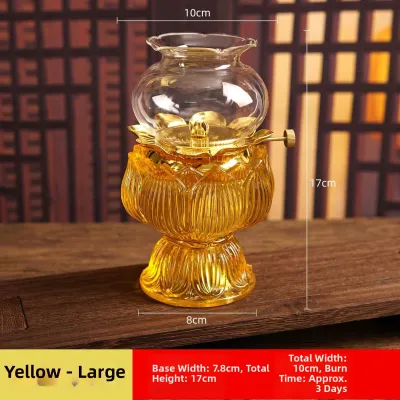
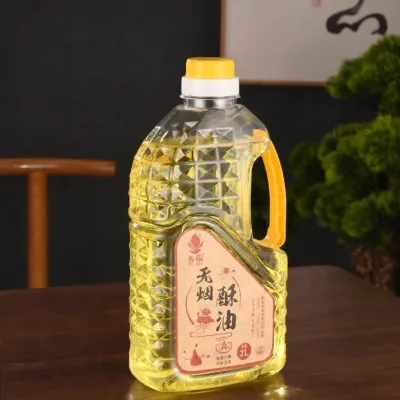
Prices are valid at publication and may change. Please refer to the product page for the latest price.
While these core concepts of light and guidance are widely shared across many communities in Singapore, specific ritual details often vary. Different dialect groups—such as Hokkien, Teochew, Cantonese, or Hakka—and individual family lineages may have their own unique customs regarding the number of lamps, the specific days to light them, or the types of prayers recited. It is highly encouraged to respect and prioritize your own household’s established traditions, adapting them safely to your contemporary living environment.
Essential Materials and Fire Safety Preparations
Before beginning any ritual involving open flames, gathering the correct materials and establishing a secure environment is paramount. Traditional oil lamp prayer setups require high-quality components designed specifically for ceremonial use.

Materials Checklist
To set up your lamps, you will need:
- Traditional oil lamps: Typically crafted from brass, ceramic, or heavy glass, these vessels must have a stable, wide base to prevent tipping.
- Appropriate lamp oil: High-quality, plant-based oils such as peanut oil, sesame oil, or commercially prepared, non-toxic ritual mineral oils are preferred.
- Cotton wicks: Standard braided cotton wicks or pre-assembled wick holders with floating discs.
- Ignition source: Matches or a long-reach utility lighter to keep your hands at a safe distance from the wick.
- Stable altar table: A sturdy, level surface that will not wobble or shake.
Fire Safety Boundaries
Operating open flames inside a modern residential home, particularly in high-rise apartments, requires strict adherence to safety protocols. Always place your oil lamps on a flat, heat-resistant, and completely non-combustible surface. Placing a ceramic tile, a metal tray, or a thick glass slab underneath the lamps provides an excellent barrier against heat transfer and accidental oil drips.
Hazard Prevention
Position your altar and lamps far away from drafty areas, such as open windows, air conditioning vents, or fans, which can cause the flames to flicker wildly or blow embers. Keep a safety perimeter of at least one meter around the lamps, ensuring they are well clear of curtains, hanging paper offerings (such as joss paper), dry floral arrangements, and any flammable liquids. Additionally, ensure the altar is situated in a low-traffic zone where children, elderly family members, or household pets cannot accidentally bump into it.
Emergency Readiness
Never leave a burning oil lamp entirely unattended. If you must leave the room or go to sleep, extinguish the flame first. Always keep an emergency kit nearby, consisting of a certified fire extinguisher suitable for grease or oil fires (Class B), a bowl of dry sand to smother small oil flare-ups, or a damp fire blanket. Never throw water directly onto a burning oil fire, as this will cause the hot oil to splatter and spread the flames rapidly.
Step-by-Step Guide to Arranging the Altar and Oil Lamps
A well-organized altar reflects sincerity and ensures that the physical elements of your prayer do not interfere with safety. Preparing the space step-by-step creates a harmonious environment for your Hungry Ghost Festival worship.
Altar Preparation
Begin by thoroughly cleaning the altar area. Dust the surfaces, wipe down deity statues or ancestor tablets with a clean, damp cloth, and clear away any old incense ash or dried flower petals. If you are setting up a temporary altar specifically for the Seventh Month prayers, ensure the table is structurally sound. Position the statues of deities or ancestor photographs at the back of the altar, elevated slightly if traditional custom dictates, to keep them central and respected.
Lamp Positioning
In traditional Chinese altar layouts, symmetry is key to maintaining energetic balance. Place your oil lamps symmetrically on the left and right sides of the main incense burner or the central deity image. From the devotee’s perspective looking at the altar, the left lamp represents the sun (Yang) and the right lamp represents the moon (Yin). Ensure both lamps are aligned parallel to each other and set slightly forward from the statues, but behind the primary offering plates, to allow easy access for lighting and adjustment.
Wick and Oil Preparation
If using traditional cotton wicks, thread the wick through the metal wick holder or adjust the floating wick holder so that only a small portion (approximately 2 to 3 millimeters) of the wick extends above the holder. This prevents the flame from burning too high or producing excessive soot. Fill the lamp reservoir with your chosen prayer oil, leaving at least a one-centimeter gap below the rim. Overfilling the reservoir is a common mistake that leads to oil expanding as it heats, causing hazardous spills and flare-ups. Allow the cotton wick to soak in the oil for at least five to ten minutes before lighting to ensure the fuel has fully saturated the fibers.
Offering Arrangement
Arrange your food offerings—such as fresh fruits, traditional cakes (huat kueh), tea cups, rice bowls, and vegetarian dishes—neatly in front of the incense burner and lamps. Ensure that none of these items block the path of the lamps or cast long, obstructive shadows over the deity or ancestor tablets. Keep lightweight items like plastic packaging, paper plates, or loose joss paper well away from the open flames of the lamps to eliminate any risk of them catching fire from a sudden draft.
Lighting Sequence and Traditional Prayer Rituals
The act of lighting the lamps is a sacred transition that marks the beginning of the prayer ritual. Approaching this step with mindfulness and a steady hand ensures both spiritual efficacy and physical safety.
Lighting the Lamps
When you are ready to begin the prayer, light your matches or utility lighter. According to common Taoist and Buddhist customs, you should light the left lamp first (representing the Yang energy or the dragon side of the altar), followed immediately by the right lamp (representing the Yin energy or the tiger side). However, always defer to your family’s specific lineage instructions if they practice a different sequence. Once lit, observe the flames for a moment. If a flame is too large or smoking, immediately adjust the wick height down using a small, metal tool to achieve a steady, golden, and smokeless glow.
Incense and Offerings
With the oil lamps burning steadily, you can proceed to light your joss sticks or incense coils. Hold the incense sticks with both hands, light them from the flame of the oil lamps (or a separate lighter if preferred by your household custom), and bow respectfully three times before placing them into the central incense burner. Once the incense is secured, present your food and tea offerings mentally or through spoken prayers, inviting your ancestors or the wandering spirits to partake in the feast.
Prayer Etiquette
During the Hungry Ghost Festival, maintaining a calm, quiet, and respectful demeanor is essential. Avoid rushing through the steps, shouting, or making loud noises near the altar. Speak your prayers clearly, expressing gratitude to your ancestors and wishing peace for the wandering spirits. This mindful approach fosters a tranquil atmosphere, reflecting the true compassionate intent of the festival.
Troubleshooting the Flame
If a lamp begins to flicker excessively, spit, or produce black smoke during your prayer session, do not attempt to adjust it with your bare fingers or blow on the flame. Instead, use a pair of long metal tweezers or a specialized brass wick pick to gently nudge the wick down or trim away any charred carbon buildup. If the flame remains unstable, safely extinguish it using a snuffer, let the lamp cool completely, and inspect the oil level or wick quality before relighting.
Post-Prayer Safety and Lamp Maintenance
Properly concluding your prayer session and maintaining your equipment ensures that your future rituals remain safe, clean, and respectful.
Safe Extinguishing
When it is time to put out the lamps, never blow directly onto the flame. Blowing on an oil lamp can cause hot, liquid oil to splash onto your face, the altar, or nearby flammable offerings. It can also damage or fray the delicate cotton wick. Instead, use a dedicated metal wick snuffer to deprive the flame of oxygen, or use a metal tool to gently submerge the lit tip of the wick into the oil reservoir for a split second before pulling it back up.
Cleaning and Storage
Once the lamps have completely cooled to room temperature, inspect the surrounding altar for any oily residue. Wipe away any oil spills or drips immediately using a microfiber cloth and a mild, grease-cutting soapy water solution. Uncleaned oil can attract dust, create sticky, unsightly stains on your altar, and present a slipping hazard if it drips onto the floor.
Wick Maintenance
Before your next prayer session, check the condition of the cotton wicks. Use a pair of sharp scissors to trim away any charred, black bulbous ends (often called “snuff” or “carbon mushrooms”). Trimming the wick to a clean, flat edge ensures that the next time you light the lamp, it will burn with a bright, steady, and smokeless flame without sputtering.
Storage
If you do not plan to light the lamps daily, store your remaining lamp oil, spare wicks, and unused accessories in a cool, dry, and dark cupboard. Keep them far away from direct sunlight, electrical appliances, or any potential heat sources to prevent the oil from degrading or posing a spontaneous combustion risk. Ensure all oil bottles are tightly sealed and clearly labeled to avoid accidental ingestion or misuse by other household members.
Frequently Asked Questions (FAQ)
Can I use electric or LED oil lamps instead of real fire?
Yes, electric or LED oil lamps are highly popular and widely accepted alternatives in modern households, especially for those living in high-rise apartments with strict fire safety regulations, active pets, or young children. From a spiritual perspective, the core of the Hungry Ghost Festival practice is sincerity (cheng) and respect; modern Buddhist and Taoist teachers agree that safe, flameless alternatives do not diminish the merit of your prayers. If you choose electric options, ensure they carry recognized local electrical safety certifications (such as the Enterprise Singapore SAFETY Mark for power adapters) to prevent electrical short circuits on your altar.
What type of oil is traditionally used for these lamps?
Traditionally, pure, plant-based culinary oils like peanut oil or sesame oil were used because they burn cleanly and carry a pleasant, natural aroma. Today, many families prefer specially formulated, highly refined liquid paraffin or mineral-based prayer oils, which are designed to minimize smoke and soot production. You must strongly avoid using highly volatile chemicals, kerosene, gasoline, alcohol, or undiluted essential oils in your lamps. These substances have incredibly low flashpoints and can cause violent explosions, severe toxic fumes, or uncontrollable fires.
How long should the oil lamps remain lit during the festival?
The duration for keeping lamps lit varies significantly based on household preference and lifestyle. Some traditional families attempt to keep the lamps burning continuously throughout the entire Seventh Lunar Month or during the specific fifteen days of the festival, which requires constant monitoring and regular oil top-ups. However, for safety reasons in modern homes, it is highly recommended to light the lamps only during active prayer sessions or during the evening hours when family members are awake and present in the room. Always extinguish all open flames before going to sleep or leaving the house.
Community discussion
Share your experience or ask a question. Comments are reviewed before publication.