
To properly set up the Guardian deity (known as Da Shi Ye or the Face of the Ghost King) on your Hungry Ghost Festival altar, you must place the figure at the outermost edge or the very front of your altar setup, facing directly outward toward the street or open space. This specific positioning allows the deity to monitor wandering spirits, maintain order, and ensure that offerings are distributed fairly. Setting up this altar requires careful attention to ritual hierarchy, spatial orientation, local municipal guidelines, and safety practices.
By following correct placement rules and safety protocols, you can maintain a respectful environment that honors cultural traditions while protecting your physical surroundings. Whether you are setting up a temporary altar for a commercial space, a residential estate, or a private home, understanding the spatial and ritual requirements of the Guardian deity is essential for a compliant and harmonious festival period.
Understanding the Role of the Guardian Deity
During the Hungry Ghost Festival, which takes place during the seventh lunar month, the gates of the spiritual realm are believed to open, allowing wandering spirits to enter the physical world. The Guardian deity, Da Shi Ye, serves as the chief inspector and protector of the altar space. His primary responsibility is to govern these visiting spirits, preventing chaotic behavior and ensuring that the food, drink, and joss paper offerings are distributed equitably among them. His fierce, wrathful appearance—often depicted with blue or green skin, large horns, and a protruding tongue—is designed to command authority and subdue rowdy entities.
Products mentioned in this guide
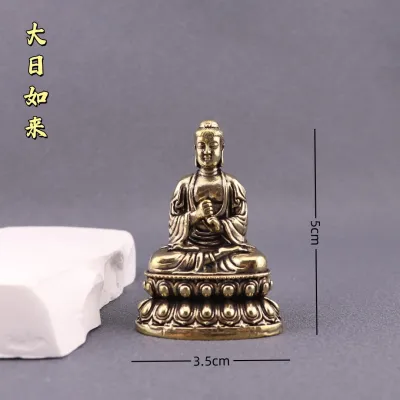
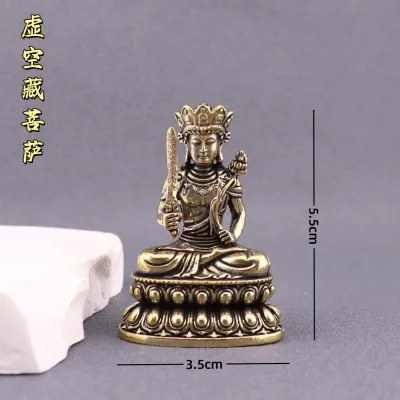
Prices are valid at publication and may change. Please refer to the product page for the latest price.
Because of this protective and authoritative role, the placement of the Guardian deity differs significantly from that of standard benevolent deities or ancestors. While benevolent deities are placed in positions of quiet honor facing inward to bless the household, the Guardian deity is positioned as a frontline sentinel. He active monitors the boundary between the sacred altar space and the public domain, acting as a barrier against spiritual disruption.
While general customs regarding the Ghost King are widely shared across various communities, specific sectarian, dialect group, or family traditions can vary. Some traditions view Da Shi Ye as an manifestation of Guan Yin (the Goddess of Mercy) in a wrathful form, which is why a small image of Guan Yin is often placed on the head of the paper effigy. Because of these nuanced differences, you should always defer to your local temple, clan association, or a qualified ritual master for precise doctrinal requirements that align with your specific lineage.
Preparing Your Altar Space and Materials
Before assembling your altar, you must gather the core materials required for the setup. The central element is the Guardian deity figure itself, which is commonly a large paper-mâché or joss paper effigy, though smaller clay or wooden statues are sometimes used for private indoor altars. In addition to the figure, you will need a sturdy table or altar stand, dedicated incense burners, candles or certified electronic lighting, and specific offerings such as raw meat, uncooked rice, tea, liquor, and seasonal fruits.

Space selection is a critical step that depends on your specific environment. In Singapore, these altars are commonly set up in commercial spaces, industrial estates, or communal areas such as HDB void decks and designated estate zones. The environment dictates the scale of your setup; large paper-mâché effigies are best suited for spacious outdoor communal areas, while smaller, compact representations are more appropriate for private properties.
Safety and administrative compliance must be verified before any physical assembly begins. If you are setting up an altar in a public or communal space, always check with the local Town Council, municipal authorities, or estate management guidelines. You must obtain the necessary permits for temporary structures, ensure that the altar does not block fire escape routes, pedestrian walkways, or tactile paving, and use only the designated burning areas provided by the estate for joss paper and effigy send-offs.
If your altar setup includes nighttime illumination, floodlights, or decorative electric candles, you must conduct a thorough electrical safety check. Verify that all cables, sockets, and lighting fixtures are rated for outdoor use and carry recognized electrical safety certifications. Ensure the total wattage of your lighting does not overload your temporary power source, and protect all electrical connections from dampness or sudden tropical downpours by placing them in IP65-rated weatherproof enclosures. For complex outdoor wiring, always engage a licensed electrical worker to handle the installation.
Step-by-Step Placement and Orientation Guide
Positioning and Facing Direction
The physical positioning of the Guardian deity is the most critical aspect of the altar setup. The figure must be placed at the very front of the altar setup or at the outermost edge of the designated ritual space. This positioning establishes the deity as a vanguard, standing between the offerings and the open area where wandering spirits gather.
The orientation of the figure must always face outward, looking away from the altar, the home, or the business interior. The deity should look directly toward the street, open field, or courtyard. This outward-facing direction allows the Guardian deity to monitor incoming spirits and maintain a clear line of sight over the public domain. Never orient the figure to face the interior of a building or the main deities on a permanent home altar, as this is considered highly disrespectful and contradicts his role as an outward-facing protector.
In terms of spatial layout, the Guardian deity acts as a shield for the offerings. The food, joss paper, and secondary altars should be placed behind or directly to the sides of the Guardian deity’s line of sight. You must ensure there is a clear, unobstructed path directly in front of the figure, allowing him to survey the area without physical barriers blocking his gaze.
Avoid the common mistake of placing the Guardian deity in the center of a main deity tier or behind the primary food offerings. Putting him behind other items symbolically limits his authority and hinders his ability to police the spiritual gathering. Keep him at the frontline of the entire arrangement.
Height and Hierarchy Rules
Maintaining proper vertical hierarchy on your altar is essential to show correct ritual respect. The height of the Guardian deity’s head or the top tier of his effigy should generally not exceed the physical height of the primary benevolent deities (such as Guan Yin, Tua Pek Kong, or the Earth God) if they are placed on the same altar setup. Benevolent deities represent a higher spiritual order and should always occupy the highest or most central elevated positions at the back of the altar.
Because large paper-mâché effigies of Da Shi Ye are lightweight and top-heavy, structural stability is a major practical concern, especially in Singapore’s breezy outdoor environments. You must secure the figure to a heavy, stable base. Use discreet weights, sandbags, or secure wire ties to anchor the paper structure to the altar table or support frame. This prevents sudden gusts of wind from tipping the effigy over.
Ensure that the table or altar stand itself is level and placed on solid ground. The figure must remain perfectly upright and dignified throughout the festival period. A leaning, tilted, or fallen deity figure is considered highly inauspicious and represents a breakdown in ritual order. If weather conditions cause the figure to shift, immediately and respectfully adjust it back to a secure, upright position.
Daily Offerings and Ritual Etiquette
Interacting with the Guardian deity throughout the Hungry Ghost month requires a disciplined approach to offerings and daily etiquette. When lighting incense, you must follow a strict sequence of respect. Offer incense to the main benevolent deities first to acknowledge their supreme status, followed by the Guardian deity, and finally to the wandering spirits, whose offerings are typically placed on a lower, separate table or directly on the ground.
The offerings presented to the Guardian deity are traditionally more robust and specific than those given to peaceful deities. While benevolent gods are offered sweet fruits, tea, and flowers, the Guardian deity is often presented with hearty offerings. These commonly include plates of raw or cooked meats, cups of Chinese rice wine or traditional liquor, uncooked rice, and tea. These substantial items reflect his role as a powerful, active protector who requires strength to manage the spiritual crowds.
Daily maintenance of the altar space is a practical demonstration of respect. You must keep the area around the Guardian deity clean and free of accumulated ash, windblown debris, or stagnant water. Replace wilted flowers and spoiled food offerings promptly to prevent pests and maintain a dignified appearance. If you use traditional wax candles or oil lamps, monitor them closely and never leave them burning unattended, especially near the highly flammable paper effigy.
Maintaining proper behavioral boundaries around the altar is equally important. Avoid pointing fingers directly at the Guardian deity’s face, as pointing is considered rude in both social and spiritual contexts. Refrain from taking casual, disrespectful, or intrusive photographs of the altar, and ensure that children do not play, run, or shout near the ritual space. Treat the area with the same quiet decorum you would accord to a formal court of law.
Safe Disposal and Concluding the Rituals
At the conclusion of the prayer period or the end of the Hungry Ghost Festival, the ritual space must be dismantled through a formal “sending off” ceremony. This process involves returning the Guardian deity to the spiritual realm, which is traditionally achieved by respectfully burning the paper effigy. Because these effigies can be very large, managing this step safely is paramount.
Strict fire safety protocols must be observed during the burning process. You must use only the designated, approved burning bins, wire mesh burners, or concrete incinerators provided by the local Town Council or estate management. Never burn large paper effigies in open, uncontained ground spaces, near dry grass, under low-hanging trees, or close to parked vehicles and residential building facades.
Before lighting the fire, ensure you have safety equipment readily available, such as a fire extinguisher or buckets of water. Never leave the burning site unattended. Stand by the bin until the fire has completely died down and there are no active embers that could be carried by the wind onto nearby structures.
When dismantling the altar, follow a systematic sequence. First, remove all reusable items, plates, and food offerings from the table. When handling the paper effigy, fold or compress the structure gently and respectfully rather than tearing it aggressively. Place the paper figure into the burning bin in manageable sections to prevent sudden, uncontrollable flare-ups that can release dangerous amounts of heat and flying ash. Once the ritual is complete, clean the physical area thoroughly, sweeping up any stray ash or debris to leave the communal space clean and safe for the public.
Frequently Asked Questions (FAQ)
Can the Guardian Deity be placed indoors?
Large paper-mâché effigies of the Guardian deity are designed specifically for outdoor or semi-open communal spaces, such as HDB void decks or open fields, where they can directly face the wandering spirits. Placing these large, temporary paper structures inside a standard residential home is not recommended due to space constraints, ventilation issues, and fire hazards. However, if you wish to honor the Guardian deity indoors, you may use a small, permanent wooden or ceramic statue. If space constraints require a temporary indoor setup, consult a local ritual master to establish the necessary purification steps and spatial boundaries.
What if the paper figure gets damaged by rain or wind?
Because Singapore experiences sudden tropical downpours and strong winds, outdoor paper effigies can occasionally sustain physical damage. If your Guardian deity figure is affected by the weather, do not panic; physical wear from natural elements is a practical issue rather than a spiritual curse. Carefully dry the damp areas of the figure, and use clear tape or glue to respectfully repair minor tears. If the paper effigy is severely destroyed or structurally compromised beyond repair, consult a local temple or ritual master for guidance on the proper protocol to respectfully retire the damaged figure and transition to a replacement.
Community discussion
Share your experience or ask a question. Comments are reviewed before publication.