
Spotting a genuine Chok Dee Thai amulet requires a systematic inspection of its physical craftsmanship, verification of the seller’s documentation, and cross-referencing the item with official temple records. Because these sacred objects carry deep spiritual significance and can command high prices, counterfeiters frequently produce mass-market replicas that lack both the consecration of a temple blessing and the material quality of an authentic piece. By examining mold sharpness, checking for specific temple marks, and demanding clear provenance, you can protect your investment and ensure your Buddhist decor holds genuine spiritual value.
Understanding the Risks of Counterfeit Thai Amulets
The market for religious and cultural decor has seen a significant rise in the availability of Thai amulets, particularly those associated with “Chok Dee” (good luck and fortune). Unfortunately, this popularity has also driven a massive influx of mass-produced replicas across various online marketplaces and physical shops. These replicas are often manufactured in commercial factories rather than consecrated in sacred temple ceremonies, meaning they lack the spiritual dedication that practitioners seek.
Acquiring an unauthorized decorative copy instead of an authentic temple-issued amulet carries profound spiritual implications for practitioners. In Thai Buddhist tradition, an amulet is not merely an aesthetic ornament; it is a sacred object blessed by revered monks through specific rituals and prayers. A counterfeit item is devoid of this spiritual foundation, serving only as a hollow imitation that fails to honor the traditions it represents.
Products mentioned in this guide
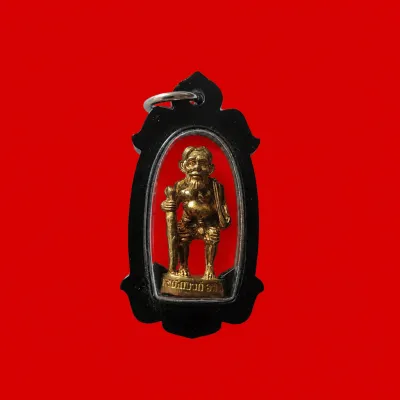
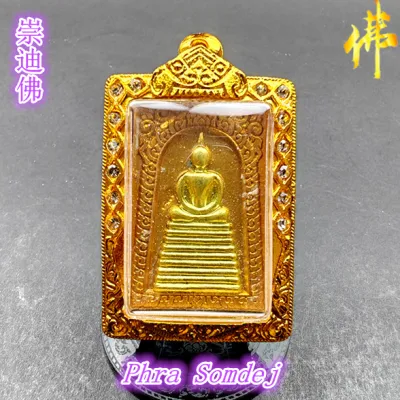
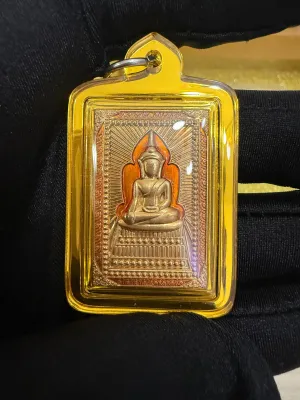
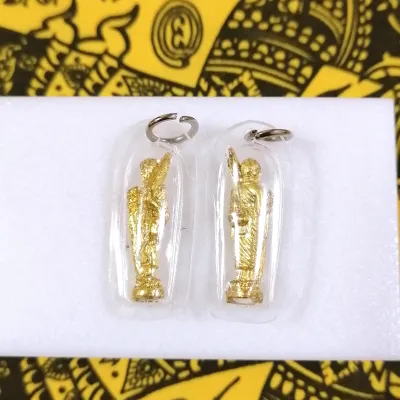
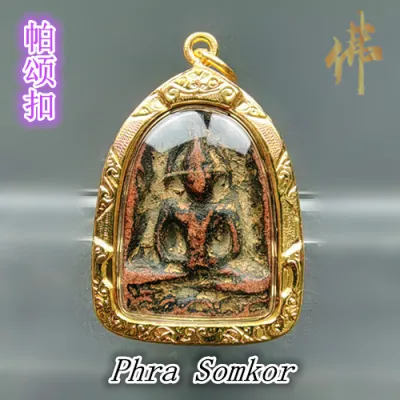
Prices are valid at publication and may change. Please refer to the product page for the latest price.
From a financial perspective, the risks of purchasing unverified amulets are substantial. Genuine consecrated amulets can range from modest donation values to premium collector prices reaching hundreds or even thousands of dollars, such as S$500 or more for rare editions. Paying a premium price for a chemically aged replica or a cheap factory mold results in a significant financial loss, making rigorous verification essential before any funds change hands.
Physical and Craftsmanship Indicators to Inspect
When examining a Chok Dee Thai amulet, the first line of defense is a close inspection of its physical details and craftsmanship. Authentic amulets are created using precise, temple-specific molds that yield sharp, distinct features, even in miniature designs. You should compare the sharpness of the facial features, the definition of the robes, and the neatness of the edges against official temple reference images or recognized collector catalogs.

Material texture is another critical indicator of authenticity. Genuine clay or powder amulets often contain a complex blend of sacred ingredients, such as flower pollen, temple incense ash, and unique mineral fragments, which create a distinct, non-uniform texture under a magnifying loupe. Counterfeits, by contrast, are often cast from cheap plaster or synthetic resins, resulting in an unnaturally smooth, uniform, or overly glossy surface.
Natural aging patterns are incredibly difficult for counterfeiters to replicate convincingly. Over time, authentic amulets develop a natural patina, subtle surface cracks, or mineral sweating (known as “nam man tang iu” or oil surfacing) that integrates deeply with the material. Counterfeiters often attempt to simulate this aging through artificial chemical treatments, forced heat discoloration, or superficial staining, which typically look uneven, sit only on the very surface, or emit a chemical odor.
You must also look for specific temple marks, batch codes, or embedded sacred materials, such as a “takrut” (a small rolled metal scroll with sacred inscriptions). Authentic monasteries often stamp or engrave unique serial numbers or sacred symbols into the amulet during production. These marks should match the exact placement, depth, and font style documented by the issuing temple for that specific batch or edition.
Evaluating Seller Credentials and Provenance Documentation
Verifying the source of your amulet is just as important as inspecting the physical object itself. When dealing with a seller, you should ask detailed questions regarding the amulet’s acquisition history, original temple donation receipts, and previous ownership. A reputable seller who values transparency will be able to provide a coherent narrative of how the item was sourced, often backed by photographic evidence of their visits to the temple or interactions with recognized collectors.
There are several red flags to watch out for when browsing online storefronts or religious decor listings. Vague descriptions that avoid naming the specific temple, the presiding monk, or the year of consecration are major warning signs. Furthermore, a heavy reliance on stock photos rather than high-resolution, unique images of the actual amulet being sold suggests the seller may be distributing mass-produced replicas. A lack of a clear, written return policy that allows for independent third-party verification is another reason to hesitate.
To minimize your risk, prioritize purchasing from established religious decor specialists, verified collectors, or direct temple channels. Reputable specialists often have a physical presence, a long-standing reputation within the Buddhist community, and a vested interest in maintaining their credibility. Buying directly from temple-affiliated shops or trusted foundations ensures that your contribution supports the monastic community while guaranteeing the authenticity of your sacred item.
Cross-Referencing Temple Records and Official Authentication
To achieve peace of mind, you should cross-reference the details of the amulet with official temple records and publications. Most recognized temples publish detailed catalogs, ceremony records, or commemorative books documenting every batch of amulets they release. These records detail the exact dimensions, materials used, number of pieces minted, and the specific markings unique to that edition, allowing you to verify if your item matches the official specifications.
Consulting reputable amulet appraisal communities or certified experts is an invaluable step, especially for high-value acquisitions. Many dedicated Buddhist associations and collector groups offer appraisal services where experienced specialists examine the item under high magnification. These experts possess deep knowledge of specific temple histories, mold variations, and material compositions that are difficult for a layperson to spot.
However, you must remain cautious of unofficial certificates of authenticity provided by third-party sellers. In the amulet market, fake certificates are almost as common as fake amulets. Many unscrupulous sellers print their own professional-looking certificates or use unrecognized, self-made “associations” to validate their inventory. An authentic certificate should only come from a highly respected, independent appraisal institution with verifiable contact details and a searchable online database.
Steps to Take If You Suspect a Counterfeit Amulet
If you suspect that an amulet you purchased or are planning to purchase is a counterfeit, you must act quickly and methodically. If the transaction occurred on an online marketplace or ecommerce platform, document the discrepancies between the seller’s claims and the physical item immediately. Take clear, high-resolution photographs of the suspicious areas, such as blurred mold lines or artificial staining, and use this evidence to initiate a return or dispute under the platform’s buyer protection policy.
If you are in the middle of a transaction and feel uncertain about the item’s authenticity, halt the process immediately. Do not allow the seller to pressure you into finalizing the payment or releasing escrow funds. Seek a second opinion from a qualified, independent appraiser or a trusted local temple authority before proceeding, as recovering your funds after a transaction is completed can be exceptionally difficult.
In cases where you find yourself in possession of an item confirmed to be an unauthorized replica, it is important to handle the situation with respect and cultural sensitivity. Even though the item is a copy, it bears sacred imagery that should not be treated as common trash. The most appropriate action is to return the item to the seller for a refund, or if that is not possible, place it respectfully in a designated area at a local temple garden or under a sacred tree, allowing it to return to nature without causing disrespect to Buddhist traditions.
Frequently Asked Questions (FAQ)
Can a Chok Dee Thai amulet be authenticated solely by its certificate?
No, a certificate alone is not sufficient proof of authenticity, as counterfeiters frequently forge certificates alongside the amulets. You must always combine certificate verification with a physical inspection of the amulet’s craftsmanship, materials, and a thorough check of the issuing authority’s credentials.
Are older Chok Dee amulets always more authentic than newly released ones?
No, age does not guarantee authenticity. Because vintage amulets command much higher prices, they are among the most frequently counterfeited items on the market, with replica makers using sophisticated chemical aging techniques. Newly released amulets with clear, direct temple provenance are often much easier to verify.
What should I do if a seller refuses to provide temple donation receipts?
If a seller refuses to provide temple donation receipts, acquisition details, or clear provenance documentation, you should treat this as a major red flag. It is highly recommended to walk away from the transaction, as legitimate sellers of sacred items will prioritize transparency and respect your need for verification.
Community discussion
Share your experience or ask a question. Comments are reviewed before publication.