
When preparing your home for unexpected power outages or planning outdoor night walks, securing a reliable torch light philips provides peace of mind. A high-quality portable light is a staple for Singaporean households, especially for emergency preparedness in HDB flats or night activities along the coast. However, the rise of online marketplaces has led to an influx of counterfeit products that look nearly identical to the real thing but carry severe safety hazards. Identifying a genuine Philips torch light involves checking the official security labels, verifying the unique serial number on the manufacturer’s official portal, inspecting the physical build quality, and purchasing only from authorized local distributors.
The Hidden Risks of Counterfeit Philips Torch Lights
Counterfeit portable lighting devices represent serious safety hazards inside your home. The most critical risk stems from the substandard internal batteries often used in fake products. Genuine manufacturers use high-quality, certified lithium-ion or nickel-metal hydride cells with built-in protection circuits to prevent overcharging and short-circuiting. In contrast, counterfeit torch lights frequently contain cheap, uncertified batteries that lack these safety mechanisms. When plugged into a wall charger in your Singapore home, these substandard batteries can overheat rapidly, swell, leak corrosive chemicals, or even catch fire.
Performance failures are also highly common in counterfeit units, which can leave you stranded during crucial moments. Fake torch lights typically utilize low-grade light-emitting diodes (LEDs) that fail to deliver the promised lumen output, resulting in dim, flickering, or uneven beams. Furthermore, their internal drivers are poorly regulated, causing rapid battery degradation where the light loses its charge within minutes of use. During a sudden power outage in an HDB estate, a counterfeit light’s failure to illuminate or its lack of proper waterproof sealing against Singapore’s humid tropical climate can turn a minor inconvenience into a dangerous vulnerability.
Products mentioned in this guide
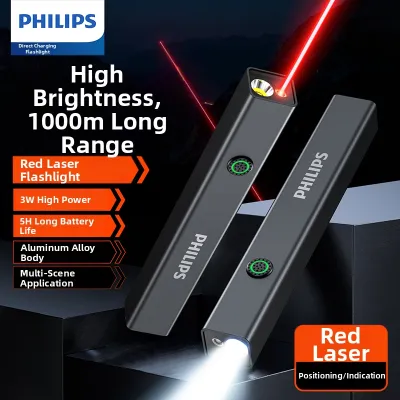
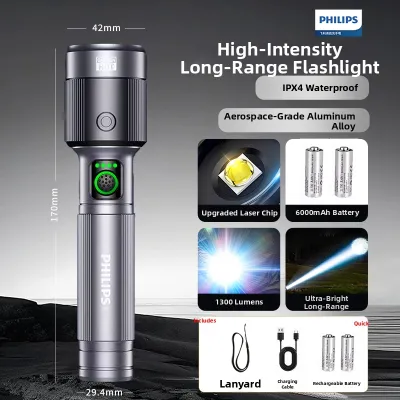
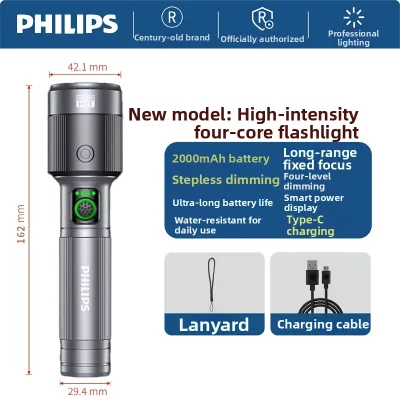
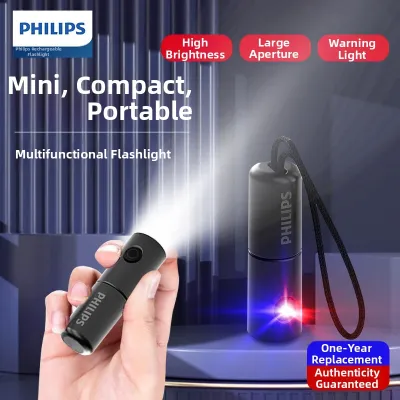
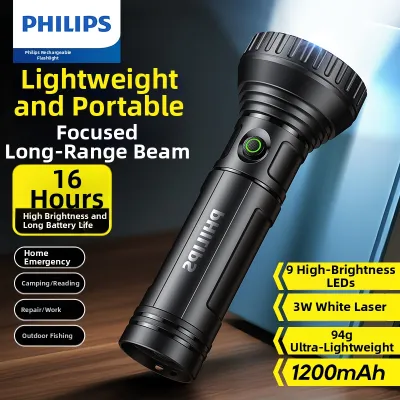
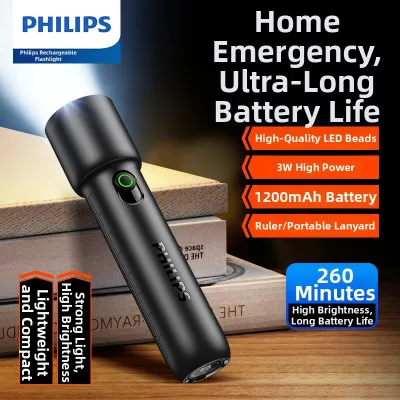
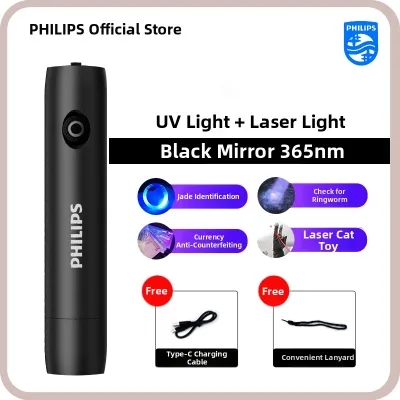
Prices are valid at publication and may change. Please refer to the product page for the latest price.
While counterfeit electronics are a persistent issue across online marketplaces, focusing on statistical data is less valuable than equipping yourself with practical verification skills. Understanding the physical, electrical, and digital markers of an authentic product is the most effective way to protect your household. By learning how to distinguish a genuine item from a clever imitation, you ensure that your emergency lighting remains safe, dependable, and fully compliant with standard electrical safety expectations.
Physical and Visual Checks: Real vs. Fake Philips Torch Lights
Before finalizing an online purchase or immediately upon receiving your package, performing a thorough physical inspection is your first line of defense. Authentic products exhibit a level of manufacturing precision that counterfeiters rarely match due to the high cost of precision tooling.

Inspecting the Packaging and Security Labels
The exterior box of a genuine product serves as an immediate indicator of its origin. Genuine packaging features high-resolution offset printing with sharp, legible text, accurate color reproduction, and flawless spelling and grammar. Counterfeit packaging, on the other hand, often displays slightly blurry text, color bleeding, or low-quality cardboard that feels flimsy and easily crushed during transit. Carefully read the technical specifications listed on the back of the box; fakes frequently contain typos, inconsistent font sizes, or mismatched product model numbers.
Look closely for official security seals, holographic stickers, and clear barcode or stock keeping unit (SKU) labels. Genuine packaging typically includes a tamper-evident seal or a holographic sticker that shifts colors smoothly when tilted under a light source. The barcode should be printed sharply on a clean white background, rather than appearing as a fuzzy, low-resolution copy pasted onto the box art.
However, you must maintain a strict safety boundary: packaging can be replicated with surprising accuracy by sophisticated counterfeiters. A convincing box or a shiny sticker should never be treated as absolute proof of authenticity. Visual packaging checks are merely the initial screening phase and must always be combined with physical hardware inspections and digital code verification to ensure complete safety.
Evaluating Build Quality and Hardware Details
Once you unbox the device, pay close attention to the structural integrity and materials of the torch light. Genuine products are constructed from high-grade, impact-resistant plastics or anodized aluminum, giving them a solid, balanced weight in your hand. The plastic molding should be smooth to the touch, with precise seam alignments where the different parts of the casing meet. If you notice sharp plastic edges, gaps between the seams, or a hollow, lightweight feel that suggests cheap materials, the product is highly likely to be a counterfeit.
Examine the hardware details, such as the tactile feedback of the power button and the alignment of the internal optical components. An authentic switch should feel firm and click satisfyingly without sticking or requiring excessive force. Peer into the front lens: the LED chip must be perfectly centered within the reflector array, and the reflector itself should be free of dust, scratches, or visible glue residue. Counterfeiters often use misaligned, low-power LEDs and cheap plastic lenses that distort the beam and scatter light inefficiently. Remember that light beam color temperature (such as warm vs. cool white) is a matter of personal preference rather than an indicator of authenticity.
The battery compartment requires a meticulous electrical safety check, as poor contacts are a major hazard in counterfeit emergency lights. Open the battery door or unscrew the tail cap to inspect the internal terminals. Genuine units feature clean, springy, corrosion-resistant metal contacts with clear polarity markings (+ and -) debossed or printed clearly inside the compartment. Verify the charging voltage, USB interface type, and battery capacity specifications match the official manual. If you are charging your torch light in damp environments like HDB service yards, ensure the power outlet is dry and isolated before plugging in the device. If you observe flimsy, easily bent metal springs, loose wiring, or a loose-fitting battery cover, do not insert batteries or attempt to charge the device, as these defects can cause electrical short circuits.
Step-by-Step Official Verification Methods for a Torch Light Philips
To achieve absolute certainty, you should bypass visual assessments and utilize the manufacturer’s official, digital verification systems. This process relies on unique identifiers that counterfeiters cannot replicate on the official database.
First, locate the unique serial number or the anti-counterfeit scratch-off code on the product packaging or the body of the device itself. Many genuine packaging boxes feature a dedicated security label with a scratch-off coating. Gently scratch away this coating using a coin to reveal the multi-digit security code underneath.
Next, open your web browser and navigate directly to the official regional website or the authorized verification portal. Do not use search engine links that seem suspicious or unfamiliar. Once on the official site, locate the product verification section and input the unique code exactly as it appears on your package. The system will instantly confirm whether the code matches a genuine manufactured item and will indicate if the code has been queried previously.
Be exceptionally cautious regarding QR codes printed on the packaging. A common tactic used by counterfeiters is to print a custom QR code that, when scanned, redirects your smartphone to a highly convincing, fake verification website designed to look exactly like the official brand portal. To avoid this trap, manually type the official verification URL into your web browser rather than blindly trusting the QR code link. If the URL on your screen does not match the official domain, treat the product as counterfeit.
Finally, attempt to register the product for warranty support on the official local website. Authorized products sold in Singapore will have serial numbers that are recognized by the regional warranty database. If the registration portal rejects your serial number as invalid or unrecognized, it is a strong indication that the product is either a counterfeit or an unauthorized parallel import that lacks local product support.
Where to Safely Buy Genuine Philips Torch Lights Online in Singapore
The most effective way to avoid counterfeit goods is to select your online purchasing channels with care. In Singapore’s digital retail landscape, prioritizing authorized sellers significantly reduces your risk exposure.
When shopping on major e-commerce platforms, always prioritize official brand stores or authorized local electronics retailers. Established supermarket chain websites and reputable local department stores are also highly reliable sources. These entities maintain direct supply chains with authorized distributors, ensuring that every product in their inventory is genuine and compliant with local safety standards.
To identify authorized online sellers, look for platform-specific indicators such as “Mall” or “Official” badges, which denote verified businesses. However, do not rely on these badges blindly; cross-reference the seller’s name with the official list of authorized dealers on the brand’s website whenever possible. A genuine seller will typically display clear business registration details, a physical local address, and a transparent customer service channel.
Be highly vigilant against common red flags that indicate a high risk of counterfeit products. The most obvious warning sign is a price that is significantly below the standard market rate. If a high-quality model typically retails for S$30 to S$50, but an online listing offers it for S$5 to S$8, the extreme price discrepancy is a clear indicator of a counterfeit or defective item. Additionally, avoid third-party sellers with no verifiable transaction history, poor customer ratings, or listings that rely solely on low-resolution stock photos without showing real product details or clear seller credentials.
Action Plan If You Receive a Suspected Counterfeit
If you have purchased a product and suspect it is counterfeit after performing your physical and digital checks, you must take immediate action to protect both your safety and your consumer rights.
First, stop using and charging the device immediately. Because counterfeit torch lights utilize unverified batteries and substandard internal circuitry, plugging them into a power outlet or leaving them turned on poses immediate electrical safety and fire risks. Store the device in a cool, dry place away from flammable materials, and do not attempt to dismantle it.
Next, gather comprehensive evidence to support your claim. Take clear, high-resolution photographs of the packaging, highlighting any spelling errors, blurry printing, or damaged security labels. Photograph the device itself, focusing on poor seam alignments, misaligned LEDs, or cheap battery contacts. If possible, record a continuous unboxing video showing the package being opened and the initial physical defects. Keep detailed records of all transaction receipts, order confirmation emails, and chat histories with the online seller.
Once your evidence is prepared, initiate a formal return and refund dispute through the e-commerce platform’s buyer protection system. Select “suspected counterfeit” or “item not as described” as the official reason for the dispute, and upload all your gathered photos and videos. Most major platforms operating in Singapore have strict anti-counterfeiting policies and will freeze the seller’s funds while investigating your claim.
If the online marketplace platform dispute remains unresolved, or if the seller is completely uncooperative, you can seek further assistance from the Consumers Association of Singapore (CASE). CASE provides advice and mediation services for consumers facing unfair trade practices, helping you navigate the dispute resolution process to secure a fair refund.
Frequently Asked Questions (FAQ)
Can I rely solely on the holographic sticker to verify authenticity?
No, you cannot rely entirely on a holographic sticker or security seal. While these visual features serve as helpful initial indicators of a genuine product, modern counterfeiting techniques have advanced to the point where high-quality holographic replicas can be produced. To ensure absolute certainty, you must always pair visual inspections with digital verification, such as entering the unique serial number directly into the manufacturer’s official verification portal.
Are genuine Philips torch lights covered by a local warranty in Singapore?
Yes, genuine products are typically covered by a local manufacturer’s warranty, but this coverage is usually subject to strict conditions. The warranty is generally only honored if the product was purchased from an authorized local distributor or retailer in Singapore, and you must present a valid proof of purchase. Parallel imports or items purchased from unauthorized third-party online sellers may be authentic, but they often lack local warranty support, meaning you would have to contact the overseas seller directly for any defects.
Community discussion
Share your experience or ask a question. Comments are reviewed before publication.