
Styling your rental apartment with beautiful vases is an excellent way to inject personality and warmth into your living space without risking your security deposit. Whether you are decorating a cozy HDB flat or a modern condominium, the key to successful renter-friendly styling lies in balancing aesthetic appeal with preventative care. By choosing the right placement, using non-destructive securing methods, and protecting surfaces from moisture, you can enjoy a curated home while keeping landlord-provided furniture and walls in pristine condition.
Assessing Your Space and Vase Collection
Before placing any decorative vessel on a sideboard or shelf, it is essential to evaluate the physical characteristics of both the vase and the surface it will occupy. Start by checking the weight and center of gravity of each vase in your collection. Tall, narrow vessels or those with flared tops tend to be top-heavy, especially when filled with water or heavy floral stems, making them highly susceptible to tipping over. If a vase feels unstable when lightly tapped, it will require active securing or a more stable placement strategy.
Next, inspect the base of each ceramic, glass, or stone vase. Unglazed ceramic bases, rough terracotta, and sharp seams on molded glass can act like sandpaper on polished wood, laminate, or lacquer finishes. Run your fingers along the bottom edge to identify any rough spots that could scratch rented furniture during styling or cleaning. If you find any rough textures, you will need to apply a protective barrier before placing the item on any finished surface.
Products mentioned in this guide
![[Local Stock] Elegant Transparent Glass Plant Flower Vase Pot](https://img.lazcdn.com/g/p/7bf4a85e45340c7fb55ec566cbed6128.jpg_400x400q80.jpg_.webp)
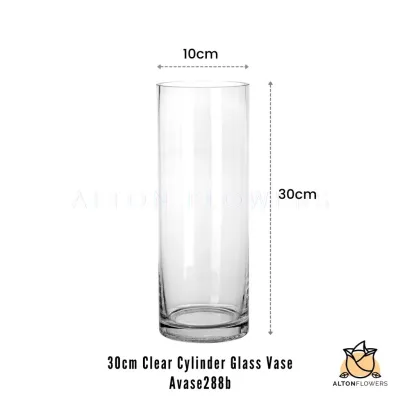
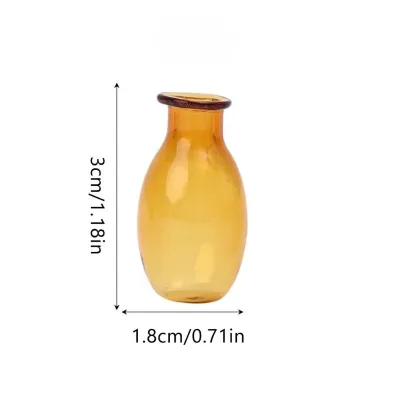
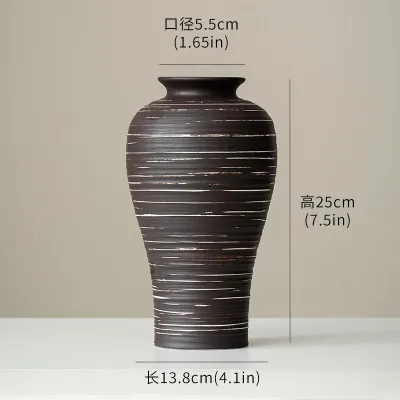
![[SG SELLER]Metal Gold Vase Flower Nordic Style Frame Iron Glass Tube Iron Pot Elegant Home Decoration Wedding Gift](https://img.lazcdn.com/g/p/689dbc8a278d4fdaf386ed4b2e02335c.jpg_400x400q80.jpg_.webp)
Prices are valid at publication and may change. Please refer to the product page for the latest price.
Finally, map out the high-risk zones in your apartment. Narrow entry ledges, high-traffic corridors, and areas near swinging doors or low-lying coffee tables are prime spots for accidental bumps. In busy households, placing fragile or heavy vases in these pathways increases the likelihood of a costly spill or breakage, so these zones should either be avoided or styled with highly secured, shatterproof vessels.
Renter-Friendly Placement Strategies
To achieve a high-end look without drilling holes into your rental’s walls, focus on utilizing existing furniture surfaces. Built-in console tables, freestanding bookshelves, sideboards, and TV units offer excellent, sturdy platforms for displaying your collection. Utilizing these surfaces eliminates the need to mount floating shelves, which often require heavy-duty wall anchors that leave large, difficult-to-patch holes in drywall or concrete.

If you want to create visual height and dynamic layers in your display, avoid relying on exceptionally tall, top-heavy vases that are prone to falling. Instead, elevate smaller, more stable vases by placing them on stacked hardcover books, decorative wooden risers, or stone slabs. This technique adds architectural interest and varied elevations to your styling while keeping the center of gravity low and secure.
Grouping smaller vases in clusters is another effective way to distribute visual weight and physical stability. A cluster of three varied, low-profile vases creates a cohesive design statement that is far more stable than a single, towering vessel. When arranged closely, these smaller pieces can support each other visually and are much less likely to be knocked over by a stray breeze from a window or an accidental nudge.
Securing Vases Without Leaving Marks
Stabilizing your decor does not require permanent adhesives that strip paint or ruin wood veneers. One of the simplest ways to protect both your vase and your rental furniture is by applying non-slip silicone pads or soft felt grips to the underside of the vessel. Before applying, verify that the adhesive backing on the pads is rated as safe for the specific material of your vase and will not react chemically with the lacquer or varnish on the rented furniture.
For lightweight ceramic or glass vases, museum wax or reusable adhesive putty offers an excellent, non-destructive hold. These pliable materials secure the base of the vase firmly to the surface, preventing it from sliding or tipping if bumped. Always check the manufacturer’s instructions for surface compatibility, as some putties can leave oily residues on unsealed wood or porous stone over time. When removing, gently twist the vase rather than pulling it straight up to release the bond safely.
Avoid using permanent double-sided mounting tapes, hot glue, or heavy-duty polyurethane adhesives on any painted walls, wallpaper, or delicate wood finishes. These products are designed for permanent installation and will almost certainly tear away paint, plaster, or wood veneer upon removal, leading to deductions from your security deposit. Always perform a small patch test with any temporary adhesive on a hidden area of the furniture or wall to ensure it peels away cleanly.
If you are dealing with antique furniture, highly specialized wall finishes, or surfaces where the original material and coating are unclear, stop and consult your landlord or a professional conservator. It is always safer to ask for clarification than to risk damaging a valuable landlord-owned heirloom or a custom-finished built-in cabinet.
Protecting Surfaces from Water and Scratches
Water damage is one of the most common issues when styling live floral arrangements in rental properties. To prevent unsightly water rings, mineral deposits, and swelling on wooden surfaces, always place your vases on decorative trays, stone coasters, or fabric placemats. These protective barriers catch condensation that naturally forms on the outside of cold glass vases, as well as any accidental spills during watering.
For porous ceramic, terracotta, or stone vases, water can slowly seep through the material even if there are no visible cracks. To prevent this slow moisture transfer from warping or staining underlying wooden sideboards, insert a waterproof plastic liner or a smaller glass cup inside the decorative vase to hold the water and stems. This double-barrier method ensures that moisture remains entirely contained.
Additionally, establish a strict routine when changing water or arranging flowers. Always carry the vase to the kitchen sink to empty and refill it, and use a clean towel to wipe the bottom and sides of the vase completely dry before returning it to its styled position. Even a single trapped droplet of water beneath a heavy vase can cause permanent clouding or rot on a wood finish over several weeks.
Safe Cleaning and Maintenance for Rented Spaces
Maintaining a clean display area prevents the buildup of dust and grime that might otherwise require aggressive scrubbing to remove. Dust your vases and the surrounding surfaces regularly using a dry, high-quality microfiber cloth. Regular dusting prevents fine particles from settling and scratching the furniture finish when vases are moved or adjusted.
When cleaning the area around your vases, avoid using abrasive scrubbing pads, bleach, or undiluted chemical solvents near rented wood furniture or painted walls. These harsh substances can strip protective topcoats, dissolve paint, or leave permanent discolored patches. Instead, stick to mild, pH-neutral cleaners or a slightly damp cloth, ensuring you dry the surface immediately afterward.
Make it a habit to lift your vases and inspect the surfaces underneath and behind them periodically. In humid climates, trapped air behind large decor items can sometimes encourage mold growth or attract pests. Regular inspections allow you to catch any early signs of moisture buildup, surface discoloration, or minor scratches before they develop into severe, irreversible damage.
Frequently Asked Questions (FAQ)
Can I use adhesive hooks to hang lightweight vases?
If you plan to hang lightweight wall vases, you must carefully check the adhesive hook’s packaging for its exact weight limit and compare it against the total weight of the vase when fully filled with water and plants. Hanging glass or ceramic vases poses a significant safety and property damage risk because temporary adhesives can degrade and fail over time under constant tension. For hanging displays in a rental, it is highly recommended to use lightweight, shatterproof alternatives made of fabric, metal, or acrylic rather than heavy glass or stoneware.
How do I safely remove sticky residue from rental furniture?
If a non-slip pad, museum wax, or adhesive putty leaves a sticky residue on your landlord’s furniture, start with the gentlest removal methods first. Apply a small amount of warm, soapy water to a microfiber cloth and gently rub the area, or use a mild, surface-safe adhesive remover designed specifically for delicate finishes. Always perform a spot test on a hidden area of the furniture first to ensure the cleaner does not dull or strip the finish. If you notice the furniture finish lifting, clouding, or softening at any point during the process, stop immediately and contact your landlord or a professional furniture restorer to avoid worsening the damage.

Community discussion
Share your experience or ask a question. Comments are reviewed before publication.