
Authentic palo santo (Bursera graveolens) can be identified through a combination of its distinct citrus-woody scent, irregular wood grain, natural resin content, and burning behavior. Because counterfeit sticks often consist of cheap wood sprayed with synthetic fragrance oils, a single test is rarely enough; you must evaluate the wood’s physical structure, raw aroma, and smoke characteristics together to confirm its origin.
Quick Answer: Key Signs of Authentic Palo Santo
To quickly assess a palo santo stick, look for a soft, yellowish-tan wood with irregular grain patterns rather than a perfectly uniform, dark, or dyed appearance. When raw, genuine wood emits a subtle, complex aroma of sweet pine, mint, and citrus, whereas counterfeits often smell intensely of perfume, alcohol, or synthetic chemicals even before they are lit.
Sourcing labels that mention ethical harvesting from naturally fallen branches in countries like Ecuador or Peru offer a secondary layer of verification, though physical inspection remains your most reliable tool. Keep in mind that no single surface feature can guarantee authenticity, making a multi-step sensory check essential before you burn the wood in your home.
Products mentioned in this guide
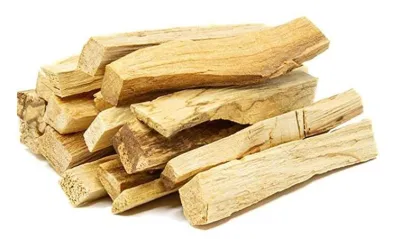
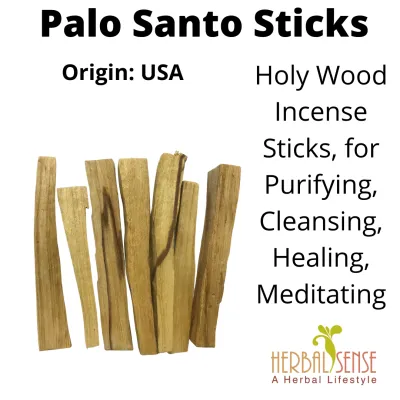
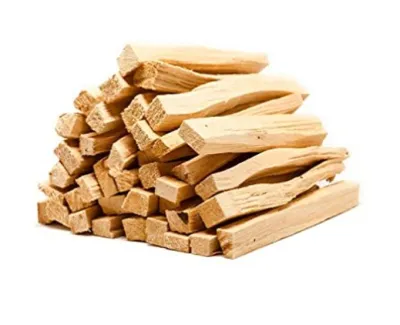
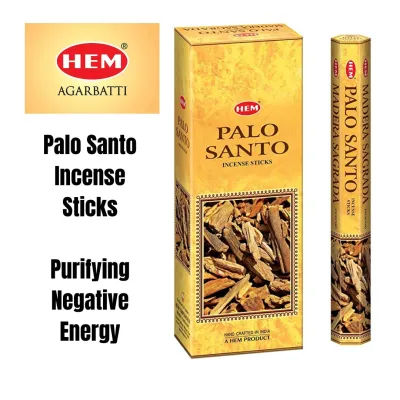

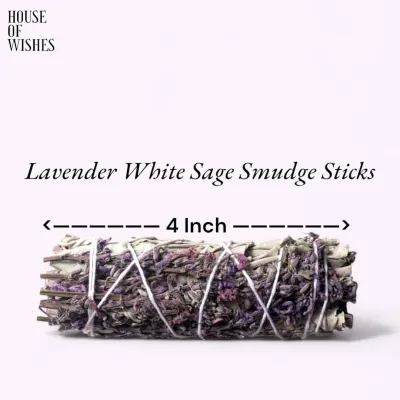

Prices are valid at publication and may change. Please refer to the product page for the latest price.
Visual and Tactile Checks: Inspecting the Wood
Examining the physical structure of the wood is the first line of defense against synthetic imitations. Genuine palo santo comes from the Bursera graveolens tree, which features a highly characteristic irregular grain with natural color variations ranging from pale cream to warm, resinous amber.

Imitation sticks are frequently made from common, inexpensive hardwoods or softwoods that have been cut into uniform shapes and dyed to mimic the appearance of aged timber. If every stick in a bundle looks identical in color, shape, and grain direction, it is highly likely they were mass-produced from non-aromatic wood.
The weight and density of the stick also provide valuable clues. Natural palo santo is rich in essential oils and resin, giving it a surprising heft in the hand despite its dry appearance, whereas artificial alternatives often feel unusually light, dry, and brittle.
You can also perform a simple tactile test by rubbing your thumb firmly against the surface of the wood for several seconds. The friction-induced warmth should release a faint, natural citrus scent and leave a very slight, non-greasy resinous residue on your skin, unlike synthetic oils which may feel greasy or leave no scent at all when warmed.
Scent Profile: Smelling the Difference Before and During Burning
The olfactory profile of genuine palo santo is incredibly difficult for synthetic fragrance manufacturers to replicate accurately. When raw, a genuine stick has a soft, multi-layered scent that combines sweet notes of pine, lemon, and mint, which is noticeable but not overpowering from a distance.
In contrast, counterfeit sticks are often soaked in cheap synthetic fragrance oils, resulting in a sharp, perfume-like, or chemical odor that can trigger headaches or smell intensely artificial even through sealed packaging.
When you light a genuine stick, observe the smoke behavior and aroma release closely. Once the flame is blown out after burning for about thirty seconds, authentic wood produces a thin, clean, white or light grey smoke that fills the room with a warm, soothing, woody aroma.
If the stick continues to burn with a heavy, thick black smoke after the flame is extinguished, or if the scent turns into an acrid, burning-wood smell resembling a campfire rather than sweet incense, it may be treated with synthetic oils or chemical accelerants.
The ash left behind by genuine palo santo is typically light grey or white, whereas sticks treated with heavy synthetic dyes or oils often leave behind dark, greasy, or black soot on your incense burner.
Packaging and Sourcing: Verifying Sustainability and Origin Labels
Because Bursera graveolens is a protected species in many regions, authentic and ethical palo santo is harvested only from trees that have died naturally and rested on the forest floor for several years to allow the aromatic resins to concentrate.
When purchasing, look for packaging that clearly states the wood was sustainably sourced from naturally fallen branches, ideally specifying the country of origin, such as Peru or Ecuador.
Legitimate suppliers are transparent about their supply chain and often share details about their partnerships with local forestry authorities or conservation programs.
Be skeptical of vague, unverified marketing terms like “100% natural” or “eco-friendly” that lack any supporting details, as these generic labels are easily printed on counterfeit packaging without regulatory oversight.
While third-party sustainability certifications are helpful, they are not universal, so combining packaging claims with physical and sensory checks remains the safest approach.
Where to Buy: Choosing Reliable Retailers for Authentic Sticks
Selecting where to buy your aromatherapy products is just as important as inspecting the wood itself. Specialized local aromatherapy shops, reputable home decor boutiques, and direct brand stores are generally safer options than unvetted sellers on massive online marketplaces.
When browsing online listings, watch out for red flags such as unusually low prices—for instance, a large bundle offered for just a few S$ should immediately raise suspicion, as ethical harvesting and shipping incur real costs.
Avoid listings that rely solely on highly polished stock photos; authentic sellers often display actual product photos showing the natural variations in wood grain and shape.
Take the time to read verified customer reviews, paying close attention to feedback regarding the scent accuracy, how long the aroma lingers, and whether the wood arrived looking dry or artificially coated.
What to Do if You Suspect a Counterfeit Purchase
If you suspect that the palo santo sticks you purchased are counterfeit or treated with synthetic chemicals, stop burning them immediately to protect your indoor air quality.
Document your findings by taking clear photos of any physical discrepancies, such as uniform grain, artificial dye marks, or black soot, and note down the unusual scent characteristics.
Contact the retailer’s customer service or initiate a formal dispute through the ecommerce platform’s official channels, presenting your documented evidence to request a return or refund.
For safe disposal, do not burn the remaining wood in your fireplace or garden; instead, dispose of it in your general household waste to prevent the release of unknown synthetic chemicals or artificial accelerants into your living space.
Frequently Asked Questions (FAQ)
The following questions address common verification myths and practical home tests to help you confidently assess your palo santo collection.
Can I use a sink-or-float test to verify palo santo?
The sink-or-float test is not a definitive method for verifying palo santo authenticity. While some believe that high resin content makes genuine wood sink, the buoyancy of a stick actually depends on several variables, including the age of the wood, its moisture levels, and the specific part of the tree from which it was harvested.
Furthermore, submerging your palo santo in water can cause severe water damage, promoting mold growth and ruining the wood’s ability to burn and release its natural aroma.
Does real palo santo produce black smoke when burned?
Authentic palo santo may produce a brief puff of dark smoke when first lit due to the high concentration of natural oils and resins catching fire. However, once you blow out the flame, the smoke should transition to a steady, thin stream of white or light grey smoke.
If the stick continues to emit thick, heavy black smoke after the flame is extinguished, this is a strong indicator of synthetic additives, excess moisture, or incomplete combustion caused by poor airflow.

Community discussion
Share your experience or ask a question. Comments are reviewed before publication.