
Verifying the authenticity of a rose quartz sculpture requires a careful combination of tactile, visual, and documentation checks. Because high-quality imitations can easily mimic the soft pink hue of natural minerals, relying on a single observation is rarely enough to confirm a piece is genuine. No single at-home test guarantees absolute certainty, meaning you must evaluate multiple physical indicators and seller credentials before finalizing your purchase.
By understanding how natural quartz behaves under different conditions, you can protect your investment and avoid common counterfeits. Whether you are shopping at a local boutique or evaluating a piece already in your collection, systematic inspection is the most reliable way to separate genuine mineral carvings from cheap replicas.
Visual and Physical Checks You Can Do at Home
Evaluating the physical properties of a sculpture is your first line of defense against counterfeits. Natural rose quartz possesses distinct thermal and structural characteristics that are incredibly difficult for manufacturers of synthetic materials to replicate accurately.
Products mentioned in this guide
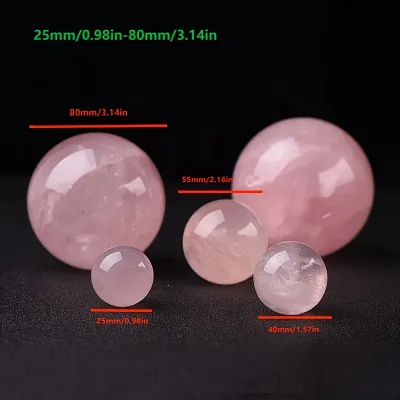
![[Jamstones x NewageFSG SG LOCAL] Rose Quartz Sphere](https://img.lazcdn.com/g/p/309ff3d9fb78aaa458527a77bdc0c037.jpg_400x400q80.jpg_.webp)
Prices are valid at publication and may change. Please refer to the product page for the latest price.
One of the simplest initial assessments is the temperature test. Natural quartz has high thermal conductivity, meaning it feels noticeably cool to the touch when you first pick it up. In warm or humid climates, such as ambient indoor environments in Singapore, this temperature difference is especially pronounced. When held in your palm, genuine rose quartz will absorb your body heat slowly, remaining cool for several seconds, whereas glass or plastic imitations warm up almost instantly.
Next, examine the internal structure of the sculpture under bright, natural light or with a strong flashlight. Genuine rose quartz is rarely perfectly transparent or uniform. Look for natural internal inclusions, which often appear as delicate ice cracks, cloudy or milky patches, and subtle white veining. The pink coloration should also display natural variation, showing gentle color zoning rather than a completely flawless, solid pink tone throughout the piece.
Weight is another critical indicator of authenticity. Rose quartz is a dense mineral with a specific gravity of approximately 2.65. When you lift a genuine sculpture, it should feel surprisingly heavy and substantial for its size. If a large decorative carving feels light, hollow, or unbalanced when lifted, it is highly likely constructed from a lightweight synthetic alternative.
Common Fake Materials and Their Telltale Signs
Imitation sculptures are widely produced using cheap, easily molded materials. Recognizing the specific manufacturing flaws of these substitutes allows you to quickly filter out obvious fakes during your search.

Glass is a highly common substitute used to mimic semi-precious stones. To identify a glass imitation, inspect the interior of the sculpture for perfectly round air bubbles. While natural rose quartz frequently contains irregular, jagged cavities and fractures, it never contains spherical bubbles, which are a byproduct of the glass-cooling process. Additionally, glass imitations often feature an unnaturally uniform, translucent pink color that lacks the characteristic milky depth of real quartz.
Resin and plastic are also frequently used to cast intricate figurines. These materials are easily identified by their warm tactile feel and exceptionally light weight. If you examine the crevices, recessed areas, or base of a resin sculpture, you will often find faint mold lines or seam marks left behind by the industrial casting process. Natural stone sculptures are hand-carved or machine-ground, leaving unique tool marks rather than perfectly symmetrical molded seams.
Dyed or melted quartz represents a more deceptive category of counterfeit. Manufacturers sometimes take low-grade, colorless quartz or quartzite and inject it with pink chemical dyes. To spot this treatment, inspect the deepest carved grooves and natural fractures of the sculpture. If the piece has been dyed, you will notice concentrated pools of dark pink or reddish pigment gathered inside the cracks. The overall color of dyed pieces also tends to look unnaturally vibrant or neon-like, lacking the soft, pastel aesthetic of genuine rose quartz.
Testing Limits and Safety Boundaries for Sculptures
While online guides often recommend aggressive DIY tests to verify minerals, many of these methods carry a high risk of permanently damaging your decor. Protecting the structural integrity of your sculpture should always be your primary concern.
Scratch testing is a common source of accidental damage. Rose quartz rates at a 7 on the Mohs hardness scale, meaning it is harder than glass or a steel knife. However, attempting to scratch your sculpture with a sharp tool can easily chip delicate carved details, scratch the polished finish, or leave unsightly metal transfer marks on the surface. If the sculpture is a valuable work of art, any physical damage will severely compromise its aesthetic and resale value.
Thermal testing is another highly dangerous method that should be avoided. Exposing a rose quartz sculpture to an open flame or extreme heat to see if it melts can cause catastrophic damage. Natural quartz contains microscopic water inclusions trapped within its crystal lattice. When subjected to rapid temperature changes, these pockets of moisture expand rapidly, causing thermal shock that can fracture, crack, or violently shatter the sculpture.
If a non-destructive visual and tactile inspection leaves you in doubt, stop testing immediately. Do not attempt any method that alters the finish or structure of the piece. Instead, seek the expertise of a qualified gemologist or an independent testing laboratory, as they possess specialized non-destructive equipment to verify mineral composition safely.
Additionally, consider the physical safety of your display setup. Because genuine rose quartz sculptures are heavy and dense, displaying them on high shelves or suspended wall ledges presents a potential falling hazard. Always verify the load capacity of your shelving, use secure mounting hardware, and consult a qualified professional if you plan to install heavy stone decor at height.
Verifying Certificates and Choosing Reliable Sellers
Securing a genuine rose quartz sculpture ultimately depends on your purchasing strategy. Evaluating the credibility of the seller and verifying any accompanying documentation will significantly reduce your risk of buying a counterfeit.
If a high-value sculpture is accompanied by a gemological certificate, do not accept the paperwork blindly. Reputable certificates are issued by recognized, independent gemological laboratories. Verify the document by visiting the issuing laboratory’s official website and entering the unique report number. Ensure that the recorded dimensions, mineral classification, and exact weight in grams match your physical sculpture precisely.
Your choice of retailer is equally important. Specialized mineral dealers, established lapidary artists, and reputable local decor boutiques are far more reliable than unverified listings on general online marketplaces or discount ecommerce platforms. Reliable sellers should be knowledgeable about the origin of their stones and willing to provide clear, close-up photographs of the sculpture’s natural inclusions.
Finally, apply a basic price reality check. Genuine rose quartz requires labor-intensive mining, sorting, and skilled carving. If a large, intricately detailed sculpture is offered at an incredibly low price—such as a massive centerpiece priced at only S$15—it is almost certainly made of glass, resin, or heavily treated materials. Flawless, large-scale perfection at an unrealistic price point is a reliable indicator of a counterfeit product.
If you choose to display your sculpture on an illuminated base to highlight its translucent pink glow, safety should remain a priority. Always verify the voltage compatibility of the base, check for local electrical safety certifications, and ensure the wattage limit of the light source matches your power adapter to prevent overheating.
Frequently Asked Questions (FAQ)
Does real rose quartz fade in sunlight?
Yes, natural rose quartz is sensitive to ultraviolet (UV) radiation. Prolonged exposure to direct sunlight will cause the natural pink coloration to fade over time, eventually turning the stone a dull grey or white. To preserve the delicate hue of your sculpture, display it in shaded areas of your home, well away from windows that receive intense, direct tropical sunlight.
Can I use a UV light to test rose quartz?
No, a UV light is not a reliable primary test for verifying rose quartz. Natural rose quartz typically does not fluoresce strongly under standard long-wave or short-wave ultraviolet light, usually remaining inert or showing a very weak, dull purple-pink glow. Because many common glass and plastic imitations also remain inert under UV light, this test cannot definitively prove that a sculpture is genuine.

Community discussion
Share your experience or ask a question. Comments are reviewed before publication.