
Identifying an authentic selenite crystal bowl requires a careful combination of visual inspection, tactile feedback, and an understanding of the mineral’s natural physical properties. Because selenite is a delicate and water-soluble form of gypsum, many common crystal testing methods can permanently damage the piece. By learning how to spot the subtle differences in light reflection, temperature, and structural symmetry, you can confidently distinguish genuine mineral specimens from cheap glass or resin imitations.
Authentic selenite possesses a unique crystalline structure that is incredibly difficult for synthetic manufacturers to replicate convincingly. While counterfeit items frequently flood online marketplaces, a few non-destructive observations will quickly reveal whether a bowl is a genuine product of the earth or a mass-produced plastic replica. Understanding these differences not only protects your investment but also ensures that your home decor retains its intended aesthetic and cultural value.
Visual and Textural Clues of Authentic Selenite
When you first examine a selenite crystal bowl, the internal structure of the material provides the most reliable evidence of its origin. Genuine selenite—which commercially refers to the fibrous variety known as satin spar—features closely packed, parallel crystalline fibers. These fibers run continuously through the material, creating a distinct optical effect where light appears to travel along the grain. If you hold the bowl under a direct light source, you should observe a soft, shimmering glow that shifts as you tilt the piece, a phenomenon known as chatoyancy.
Products mentioned in this guide
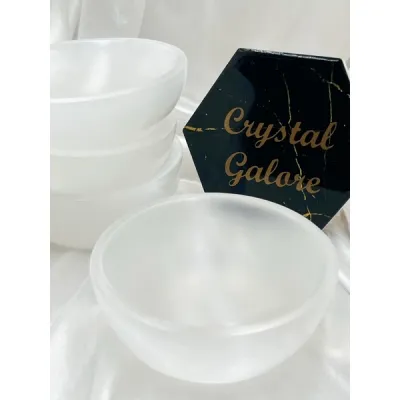
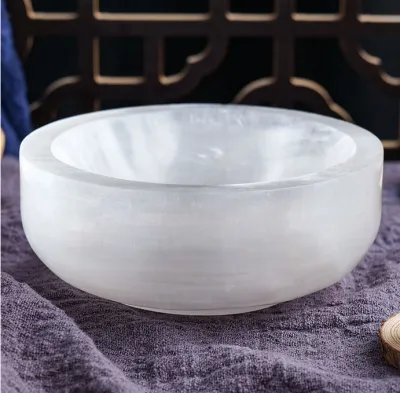
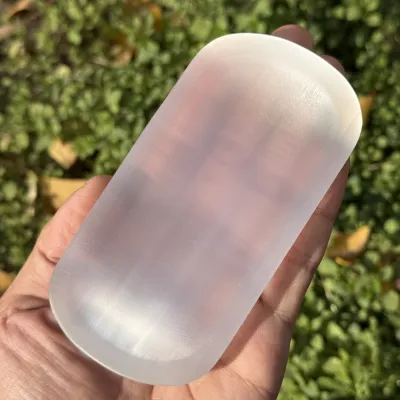
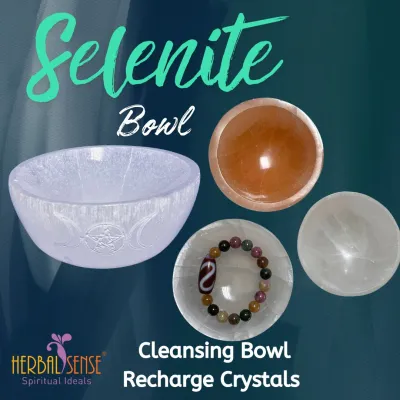
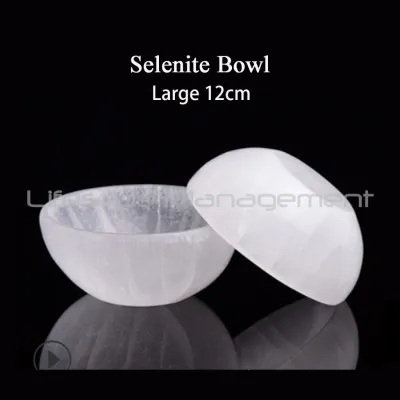
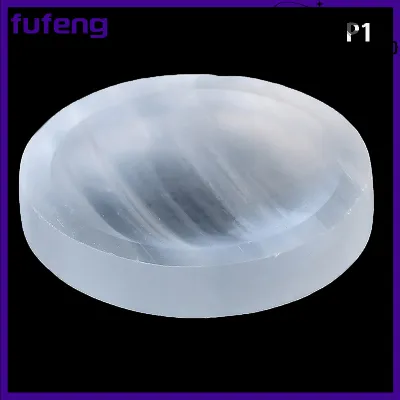
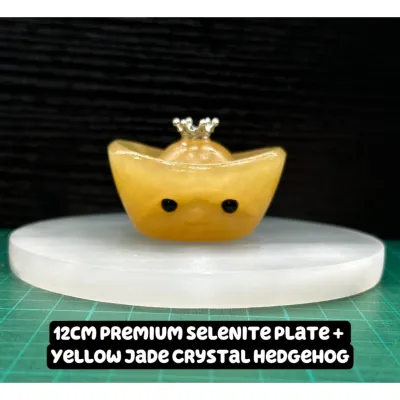
Prices are valid at publication and may change. Please refer to the product page for the latest price.
In contrast, synthetic imitations made of glass or resin lack this intricate, fibrous matrix. If you look closely at a counterfeit bowl, you will often find that the material is entirely uniform, or conversely, that it contains tiny, perfectly spherical air bubbles trapped during the pouring process. Natural selenite may contain internal fractures, cloudy patches, or tiny bits of dark organic matrix material, but it will never contain round air bubbles. These natural imperfections are not defects; rather, they are the geological signatures of a genuine mineral formed over thousands of years.
The luster of the bowl’s surface also offers a telling clue. Authentic selenite exhibits a pearly, silky, or sub-vitreous luster that diffuses light softly across its contours. Glass, on the other hand, has a highly reflective, vitreous luster that produces sharp, harsh glares under bright lighting. Resin replicas often look slightly dull or plasticky, failing to capture the deep, inner luminescence that makes genuine gypsum crystals so visually captivating in a well-lit room.
Tactile and Temperature Checks
Your sense of touch is a powerful tool when evaluating geological specimens. Natural minerals like selenite have a relatively high thermal conductivity compared to synthetic polymers. When you first pick up a genuine selenite bowl, it should feel noticeably cool to the touch, even when kept in a warm room. This initial chill occurs because the mineral rapidly draws heat away from your skin.

If the bowl is made of resin, acrylic, or cheap plastic, it will feel neutral or even slightly warm from the moment you touch it. Furthermore, synthetic materials have low thermal conductivity, meaning they will quickly warm up to match your body temperature within a few seconds of being held. Genuine selenite will absorb your body heat much more slowly, maintaining a cool, substantial feel in your hands for a longer duration.
The surface texture also varies significantly between natural stone and molded synthetics. Even when a genuine selenite bowl has been polished to a high sheen, it retains a subtle, organic grain that you can feel with your fingertips. It feels slightly dry and mineral-like, whereas molded plastic or resin often has an unnaturally slick, greasy, or high-grip texture. Glass can also feel cool initially, but it lacks the characteristic soft, slightly fibrous texture that defines polished gypsum.
Safe Physical Tests and What to Avoid
Because selenite is exceptionally soft, ranking at just 2 on the Mohs hardness scale, it requires gentle handling. While some guides suggest scratching the surface with a fingernail to prove authenticity, this test is highly destructive. A fingernail, which typically ranks around 2.5 on the Mohs scale, will easily leave a permanent, unsightly white scratch on a genuine selenite bowl. If you feel compelled to perform a scratch test, limit it strictly to an inconspicuous area, such as the very bottom edge of the base, and apply only the lightest pressure.
Water tests must be avoided entirely when verifying this specific mineral. Selenite is a hydrous calcium sulfate, meaning it is highly water-soluble over time. Exposing your bowl to water, whether by submerging it or applying wet droplets, will dissolve the delicate surface polish, leaving behind a dull, cloudy, and structurally weakened patch. In humid environments, such as tropical coastal regions, even ambient moisture can affect unsealed selenite, so keeping the bowl dry is essential for its preservation.
You should also refrain from tapping the bowl with metal objects or coins to listen for a ring. While high-quality quartz or glass glassware might produce a clear, musical chime, selenite is a soft, brittle mineral with natural cleavage planes. Tapping a thin-walled selenite bowl can easily cause it to crack, chip, or shatter along these natural structural lines. Rely instead on visual and thermal checks, which carry zero risk of ruining your decorative piece.
Evaluating Craftsmanship and Bowl Structure
Examining how the bowl was shaped can reveal whether it was carved from a natural block of stone or poured into an industrial mold. Carefully inspect the rim, the interior curves, and the outer base for any faint, raised lines. These seam lines are a definitive sign of a two-part mold used in mass-producing resin or glass decor. A genuine selenite bowl must be carved and hollowed out mechanically or by hand, leaving a seamless, continuous surface free of manufacturing joints.
Because natural selenite is carved from raw mineral blocks, genuine bowls almost always exhibit slight variations in wall thickness and symmetry. If you run your fingers along the rim, you may notice subtle waves or organic irregularities where the artisan adjusted to the natural grain of the stone. A counterfeit bowl made from a synthetic mold will typically feature mathematically perfect symmetry, uniform wall thickness, and flawless, identical curves that are virtually impossible to achieve through hand-carving.
The finishing of the base is another area where authentic craftsmanship shines. Flip the bowl over and examine the bottom under a strong light. Genuine carved bowls often show faint, parallel tool marks, circular sanding patterns, or slight unevenness where the piece was flattened to stand upright. A mass-produced synthetic bowl will often have a perfectly flat, glassy, or unnaturally smooth base that lacks any signs of abrasive shaping or manual finishing.
Choosing Reliable Sources for Crystal Decor
Navigating online marketplaces requires a healthy dose of skepticism to avoid counterfeit cultural artifacts. When browsing listings, prioritize sellers who provide multiple high-resolution, unedited photographs of the exact item you will receive, rather than relying on generic stock photos. Authentic sellers are proud to showcase the unique internal inclusions, natural fractures, and individual character of each carved bowl, as no two genuine pieces are ever identical.
Pay close attention to the language used in the product descriptions. Some sellers attempt to bypass counterfeit claims by using deceptive phrasing such as “selenite-style glass,” “synthetic gypsum,” or “man-made crystal decor.” If a listing does not explicitly guarantee 100% natural, earth-mined selenite, it is safest to assume the product is synthetic. Genuine sellers will clearly state the mineral’s origin and provide clear care instructions regarding its water-sensitive nature.
Finally, apply basic price and weight logic to your purchase. Genuine selenite is a heavy, dense mineral, and carving it requires specialized labor and shipping costs. If you find a large, thick-walled bowl listed for an incredibly low price, such as under S$10, it is highly likely to be a lightweight resin or molded glass imitation. While authentic selenite is relatively abundant and generally affordable, high-quality hand-carved decor pieces will always carry a realistic price tag that reflects the cost of extraction, artisan craftsmanship, and international transport.
Frequently Asked Questions (FAQ)
Can I use a UV light to test if my selenite bowl is real?
Using an ultraviolet light is not a definitive way to verify a selenite bowl. While some natural gypsum specimens exhibit a weak yellow, green, or white fluorescence under shortwave or longwave UV light, this reaction is highly dependent on the specific trace impurities present in the mineral deposit. Many genuine selenite pieces do not fluoresce at all. Furthermore, manufacturers of counterfeit resin bowls can easily mix fluorescent dyes or phosphorescent powders into the synthetic mixture, creating a false positive reaction under UV light.
What should I do if I suspect my selenite bowl is fake?
If you receive a bowl and suspect it is a counterfeit made of plastic, resin, or glass, stop using it immediately and avoid attempting any destructive tests that could void your return policy. Take clear, close-up photographs of the suspicious features, such as air bubbles, mold seams, or a melted spot from a hot object. Compare these photos with the seller’s original listing descriptions and images, then initiate a return or dispute through the official buyer protection channels of the online marketplace where you made the purchase.
Community discussion
Share your experience or ask a question. Comments are reviewed before publication.