
Verifying the authenticity of an old Singapore coin requires a combination of careful visual inspection, physical attribute comparison, and, when necessary, professional appraisal. Whether you are acquiring these coins for a cultural artifact display, a collection, or decorative purposes, understanding the difference between genuine historical currency and modern replicas protects your investment and ensures the integrity of your display.
Old Singapore coins carry significant cultural and historical value. For decorators and collectors alike, these pieces serve as tangible links to the past, often integrated into home displays, framed historical collections, or traditional cultural arrangements. However, the market contains numerous replicas, some produced as honest decorative reproductions and others intended to deceive.
To safeguard your collection, you must develop a systematic approach to evaluation. By focusing on physical specifications, manufacturing indicators, and historical records, you can confidently distinguish a genuine piece of Singapore’s numismatic history from a modern imitation.
Products mentioned in this guide
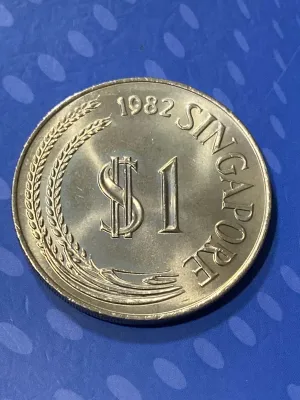
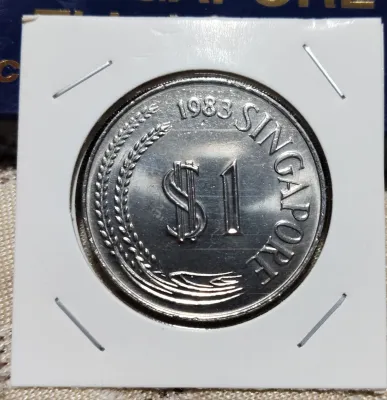
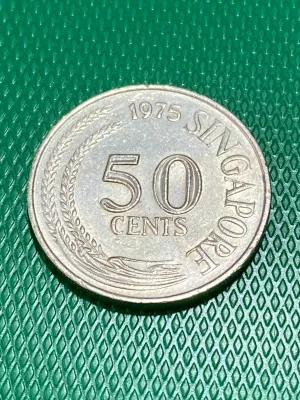
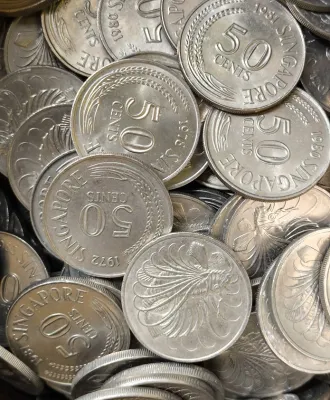
Prices are valid at publication and may change. Please refer to the product page for the latest price.
Visual and Physical Checks for Authenticity
Evaluating a coin begins with a close examination of its physical and visual characteristics. Genuine coins are minted using high-pressure dies that stamp clean, sharp details into metal blanks. This industrial process leaves distinct features that are difficult for replica manufacturers to duplicate using cheaper casting or low-pressure pressing methods.
Start by inspecting the sharpness of the design details, lettering, and edge milling. On a genuine Singapore coin, the lettering should be crisp, with even spacing and uniform depth. The portrait, national crest, or floral motifs must show clear definition, even when worn from circulation. Pay close attention to the edge of the coin; genuine coins often feature precise reeding or specific security lettering that remains consistent around the entire circumference.
Next, evaluate the natural aging, toning, or patina on the metal surface. Over decades, metals like silver, copper, and cupro-nickel react with the environment, developing a thin layer of oxidation. This natural patina should appear consistent with the coin’s stated age and storage history, often settling deeper into the recessed areas of the design. Artificial aging on replicas frequently looks painted on, greasy, or unnaturally uniform across the entire surface.
Finally, compare the coin’s weight and diameter against official historical specifications provided by monetary authorities. Genuine coins are minted to incredibly tight tolerances. You can use a precision digital scale and a slide caliper to measure the coin. A significant deviation in weight—even by a fraction of a gram—or a discrepancy in thickness and diameter strongly indicates that the coin is a replica made from a different metal alloy.
Common Signs of Replica and Decorative Coins
Replica coins, especially those produced cheaply for the souvenir or decorative markets, exhibit specific manufacturing flaws. Recognizing these shortcuts allows you to quickly filter out obvious imitations before investing time or money in professional authentication.

Look closely for casting imperfections under a magnifying glass. Many replicas are made by pouring molten metal into molds rather than striking them with dies. This casting process often leaves tiny bubbles, pinholes, or circular casting lines on the surface. The edges of the design elements on cast coins typically appear rounded, soft, or blurred, lacking the sharp, vertical drop-off found on genuine struck currency.
Identify artificial aging techniques used to make new replicas look old. Counterfeiters often use harsh chemical washes to darken the metal rapidly, resulting in an unnatural grey or black residue that wipes off easily. In some cases, you might notice uneven wear patterns, such as heavy abrasion in deep recesses where natural wear would never occur, or painted details meant to simulate dirt and age.
Check the coin’s surfaces for microscopic markings required by law in many jurisdictions. Manufacturers of legal reproductions sometimes stamp tiny words like “copy,” “replica,” or “facsimile” into the design. These marks are often hidden within the hair of a portrait, along the rim, or inside decorative wreaths, requiring a high-magnification loupe to spot.
Assess the material composition of the coin. Replicas often use lighter base metals, such as zinc, pewter, or brass alloys, which are then plated with a thin layer of silver or nickel. If the plating wears off, a different colored metal may show through underneath. Additionally, many cheap replicas contain iron or steel, making them highly magnetic, whereas genuine historical silver or copper-nickel Singapore coins will not cling to a standard magnet.
Reliable Verification Methods and Professional Appraisal
When visual and physical checks leave room for doubt, you must turn to more formal verification methods. Achieving absolute certainty, especially for rare or high-value Singapore coins, requires referencing official documentation or seeking the expertise of professional numismatists.
Consult official historical catalogs, archives, or publications from the national monetary authority to verify design variations and mint marks. These reference books detail the exact designs, metal compositions, mintage numbers, and historical variations for every coin issued. Comparing your coin to high-resolution archive images helps you verify if the year of issue matches the specific design features shown on the coin.
Utilize recognized third-party coin grading and authentication services. These independent organizations evaluate coins under laboratory conditions, verifying their authenticity, metal content, and preservation state. Once authenticated, the coin is encapsulated in a tamper-evident, hard plastic holder with a standardized certification label. This process not only guarantees authenticity but also preserves the coin’s condition for display or future sale.
Seek in-person evaluations from established, reputable local numismatic experts or certified appraisers who specialize in regional currency. Local dealers who have handled thousands of Singaporean and regional trade coins can often identify counterfeits instantly by touch, sound, and specific regional minting quirks. Visiting a physical shop or attending a local numismatic society meeting allows you to get direct, reliable feedback on your item.
Where to Source Authentic Old Coins Safely
Minimizing the risk of acquiring replica coins starts with choosing the right purchasing channels. While hunting for bargains in unverified markets can be tempting, sourcing from established venues provides a layer of security that protects your investment.
Prioritize established numismatic dealers, recognized auction houses, and verified coin shows. Reputable dealers rely on their professional standing and typically offer lifetime authenticity guarantees for the items they sell. If a coin purchased from them is later proven to be a replica by a recognized grading service, these dealers will generally offer a full refund, reducing your financial risk.
When using e-commerce platforms or online marketplaces, strictly evaluate seller history, buyer reviews, and specific return policies. Look for sellers who specialize specifically in coins and historical artifacts rather than general goods. Check if the platform offers robust buyer protection that covers authenticity disputes, and ensure the seller provides clear, high-resolution images of both sides and the edge of the coin rather than stock photos.
Avoid unverified street vendors, undocumented private sales, or listings that lack clear images. Transactions conducted in cash with no receipts or contact information leave you with no recourse if the coin turns out to be a replica. If a seller is unwilling to let you inspect the coin closely or refuses to provide a written receipt specifying the coin’s authenticity, it is best to walk away from the transaction.
What to Do If You Suspect a Fake
Discovering that a coin in your possession might be a replica can be disappointing, but taking prompt, organized action can help you recover your funds and prevent others from being misled.
Halt the transaction immediately if you are still in the purchasing phase. If you have already completed the purchase on an online marketplace, initiate a formal return request under the platform’s buyer protection policy. Most major platforms have strict rules against the sale of counterfeit currency and will freeze the transaction while the claim is investigated.
Document the item thoroughly to support your case. Take detailed, high-resolution photographs of the coin under good lighting, focusing on the specific areas that indicate it is a replica, such as casting bubbles, incorrect weight readings on a scale, or artificial wear. Retain all purchase receipts, communication logs with the seller, and the original listing descriptions as evidence for your dispute.
Report the seller to the relevant consumer protection agencies, platform administrators, or local authorities if fraudulent misrepresentation is confirmed. Selling replicas as genuine historical artifacts is a serious offense. By reporting the incident, you help clean up the marketplace, protecting fellow collectors and decorators from falling victim to the same deceptive practices.
Frequently Asked Questions (FAQ)
Can I use old Singapore coins as Feng Shui or cultural decor?
Yes, old Singapore coins are highly valued for traditional cultural practices, Feng Shui arrangements, and historical home decor. While genuine historical coins are often preferred for their perceived heritage value and authentic connection to the past, high-quality replicas are entirely acceptable for purely aesthetic displays. If you choose to use replicas for decorative framing or craft projects, ensure they are labeled or represented honestly so that future viewers or buyers are not misled about their historical authenticity.
Does cleaning an old coin affect its authenticity or value?
Yes, cleaning an old coin can severely damage its surface and drastically reduce its numismatic value. Abrasive cleaning, metal polishes, or chemical dips strip away the natural patina that has built up over decades. This patina is a key indicator of age that professionals use to verify authenticity. Cleaning often leaves microscopic scratches and an unnatural, bright shine that makes the coin look like a modern replica, making it much harder to authenticate and significantly lowering its appeal to collectors.
Community discussion
Share your experience or ask a question. Comments are reviewed before publication.