
To determine if a Straits Settlement coin is genuine, you must systematically verify its physical dimensions, weight, surface details, and edge characteristics against official historical mint specifications. Because these historical coins are highly valued as cultural artifacts and decorative heirlooms in Singapore, counterfeiters frequently replicate them using cheaper base metals or casting methods. A reliable authentication process combines precise home measurements with visual analysis under magnification, and, when necessary, professional third-party certification.
The Rise of Counterfeit Straits Settlement Coins
The Straits Settlements—comprising Singapore, Penang, and Malacca—issued a distinct coinage system from the mid-19th century until the early 20th century. These coins, particularly the large silver dollars featuring British monarchs like Queen Victoria, King Edward VII, and King George V, carry immense historical and cultural significance. Today, they are highly sought after not just by dedicated numismatists, but also by those who appreciate them as heritage decor and symbolic family heirlooms.
As demand for these cultural artifacts has grown, so has the sophistication of counterfeiters. The market contains a wide array of deceptive replicas, making vigilance essential for anyone looking to acquire an authentic piece of regional history.
Products mentioned in this guide
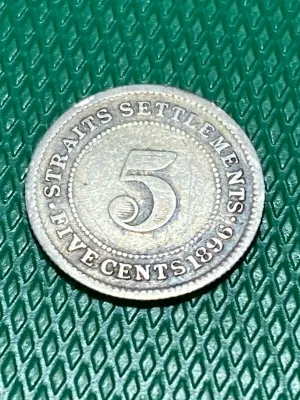
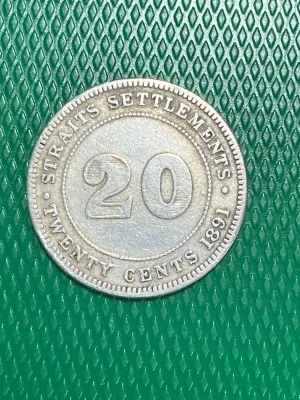
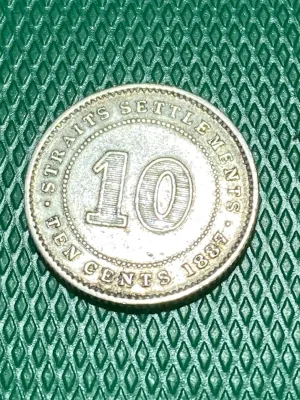
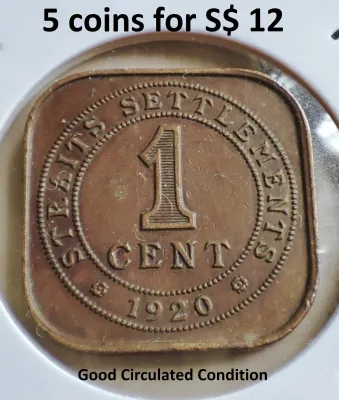
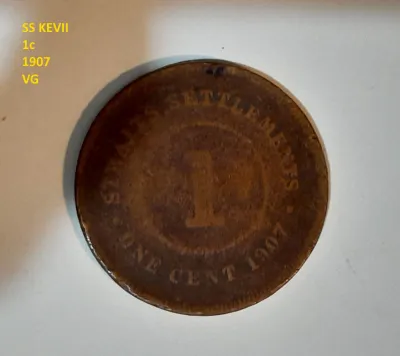
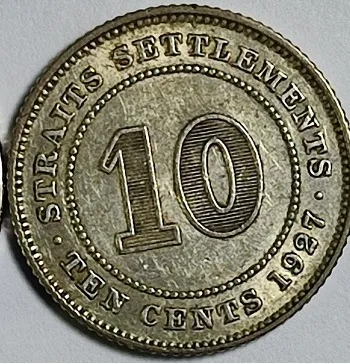
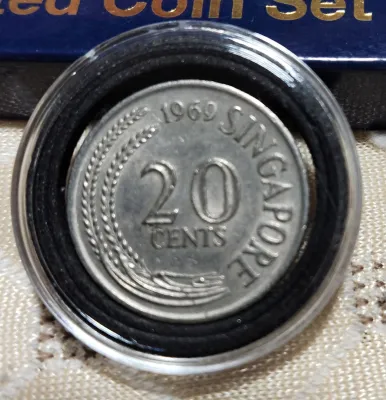
Prices are valid at publication and may change. Please refer to the product page for the latest price.
Counterfeits generally fall into a few distinct categories. Cast copies are made by pouring molten metal into molds created from genuine coins, often leaving behind tiny bubbles or a soft, soapy texture. Altered dates involve modifying a common-year coin to mimic a rare, high-value key date. Wrong-metal strikes use inexpensive alloys, such as brass or copper-nickel plated with a thin layer of silver, to mimic the appearance of genuine silver issues.
How to Inspect Visual and Physical Authenticity Markers
Authenticating a Straits Settlement coin begins with a precise physical examination. Genuine coins were minted to strict official standards of weight, diameter, and thickness. To verify these, you should use a digital pocket scale capable of measuring to two decimal places and a set of digital calipers. Even a minor deviation of half a gram or a millimeter can indicate a counterfeit, as modern replicas often use lighter base metals to match the coin’s physical size.

Next, examine the surface details under a high-quality coin magnifier or jeweler’s loupe with at least 10x magnification. Genuine coins were struck under immense pressure, resulting in sharp, crisp lettering, distinct borders, and well-defined denticles along the rim. In contrast, cast counterfeits often display soft, rounded details, mushy lettering, and tiny pimples or pits on the flat fields of the coin caused by air bubbles in the mold.
The edge of the coin is one of the most difficult features for counterfeiters to replicate accurately. Most silver Straits Settlement coins feature reeded edges, which should be uniform, sharp, and evenly spaced. Inspect the edge closely for any signs of a seam line, which is a classic indicator of a cast coin where the two halves of a mold met, or evidence of filing where a counterfeiter attempted to hide such a seam.
Finally, evaluate the coin’s wear and patina. Authentic circulated coins develop a natural, gradual wear on their highest points, accompanied by a deep, rich patina or toning that builds up over decades. Be highly suspicious of coins that exhibit artificial toning—often characterized by oily, rainbow-colored chemical residues—or forced wear designed to make a freshly minted replica look old and worn.
When to Use Advanced Testing and Professional Appraisal
While basic physical measurements and visual checks can filter out low-quality counterfeits, high-value pieces or highly deceptive fakes require advanced testing. One simple, non-destructive method is the ping test, which relies on the unique acoustic resonance of precious metals. When gently tapped or spun on a hard surface, a genuine silver coin produces a clear, high-pitched, long-lasting ring, whereas a base-metal counterfeit will produce a dull, short thud.
Another reliable home method is the specific gravity test, which measures the density of the coin by comparing its dry weight to its weight when suspended in water. Because silver and copper have distinct densities, this test can quickly reveal if a coin is made of an incorrect alloy without causing any physical damage to the artifact.
For absolute certainty, especially when dealing with rare key dates or high-value silver dollars, you should consider professional testing. Advanced tools like X-ray fluorescence analyzers can determine the exact elemental composition of the metal without scratching the surface, exposing plated base metals.
If a coin remains suspect, the safest path is to submit it to a recognized third-party grading service or consult an established local numismatic expert. Professional grading organizations encapsulate authenticated coins in protective, tamper-evident holders, providing a definitive guarantee of authenticity that preserves both the cultural and monetary value of the piece. Avoid any destructive testing methods, such as acid tests or scratching, which permanently ruin the historical integrity of these rare artifacts.
How to Evaluate Sellers and Spot Listing Red Flags
Minimizing the risk of acquiring a counterfeit coin starts with choosing where and from whom you buy. When searching for Straits Settlement coins in Singapore, prioritize established local coin shops, reputable auction houses, and registered dealers who specialize in regional numismatics. These sellers have a reputation to uphold and possess the expertise to pre-screen their inventory.
When browsing online marketplaces or ecommerce platforms, learn to spot common listing red flags. Be wary of listings that rely solely on stock photos or low-resolution images where the edge and fine details cannot be inspected. A genuine seller should always provide the exact weight of the specific coin being sold and be willing to share high-resolution, close-up photographs of the obverse, reverse, and edge upon request.
Pricing is another critical indicator. If a rare Straits Settlement silver dollar is offered at a price significantly below its established market value in S$, it is almost certainly a counterfeit. Genuine historical coins carry a premium, and deals that seem too good to be true invariably are.
Always verify the seller’s reputation by checking independent reviews and transaction history. Ensure the seller offers a clear, written return policy and an explicit authenticity guarantee. A reputable seller will have no hesitation in offering a full refund if a coin is later proven to be counterfeit by a recognized grading authority.
Steps to Take If You Suspect a Fake Coin
If you purchase a Straits Settlement coin and subsequently suspect it is a counterfeit, take immediate action to protect your investment. Stop any further transactions with the seller and carefully secure the coin in a protective holder. Preserve all original packaging, shipping labels, invoices, and screenshots of the original listing and communication with the seller, as this documentation is vital for any dispute.
Initiate a dispute resolution process as quickly as possible. If you purchased the item through an online marketplace or ecommerce platform, utilize their built-in buyer protection programs. If payment was made via credit card or a secure online payment gateway, contact your financial institution to inquire about chargeback options for counterfeit goods.
Finally, consider reporting the incident to local numismatic societies or consumer protection authorities in Singapore. Sharing information about counterfeit sellers helps protect the wider collecting community and preserves the historical integrity of these cherished cultural artifacts.
Frequently Asked Questions (FAQ)
Are all Straits Settlement coins with a specific mint mark genuine?
No, the presence of a specific mint mark is not a guarantee of authenticity. Historically, mint marks were used to identify the specific mint facility where the coin was struck. Because certain mint marks denote rarer, highly valuable issues, counterfeiters frequently replicate them. They may even artificially solder a fake mint mark onto a genuine, common-date coin to inflate its perceived value. A thorough physical and visual inspection of the entire coin remains necessary.
Can I clean a Straits Settlement coin to see its details better?
You should never clean a Straits Settlement coin. Abrasive scrubbing, metal polishes, and chemical dips strip away the natural patina and original mint luster that has developed over a century. This irreversible damage can reduce the coin’s collector value by over eighty percent and makes professional authentication much more difficult. To inspect fine details safely, use proper directional lighting and high-power optical magnification rather than attempting to clean the surface.
Community discussion
Share your experience or ask a question. Comments are reviewed before publication.