
Swapping cushion covers is one of the fastest, most budget-friendly ways to completely redefine your living room’s aesthetic. Instead of investing thousands of dollars in a new sofa or committing to permanent upholstery changes, changing your cushion covers allows you to experiment with different design styles, textures, and color palettes. This simple swap can instantly shift a room from a warm, bohemian sanctuary to a clean, minimalist space, making it an ideal strategy for renters and homeowners alike who want a fresh look without the financial or physical commitment of new furniture.
By focusing on the visual weight of soft furnishings, you can strategically guide the eye to key seating areas and establish a cohesive design theme. Whether you want to transition your space for a new season, experiment with a trending color palette, or simply clean up your current setup, understanding how to select, pair, and arrange cushion covers is the key to a successful living room transformation.
Why Swapping Cushion Covers is a Cost-Effective Decor Update
Soft furnishings carry immense visual weight in any living space. Because sofas and armchairs are typically the largest pieces of furniture in a living room, the cushions resting on them sit directly at eye level, anchoring the room’s color palette and overall mood. By simply changing the outer covers of these cushions, you can introduce new accent colors, soften a harsh room layout, or add depth to a neutral color scheme without altering the footprint of your furniture.
Products mentioned in this guide
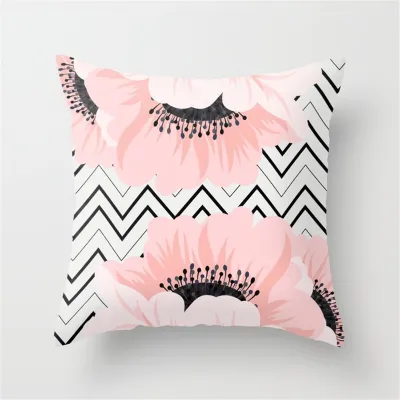
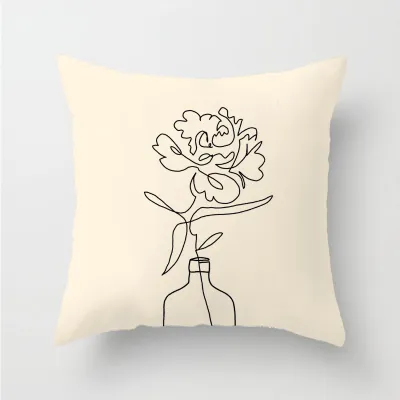
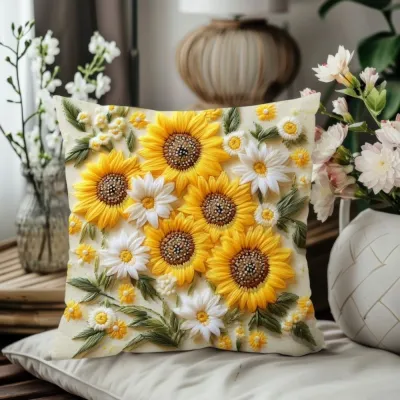
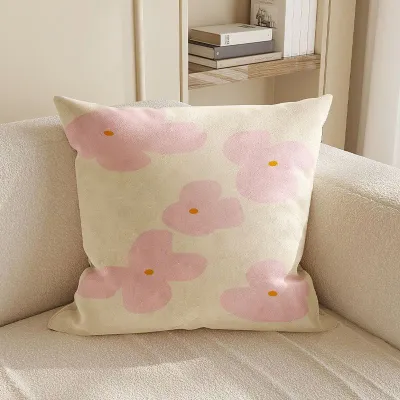
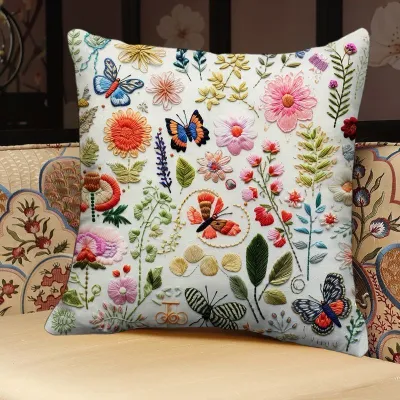
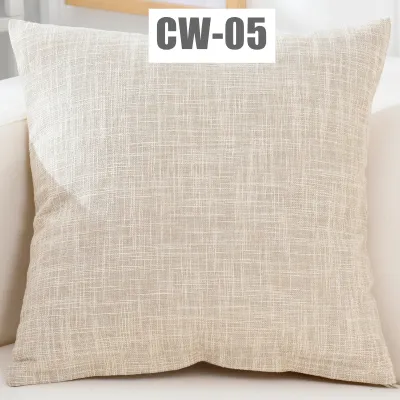
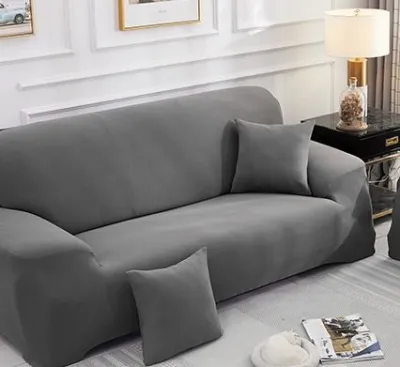
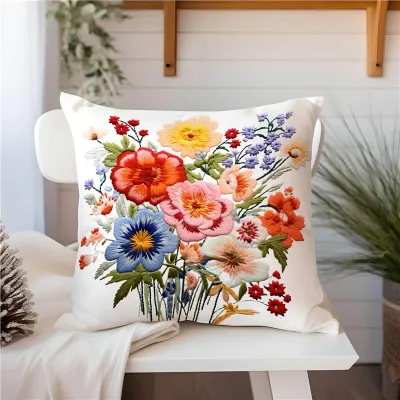
Prices are valid at publication and may change. Please refer to the product page for the latest price.
From a financial perspective, swapping covers is incredibly practical compared to other upholstery updates. Reupholstering a standard three-seater sofa can easily cost upwards of S$800 to S$1,500 depending on the fabric quality and craftsmanship, while purchasing a brand-new sofa can run into the thousands. In contrast, a set of high-quality cushion covers typically costs a fraction of that amount, allowing you to achieve a comparable visual impact for under S$100 to S$200 overall.
This approach also offers unparalleled flexibility for seasonal decorating and evolving design trends. Instead of committing to a bold, trendy sofa color that you might tire of in a year, you can keep your large furniture pieces neutral and use cushion covers to experiment with seasonal tones. For instance, you can rotate to light, breathable fabrics during warmer months and transition to richer, heavier textures during the cooler year-end season, storing the unused covers flat in a closet without taking up valuable storage space.
Key Criteria for Choosing the Right Cushion Covers
To ensure your new cushion covers look tailored and professional, you must start with accurate measurements of your existing cushion inserts. Measure your inserts from seam to seam along the edges while they are laid flat, rather than measuring diagonally or across the center bulge. For a plump, well-filled appearance, a common styling rule is to choose a cushion cover that is 2cm to 5cm smaller than the insert itself, particularly when using natural fills like feather or down. If you are using synthetic polyester fiberfill inserts, matching the cover to the exact dimensions of the insert is usually preferred to prevent the filling from clumping.

Evaluating the closure type of the cushion cover is essential for both aesthetics and long-term maintenance. Hidden zippers are the preferred choice for modern and minimalist styles because they remain concealed along the bottom seam, creating a clean, uninterrupted profile. However, you should inspect the zipper quality to ensure it is sturdy and stitched securely, as cheap zippers can easily split when inserting plump cushions. Envelope closures, which feature overlapping fabric flaps on the back, offer a classic look and make cover removal incredibly easy, though they can gap open if the insert is overstuffed.
Fabric durability and weave tightness are critical factors, especially in high-traffic living rooms or households with pets and children. Loose weaves, such as coarse linen or heavily textured macrame, are highly susceptible to snagging from pet claws, jewelry, or toy edges. To test weave tightness, gently pull the fabric diagonally; if the threads shift easily or leave visible gaps, the cover may not hold up well to daily wear. Opt for tightly woven fabrics like heavy cotton canvas, flat-weave synthetics, or performance blends for busy communal spaces.
Always review the manufacturer’s care labels for washing instructions and shrinkage risks before making a purchase. Natural fibers like cotton and linen are prone to shrinking if washed in hot water or dried in a machine, which can render the cover too small for your existing insert. If you prefer low-maintenance decor, look for covers labeled as pre-shrunk or machine-washable, and consider synthetic blends that retain their shape and color through multiple wash cycles.
Design Styles You Can Achieve Through Cushion Swaps
Your choice of cushion covers acts as a style shorthand for your entire living room. By carefully combining specific colors, patterns, and textures, you can establish a distinct design direction that ties together your walls, rugs, and lighting.
Minimalist and Scandinavian Aesthetics
To achieve a calm, uncluttered, and light-filled Scandinavian or minimalist environment, focus on a restrained color palette and rich tactile textures. Select cushion covers in neutral tones such as cream, oatmeal, soft grey, and beige, or introduce muted earth colors like sage green, terracotta, and dusty blue. Instead of relying on bold patterns for visual interest, layer different textures like boucle, waffle-weave cotton, and heavy linen to create depth without visual noise.
Avoid busy geometric prints or high-contrast designs that disrupt the sense of visual quietness. Stick to clean lines, solid colors, and subtle tone-on-tone variations. For example, pairing a smooth cream cotton cushion with a textured beige boucle cushion on a light grey sofa creates a sophisticated, layered look that feels warm and inviting while remaining strictly minimalist.
Bohemian and Eclectic Vibes
If you prefer a relaxed, globally inspired, and highly expressive living space, cushion covers are the perfect medium for building a bohemian aesthetic. This style thrives on layering diverse textures, rich jewel tones, and expressive patterns. Look for covers featuring tactile details such as macrame, tufting, tassels, fringes, and intricate embroidery to give your sofa a curated, traveled feel.
To prevent a mix of bold patterns from looking chaotic, establish a consistent underlying color family to tie the arrangement together. For instance, you can mix a Moroccan-inspired geometric print, a tufted cream cotton cover, and a solid rust-orange velvet cushion, provided they all share a warm, earthy undertone. This common thread allows you to mix disparate patterns and textures while maintaining a cohesive visual flow.
Modern and Contemporary Looks
For a sophisticated, structured, and high-contrast contemporary living room, choose cushion covers that make a bold statement. Modern design utilizes clean geometric prints, sharp color blocking, and luxurious, light-reflective fabrics. Incorporating materials like plush velvet, heavy structured linen, or sleek faux leather adds an instant sense of luxury and architectural structure to your seating.
Use your cushions as deliberate focal points against a sleek, neutral sofa. If you have a dark charcoal or deep navy sofa, accent it with high-contrast covers in mustard yellow, metallic gold embroidery, or stark black-and-white geometric patterns. Keep the shapes of the cushions crisp and well-defined, opting for firm inserts that hold their structure to reinforce the clean lines of contemporary design.
Comparing Common Cushion Cover Materials for Living Rooms
Selecting the right fabric involves balancing your aesthetic goals with the practical realities of your household. The table below outlines how common cushion cover materials compare across key performance and maintenance dimensions.
| Material | Texture & Feel | Durability | Cleaning & Maintenance | Best Suited For |
|---|---|---|---|---|
| Cotton | Soft, smooth, and highly breathable | Moderate to high; prone to wrinkling | Usually machine washable; check for shrinkage | Everyday use, family homes, and warm climates |
| Linen | Textured, organic, and breezy | High tensile strength; softens over time | Machine washable or dry clean; prone to creasing | Scandinavian, coastal, and relaxed aesthetics |
| Velvet | Luxurious, plush, and exceptionally soft | Moderate; pile can crush or wear down | Often dry clean only or delicate cycle; spot clean | Modern, contemporary, and formal living spaces |
| Polyester Blends | Smooth to textured; highly versatile | Very high; resistant to stretching and wrinkles | Easy to machine wash; quick-drying | High-traffic areas, homes with pets, and budget refreshes |
Natural fibers like cotton and linen offer excellent breathability and a beautiful, organic texture that ages gracefully. However, they require more care to manage wrinkling and potential shrinkage during washing. Synthetic polyester blends, on the other hand, provide exceptional durability, resist fading, and are highly resistant to wrinkles, making them incredibly easy to maintain in busy households. When shopping, remember that specific performance claims, such as stain resistance or UV fade resistance, must always be verified directly via the manufacturer’s product specifications rather than assumed based on the material category alone.
Practical Rules for Arranging and Layering Cushions
Styling your cushions like a professional interior designer relies on simple rules of scale, proportion, and balance. One of the most reliable guidelines is the rule of odd numbers, which suggests that arrangements of three or five cushions look more natural and visually pleasing than strict, symmetrical pairs. For a standard loveseat or small sofa, a three-cushion arrangement works beautifully, while a larger three-seater sofa can easily accommodate a five-cushion display.
To create depth, mix different sizes and shapes rather than using identical squares. Start by placing your largest anchor cushions (typically 50cm or 55cm squares) in the back corners of the sofa. Layer slightly smaller square cushions (such as 45cm or 40cm squares) directly in front of them. Finally, complete the arrangement by placing a rectangular lumbar cushion (such as 30cm x 50cm) in the center or tucked into one side to break up the repetitive square shapes and provide lower back support.
Balancing patterns with solid colors is crucial for maintaining visual harmony across your seating area. A classic, foolproof styling formula is to use one bold pattern, one subtle pattern or texture, and one solid color that echoes a tone found in the patterns. Distribute these elements evenly across the sofa rather than clustering all the patterns on one side, ensuring the eye moves smoothly across the entire arrangement.
What to Verify Before Buying Cushion Covers Online
Shopping for cushion covers on e-commerce platforms offers an incredible variety of designs, but it requires careful verification to avoid common purchasing mistakes. First, always double-check the exact product dimensions listed in the description. Many online retailers sell the cushion cover alone, while others sell the cover and insert as a combined set; make sure you know exactly what is included in your purchase so you do not end up with empty covers and no inserts.
Because studio photography utilizes professional, high-intensity lighting, the color and texture of a cushion cover can look significantly different in person under standard home lighting. To verify color accuracy and fabric quality, scroll down to the customer review section and look for photos uploaded by previous buyers. These real-world images provide a much more accurate representation of how the fabric drape, sheen, and color will look in a typical living room environment.
Finally, always confirm the seller’s return policy and shipping terms before finalizing your order. If you are purchasing from international sellers on online marketplaces, return shipping fees can sometimes exceed the cost of the cushion covers themselves. Check if the platform offers free local returns or if there are restocking fees, ensuring you can easily exchange the covers if the color or material does not match your living room decor as expected.
Frequently Asked Questions (FAQ)
How often should I wash my living room cushion covers?
For standard household use, washing your cushion covers every three to six months is generally sufficient to maintain freshness and hygiene. However, if you have pets, young children, or frequently eat in the living room, you may need to wash them monthly or spot-clean spills immediately. Always refer to the specific care instructions on the product label, as delicate fabrics like velvet or silk may require dry cleaning, while cotton and synthetic blends can typically handle gentle machine washing.
Can I use outdoor cushion covers indoors for extra durability?
Yes, you can use outdoor cushion covers indoors, especially if you need high resistance to spills, stains, and heavy wear. However, keep in mind that outdoor fabrics are often treated with protective coatings that can make them feel stiff, rough, or less breathable than standard indoor fabrics. Before repurposing them for your main living room sofa, check the manufacturer’s specifications to ensure the fabric meets your standards for indoor comfort and skin-friendly safety certifications.
What is the best way to store seasonal cushion covers?
Before storing your seasonal cushion covers, wash or dry clean them thoroughly to remove any body oils, dust, or food particles that could attract pests or cause permanent stains over time. Once completely dry, fold them flat and store them in breathable cotton storage bags or wrap them in acid-free tissue paper to protect them from dust. Avoid using airtight plastic bins, as they can trap ambient moisture and lead to mildew growth, particularly in humid climates; instead, keep them in a cool, dry closet or drawer.
Community discussion
Share your experience or ask a question. Comments are reviewed before publication.