
Refreshing a living room does not require a complete overhaul of your furniture or an expensive, messy repainting project. One of the most effective, budget-friendly ways to transform your living space is by strategically updating your soft furnishings. Incorporating a cushion cover beige palette allows you to instantly alter the mood, style, and visual temperature of your home. By treating beige as a versatile canvas, you can easily transition your decor through different seasonal trends or completely new design aesthetics without high costs.
In Singapore’s apartments, where natural light and spatial efficiency are highly valued, soft neutrals play an essential role. Beige acts as an elegant, light-reflecting base that bridges the gap between your existing large furniture pieces and the fresh accent colors you want to introduce. Whether you want to achieve a calm sanctuary or a vibrant, modern interior, mastering the use of beige cushion covers is a simple yet powerful design strategy.
Why Cushion Cover Beige Tones Are a Versatile Update
Using a cushion cover beige selection offers a foundational design benefit: it acts as a neutral anchor. In interior design, a neutral anchor is a visual grounding element that prevents a room from feeling chaotic or overly busy. If you have a bold statement sofa, vibrant wall art, or an eclectic rug, beige cushions soften the overall composition, giving the eyes a place to rest. Conversely, if your room feels cold or sterile, the warm undertones of beige introduce an inviting, cozy atmosphere without the visual weight of darker colors.
Products mentioned in this guide
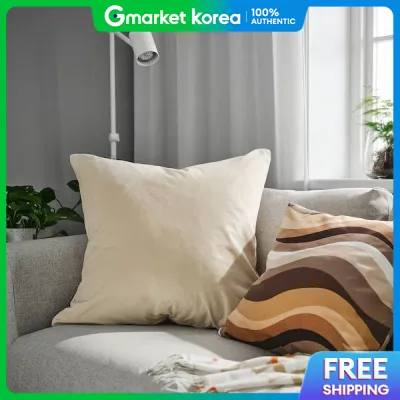
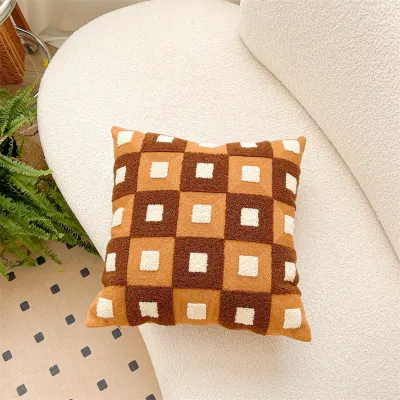
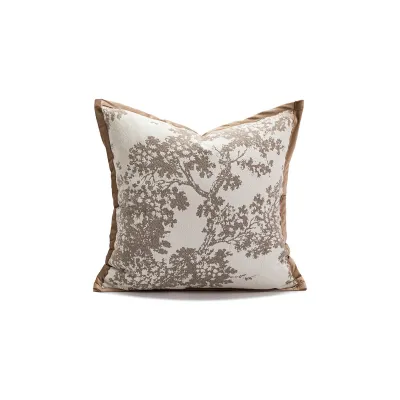
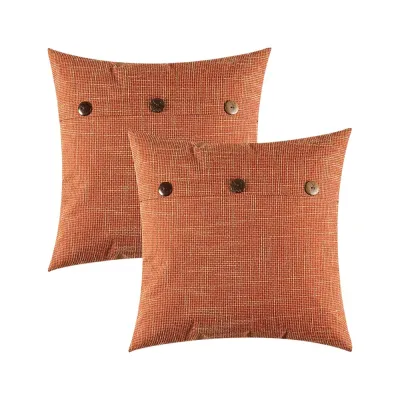
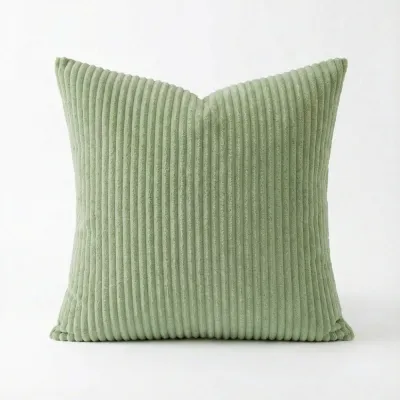
Prices are valid at publication and may change. Please refer to the product page for the latest price.
From a financial perspective, swapping cushion covers is incredibly cost-effective. Purchasing a new quality sofa in Singapore can easily cost anywhere from S$800 to over S$3,000. In contrast, high-quality cushion covers generally range from S$15 to S$60 each. This modest investment allows you to experiment with different design trends, textures, and colors without committing to long-term, expensive furniture purchases. It is a low-risk, highly reversible styling choice that suits both renters and homeowners looking for a quick refresh.
Furthermore, the architectural layout of typical Singapore apartments, such as HDB flats and condominiums, benefits significantly from light neutral tones. These spaces often rely on strategic light distribution to feel expansive. Dark or overly saturated cushions can absorb light and make a seating area look heavy or cramped. Beige reflects both natural sunlight from windows and artificial warm lighting from your ceiling fixtures, visually expanding the seating area and making the entire living room feel brighter, loftier, and more welcoming.
Matching Beige Covers to Your Living Room Theme
Beige is far from a one-size-fits-all color; its adaptability makes it compatible with a wide array of interior design themes. The key to successful integration lies in choosing the right fabric weight, finish, and complementary accents that align with your desired aesthetic.

Minimalist and Modern Spaces
In minimalist and modern living rooms, the primary goal is to maintain clean lines, uncluttered surfaces, and a sense of structured order. Beige cushion covers prevent these spaces from feeling clinical or uninvitingly cold. When styling a modern room, focus on solid beige tones or very subtle monochromatic patterns. Pair your beige covers with a palette of crisp whites, soft greys, and sharp matte black accents, which create a sophisticated, high-contrast look.
The choice of fabric is crucial for maintaining a sleek, contemporary profile. Opt for smooth, structured materials that hold their shape well, such as heavyweight cotton canvas, tight-weave linen blends, or covers featuring minimalist faux leather piping. Avoid floppy, loose fabrics or overly ornate embellishments like ruffles or heavy fringes. The clean edges of structured beige cushions complement the geometric lines of modern coffee tables and low-profile sofas, reinforcing a polished, architectural aesthetic.
Bohemian and Textured Retreats
If your goal is to create a warm, eclectic, and deeply relaxing bohemian sanctuary, beige serves as the perfect grounding element. A boho aesthetic thrives on organic variety and a relaxed, lived-in feel. Instead of relying on bright, chaotic colors, you can use beige cushion covers to establish a serene, cohesive baseline. This allows you to layer multiple decorative elements without the space feeling cluttered or visually overwhelming.
To bring a bohemian theme to life, prioritize highly textured fabrics that invite touch. Look for beige covers made of plush bouclé, chunky knits, tufted cotton, or those adorned with intricate macramé, embroidery, and tassel details. Pair these textured beige cushions with warm, earthy accent colors like terracotta, mustard yellow, rust, and olive green. This combination harmonizes beautifully with natural interior elements such as rattan lounge chairs, jute rugs, and light oak or teak wood furniture, creating a cozy, nature-inspired retreat.
Coastal and Nature-Inspired Themes
For homeowners looking to capture the breezy, tranquil atmosphere of a coastal resort, beige is an indispensable tool. It mimics the natural tones of coastal sand, providing a warm, organic foundation that pairs beautifully with the tropical climate of Singapore. A nature-inspired theme relies on light, airy, and breathable elements that blur the line between indoor comfort and outdoor serenity.
To achieve this coastal aesthetic, pair your beige cushion covers with soft sky blues, sage greens, and sea-glass accents. This color palette evokes the calming elements of the ocean and lush foliage. Focus on relaxed, highly breathable fabrics such as washed linen or pure cotton. These materials have a natural drape and a slightly crinkled texture that enhances the casual, wind-swept feel of the room. Combining these light fabrics with potted indoor plants and sheer linen curtains will make your living space feel like a refreshing, breezy oasis.
Choosing Textures and Patterns to Add Depth
One common concern when decorating with neutrals is that the space might end up looking flat, monotonous, or uninspiring. To prevent a beige-focused palette from losing its visual appeal, you must master the art of mixing different textures and subtle patterns. By layering varying surfaces, you create depth and shadow, which keeps the eye moving and makes the seating arrangement look professionally styled.
Different fabric textures convey distinct stylistic messages and tactile experiences. For instance, a beige velvet cushion cover introduces a touch of luxury, understated glamour, and a soft, light-catching sheen that elevates a formal living room. On the other hand, a washed linen cover offers a relaxed, casual, and organic feel that is perfect for everyday family spaces. If you want to introduce a cozy, retro, or mid-century vibe, corduroy covers with their distinct ribbed structure provide excellent tactile contrast and structural interest.
In addition to texture, incorporating subtle patterns is an effective way to break up solid blocks of color. Look for beige covers that feature tonal embroidery, where the pattern is stitched in a slightly lighter or darker beige thread. Geometric jacquard weaves, soft pinstripes, or herringbone patterns in cream and sand tones add sophisticated visual interest without clashing with your existing decor.
The secret to a successful neutral arrangement is tone-on-tone layering. Instead of matching every cushion to the exact same shade of beige, select a spectrum of tones within the beige family—ranging from pale cream and warm ivory to deep oatmeal, sand, and soft taupe. When you mix a pale cream velvet cushion with a sand-colored chunky knit and an oatmeal linen cover, the varied textures and subtle tonal shifts create a rich, sophisticated, and multidimensional look that feels cohesive yet dynamic.
Practical Tips for Arranging and Layering
Once you have selected your beige cushion covers, the final step is arranging them on your furniture to maximize their visual impact. Professional interior styling often relies on simple structural rules to create balanced, inviting seating areas on sofas, sectionals, or accent chairs.
A fundamental guideline in styling is the “rule of odd numbers.” Grouping cushions in sets of three or five tends to look more natural and visually appealing than even, symmetrical pairings. To create a dynamic arrangement, mix different sizes and shapes. For a standard three-seater sofa, start with two large square cushions (such as 50cm x 50cm) at the outer corners to act as your anchor pieces. Next, place slightly smaller square cushions (such as 40cm x 40cm or 45cm x 45cm) just inside the larger ones. Finally, complete the look with a single rectangular lumbar pillow (such as 30cm x 50cm) in the center to break up the repetitive square shapes.
When layering, use your beige covers strategically to create a clear focal point. Place your solid, larger beige cushions at the very back of the arrangement to establish a clean, neutral background. In front of these, layer your highly textured or patterned accent cushions. This technique allows the unique details of your accent pieces to stand out clearly against the calm beige backdrop, preventing the colors from competing with one another.
This layering strategy also makes it incredibly easy to adjust your decor to match different seasons, holidays, or personal moods. Because your core, larger beige cushion covers remain on the sofa as a permanent neutral foundation, you only need to swap out the smaller, front-facing accent cushions to completely change the look. For a warm, festive feel during year-end holidays, you can add deep red or forest green accents. When you want a cooler, refreshing vibe for the hot mid-year months, simply swap those out for soft sage or sky blue covers.
Frequently Asked Questions (FAQ)
How do I clean and maintain beige cushion covers?
To keep light-colored cushion covers looking pristine, always review the manufacturer’s care label before attempting any cleaning. For immediate spills, gently blot the liquid with a clean, dry white cloth; avoid rubbing, which can push the stain deeper into the fabric fibers. For general maintenance, most cotton and polyester-blend covers can be machine-washed on a gentle cycle using cold water and a mild detergent. For delicate materials like silk, wool, or heavily embroidered linen, professional dry cleaning or careful hand washing is recommended. Always air dry your covers in a shaded, well-ventilated area, as direct, harsh sunlight can cause light neutral fabrics to yellow over time.
What colors go best with beige cushion covers?
Beige is an exceptionally cooperative neutral that pairs beautifully with a wide variety of colors to create distinct moods. For a classic, sophisticated, and high-contrast look, pair beige with deep navy blue or charcoal grey. If you prefer a calming, organic, and nature-inspired environment, combine beige with olive green or soft sage. To introduce a warm, modern, and gently romantic atmosphere, pair beige with blush pink or dusty rose. These combinations allow you to easily shift the visual energy of your living room while maintaining the elegant, grounding presence of your beige base.

Community discussion
Share your experience or ask a question. Comments are reviewed before publication.