
Verifying the authenticity of a 1985 Singapore coin set before finalizing a purchase is essential for collectors and cultural decor enthusiasts alike. These vintage sets, representing a significant era in Singapore’s numismatic history, are highly valued not only for their historical significance but also as elegant display pieces in modern homes and offices. Because counterfeiters have grown increasingly sophisticated, relying on a casual visual check is no longer sufficient to guarantee that a set is genuine.
To secure an authentic piece of history, buyers must employ a systematic verification process. This involves identifying the exact variant of the 1985 set, conducting meticulous physical inspections of the coins, evaluating the original packaging and documentation, and carefully vetting the seller. By taking these deliberate steps, you can confidently acquire a genuine artifact that preserves both its financial value and its aesthetic appeal as a premium decorative item.
Identifying the Specific 1985 Singapore Coin Set Variant
Before attempting to verify individual coins, you must determine the exact type of 1985 Singapore coin set you are evaluating. The Monetary Authority of Singapore (MAS) and the Singapore Mint have historically released different versions of annual coin sets, and the authentication benchmarks differ significantly among them. The most common variants include standard uncirculated coin sets, proof sets, and specific commemorative issues.
Products mentioned in this guide
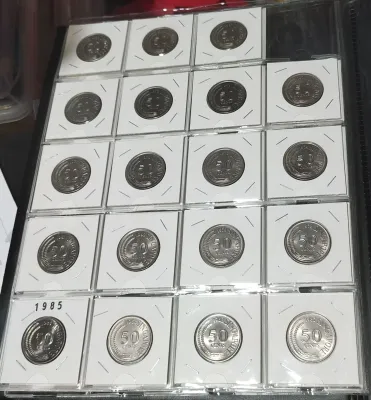
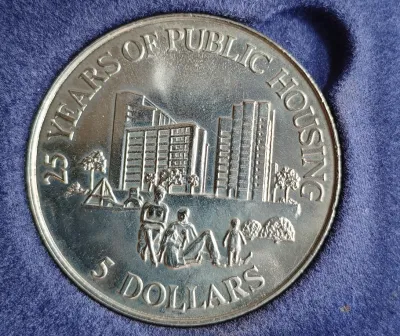
Prices are valid at publication and may change. Please refer to the product page for the latest price.
Standard uncirculated sets contain coins struck with higher quality controls than general circulation issues, typically exhibiting a satin-like luster and housed in plastic cards. In contrast, proof sets are struck using specially prepared dies and polished blanks, resulting in a mirror-like background and frosted, highly detailed designs. These premium sets are housed in deluxe presentation cases and accompanied by official certificates.
To establish a baseline for your inspection, cross-reference the set’s claimed contents, denominations, and mintages with official historical archives or recognized numismatic reference guides. Knowing the exact metal composition, expected weight, and diameter of each coin in the specific 1985 variant is crucial. For instance, a commemorative silver coin will have vastly different physical specifications than a standard copper-nickel circulation coin of the same denomination. Never rely on generic assumptions; always match the set in hand to its official catalog entry.
Conducting a Physical Inspection of the Coins
A thorough physical inspection is the cornerstone of verification. Use a precision digital scale and calipers to measure the weight, diameter, and thickness of each coin, comparing these measurements against official mint specifications for the 1985 variant. Even minute discrepancies can indicate a counterfeit made from cheaper base metals.

Next, examine the surface details under magnification using a jeweler’s loupe. Genuine coins feature sharp details, clean lettering, and well-defined edges. Look closely for signs of casting, such as tiny bubbles, pitting, soft details, or a distinct seam along the edge where the mold halves met. Genuine struck coins feature sharp, vertical reeding without any trace of a joining seam.
Perform non-destructive tests to verify metal composition without risking damage. A magnetic slide test is effective for identifying silver coins, as genuine silver is diamagnetic and slides down a strong neodymium magnet slowly, whereas magnetic base metals stick or slide instantly. If the coins are in a sealed holder, do not force it open, as breaking the seal diminishes the set’s value. Instead, focus on visual inspection through the plastic, checking for correct luster and the absence of artificial toning.
Examining Original Packaging and Certificates of Authenticity
The packaging and documentation accompanying a 1985 Singapore coin set are critical components of its overall authenticity and value. For many collectors, the original presentation box and the Certificate of Authenticity (COA) are what elevate the set into a display-worthy cultural artifact. However, counterfeiters frequently target these elements, creating replica packaging or swapping genuine coins with fakes.
Begin by inspecting the outer box, plastic capsules, and factory seals for signs of tampering or modern reprinting. Examine the fonts, logos, and color profiles on the packaging. Genuine vintage packaging from 1985 will show natural signs of aging, but the printing quality should remain high, with sharp text and correct alignment. Be suspicious of packaging that looks entirely brand new, uses modern digital printing patterns (which appear as tiny dots under magnification), or features incorrect historical logos of the Singapore Mint or MAS.
If the set includes a COA, verify the paper quality, printing methods, and serial numbers. Genuine certificates of this era were typically printed on high-quality, textured paper with crisp, engraved, or letterpress printing rather than flat inkjet or laser printing. It is vital to remember, however, that a genuine-looking box or COA does not guarantee the authenticity of the coins inside. Part-swapping is a common issue in the secondary market, making it mandatory to combine packaging checks with a rigorous physical inspection of the actual coins.
Evaluating Sellers and Purchase Channels
Where and from whom you buy a 1985 Singapore coin set is just as important as the physical checks you perform. To minimize the risk of acquiring a counterfeit or misrepresented set, prioritize established numismatic dealers, recognized auction houses, or direct secondary market specialists. These professionals have a reputation to uphold and often employ in-house experts to verify their inventory before listing items for sale.
When browsing online marketplaces or dealing with private sellers, exercise extreme caution. Always request high-resolution, well-lit photographs of the actual item you will receive, rather than relying on stock images or low-quality photos. Ask for clear close-ups of the coin faces, the edges, any packaging flaws, and both sides of the certificate of authenticity. A reputable seller will be transparent and willing to provide these details to facilitate a safe transaction.
Additionally, always review the seller’s return policy and authenticity guarantee before committing to a purchase. Ensure there is a clear, documented recourse that allows you to return the set for a full refund if it fails independent professional verification. If a seller is offering a 1985 set at a price that seems too good to be true—such as a rare proof set priced significantly below established market values—it is highly likely to be a counterfeit or a damaged set.
Steps to Take If You Suspect a Counterfeit
If you suspect that a 1985 Singapore coin set offered for sale is a counterfeit, or if a set you have purchased fails your initial verification checks, you must act quickly. If the transaction is still in progress on an online marketplace or ecommerce platform, halt the transaction immediately and initiate a formal dispute or return process under the platform’s buyer protection policies. Do not delay, as these protection windows are often strictly time-limited.
For a definitive assessment, do not rely solely on your personal inspection. Seek the expertise of a professional numismatist or submit the set to a recognized third-party grading service. These organizations have specialized equipment and extensive databases to verify the metal composition, strike characteristics, and overall authenticity of the coins, providing a certified grade and holder that guarantees genuineness.
Finally, help protect the wider collecting community by reporting suspicious listings or fraudulent sellers to the platform administrators. Sharing your findings with local collector groups and numismatic forums can also raise awareness and prevent others from falling victim to the same deceptive practices.
Frequently Asked Questions (FAQ)
Can I rely solely on the Certificate of Authenticity to verify the set?
No, you should never rely solely on a Certificate of Authenticity (COA). Counterfeiters can easily replicate paper certificates using modern high-resolution scanners and digital printers. Additionally, dishonest sellers sometimes place counterfeit or lower-grade coins into genuine packaging accompanied by a real COA. A complete verification must always combine packaging analysis with a thorough physical inspection of the coins themselves.
Should I clean the coins to check for underlying metal issues?
No, you should never clean, polish, or perform harsh chemical tests on the coins. Cleaning a coin permanently damages its surface, removes its natural patina, and can reduce its numismatic and decorative value by over ninety percent. Professional grading services can easily detect cleaned coins and will often refuse to grade them. If you suspect a metal composition issue, use non-destructive testing methods or consult a professional instead.
Community discussion
Share your experience or ask a question. Comments are reviewed before publication.