
Verifying the authenticity of a Shangri-La diffuser requires a systematic approach that combines physical inspection, serial number validation, and careful evaluation of the purchasing channel. Because premium scent diffusers—especially those associated with luxury hospitality brands—are highly sought after, counterfeiters frequently produce lookalike devices. To ensure you are receiving a genuine product, you must inspect the packaging for precise branding, examine the build quality of the device, verify any security labels on the official manufacturer portal, and purchase only from authorized retailers.
A genuine diffuser does more than just disperse fragrance; it operates safely within standard electrical parameters and uses materials engineered to withstand concentrated essential oils. Counterfeit units often compromise on these critical aspects, presenting safety hazards and poor performance. By following a structured verification process, you can protect your investment and ensure a safe, high-quality aromatherapy experience in your home.
Why Authenticity Matters for Aromatherapy and Incense Burners
Using an unverified or counterfeit diffuser poses significant risks that extend far beyond a weak scent. From an electrical safety perspective, counterfeit electronic diffusers often bypass rigorous testing and lack proper electrical certifications. In Singapore, genuine electrical appliances or their power adapters should comply with local safety standards, often marked by official safety certification labels. A fake device may use substandard wiring, incorrect voltage regulators, or poorly insulated heating elements, which can lead to short circuits, electrical shocks, or even fire hazards in your living space.
Products mentioned in this guide
![Aroma Sense Shangri-La Hotel Aromatherapy Reed Diffuser (135ml) use for Aromatherapy - Spa - Home - Kitchen - Bath - Office/ Essential Oil [Re.D]](https://img.lazcdn.com/g/p/914a57d9585daa81cac454d399a36757.jpg_400x400q80.jpg_.webp)
![[SG Ready Stock]Amber / Flower Reed Diffuser Essential Oil 50ml Hilton Shangri-La CNY gift](https://img.lazcdn.com/g/p/f6393b64b6772a04bf47f97620bdeb3c.jpg_400x400q80.jpg_.webp)
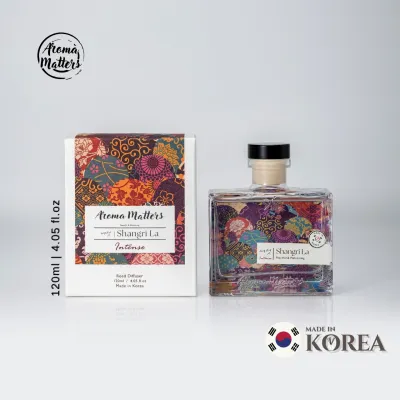
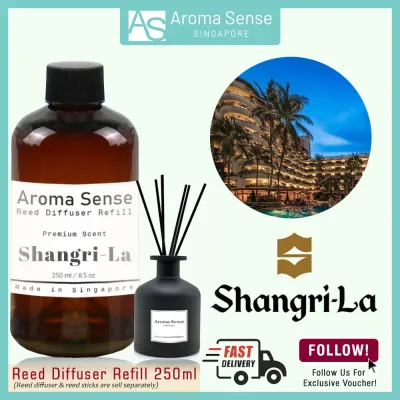
![(100+ Selections) Shangri-La Hotel/ Hilton Hotel/ Marriott Hotel/ Lavender/ Lemongrass/ Jasmine/ Rose/ Eucalyptus/ English Pear Freesia scent Premium Home Fragrance Aromatherapy Reed Diffuser (50ml) / Reed Refill (60ml) Essential Oil Scents [Re.D]](https://img.lazcdn.com/g/p/ebc5fe98e6aea39a35eb88f8aa95b792.jpg_400x400q80.jpg_.webp)
![(80+ Selections) Shangri-La Hotel/ Hilton Hotel/ Westin Hotel/ Lavender/ Jasmine/ Gardenia/ Ocean/ Bluebell/ Rose/ Osmanthus/ English Pear Freesia scent Premium Home Fragrance Reed Diffuser (50ml/ 180ml) / Reed Refill (60ml) Essential Oil [Re.D]](https://img.lazcdn.com/g/p/e3294d3bdf701cdabea90e0e32ea8caf.jpg_400x400q80.jpg_.webp)
![Shangri-La/ Hilton/ Westin Hotel/ Lavender/ Jasmine/ Gardenia/ Encounter/ English Pear Freesia scent Premium Home Fragrance Aromatherapy Reed Diffuser (120ml/ 135ml/ 150ml) Essential Oil Scents [Re.D]](https://img.lazcdn.com/g/p/639a01e9d31e0082f6a51186df74939e.jpg_400x400q80.jpg_.webp)
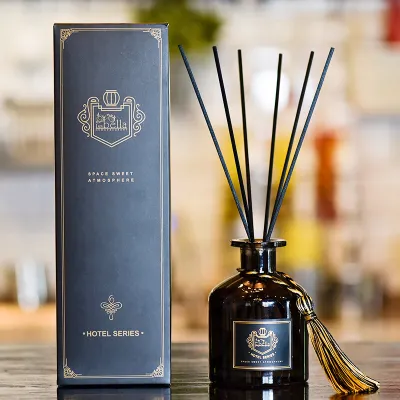
Prices are valid at publication and may change. Please refer to the product page for the latest price.
Material degradation is another major concern with counterfeit aromatherapy equipment. Genuine diffusers are constructed using high-grade, oil-resistant plastics (such as polypropylene) or premium ceramics and metals that do not react with highly concentrated essential oils. Counterfeit models often utilize cheap, non-resistant plastics that degrade when exposed to acidic or potent essential oils. This chemical breakdown can warp the device, cause leaks, and release harmful plastic chemical vapors into the air alongside the mist, defeating the health and wellness purpose of aromatherapy.
Furthermore, purchasing a counterfeit product deprives you of essential customer support and product warranties. Genuine manufacturers provide clear safety guidelines, detailed user manuals, and responsive customer service to assist with troubleshooting or part replacements. If a counterfeit device malfunctions, you have no recourse for repairs, refunds, or liability coverage. Investing in an authentic product ensures that you receive a reliable device backed by a manufacturer committed to safety and performance.
Physical and Visual Checks for Genuine Products
Before plugging in or filling a new diffuser, performing a thorough visual and tactile inspection is the first line of defense against counterfeit goods. Examining the external packaging and the physical construction of the device can quickly reveal manufacturing shortcuts that counterfeiters use to keep production costs low.

Packaging, Labels, and Documentation
The exterior packaging of a genuine Shangri-La diffuser reflects the premium nature of the brand. High-quality packaging features thick, sturdy cardboard, crisp and aligned printing, and accurate brand logos. Counterfeit boxes often exhibit blurry text, color bleeding, misaligned graphics, or even spelling errors in the product descriptions and safety warnings. Inspect the brand name closely; counterfeiters sometimes use subtle misspellings or slightly altered fonts to evade trademark detection.
Inside the box, a genuine product will always include comprehensive documentation. This typically consists of a professionally printed user manual in clear, grammatically correct language, safety instructions, and warranty information. Check for official safety certification marks printed on both the packaging and the device’s regulatory label, such as the CE mark, FCC certification, or the Singapore Safety Mark on the power adapter. If the documentation is missing, printed on low-quality paper, or contains obvious translation errors, the product is highly likely to be a counterfeit.
Additionally, compare the physical contents of the box against the official packing list provided on the brand’s website. Genuine packages include specific accessories, such as a designated power adapter, a measuring cup, or specific cleaning tools, all individually wrapped in high-quality protective packaging. Counterfeiters often omit these accessories or substitute them with generic, unbranded alternatives that do not match the specifications of the original product.
Build Quality, Materials, and Craftsmanship
The physical build of the diffuser provides immediate clues regarding its authenticity. Genuine luxury diffusers have a reassuring weight and a solid, balanced feel due to high-quality internal components and premium outer materials. When you handle the device, check the seam alignments along the body. Authentic manufacturing processes ensure tight, uniform seams with no visible gaps, glue residue, or overlapping plastic edges.
Examine the functional components of the diffuser, including the buttons, dials, power ports, and mist nozzles. On a genuine unit, buttons provide a firm, tactile click when pressed, and dials rotate smoothly without resistance or excessive play. The power connector port should be securely anchored inside the housing, allowing the power cable to plug in snugly without wobbling. Counterfeit units often feature loose, rattling buttons, misaligned ports, and rough, unfinished plastic edges along the seams.
Finally, pay attention to any unusual odors emanating from the device before its first use. Genuine diffusers are made from clean, stable materials that do not emit strong chemical or industrial smells. If you notice a strong, pungent odor of cheap plastic, industrial adhesives, or synthetic solvents when opening the device, this indicates the use of low-grade materials that may be unsafe for heating or ultrasonic misting.
Official Verification and Serial Number Tracking
Most premium aromatherapy brands implement tracking systems to help consumers verify their products. To confirm the legitimacy of your Shangri-La diffuser, locate the unique serial number, batch code, or security hologram sticker. This identifier is typically found on a silver or white regulatory label affixed to the base of the device, or printed directly onto the product packaging.
Once you locate the serial number, visit the manufacturer’s official website or their designated verification portal to enter the code. A genuine code will return a confirmation message indicating that the product is registered and authentic. If the portal states that the code does not exist, or if it shows that the code has already been searched multiple times from different locations, you are likely holding a counterfeit device.
Be cautious when relying solely on QR codes printed on the packaging. While many brands use QR codes for quick registration, counterfeiters can easily print identical static QR codes that redirect your smartphone to a cloned, fake landing page designed to look exactly like the official brand website. To avoid this deception, do not use generic QR scanners that automatically open links without showing the URL. Instead, inspect the destination URL carefully to ensure it matches the official, secure domain of the brand (look for https:// and the exact, correct spelling of the brand’s domain name) before trusting the verification result.
Evaluating Purchasing Channels and Seller Credentials
Where you buy your diffuser is just as important as how you inspect it. To minimize the risk of purchasing a counterfeit, prioritize official buying channels. These include the brand’s official website, authorized physical boutiques, and verified flagship stores on major online marketplaces. Purchasing directly from these sources guarantees authenticity and ensures you receive full warranty coverage.
When shopping on third-party online marketplaces or independent retail sites, look out for common red flags. The most prominent warning sign is a price that is drastically below the standard retail value. If a seller offers a brand-new Shangri-La diffuser for a fraction of its typical S$ retail price, the deal is likely too good to be true. Counterfeiters use extreme discounts to lure unsuspecting buyers looking for a bargain.
Before completing a purchase from an independent seller, thoroughly evaluate their credentials. Check customer reviews, paying close attention to any feedback mentioning poor build quality, unusual smells, or suspected fakes. Verify the seller’s return policy; reputable sellers offer clear, reasonable return windows and provide concrete contact information. If a seller has vague product descriptions, lacks a clear return policy, or refuses to provide proof of authorization from the brand, look for another source.
Steps to Take If You Receive a Suspected Counterfeit
If you suspect that the diffuser you received is a counterfeit, stop using the device immediately. Operating an unverified electronic diffuser poses electrical and chemical safety risks that are not worth taking. Your first step should be to document the product thoroughly. Take clear, high-resolution photos and videos of the packaging, the device, any misaligned seams, spelling errors, and the power adapter, as this evidence will be crucial for your dispute.
Next, contact the seller or the e-commerce platform’s customer support team to initiate a return and refund claim. Most major online marketplaces have buyer protection programs that cover counterfeit goods. Present your documented evidence clearly, highlighting the discrepancies between the received item and the genuine product specifications. Avoid accepting partial refunds or replacement offers from unverified sellers, as they may simply send another counterfeit unit.
Reporting the suspicious listing to the e-commerce platform or the brand’s official counterfeit reporting channel is also highly recommended. Reporting these listings helps protect other consumers from falling victim to the same scam and assists brands in taking legal action against unauthorized manufacturers. By taking these steps, you protect your consumer rights and contribute to a safer marketplace for aromatherapy enthusiasts.
Frequently Asked Questions (FAQ)
Can I rely solely on a QR code scan to confirm authenticity?
No, you should not rely exclusively on a QR code scan. Counterfeiters frequently clone static QR codes from genuine packaging and print them on fake boxes. When scanned, these cloned codes can redirect you to a sophisticated, fake replica of the brand’s website that falsely confirms the product is genuine. Always manually verify the website’s URL in your browser’s address bar to ensure it is the official, secure domain of the manufacturer, or enter the serial number directly on the official website.
Do genuine diffusers always come with a physical warranty card?
Not necessarily. While many premium diffusers historically included physical warranty cards, many modern brands have transitioned to digital warranty registration to reduce paper waste. In these cases, authenticity is verified through an e-receipt, an online order confirmation from an authorized channel, or by registering the device’s serial number on the official brand portal. Always check the manufacturer’s official website to understand their specific warranty registration process and documentation requirements.

Community discussion
Share your experience or ask a question. Comments are reviewed before publication.