
To ensure you are purchasing genuine Phutawan products online, you must verify the storefront’s official credentials, inspect the physical packaging, and check the material quality of the items. Because counterfeit wellness and home fragrance products can contain harmful synthetic chemicals or pose fire hazards, buying from verified sources is essential for your safety and peace of mind.
Aromatherapy products like natural incense and burners are designed to create a soothing, therapeutic atmosphere in your home. However, the rising popularity of premium Thai wellness brands like Phutawan has led to an influx of counterfeit items on major online marketplaces. Using fake incense can expose your household to unregulated synthetic fragrances and heavy metals, while poorly constructed burners present serious fire risks. Protecting your living space requires knowing how to identify authorized digital storefronts and spot the physical warning signs of imitation goods.
Identifying the Legitimate Phutawan Store Online
When shopping on an ecommerce platform, your first line of defense is looking for official verification badges. Most major online marketplaces use specific icons, such as a premium brand mall tag, a verified checkmark, or an “Official Store” label, to designate brands that have submitted legal trademark and business registration documents. If a storefront lacks these platform-certified badges and simply uses the brand name in its title, treat it with caution.
Products mentioned in this guide
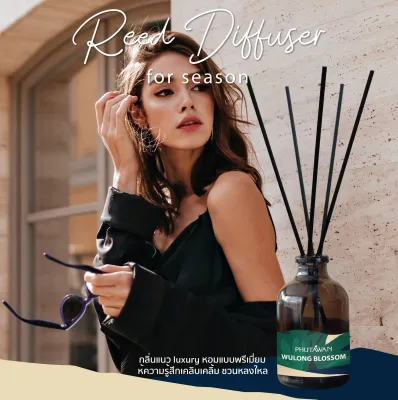
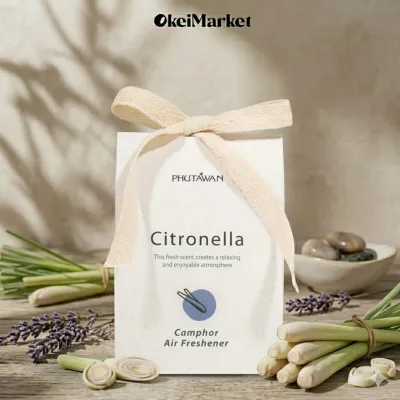
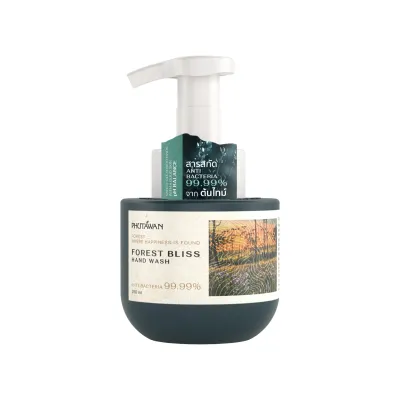
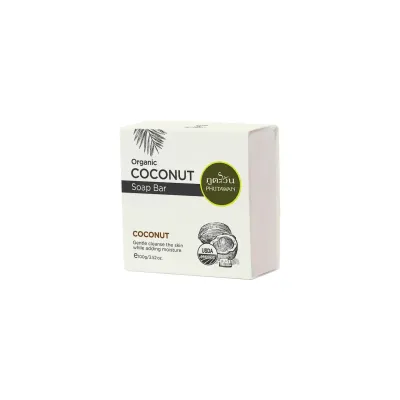
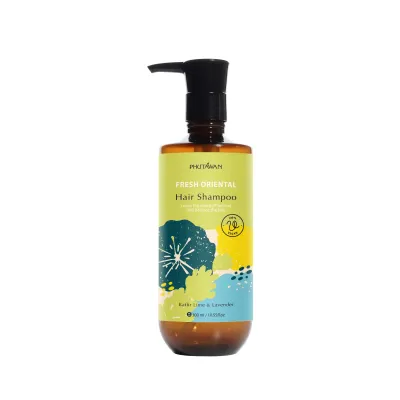
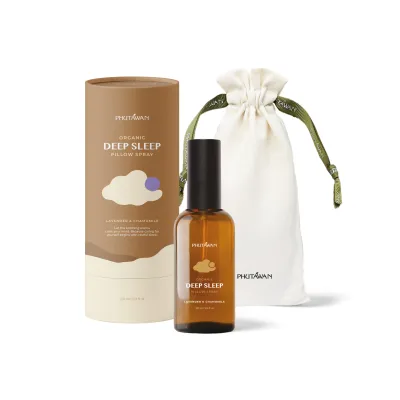
Prices are valid at publication and may change. Please refer to the product page for the latest price.
Cross-referencing is another highly reliable way to confirm a seller’s legitimacy. Visit the brand’s official global website or verified social media profiles to see if they link directly to their authorized regional storefronts. Many brands maintain a directory of authorized online distributors or official flagship stores for different countries, including Singapore. If a seller claims to be an official distributor but is not listed on the brand’s official channels, contact the brand directly to verify their status.
Examine the store’s history and operational metrics before making a purchase. Legitimate brand stores typically have a long-standing presence on the platform, high customer service response rates, and a consistent catalog of products. Be wary of stores with generic, randomized names, those that have only been active for a few weeks, or shops that mix home fragrance items with unrelated cheap merchandise. A sudden influx of cheap aromatherapy products from a store that previously sold electronics is a major red flag.
Analyze the product listings for professional presentation and realistic pricing. Official stores use high-resolution, consistent product photography, accurate translations, and detailed specifications. If the listings feature blurry images, watermarks from other sellers, or highly inconsistent pricing that seems too good to be true, you are likely looking at an unauthorized reseller or a counterfeit operation. While official stores may run promotions, extreme discounts of more than 50% off the standard retail price should be approached with skepticism.
Spotting Counterfeit Incense and Burners
Packaging and Labeling Checks
Genuine Phutawan packaging reflects the brand’s commitment to quality and eco-friendly presentation, often utilizing recycled paper and clean, minimalist designs. Inspect the outer boxes, sleeves, or wrappers for crisp, high-quality printing. Counterfeiters often use low-grade scanning equipment to replicate packaging, resulting in blurry text, pixelated logos, and misaligned design elements that look cheap upon close inspection.

Carefully read the product labels for spelling mistakes, grammatical errors, and missing information. Authentic packaging always includes clear ingredient lists, usage instructions, safety warnings, and manufacturer details. If the text is poorly translated, contains typos, or lacks standard product details, the item is highly suspect. Additionally, check the language of the packaging; official exports to international markets often feature English labeling alongside the original Thai text.
Look for specific batch codes, manufacturing dates, and authenticity markers. Genuine products usually have these details stamped or printed clearly on the base or back of the packaging rather than being part of the static label design. If these codes are missing, smudged, or appear to have been scraped off, do not use the product. Some brands also employ security holograms or QR codes that link to a verification portal; always scan these to ensure they lead to the official brand domain rather than a lookalike website.
Material and Craftsmanship Indicators
The physical characteristics of the incense sticks can reveal their authenticity. Genuine natural incense sticks are typically hand-rolled or extruded with uniform thickness and consistent coloring, using natural binders and plant-based materials. Counterfeit sticks often show extreme variations in size, crumble easily, or emit a harsh, chemical odor even before they are lit. When burned, genuine incense produces a clean, subtle aroma, whereas fakes often release thick black smoke and a choking, synthetic smell.
Examine the construction of burners and holders. Authentic burners are crafted from durable materials like ceramic, stone, or heat-resistant metal, featuring even glazing and smooth finishes. Counterfeit burners often have rough edges, uneven paint, thin walls, or visible cracks that compromise their structural integrity. Because these items must withstand high temperatures from burning incense or charcoal, poor craftsmanship is not just an aesthetic issue but a safety hazard.
Assess the weight and tactile feel of the items. Genuine ceramic or stone burners have a reassuring heft that reflects their material quality and thermal mass. If a burner feels unusually light, hollow, or fragile, it may be made of cheap, non-heat-resistant composites that could crack or melt when exposed to open flames. Always compare the weight and texture of the items against known genuine products or official product descriptions available on the brand’s verified website.
Safe Purchasing Practices and Dispute Resolution
Protecting yourself starts at the checkout stage. Always complete your transactions within the official payment gateway of the ecommerce platform. Avoid sellers who ask you to transfer money directly to a private bank account, use external payment links, or communicate outside the platform’s official chat system. These external transactions bypass the platform’s buyer protection policies, leaving you with no recourse if the product is counterfeit or never arrives.
When your package arrives, document the unboxing process. Take a continuous video showing the unopened shipping label, the condition of the outer box, and the physical state of the products as you unpack them. Zoom in on the packaging details, batch codes, and any visible defects. This visual evidence is invaluable if you need to prove to the platform’s dispute team that you received a counterfeit or damaged item rather than a genuine product.
If you suspect you have received a counterfeit product, initiate a dispute immediately through the platform’s official channels. Do not click the button to confirm receipt or complete the order, as this action typically releases the funds to the seller and closes the window for easy refunds. Submit your unboxing video, photos of the packaging discrepancies, and a detailed description of the issues to support your refund claim. Follow the platform’s official return and refund procedures carefully, and do not ship the item back to a private address provided by the seller without platform authorization.
Frequently Asked Questions (FAQ)
Can I trust third-party sellers with high ratings?
High seller ratings are not a guarantee of product authenticity. Some unauthorized sellers manipulate their ratings through fake reviews, brushing schemes, or by initially selling genuine low-cost items to build a positive reputation before switching to counterfeit stock. A high rating can also reflect fast shipping times or good customer service rather than the actual authenticity of the products they distribute.
To get an accurate picture, filter the reviews to read the negative feedback. Look specifically for comments mentioning chemical smells, poor packaging, or differences from previously purchased genuine items. If multiple recent reviews raise red flags about product authenticity, it is safer to buy directly from the verified official store, even if the third-party seller offers a slightly lower price.
What should I do if I receive a suspected fake product?
If you suspect an incense stick or burner is counterfeit, stop using it immediately. Burning counterfeit incense can release toxic fumes from synthetic binders, industrial dyes, and artificial fragrances, posing respiratory health risks to your household and pets. Similarly, a fake burner may crack under high temperatures, creating a serious fire hazard or damaging your furniture.
Contact the ecommerce platform’s customer support team right away to report the seller for listing counterfeit goods. Provide your documented evidence, including photos of the packaging and the product’s physical defects. Keep the item and its original packaging intact until the platform resolves your dispute, as you may be required to return it or provide further proof to secure your refund.
Community discussion
Share your experience or ask a question. Comments are reviewed before publication.