
The Hungry Ghost Festival, observed during the seventh month of the lunar calendar, is a deeply significant period of cultural remembrance, respect, and filial piety. For many households in Singapore, establishing a proper prayer altar at home is an essential practice to pay respects to ancestors and wandering spirits. Setting up this sacred space requires a thoughtful selection of traditional items, ranging from stable tables and auspicious cloths to lighting, incense, and specialized tableware.
In a modern urban environment characterized by high-rise HDB flats and condominiums, planning your prayer altar involves balancing age-old customs with contemporary home safety. This guide outlines the essential components needed to create a respectful, functional, and safe prayer altar, ensuring you can observe these time-honored rituals with peace of mind.
Quick Checklist for Your Hungry Ghost Festival Altar
Before purchasing items, it is helpful to understand the core categories that make up a complete setup. A well-organized altar is divided into foundational structures, lighting and incense tools, ritual tableware, and symbolic cultural decorations. Organizing your preparations around these categories ensures that no critical element is overlooked.
Products mentioned in this guide
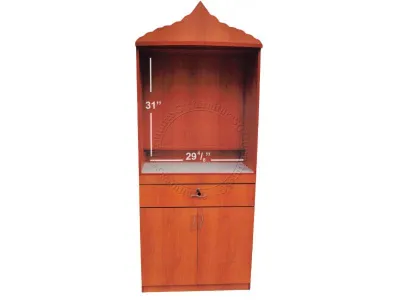
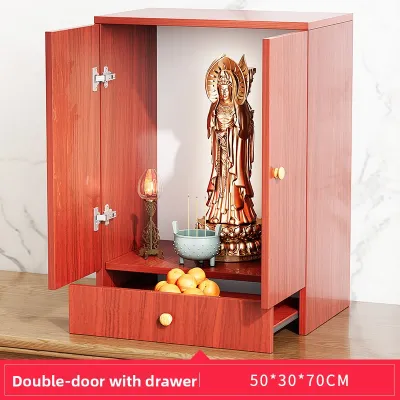
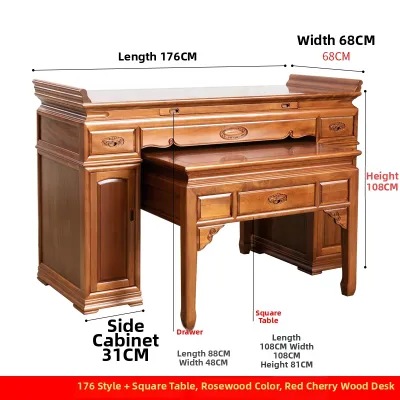
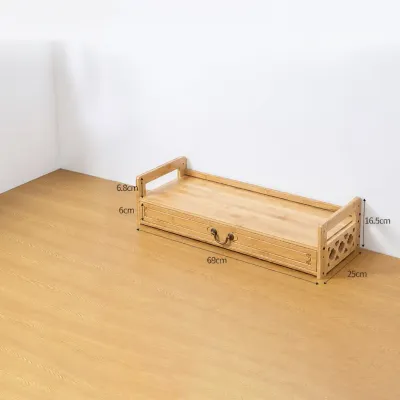
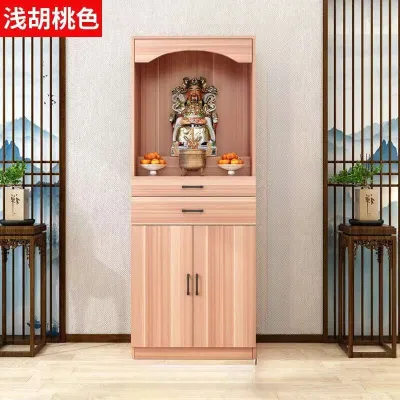
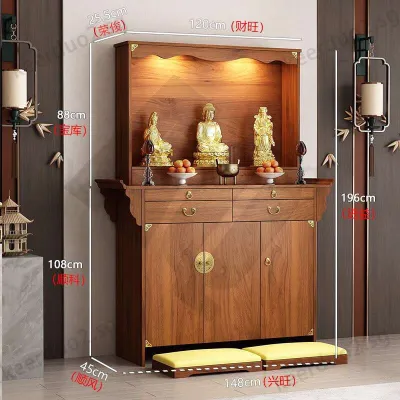
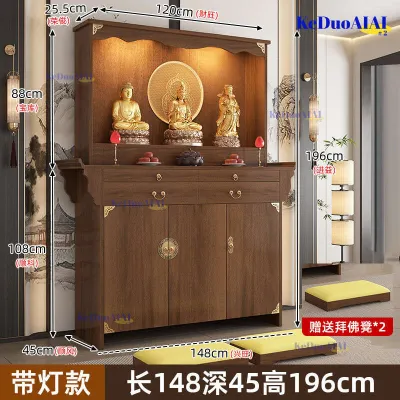
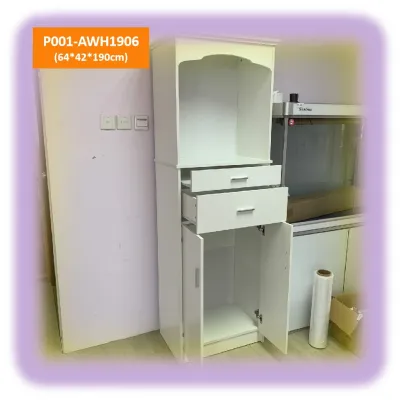
Prices are valid at publication and may change. Please refer to the product page for the latest price.
Use this high-level checklist to audit your supplies before the festival begins:
- Base and Background: A sturdy table, a traditional altar cloth in auspicious colors, and optional backdrops or banners.
- Lighting and Incense: Safe illumination sources (such as LED candles or traditional wax candles with protective holders) and a reliable incense burner with low-smoke incense sticks.
- Ritual Tableware: Dedicated cups for tea and wine, along with coordinated plates and bowls for food offerings.
- Cultural Decorations: Symmetrical ornaments like lanterns, lotus flowers, and secure, fire-resistant storage for joss paper.
By selecting items within these categories with care, you can establish an altar that honors tradition while seamlessly fitting into a modern apartment layout.
Setting the Foundation: Tables, Cloths, and Backdrops
Choosing a Stable Table and Traditional Cloths
The physical foundation of your prayer altar dictates both the safety and aesthetic appeal of the entire setup. A dedicated table must be selected with stability as the primary criterion. During the festival, the altar will support heavy items, including solid brass incense burners, filled ceramic vessels, and multiple plates of food offerings. Choosing a flimsy or folding table can lead to accidental tipping, presenting a major safety hazard. Ensure the table is positioned on a flat, level floor and has a weight capacity that comfortably exceeds the combined weight of all planned offerings and ritual items.

Once a stable table is secured, dressing it with a traditional altar cloth establishes the sacred boundary of the space. In Chinese tradition, colors such as red, yellow, and gold are highly auspicious, symbolizing respect, vitality, and prosperity. Cotton, polyester, and silk are popular material choices; polyester offers easy cleaning in case of oil or wax spills, while silk and high-grade cotton provide a more traditional texture.
When selecting an altar cloth, precise measurements of your table are necessary. Measure the length, width, and height of the table before purchasing. The cloth should drape elegantly over the front and sides to create a clean visual appearance, but it must never touch the floor. A cloth that is too long can easily be stepped on or caught by passing pets or children, which risks pulling the entire altar setup down. Aim for a drape that stops at least five to ten centimeters above the floor level. When cleaning your altar table or washing the cloth, always check the applied cleaning product’s label and the treated item’s manufacturer instructions. If instructions conflict, the item is unidentified, or the use is not covered, stop and consult the manufacturer or a qualified professional.
Hanging Backdrops and Auspicious Banners
A backdrop or hanging banner completes the visual boundary of the prayer altar, providing a respectful focal point. Traditionally, these backdrops feature representations of deities, ancestral lineages, or auspicious Chinese calligraphy expressing blessings and protection. These fabric or paper scrolls help define the altar space, especially when the setup is temporary and placed against a standard household wall.
For modern homes, particularly rental units or newly painted apartments, installing these backdrops requires damage-free methods. Avoid nailing or drilling directly into the walls. Instead, utilize high-quality adhesive hooks designed for clean removal, or employ adjustable tension rods if the altar is positioned within a recessed wall space or alcove. Always verify the weight limit of any adhesive hooks used and ensure the wall surface is thoroughly cleaned before application to prevent the backdrop from falling. Before applying adhesives to painted walls or wallpaper, check the adhesive product’s label and the wall manufacturer’s care instructions to prevent peeling or permanent damage.
Safety is paramount when positioning any hanging fabric near an active altar. Backdrops must be securely fastened at both the top and bottom to prevent them from fluttering or swaying due to drafts from open windows, fans, or air-conditioning units. Keep a safe clearance distance between the bottom of the hanging banner and any open flames, wax candles, or active incense burners. The rising heat and smoke from incense can discolor fabrics over time, and a loose banner blowing into an open flame represents an immediate fire risk.
Lighting and Incense: Balancing Tradition with Home Safety
Candles, Oil Lamps, and LED Alternatives
Lighting plays a central symbolic role during the Hungry Ghost Festival, representing guidance for spirits and prosperity for the household. Traditionally, pairs of bright red wax candles or liquid oil lamps are lit on either side of the altar. While these traditional sources offer an authentic atmosphere, they present significant fire hazards in enclosed residential spaces.
For modern apartments, such as HDB flats and condominiums, high-quality LED flameless candles and electric oil lamps are highly recommended as the primary lighting choice. These modern alternatives eliminate the risks associated with open flames, hot wax spills, and indoor air pollution. When choosing electronic altar lights or LED candles, verify the voltage, base or interface type, wattage limits, dimensions, dimming methods, and suitability for your installation environment. Ensure they carry local electrical certifications such as the Singapore Safety Mark. For any fixed wiring or suspended decorative lighting installations, always isolate the power before starting, follow the manufacturer’s installation instructions, and consult a qualified professional if you are unsure of the electrical boundaries. The choice of lighting style, perceived color temperature (such as a warm amber glow versus a bright red light), and spatial placement are conditional preferences that depend on your family’s aesthetic traditions rather than universal performance metrics.
If your household prefers to use traditional wax candles or oil lamps for specific ritual moments, strict safety protocols must be followed. Always place wax candles in heavy, non-flammable holders designed to catch all dripping wax. The bases of these holders should be wide and heavy to prevent tipping. Never place candles or oil lamps directly on a fabric altar cloth without a heat-proof barrier, such as a ceramic tile or metal tray. Most importantly, never leave open flames unattended; extinguish all candles and oil lamps immediately if you leave the room or go to sleep.
Incense Burners, Sticks, and Ash Catchers
The offering of incense is the core communicative act of the prayer ritual. Selecting the right incense burner (or censer) involves evaluating both material stability and heat resistance. Heavy brass burners are highly favored for their durability and weight, which prevents them from shifting or tipping when incense sticks are inserted. Ceramic burners are also excellent choices, offering natural heat resistance and a wide variety of traditional glazed finishes. Whichever material you choose, inspect the bottom of the burner; if it lacks built-in feet or insulation, place a heat-proof pad or coaster beneath it to protect your altar table and cloth from heat damage.
The choice of incense sticks directly impacts the indoor air quality of your home. Traditional incense can produce heavy smoke, which may irritate eyes and lungs, particularly in smaller, enclosed apartments. To maintain a comfortable living environment, opt for low-smoke incense sticks or specialized sandalwood and agarwood blends designed for indoor use. These varieties provide the traditional aromatic profile without generating excessive particulate matter.
Managing falling ash is another critical consideration for maintaining a clean and safe altar. Choose an incense burner with a wide rim, or place the entire burner setup on a large, non-flammable ash-catching tray. This tray should extend several centimeters beyond the burner’s edge to catch any stray ash that falls as the incense sticks burn down. Position the incense burner away from direct drafts, including standing fans, ceiling fans, or air-conditioning vents, as sudden gusts of wind can blow hot ashes onto flammable surfaces or scatter them across the room.
Ritual Tableware: Selecting the Right Vessels for Offerings
Tea and Wine Cup Sets
Offering beverages is a fundamental gesture of hospitality during the festival rituals. Traditionally, liquid offerings of tea and rice wine are arranged at the very front of the altar. These are typically presented in odd numbers—most commonly a set of three or five small cups, depending on the specific family traditions and the scale of the altar.
When selecting these vessels, materials such as ceramic, fine porcelain, or polished brass are highly recommended. It is a respectful practice to purchase dedicated tableware sets specifically for ritual use, keeping them strictly separated from your daily household dining ware. These dedicated sets should be washed and stored carefully after the festival concludes, ensuring they remain clean and pristine for future ceremonies.
To protect your altar cloth and table from moisture damage, look for cup sets that come with a matching presentation tray or saucer. A unified tray not only keeps the cups neatly aligned in a straight, respectful row but also catches any accidental spills or drips during the pouring of tea and wine. This prevents liquids from soaking into the altar cloth, which can cause unsightly stains and attract pests.
Plates and Bowls for Food Offerings
Solid food offerings, including fresh fruits, vegetarian dishes, and traditional pastries like huat kueh (steamed prosperity cakes), require appropriate serving vessels. The plates and bowls used on the altar should be chosen with both practical function and aesthetic harmony in mind. Selecting the right sizes ensures that the offerings do not crowd the altar or block the path of the incense burner.
Opt for plates and bowls with slightly raised edges or deep profiles. Food offerings, particularly cooked dishes or sliced fruits, can release juices, oils, or sauces over time. Raised rims prevent these liquids from overflowing onto the altar cloth. Ceramic and melamine are practical material choices, as they are durable, easy to clean, and resistant to staining from food colorings or oils.
To maintain a respectful and visually harmonious presentation, aim for uniform sizing and coordinated colors across all your offering plates. Matching red, yellow, or classic white ceramic plates create a neat, organized appearance that reflects the care and sincerity of the household. Avoid mixing mismatched, chipped, or casual everyday plastic containers, as a cohesive presentation is considered a key element of a proper ritual setup.
Cultural Decor: Lanterns, Banners, and Paper Offerings
Festival Lanterns and Symbolic Ornaments
Beyond the essential functional items, adding cultural decorations enhances the spiritual atmosphere and visual completeness of the prayer altar. Small hanging lanterns, decorative lotus flowers, and intricate auspicious Chinese knots are commonly integrated into the setup. These items serve as symbolic markers of the festival, creating a space that feels dedicated and sacred.
When selecting decorative lanterns, prioritize safety by choosing battery-operated or low-voltage LED-lit models over those that utilize open candle flames. Modern LED lanterns can replicate the warm, flickering glow of traditional paper lanterns without any of the associated fire risks. Ensure that any hanging decorations are securely suspended and do not obstruct your access to the incense burner or tableware. If hanging lanterns from the ceiling or high fixtures, ensure you follow safe installation practices, isolate any relevant power lines, and use secure mounting hardware.
A harmonious altar layout relies heavily on symmetry. Arrange your decorative ornaments in balanced pairs on either side of the central incense burner. For example, place a matching pair of small lanterns or lotus lights on the far left and right edges of the table. This symmetrical arrangement not only adheres to traditional design principles but also creates a sense of order and tranquility in the prayer space.
Joss Paper and Storage Containers
Joss paper, gold ingots, and paper effigies are central to the Hungry Ghost Festival rituals, representing provisions sent to ancestors and spirits. Managing these paper offerings before they are burned requires careful organization, especially when dealing with large quantities. Leaving loose paper scattered around the altar area creates clutter and poses a significant safety hazard.
To keep these offerings organized and protected, utilize dedicated storage containers. Large, fire-resistant metal bins or heavy-duty plastic storage boxes with secure lids are ideal for this purpose. Keeping the joss paper sealed in containers protects it from humidity—which is particularly high in Singapore’s tropical climate—and prevents pests from damaging the delicate paper. It also ensures that loose sheets do not blow away or accidentally ignite from nearby candles or incense.
Always store these joss paper containers strictly away from the active altar table. Keep them at a safe distance from any lit candles, electric lights, or burning incense. When it is time to perform the burning ritual, retrieve only the amount of paper needed for that specific session, keeping the main storage containers closed and secure in a dry, safe location.
Safe Placement and Fire Prevention for Modern Homes
Setting up a prayer altar in a modern Singapore home requires careful spatial planning to ensure safety and compliance with local housing guidelines. The ideal location for the altar is a stable, elevated surface situated in a low-traffic area of the home. It should be kept far away from high-traffic pathways where family members or pets might accidentally bump into it. Ensure the altar is positioned away from direct sunlight, which can degrade food offerings quickly, and keep it clear of highly flammable household items such as window curtains, paper storage, or upholstered furniture.
Proper ventilation is essential to manage incense smoke and maintain indoor air quality. While you want a gentle airflow to disperse smoke, avoid placing the altar directly in front of open windows, strong fans, or air-conditioning vents. Strong, direct drafts can cause incense ashes to blow onto nearby surfaces or accelerate the burning of candles, increasing fire risks. Instead, opt for a location with natural, indirect ventilation. If your home is equipped with sensitive smoke detectors, locate the altar in an area where the rising smoke will not trigger false alarms, or consider using ultra-low-smoke incense varieties.
Establishing strict fire safety boundaries is a critical responsibility for every household. Keep a compact, residential-grade fire extinguisher or a large bowl of water easily accessible near the altar area. Never, under any circumstances, leave burning incense, wax candles, or oil lamps unattended. If you must leave the house or go to sleep, ensure all open flames are completely extinguished. Additionally, designate a strict pet- and child-free zone around the altar, utilizing safety gates if necessary to prevent curious toddlers or pets from reaching the table.
For residents living in HDB estates or condominiums in Singapore, it is vital to adhere to local town council and estate regulations regarding the burning of joss paper. Burning rituals must never be conducted indoors, on common corridors, in stairwells, or on grass patches. Always utilize the designated red or silver metal burning bins provided by the town councils at the ground level of HDB blocks. When burning offerings outdoors, place the papers inside the bin carefully to prevent ashes from flying, and wait until the fire is completely extinguished and the ashes have cooled before leaving the area, ensuring a clean and safe environment for the entire community.
Frequently Asked Questions (FAQ)
Can I use LED candles and artificial fruits instead of real ones?
Yes, LED candles are widely accepted and highly recommended for modern home altars, especially in high-rise apartments where fire safety and air quality are primary concerns. They offer a clean, reliable, and safe way to maintain the symbolic light of the altar. When it comes to fruit offerings, fresh fruits are traditionally preferred for active daily prayers as they symbolize sincerity and the freshness of life. However, artificial fruits can be used as temporary decorative placeholders when active rituals are not being performed, provided they are replaced with fresh offerings during actual prayer sessions. Always ensure fresh fruits are disposed of before they begin to spoil or attract pests.
How should I safely burn joss paper in an HDB or apartment?
To safely burn joss paper in Singapore, you must strictly follow local estate guidelines and never burn materials indoors, on balconies, or along common corridors. Always bring your paper offerings down to the ground level and use the designated metal burning bins provided by your HDB town council or condominium management. Ensure that you place the joss paper into the bin gradually rather than throwing large bundles in at once, which can cause sudden flare-ups and excessive flying ash. Always stay by the bin until the fire has completely died down, and never leave hot ashes unattended.
When is the best time to set up and take down the altar?
The home prayer altar is typically set up on the first day of the seventh lunar month, marking the beginning of the Hungry Ghost Festival. It remains active throughout the month, with daily or weekly offerings presented according to family traditions. Once the festival concludes on the last day of the seventh lunar month, the altar is respectfully taken down. All perishable food offerings should be cleared, reusable tableware and candle holders thoroughly cleaned and stored, and temporary decorations packed away safely until the following year, leaving the space clean and restored.
Community discussion
Share your experience or ask a question. Comments are reviewed before publication.