
For a standard 2.6-meter HDB ceiling, the ideal LED ceiling light thickness is between 2 cm and 5 cm. This ultra-slim to slim profile preserves maximum headroom, keeping the clearance height well above 2.3 meters while leaving ample physical and visual space for daily activities. Choosing a fixture within this range prevents the room from feeling cramped and ensures the light blends seamlessly into the ceiling plane.
While thicker fixtures are available, they often create unnecessary visual clutter in low-ceiling environments. Opting for a low-profile design allows you to maintain an open, airy atmosphere without sacrificing light output. To achieve the best results, you must balance this physical thickness with proper installation practices and room-specific requirements.
Understanding Headroom and Fixture Profiles in HDB Flats
Standard HDB flats built in recent decades typically feature a floor-to-ceiling height of approximately 2.6 meters. When you introduce furniture, ceiling fans, or thick light fixtures, this vertical space quickly diminishes. A fixture that protrudes too far down can make a room feel restrictive, especially for taller occupants or when moving furniture.
Products mentioned in this guide
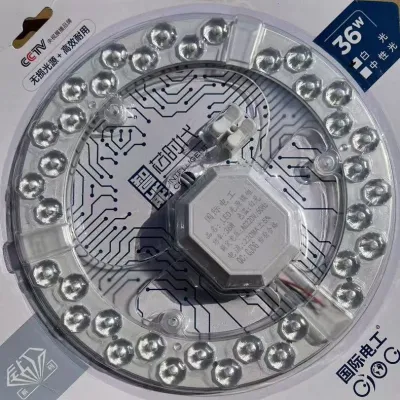
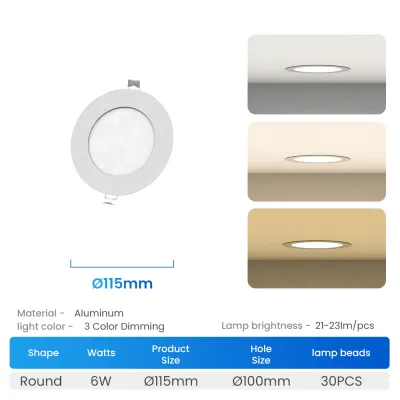
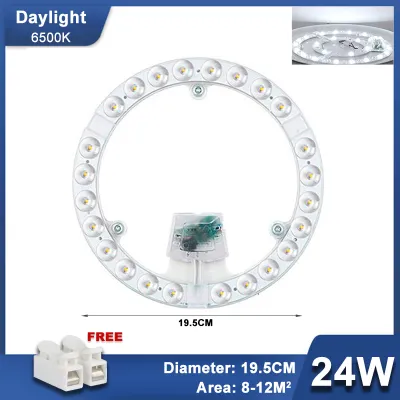
Prices are valid at publication and may change. Please refer to the product page for the latest price.
Visual weight is just as important as physical thickness in low-ceiling environments. A bulky, deep fixture draws the eye downward, creating the illusion of a lower ceiling and a smaller room. Conversely, a flat, low-profile light allows the eye to travel across the ceiling uninterrupted, which makes the entire living space feel larger and more open.
Ceiling lights generally fall into three profile categories: surface-mounted, ultra-slim, and semi-flush. Surface-mounted lights typically range from 5 cm to 10 cm in thickness and are versatile but highly visible. Ultra-slim profiles, often measuring under 3 cm, sit almost flush with the concrete slab, making them the preferred choice for maximizing vertical clearance. Semi-flush mounts hang down via a small stem or bracket, which usually makes them less suitable for general transit areas in standard HDB flats.
Key Dimensions to Check Before Buying an LED Light
Before purchasing any LED light, you must verify its exact physical dimensions rather than relying solely on product photos. Manufacturers list the overall depth or height of the fixture, which indicates how far it will protrude from the ceiling. Always check these specifications to ensure the fixture matches your headroom expectations.

Many buyers overlook the depth of the ceiling base plate and the hidden wiring compartment. Even if an LED panel is advertised as ultra-slim, the mounting bracket or the external driver housed on the back may add several centimeters to the total installation depth. Ensure the product specifications account for the entire assembly, including any mounting hardware.
Evaluating the diameter-to-thickness ratio is also essential for maintaining visual proportion. A wide fixture with a diameter of 50 cm can easily accommodate a thickness of 5 cm without looking bulky. However, a small passage light with a diameter of only 15 cm will look disproportionately thick and cylindrical if it protrudes 5 cm from the ceiling. Aim for a balanced ratio where wider lights maintain a relatively slim profile.
Additionally, you must verify the electrical specifications of the fixture to ensure compatibility with your home. Check that the operating voltage matches the standard 220V-240V electrical supply. Verify the base or interface type, the maximum wattage limit of your existing circuit, and the dimming method if you plan to use a dimmer switch. Always look for recognized electrical certifications to ensure the fixture meets local safety standards.
Matching Light Profiles to Different HDB Room Types
Different areas of an HDB flat have unique traffic patterns and functional requirements, which influence the ideal fixture thickness for each space. In living and dining areas, which serve as primary gathering spaces, you can balance decorative preferences with headroom preservation. If you place a fixture directly over a dining table, you can occasionally afford a slightly thicker profile because foot traffic does not pass directly beneath it.
For bedrooms and corridors, maximizing physical clearance is a priority. Corridors are high-traffic transit zones where people frequently carry items like vacuum cleaners, ironing boards, or storage boxes. In these narrow spaces, an ultra-slim profile of 2 cm to 3 cm is highly recommended to prevent accidental contact. In bedrooms, low-profile lights ensure that wardrobe doors can open fully without obstruction.
Kitchens and bathrooms present specific spatial and environmental challenges. In these damp or high-moisture areas, you must select fixtures with appropriate ingress protection (IP) ratings, such as IP44 or higher, to prevent moisture entry. Kitchen ceiling lights must also clear overhead cabinet doors. Measure the swing path of your highest cabinet doors to ensure they do not collide with the side of your chosen ceiling light.
Installation Clearances and Safety Boundaries
Installing a ceiling light requires careful consideration of the mounting surface and structural integrity. Standard HDB ceilings are solid concrete slabs, which require masonry plugs and screws to secure the mounting bracket. If your flat has a false ceiling installed, you must ensure the lightweight plasterboard can support the fixture, or use specialized toggle bolts and structural reinforcements for heavier lights.
Safe heat dissipation is critical for the longevity of LED components. Although LEDs run much cooler than traditional incandescent bulbs, their internal drivers still generate heat that must escape. Check the manufacturer’s instructions for any required clearance space around the fixture, especially if you are mounting it close to insulation or within a recessed cavity.
Existing structural elements can sometimes conflict with your chosen fixture. Standard ceiling roses, concrete structural beams, or pre-existing recessed boxes may prevent a new ultra-slim light from sitting perfectly flush against the ceiling. Inspect the mounting site beforehand to identify any uneven surfaces or protruding bolts that might require a spacer or a different mounting bracket.
Always prioritize safety during installation. Before attempting any electrical work, isolate the power at the main consumer unit or distribution board. Use a sturdy, stable ladder to work at height safely, and follow all manufacturer installation instructions. If your project involves complex fixed wiring, structural modifications, or if you feel unsure about the process, stop immediately and consult a qualified, licensed electrician.
Common Sizing and Clearance Mistakes to Avoid
One of the most common mistakes is overlooking the depth of the existing ceiling rose or wiring connection box. If your HDB flat has a prominent concrete utility point or an older, bulky plastic connection box, an ultra-slim LED light may not have enough internal cavity space to cover it. This can leave an unsightly gap between the fixture and the ceiling, or prevent secure mounting altogether.
Another frequent error is installing heavy or thick fixtures on unsupported false ceiling panels. Plasterboard ceilings can sag or crack over time if they are subjected to continuous, concentrated weight without proper structural backing. Always verify the weight of the fixture and ensure it is compatible with the load-bearing capacity of your ceiling type.
Finally, avoid ignoring the visual proportion of the light relative to the room’s overall floor area. A tiny light in a large living room will look lost, while an oversized, thick fixture in a small study can feel overwhelming. Take the time to map out the fixture’s footprint on your ceiling using painter’s tape to visualize both its diameter and its physical protrusion before making a final purchase.
Frequently Asked Questions (FAQ)
Can I install a semi-flush mount light in a 2.6m HDB ceiling?
Yes, you can install a semi-flush mount light, but only under specific conditions. Because semi-flush fixtures typically drop 10 cm to 20 cm or more from the ceiling, they significantly reduce headroom. They are best suited for designated zones where people do not walk directly underneath, such as centered over a dining table, a kitchen island, or a coffee table. Avoid placing them in high-traffic corridors, entryways, or the center of low-ceiling bedrooms where they can obstruct movement or wardrobe doors.
Do ultra-slim LED ceiling lights provide enough brightness for large living rooms?
Yes, ultra-slim LED ceiling lights can provide excellent brightness, as physical thickness does not determine light output. Instead, you must check the lumen rating and wattage listed on the product label to evaluate brightness. For large living rooms, look for a fixture with a high lumen output and a wide beam angle to ensure even light distribution. If a single slim fixture is insufficient for your space, you can supplement it with secondary light sources like track lights, wall sconces, or floor lamps to create a layered lighting scheme.
How do I measure the existing ceiling box for a new LED light?
To measure your existing ceiling box, first isolate the power at the main distribution board and safely remove the old fixture. Use a measuring tape to find the outer diameter and the internal depth of the recessed box or ceiling rose. Note the position of the mounting screw holes and check for any bulky wiring bundles or external LED drivers that need to fit inside the new fixture’s housing. Comparing these measurements with the technical drawings of your prospective LED light will ensure a clean, flush fit.
Community discussion
Share your experience or ask a question. Comments are reviewed before publication.