
Deciding between genuine IKEA replacement covers and third-party alternatives for your POÄNG armchair depends on what you value most: guaranteed fit and straightforward returns, or broader style variety and potential cost savings. While original covers ensure exact compatibility with the chair’s unique flex frame, independent makers often offer diverse fabrics and custom designs. This guide breaks down the key decision factors—including fit verification, fabric care, aesthetic options, and purchasing considerations in Singapore—to help you choose the right poang armchair cover for your home.
The POÄNG armchair has remained a staple of modern home decor for decades, celebrated for its minimalist Scandinavian aesthetic and its signature bentwood frame that offers a comfortable, gentle bounce. However, because this chair is often a long-term fixture in the home, its fabric cover is inevitably subjected to daily wear, spills, pet hair, and the fading effects of sunlight. When the original fabric begins to show its age, or when you decide to update your room’s color scheme, you face a common decision: should you purchase a genuine replacement cover from the original manufacturer, or explore the vast array of third-party alternatives available online?
Verifying Fit and Compatibility
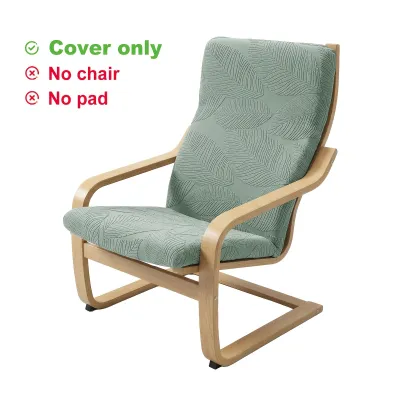
Achieving a seamless fit is the most critical factor when selecting a replacement cover. The POÄNG armchair has undergone subtle design refinements over its long production history, meaning that not all cushions and covers from different eras are identical. Before browsing online marketplaces, you must identify the exact model of your chair. The POÄNG family includes the standard armchair, a rocking chair variant, and a matching footstool. Each of these models requires a specific cushion shape and size, and attempting to force a standard armchair cover onto a rocking chair cushion often results in bunching or exposed foam.
Products mentioned in this guide
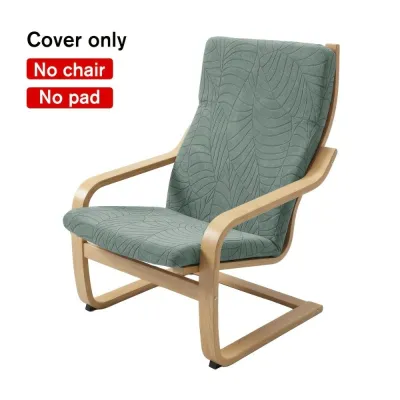
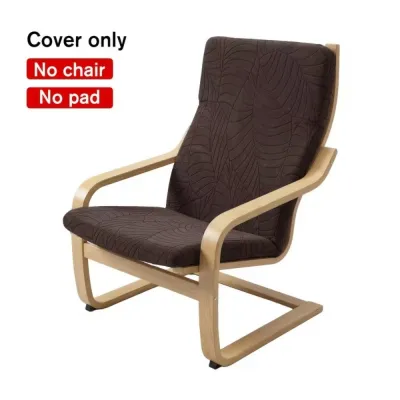
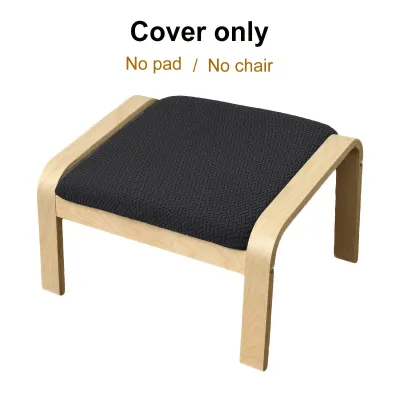
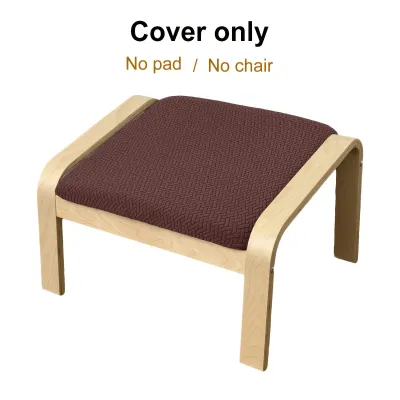
Prices are valid at publication and may change. Please refer to the product page for the latest price.
Beyond the overall dimensions, pay close attention to the fastening mechanisms. Original cushions rely on specific attachment methods, such as heavy-duty hook-and-loop strips or fabric sleeves that slide over the top of the wooden frame to keep the cushion from sliding. When evaluating a third-party poang armchair cover, carefully read the product specifications to confirm how it attaches to the frame. If the alternative cover uses generic ties or lacks the proper alignment strips, the cushion may shift every time you sit down, detracting from both comfort and appearance.
Additionally, consider the thickness of your existing cushion. Older POÄNG models sometimes featured thinner, single-piece cushions, while newer iterations often utilize thicker, segmented cushions with distinct headrest support. A cover designed for a modern, thick cushion will look loose and wrinkled on an older, thinner cushion. To avoid these issues, measure the length, width, and depth of your current cushion and compare these measurements directly with the seller’s sizing chart. Finally, always check the return policy of any third-party seller; because these items are produced independently, having a clear exchange process is essential if the fit is not perfectly snug.
Evaluating Fabric Quality and Care Requirements
The durability and maintenance of your new cover depend entirely on the fabric composition. In Singapore’s warm and humid climate, material choice is particularly important for comfort and longevity. Instead of relying on vague marketing descriptions like “premium quality” or “ultra-durable,” look for specific fabric details on the product label or specification sheet.

Cotton is a highly popular choice for armchair covers due to its natural breathability and soft texture, which feels comfortable against the skin even on warm afternoons. However, pure cotton is prone to wrinkling and can shrink significantly if washed in hot water. If you prefer a low-maintenance option, look for polyester-cotton blends. These synthetic-natural blends combine the breathability of cotton with the strength and wrinkle resistance of polyester, making them highly practical for everyday family use.
Care instructions are another crucial point of comparison. Original replacement covers are designed with practicality in mind, and many of the fabric options are fully machine-washable. When shopping for third-party alternatives, you must explicitly verify the care requirements. Some custom fabrics, such as heavy velvet, corduroy, or faux leather, may require dry cleaning or specialized spot treatments. If you have pets or young children, a cover that cannot be easily tossed into the washing machine can quickly become a source of frustration.
Furthermore, check the fabric’s resistance to fading and wear. If your armchair is positioned near a large window where it receives direct sunlight, look for UV-resistant fabrics to prevent the colors from dulling prematurely. For households with pets, tightly woven fabrics are preferable, as they resist claw snags and prevent pet hair from becoming deeply embedded in the fibers.
Exploring Style, Color, and Design Variety
The aesthetic direction of your living space is often the primary driver when choosing between original and third-party covers. The original manufacturer typically maintains a curated, minimalist selection of covers. These options generally focus on versatile neutrals—such as beige, charcoal, and cream—alongside a few classic patterns. While these standard choices are excellent for maintaining a clean, Scandinavian look, they may feel too plain if you want your armchair to serve as a vibrant accent piece.
Third-party makers excel in offering unparalleled design variety. Because they are not bound by mass-production constraints, independent creators can offer hundreds of fabric patterns, colors, and textures. Whether you want to match a mid-century modern aesthetic with bold geometric prints, introduce a tropical vibe with botanical patterns, or add a touch of luxury with rich jewel-toned velvet, the options are virtually limitless. This variety allows you to customize the chair to fit seamlessly into your existing decor rather than planning your room around a neutral chair.
When selecting a color and texture, consider how the fabric will interact with your room’s lighting and spatial layout. In bright, sunlit rooms, textured fabrics like linen or coarse cotton create subtle shadows that add depth to the space. However, keep in mind that highly saturated or dark colors can make a small room feel more enclosed, whereas light neutrals can help maintain an open, airy feel. If you choose a bold pattern, ensure it complements the scale of your other furniture so it does not overwhelm the visual balance of the room.
Assessing Price, Availability, and Purchasing Channels
To determine which option offers the best value, you must evaluate the total cost of ownership, which includes the purchase price, shipping fees, and delivery times. Original replacement covers are sold at fixed retail prices, making it easy to calculate your expenses upfront. Because these covers are stocked locally, you can easily check availability online and purchase them directly from a local store, allowing you to refresh your chair on the very same day without any shipping delays.
Third-party alternatives present a much wider price range. Basic, mass-produced compatible covers found on online marketplaces can be highly budget-friendly, sometimes costing less than the original manufacturer’s entry-level options. However, custom-made covers crafted by specialized independent workshops using designer fabrics can be quite expensive, occasionally exceeding the cost of a brand-new armchair.
When ordering from international third-party sellers, always factor in shipping costs and potential import fees. Shipping a bulky fabric item to Singapore can add a significant premium to the final price, and delivery can take several weeks. If you need an immediate replacement—perhaps because your current cover is torn or you are preparing for guests—the convenience of local stock makes original covers the practical choice. If you are willing to wait for a unique look, the extended shipping times of international custom makers may be a worthwhile trade-off.
Making Your Final Decision
Choosing the right cover ultimately comes down to balancing convenience against customization. If your primary goals are a guaranteed perfect fit, straightforward local returns, and reliable, machine-washable fabrics, original replacement covers are the most sensible choice. This option eliminates the guesswork and ensures your POÄNG armchair remains as comfortable and functional as the day you bought it.
Conversely, if you want to transform your armchair into a unique design statement, or if you need a highly specific fabric type to match your existing home decor, third-party alternatives offer the creative freedom you need. They allow you to bypass the standard color palette and select a material that perfectly suits your lifestyle and aesthetic preferences.
Whichever path you choose, protect your investment by performing a few quick checks before finalizing your purchase. Verify your chair’s exact model and cushion dimensions, read the fabric care label to ensure it fits your maintenance routine, and confirm the seller’s return policy. By taking these steps, you can successfully extend the life of your favorite armchair and enjoy its comfortable, supportive design for years to come.
Frequently Asked Questions (FAQ)
Can I use a POÄNG armchair cover on a POÄNG rocking chair?
While the standard POÄNG armchair and the rocking chair share a very similar aesthetic and frame silhouette, their cushions and covers are not always fully interchangeable. The rocking chair cushion is often shaped slightly differently to accommodate the constant movement and tilting of the frame. Additionally, the fastening straps and hook-and-loop placement on a rocking chair cover are designed to prevent the cushion from sliding forward or shifting during use. Before purchasing any replacement cover, always check the product description to ensure it is explicitly rated for your specific chair model, whether it is the standard armchair or the rocking chair.
Do third-party covers void the IKEA warranty?
Using a third-party fabric cover on your POÄNG armchair does not void the manufacturer’s warranty on the wooden flex frame itself, provided that the cover does not require you to alter or damage the chair’s structure. The warranty typically covers manufacturing defects in the wooden frame and original components under normal residential use. However, if a third-party cover fits too tightly and causes damage to the frame, or if you make permanent modifications to install it, those specific damages would not be covered. Always follow the original assembly instructions and avoid altering the frame.
How do I prevent the seat cushion from slipping?
To prevent your POÄNG cushion from slipping, first ensure that all original fastening mechanisms, such as the hook-and-loop strips or fabric sleeves, are properly aligned and pulled taut around the wooden frame. If you are using a third-party cover that lacks these built-in fasteners, you can place a piece of non-slip rug underlay or rubberized drawer liner between the cushion and the wooden slats. This simple addition creates friction and keeps the cushion securely in place without damaging the wood. Additionally, refer to your original assembly manual to ensure the cushion is positioned correctly on the frame.
Community discussion
Share your experience or ask a question. Comments are reviewed before publication.