
Choosing how to scent your home is about selecting an experience, a daily ritual, and an atmosphere that aligns with your living space. For many homeowners, the decision comes down to a classic debate: the traditional incense burner versus the modern electronic essential oil diffuser. Both devices offer unique ways to disperse aroma, but they operate on entirely different principles, carry distinct safety profiles, and require different levels of daily commitment.
In Singapore’s residential landscape—characterized by compact apartments, HDB flats, and frequently air-conditioned rooms—this choice becomes highly practical. Factors like indoor air circulation, humidity levels, and household safety play a major role in determining which device will seamlessly integrate into your lifestyle. By understanding the functional, safety, and maintenance differences between these two popular home fragrance methods, you can make an informed decision that enhances your home’s ambiance without compromising your well-being.
Core Differences in Scent Delivery and Atmosphere
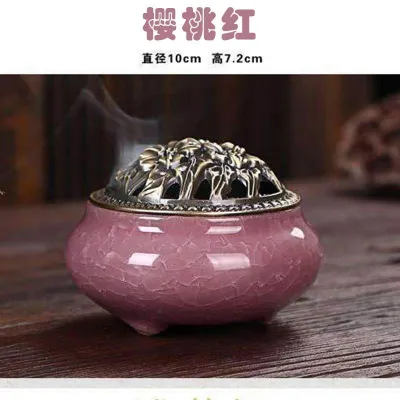
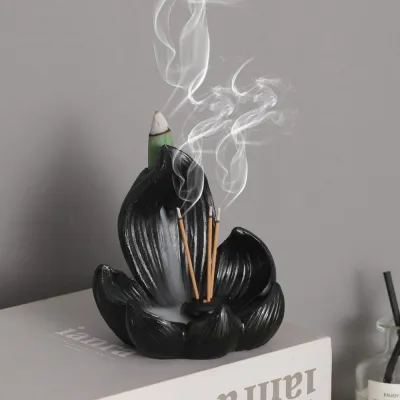
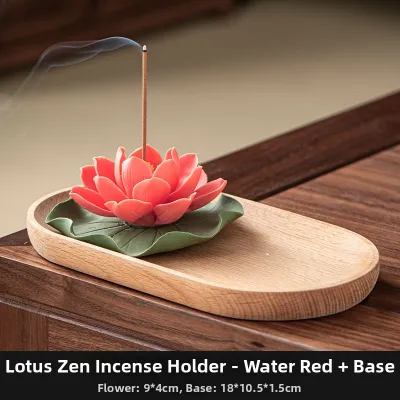
The fundamental difference between an incense burner and an essential oil diffuser lies in how they release fragrance. An incense burner relies on combustion, using direct heat to burn solid aromatic materials such as wood powders, botanical resins, or compressed incense cones and sticks. As the material smolders, it releases volatile compounds bound within the smoke, creating a rich, deep, and lingering scent profile. This process produces a distinct smoky, earthy, or resinous aroma that is highly characteristic of traditional incense, often associated with meditative or rustic environments.
Products mentioned in this guide
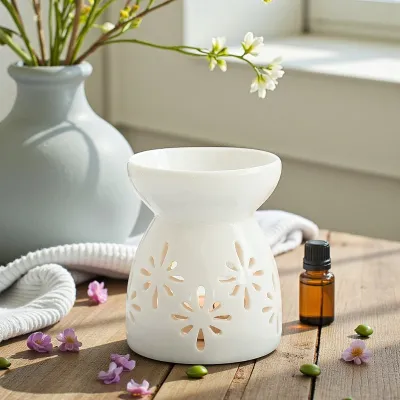
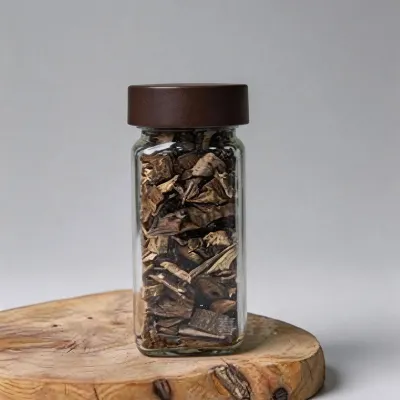
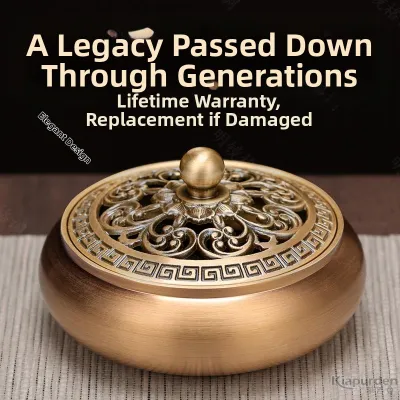
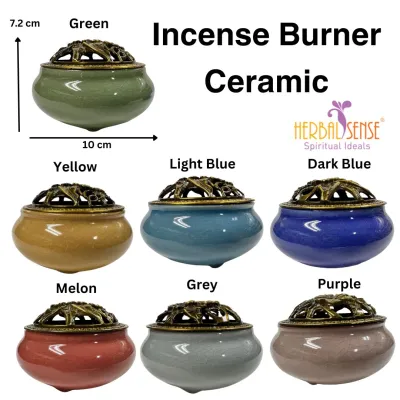
Prices are valid at publication and may change. Please refer to the product page for the latest price.
In contrast, an essential oil diffuser—most commonly an ultrasonic model—uses electronic frequencies to disperse fragrance without any heat or combustion. The device features a small ceramic or metal diaphragm at the base of its water tank that vibrates at an ultrasonic frequency. This vibration breaks down a mixture of water and pure essential oils into a microscopic, cool mist that is gently propelled into the air. Because no heat is applied, the delicate chemical structures of the essential oils remain intact, delivering a pure, bright, and true-to-nature botanical aroma. This method is ideal for capturing light, volatile scents like citrus, floral lavender, or crisp eucalyptus.
The visual and atmospheric effects of these two devices also create vastly different moods. An incense burner offers a highly visual, almost hypnotic experience as thin, elegant trails of smoke curl and drift through the room. This visible movement lends a sense of ancient ritual, focus, and grounding to a space, making it a popular choice for mindfulness practices. On the other hand, an essential oil diffuser provides a clean, minimalist aesthetic. The subtle, cool mist rising from the device is often paired with built-in LED lighting that can cycle through soft colors or emit a warm, steady glow, serving as a dual-purpose decorative lamp and fragrance delivery system.
Safety and Air Quality Considerations
When introducing any fragrance device into your home, safety and indoor air quality must be carefully evaluated, particularly in enclosed or air-conditioned environments. Traditional incense burners involve an open flame during the lighting process and leave behind smoldering embers that can reach high temperatures. This creates an inherent physical burn hazard and a fire risk if the burner is placed near drafty windows, curtains, or flammable decor. To mitigate these risks, incense must always be burned on a stable, heat-resistant surface, such as ceramic, stone, or heavy metal, and should never be left unattended.

For electronic essential oil diffusers, safety concerns shift from fire hazards to electrical and water safety. Because these devices combine water and electricity, it is crucial to verify their build quality and electrical certifications. In Singapore, consumers should look for plug-in diffusers that carry the local Safety Mark, which ensures the power adapter and internal circuitry meet stringent safety standards. Additionally, care must be taken to isolate the power source before refilling or cleaning the water tank to prevent accidental short circuits or electrical shocks from water spills near wall outlets.
Air quality is another critical point of comparison, especially for individuals with respiratory sensitivities. Burning incense releases fine particulate matter (PM2.5) and soot into the air as a byproduct of combustion. In a tightly sealed, air-conditioned room, this smoke can accumulate quickly, potentially triggering asthma, allergies, or coughing fits. Consequently, burning incense requires adequate ventilation, such as keeping a window slightly ajar to allow fresh air circulation. Ultrasonic diffusers, by contrast, produce zero smoke or soot, making them a much gentler option for indoor air quality, though they do disperse micro-droplets of water and oil that remain suspended in the air.
Household occupants, including children and pets, also dictate which device is safer. The hot ash and open flame of an incense burner pose an immediate physical danger to curious children and pets who might knock the burner over. Conversely, while diffusers eliminate burn risks, certain essential oils are highly toxic to pets. For example, tea tree, eucalyptus, and peppermint oils can cause adverse reactions in cats and dogs if inhaled in high concentrations or absorbed through the skin. If you share your home with animals, you must research pet-safe oils and ensure the diffuser is placed in a well-ventilated area out of their direct reach.
Maintenance, Cleaning, and Daily Upkeep
Maintaining your fragrance device is essential to ensure its longevity, safety, and optimal performance. Traditional incense burners require regular, hands-on physical cleanup. After each use, you must wait for the ash to cool completely before carefully disposing of it to prevent fine dust from scattering across your furniture. Over time, the combustion process leaves behind a sticky, oily residue and dark soot on the burner’s surface. Cleaning this buildup requires regular wiping with a damp cloth, mild soap, or specialized brass and ceramic cleaners to preserve the aesthetic appeal of the burner.
Ultrasonic diffusers demand a different, more frequent maintenance routine centered around water hygiene. Because Singapore’s tropical climate is naturally warm and humid, standing water left inside a diffuser tank can quickly become a breeding ground for mold, bacteria, and yeast. To prevent these contaminants from being dispersed into your indoor air, the water tank should be emptied and wiped dry after every few uses. Additionally, mineral deposits from tap water can accumulate on the ultrasonic plate, reducing mist output. Regular descaling—by filling the tank with a mixture of water and white vinegar or citric acid, letting it sit, and gently wiping the plate with a cotton swab—is necessary to keep the device running efficiently.
The management of consumables and initial costs also differ significantly between the two systems. While a basic ceramic incense burner can be found for under S$20, high-end ultrasonic diffusers with Safety Mark certification may range from S$40 to over S$100. Incense users must manage a physical inventory of sticks, cones, coils, or charcoal discs, which are entirely consumed during use and must be replaced regularly. Diffuser users, on the other hand, manage bottles of concentrated essential oils. While a single bottle of high-quality oil can last for months since only a few drops are needed per session, users must also ensure they have access to clean, preferably filtered water to fill the reservoir, adding a minor step to the daily setup routine.
Space and Lifestyle Suitability
Choosing between these two devices often comes down to the physical layout of your home and how you structure your daily routines. The fragrance throw, or coverage area, of each device plays a major role in its suitability. Traditional incense has a highly potent and far-reaching fragrance throw; the smoke carries aromatic compounds quickly across large, open-concept living and dining areas, making it highly effective for scenting spacious homes. However, in a small study, bedroom, or compact apartment, this intense smoke can easily become overwhelming and suffocating.
Ultrasonic diffusers offer much greater control over fragrance intensity and coverage. By adjusting the number of essential oil drops added to the water tank or selecting low-and-high mist settings, you can easily tailor the scent output to suit a tiny home office or a medium-sized bedroom. This makes diffusers highly versatile for modern apartment living. Furthermore, diffusers are designed for continuous, background scenting. Many models feature automatic shut-off timers that allow them to run safely for several hours, providing a consistent, subtle aroma while you work, sleep, or relax without requiring constant supervision.
In contrast, incense is best suited for short, intentional sessions. A standard incense stick or cone typically burns for 20 to 40 minutes, making it an excellent companion for a focused meditation session, a yoga practice, or a quick wind-down ritual at the end of the day. Power requirements also influence placement flexibility. Incense burners require no electricity, allowing you to place them on cordless shelves, balconies, or central tables without worrying about cable management. Diffusers, however, generally rely on a nearby electrical outlet, which limits their placement to desks, bedside tables, or countertops with accessible power.
Decision Framework: Which Device Should You Choose?
To finalize your decision, evaluate your personal preferences, household environment, and daily habits against the unique characteristics of each device. There is no universal winner, as both methods excel in different scenarios.
You should choose an incense burner if you:
- Appreciate traditional, grounding rituals and the visual aesthetic of curling smoke trails.
- Prefer deep, earthy, woody, or resinous fragrance profiles like sandalwood, frankincense, or agarwood.
- Want a highly portable, cordless setup that does not require proximity to electrical outlets.
- Intend to scent your space during short, focused activities like meditation, writing, or relaxation.
You should choose an essential oil diffuser if you:
- Require a completely smoke-free environment to protect sensitive airways or comply with household preferences.
- Prefer bright, clean, botanical, or citrus aromas that remain true to their natural plant sources.
- Need continuous, long-lasting background fragrance with adjustable intensity and automatic safety shut-offs.
- Enjoy dual-purpose decor that combines gentle humidification, ambient LED lighting, and customizable scenting.
Before making your final purchase, always verify any external constraints. Check your tenancy or lease agreements to ensure there are no restrictions on open flames or smoke production indoors. If your home is equipped with highly sensitive photoelectric smoke detectors, heavy incense burning may trigger false alarms. Finally, consult with other household members regarding any respiratory conditions, allergies, or pet safety concerns to ensure your chosen fragrance method brings comfort to everyone in your home.
Frequently Asked Questions (FAQ)
Can I use essential oils in a traditional incense burner?
No, you should not use liquid essential oils in a traditional incense burner designed for solid materials. Traditional burners, whether made of ceramic, stone, or metal, are built to withstand dry heat from smoldering incense or charcoal discs. Introducing liquid essential oils directly onto these hot surfaces can cause the oil to burn rapidly, producing acrid, unpleasant fumes rather than a clean fragrance. Furthermore, the extreme heat can crack ceramic or stone reservoirs, and the highly flammable nature of concentrated essential oils presents a serious flash fire hazard if exposed to open flames or hot embers. For liquid oils, always use a dedicated ultrasonic diffuser or a water-based tea light burner designed specifically for oil evaporation.
Do essential oil diffusers increase room humidity significantly?
No, ultrasonic essential oil diffusers do not significantly increase the overall humidity of a room. While they do disperse a visible cool mist, the water tank capacity of a standard home diffuser is typically small, ranging from 100ml to 500ml, which is dispersed slowly over several hours. This volume of water is far too low to alter the relative humidity of an entire room, especially in air-conditioned spaces where the air conditioner actively removes moisture from the air. However, because the mist is concentrated as it exits the nozzle, you should avoid placing the diffuser directly underneath wooden shelving, near sensitive electronics, or against wallpaper, as localized moisture buildup can settle on these surfaces over time.
Community discussion
Share your experience or ask a question. Comments are reviewed before publication.