
Selecting the correct incense holder is not merely a matter of aesthetic preference; it is a functional requirement dictated by the physical shape, burn rate, and ash-fall pattern of your chosen incense. Because different incense formats release ash in distinct trajectories, using an incompatible holder can lead to scattered debris, scorched surfaces, or incomplete combustion. A precise match between the incense format and the holder design ensures a clean, safe, and controlled aromatic experience.
To find the right fit, you must evaluate how your incense burns and where the residue falls. While some designs are versatile enough to accommodate multiple formats, most holders are engineered for a specific type of incense, such as linear sticks, concentrated cones, or long-burning coils. Understanding these structural differences allows you to maintain a tidy living space while enjoying your favorite home fragrances safely.
Identifying Your Incense Format and Burning Profile
Every incense format has a unique burning profile that dictates how ash behaves during and after combustion. Stick incense is the most common linear format, burning progressively from one end to the other. As the ember travels down the length of the stick, gravity pulls the lightweight ash downward, creating a long, trailing path of debris. To prevent this ash from spilling onto your furniture, the holder must feature a horizontal or angled channel that spans the entire length of the stick.
Products mentioned in this guide
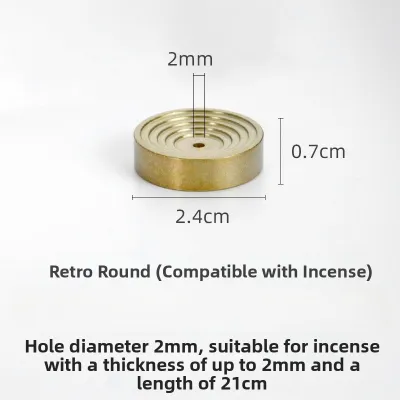
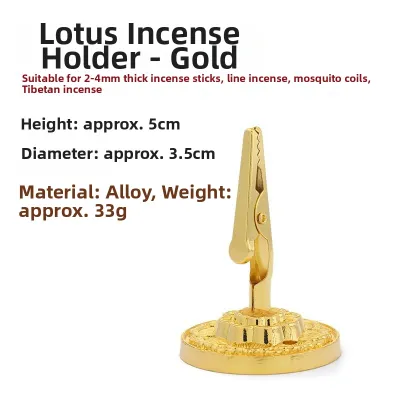
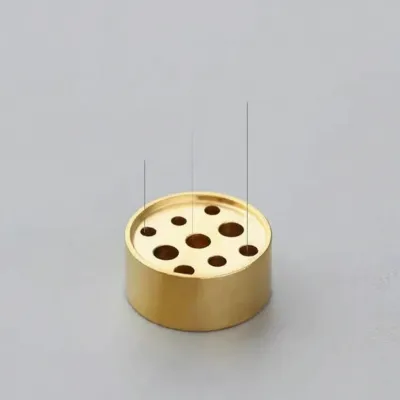
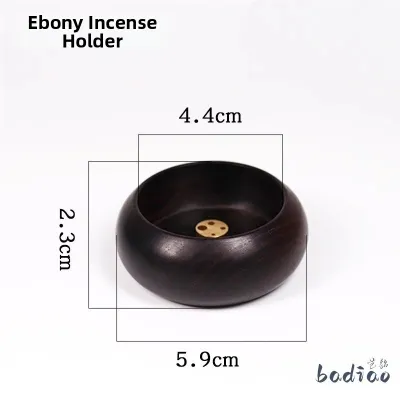
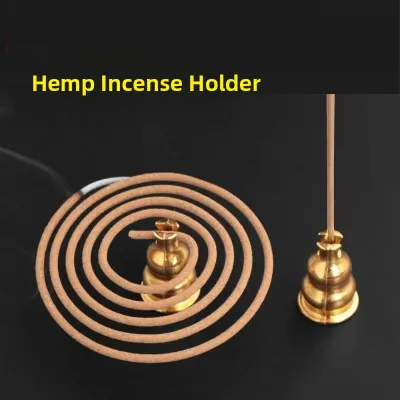
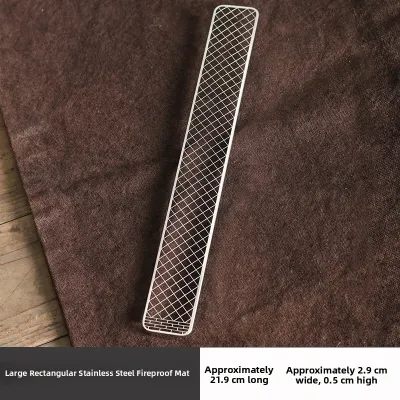
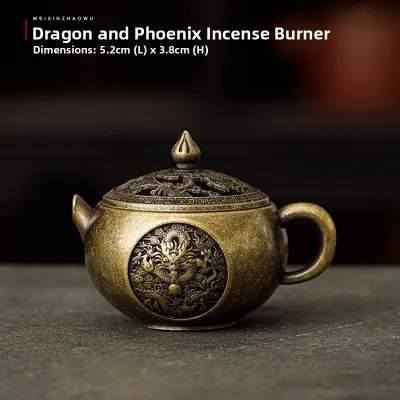
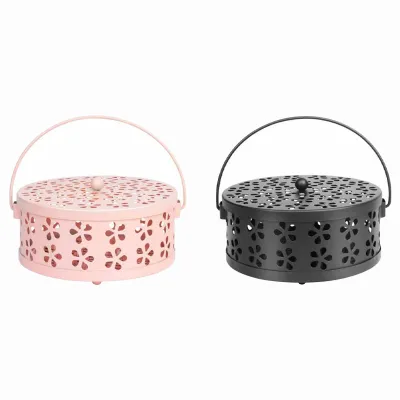
Prices are valid at publication and may change. Please refer to the product page for the latest price.
Cone and backflow incense present a highly concentrated burning profile. These formats burn vertically from a narrow top to a wider base, depositing all their ash in a single, dense pile directly beneath the burning ember. Because the heat is concentrated in one small area, the holder must be constructed from a highly heat-resistant material. Backflow cones feature a hollow center that directs smoke downward rather than upward, requiring a specialized holder with dedicated airflow channels to create the characteristic cascading smoke effect.
Coil incense is designed for extended burning times, often lasting several hours. It burns in a continuous spiral, dropping ash in a wide, circular pattern that expands outward from the center. Because of this broad footprint, a standard linear or small dish holder is entirely inadequate. Coil incense requires either a suspended hanging system or a wide, flat base that exceeds the outer diameter of the coil to catch every speck of falling ash.
In warm, tropical environments like Singapore, indoor airflow plays a significant role in how ash falls. High-rise apartments often rely on ceiling fans or open windows to capture cross-breezes, while air-conditioned rooms create localized drafts. These air currents can easily catch lightweight ash as it falls, scattering it across nearby surfaces. Identifying your incense format and understanding how local drafts affect its burning profile is the first step in choosing a secure, practical holder.
Choosing the Right Holder Design for Each Incense Type
Because ash footprints and heat concentration vary so dramatically between formats, a single universal holder rarely performs well across all types. Attempting to burn a long stick in a small cone dish, or placing a hot coil on a narrow wooden tray, can create safety hazards and messy cleanups. Selecting a holder designed specifically for your incense format ensures stability, complete combustion, and effortless maintenance.

Selecting Holders for Stick Incense
For traditional stick incense, the classic boat or trough design remains one of the most reliable options. These holders feature a long, curved channel made of wood, ceramic, or metal, with a small raised hole at one end to support the stick at an angle. When choosing a boat holder, always verify that the length of the trough exceeds the length of the incense stick. Additionally, check the diameter of the holding hole; Japanese-style solid incense sticks are often thicker than Indian-style sticks with bamboo cores, requiring a slightly wider aperture for a secure fit.
If you frequently run ceiling fans or air conditioning, an enclosed box holder—often referred to as an incense coffin—is an excellent alternative. These wooden or ceramic boxes feature a hinged lid with decorative carvings or vents that allow smoke to escape while keeping the ash completely contained inside. The stick rests horizontally on a non-flammable felt pad or is suspended by inserting the end into a small hole at the side of the box. This design prevents drafts from blowing the ash out of the holder, making it ideal for high-traffic areas.
For modern or minimalist spaces with limited surface area, vertical or angled stands offer a compact footprint. These holders grip the stick from the top or bottom, allowing it to burn vertically. While visually striking, vertical holders require a perfectly centered, wide base to catch the falling ash. If the base is too narrow, even a minor draft can cause the ash to drift sideways and land on your tabletop. Always measure the base diameter against the length of your sticks before choosing a vertical design.
Selecting Holders for Cone and Backflow Incense
Standard incense cones require a flat, highly heat-resistant surface because the burning ember eventually reaches the very bottom of the cone, transferring intense heat directly to the holder. Small ceramic plates, stone dishes, or brass bowls work exceptionally well for this format. The dish should feature a slightly raised rim to prevent the concentrated pile of ash from sliding off when the holder is moved. Avoid thin wooden or plastic trays, which can scorch, warp, or present a fire hazard under direct heat.
Backflow incense cones require a specialized backflow burner to achieve their signature downward smoke effect. These burners are engineered with a precise central hole that must align perfectly with the hollow core of the backflow cone. As the cone burns, the heavy, cool smoke is drawn downward through the burner’s carved channels, creating a visual cascade resembling water. Standard flat plates cannot facilitate this airflow, meaning a dedicated backflow holder is essential if you plan to burn this specific format.
To protect your space from drafts while burning cones, consider an enclosed cage or lantern-style holder. These decorative metal or ceramic vessels house the cone inside a chamber, allowing the smoke to drift elegantly through patterned vents. The enclosure shields the burning cone from sudden gusts of wind, ensuring an even burn rate and preventing the lightweight cone from tipping over. This style is particularly useful in open-concept living areas where air currents are difficult to control.
Selecting Holders for Coil Incense
Coil incense is highly favored for its long-lasting fragrance, but its spiral shape requires specialized support to prevent the burning ember from touching the holder and self-extinguishing. Hanging holders equipped with central clips or hooks are highly effective. By suspending the coil from its center, the entire spiral hangs freely in the air, allowing for uninterrupted 360-degree combustion. The suspended design also ensures that ash falls straight down into a designated collection tray below.
If you prefer a tabletop setup, a wide, flat ash catcher is necessary. The diameter of the catcher must be significantly larger than the outer edge of the coil to ensure all falling ash is contained. Many tabletop coil holders feature a non-flammable fiberglass or felt pad at the bottom, allowing you to lay the coil flat without extinguishing the ember. When using these pads, ensure they are kept clean and dry to maintain their heat-resistant properties.
Alternatively, mesh or wire stands elevate the coil slightly off the base of the holder. These stands support the coil at multiple points along its spiral, maintaining sufficient airflow underneath to keep the incense burning completely to the end. When selecting a mesh stand, verify that the wire spacing is tight enough to support smaller or partially burned coils without letting them slip through, which could cause the burning ember to contact the bottom plate and go out prematurely.
Key Features to Check Before Buying an Incense Holder
Before purchasing an incense holder, it is essential to evaluate its practical features beyond its visual appeal. Ash containment should be your primary consideration, especially if you live in a well-ventilated home where open windows or fans are common. Look for holders with deep troughs, high rims, or enclosed chambers that shield the ash from domestic drafts. A holder that fails to contain its ash will require constant cleanup and can lead to unsightly gray stains on wooden furniture.
Material safety and structural stability are equally critical. Always prioritize non-flammable materials such as ceramic, brass, copper, stone, or heavy cast iron. If you prefer the natural look of wooden holders, ensure they feature a metal or ceramic lining in the areas that come into direct contact with the burning incense or hot ash. Additionally, check the weight of the holder; a heavy, low-profile base prevents the holder from tipping over if it is accidentally bumped or exposed to a sudden draft.
Finally, consider how easy the holder is to clean and maintain. Smooth, glazed ceramic and polished metal surfaces are incredibly easy to wipe clean with a damp cloth once they have cooled. In contrast, porous materials like unglazed clay, rough stone, or soft woods can absorb oils and resins from the incense smoke, leading to permanent discoloration or lingering odors over time. If you plan to burn incense daily, choosing a low-maintenance, non-porous material will save you significant time and effort.
Safety and Placement Guidelines for Burning Incense
To enjoy home aromatherapy safely, proper placement of your incense holder is paramount. Always position your holder on a flat, stable, and heat-resistant surface, such as a stone countertop, ceramic tile, or a dedicated metal trivet. Never place a hot incense holder directly on delicate wood finishes, plastic surfaces, or near flammable household items like curtains, books, papers, or upholstered furniture. Even a small stray ember can cause irreversible damage or ignite a fire if it contacts flammable materials.
Proper ventilation is crucial for maintaining healthy indoor air quality, particularly in compact apartments or enclosed rooms. Ensure there is a steady flow of fresh air to prevent smoke from accumulating, but avoid placing the holder directly in the path of strong drafts, such as right next to an open window or directly under an active air conditioning vent. A gentle, indirect airflow is ideal, as it disperses the fragrance evenly throughout the room without scattering the ash or causing the incense to burn down too quickly.
Never leave burning incense unattended under any circumstances. Before leaving a room or going to sleep, ensure the ember is completely extinguished by dipping the tip in water or pressing it firmly against a non-flammable surface. Keep all active burners and unlit incense packages strictly out of reach of children and pets, who may be attracted to the glowing ember or the fragrant smoke. Taking these basic precautions ensures that your home remains both beautifully scented and entirely safe.
Frequently Asked Questions (FAQ)
Can I use a stick holder for cone incense?
Using a standard stick holder for cone incense is generally not recommended due to safety and cleanliness issues. Stick holders, such as narrow wooden boats, are designed to catch a thin line of falling ash and lack the surface area required to contain the concentrated, hot ash pile left by a burning cone. Furthermore, because the entire base of an incense cone becomes extremely hot during use, placing it on a thin wooden or plastic stick holder can scorch the material or create a serious fire hazard. If you wish to burn both formats, look for a multi-purpose burner that features a wide, heat-resistant ceramic or metal base capable of safely holding both a stick bracket and a flat cone plate.
How do I clean ash buildup from an incense holder?
To clean ash buildup safely, always wait until the incense holder has cooled down completely to avoid thermal shock or burns. For glazed ceramic, glass, or metal holders, gently empty the loose ash into a bin, then wipe the surface with a soft, damp microfiber cloth. If there is sticky resin residue—which naturally accumulates from the essential oils in the incense—you can wash the holder with warm, soapy water using a non-abrasive sponge. Avoid using harsh chemical cleaners, steel wool, or abrasive scrubbing pads, as these can scratch polished metals, strip decorative glazes, or damage porous materials like unglazed clay or natural wood. For wooden holders, a dry or slightly damp cloth is best, followed immediately by hand-drying to prevent warping.
Community discussion
Share your experience or ask a question. Comments are reviewed before publication.