
Quick Answer: Which Home Fragrance Method Fits Your Routine?
Choosing the right home fragrance method is a balance between personal sensory preferences, daily habits, and the physical constraints of your living space. Incense sticks offer a traditional, deeply ritualistic, and highly intense scent experience. However, they rely on combustion, which produces smoke and requires constant fire safety monitoring during use. This makes them ideal for open, well-ventilated areas where you can actively enjoy a short-lived, grounding ritual.
In contrast, essential oil diffusers provide a customizable, smoke-free, and continuous stream of fragrance through a cool, ultrasonic mist. While they do not pose a fire hazard, they require regular mechanical cleaning to prevent mold and demand a higher upfront financial investment. Your decision will ultimately rest on three primary factors: your tolerance for indoor air quality changes, your willingness to perform routine device maintenance, and your preference for either earthy, lingering smoke or clean, adjustable botanical mists.
Scent Experience: Earthy Tradition vs Customizable Mist
Incense Sticks: Rich, Resinous, and Lingering Aromas
Incense sticks offer a sensory experience deeply rooted in history, delivering earthy, complex, and often resinous scent profiles. Classic ingredients such as sandalwood, agarwood (oud), frankincense, and patchouli dominate this medium. When the tip of a stick is ignited and the flame is gently extinguished, the resulting glowing ember slowly consumes the compressed wood powder, binding agents, and aromatic resins. This combustion releases an immediate, powerful scent throw that quickly fills a room, accompanied by a visible, curling smoke trail that adds a distinct visual element to the space.
Products mentioned in this guide
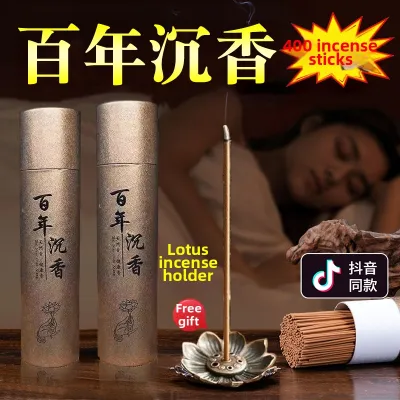
![【Next Day】Premium Natural Wood & Herb Aroma Incense Artemisia Argyi (艾草) Sandalwood (檀香) Agarwood (沉香) Incense Stick. [FREE] Ebony Wood Incense Holder for Ordering or Mix 2 Boxes. Natural Ingredients No Artificial Additives No Combustion Chemicals.](https://img.lazcdn.com/g/p/c768f652392af1fc9318730e3b5fbd9a.jpg_400x400q80.jpg_.webp)

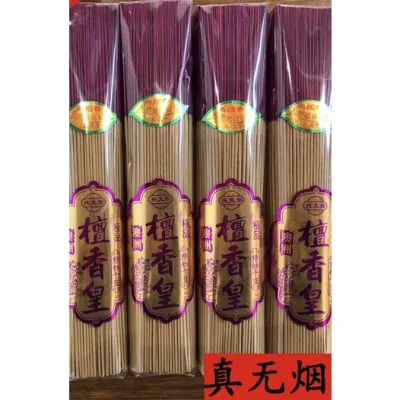
![[NIPPON KODO 日本香堂] Yume-no-Yume Sakura/ Lavender/ Lotus Sandalwood/ Freesia/ White Plum Incense Sticks Very Little Smoke Home Fragrance Aroma Meditation Aromatherapy [240 Sticks]](https://img.lazcdn.com/g/p/f7d6e97cad42424a7ba054241e9ded23.jpg_400x400q80.jpg_.webp)
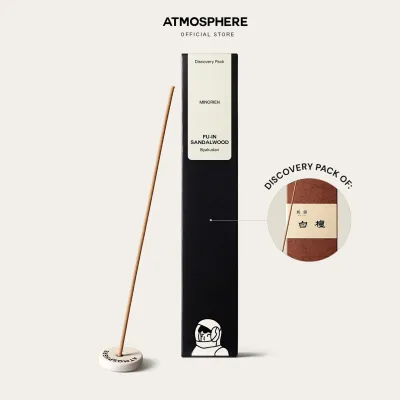
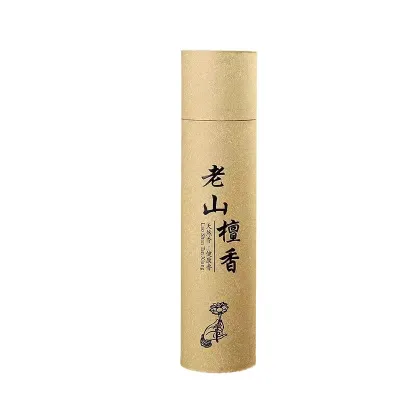
Prices are valid at publication and may change. Please refer to the product page for the latest price.

One of the most notable characteristics of incense is its longevity after burning. The microscopic smoke and oil particles released during combustion settle onto soft furnishings, curtains, and walls. This allows the deep, grounding aroma to linger in your living space for hours, or sometimes even days, after the stick has completely burned down. For those who appreciate a warm, heavy, and enveloping atmosphere that evokes a sense of sanctuary, the rich olfactory signature of burning wood is difficult to replicate with modern electronic alternatives.
Essential Oil Diffusers: Clean, Adjustable, and Hydrating Mists
Essential oil diffusers utilize ultrasonic technology to vibrate a mixture of water and concentrated botanical extracts at a high frequency. This process breaks the liquid down into a fine, cool mist that is dispersed into the air, carrying the pure, unadulterated scent of the plant material. The resulting fragrance profiles are incredibly diverse and highly customizable, ranging from bright, uplifting citrus blends like sweet orange and bergamot to calming herbals like lavender and chamomile. Because you control the number of drops added to the tank, you can easily adjust the intensity of the aroma to suit your mood or the size of the room.
In the tropical climate of Singapore, where indoor spaces are frequently closed and air-conditioned, the physical behavior of this mist is a key consideration. The cool vapor adds a subtle amount of moisture to the air, which can provide a soothing effect on dry skin and respiratory passages in air-conditioned bedrooms. However, in naturally humid, unventilated rooms, excessive misting can contribute to a damp environment. Unlike incense, the scent produced by a diffuser is highly localized and transient; once the device is turned off or runs out of water, the fragrance dissipates relatively quickly from the air without clinging heavily to fabrics.
Daily Routine and Maintenance: Effort, Cleaning, and Convenience
The Low-Tech Simplicity of Incense Sticks
Integrating incense sticks into your daily routine requires very little preparation or technical knowledge. The entire setup consists of a stick, a lighter or match, and a stable holder or ash catcher. To begin, you simply light the tip of the stick, wait a few seconds for the flame to catch, and then gently blow it out so that only a red, glowing ember remains. The stick will then burn independently for anywhere from twenty to sixty minutes, depending on its thickness and length, requiring no further intervention from you.
Upkeep for incense is exceptionally straightforward and low-maintenance. Once the stick has finished burning, you are left with a small pile of dry ash collected in the holder. Cleaning involves nothing more than waiting for the ash to cool completely and then tipping it into a waste bin. The holders themselves—whether made of brass, ceramic, wood, or stone—only need an occasional wipe with a dry or slightly damp cloth to remove any oily residue left behind by the smoke. There are no water tanks to fill, no power cords to manage, and no mechanical parts that can fail over time.
The Multi-Step Routine of Ultrasonic Diffusers
Operating an ultrasonic essential oil diffuser is a more involved, multi-step process that must be performed every time you want to use the device. First, you must carry the water reservoir to a tap or use a cup to fill it to the designated maximum fill line, taking care not to spill water near the delicate internal electronics. Next, you must carefully measure and add your chosen essential oils—typically three to ten drops depending on the tank capacity—before securing the outer lid and plugging the unit into a wall outlet.
Because diffusers constantly hold standing water and organic plant oils, they demand a strict and regular maintenance schedule to remain safe and functional. If left uncleaned, the damp environment inside the water tank can quickly become a breeding ground for mold, bacteria, and yeast, which would then be misted directly into your breathing zone during the next use. To prevent this, manufacturers instruct users to empty any remaining water and wipe the tank dry with a soft cloth after every use. Additionally, a deeper cleaning using a mixture of water and white vinegar is required every one to two weeks to descale mineral deposits, especially if you feed the device with standard tap water.
Positioning and power management also add to the daily considerations of a diffuser. The device must be placed on a flat, stable, and water-resistant surface to prevent the cool mist from settling and warping wooden furniture or damaging nearby paper goods. You must also safely route the power cord to avoid tripping hazards, and ensure the plug remains completely dry. While the daily effort is higher than burning a stick, many users find the routine of mixing custom oil blends to be a rewarding, modern wellness ritual.
Safety and Air Quality: Smoke, Pets, and Fire Hazards
Incense Sticks: Combustion, Ventilation, and Fire Risks
Because burning incense relies on active combustion, it introduces specific safety and air quality challenges into the home. The burning process releases particulate matter, carbon monoxide, and various volatile compounds into the indoor air. In compact, modern apartments or tightly sealed, air-conditioned rooms, this smoke can quickly accumulate, leading to eye, nose, and throat irritation. To maintain a healthy living environment, it is absolutely essential to burn incense only in spaces with excellent cross-ventilation, such as rooms with open windows that allow a continuous exchange of fresh outdoor air.
Fire safety is another critical boundary when using incense sticks. An active ember can reach high temperatures and poses a genuine fire hazard if left unattended or placed near flammable items. You must ensure that the incense holder is constructed of a non-flammable material, such as ceramic or metal, and is placed on a heat-resistant surface far away from breezy open windows, fluttering curtains, paper documents, or low-hanging decor. The holder must also be wide and long enough to catch all falling hot ash, preventing stray embers from landing on wooden tables or synthetic carpets.
Essential Oil Diffusers: Electrical Safety, VOCs, and Pet Toxicity
While ultrasonic diffusers completely eliminate the risks associated with open flames and smoke, they introduce their own set of safety parameters. Although they do not produce combustion particles, they do disperse volatile organic compounds (VOCs) from the essential oils into the air. For individuals with highly sensitive airways, even these natural botanical vapors can trigger mild respiratory irritation if the concentration in the room becomes too high. It is always wise to operate diffusers in moderately ventilated spaces and avoid running them continuously for hours on end.
For households with pets, extreme caution must be exercised when selecting essential oils. Many common oils—including tea tree, eucalyptus, peppermint, citrus, pine, and ylang-ylang—contain natural chemical compounds that are highly toxic to cats and dogs. Because pets have different metabolic pathways than humans, absorbing these oils through their skin, licking mist residue off their fur, or inhaling concentrated vapors can lead to severe poisoning. If you choose to diffuse oils in a home with animals, you must research pet-safe oil varieties, keep the diffuser in a room that your pets can easily leave, and ensure the physical device is kept entirely out of their reach to prevent accidental spills.
From an electrical safety standpoint, consumers must pay close attention to the specifications of their chosen device. In Singapore, always verify that the diffuser carries the appropriate local electrical safety certifications, such as the Safety Mark, which ensures the power adapter has been tested for safe domestic use. Ensure the device is rated for the local voltage of 220V–240V and uses a compatible plug interface. Because these devices combine water and electricity, always isolate the power source by unplugging the unit before filling, emptying, or cleaning the water tank, and never submerge the base of the machine in water.
Household Health Boundaries: When to Avoid Each Method
To protect the health of everyone in your home, it is important to establish clear boundaries for when to avoid these fragrance methods entirely:
- Avoid Incense Sticks if: Anyone in your household suffers from severe asthma, chronic obstructive pulmonary disease (COPD), reactive airways, or seasonal allergies. The particulate matter in smoke can act as an immediate trigger for respiratory distress. You should also avoid burning incense if you have curious toddlers or active pets who could easily knock over a burning stick.
- Avoid Essential Oil Diffusers if: You own cats or dogs and cannot guarantee they will remain isolated from the diffused mist, or if you are unable to commit to cleaning the water tank every few days. A neglected, moldy diffuser poses a direct respiratory risk to everyone in the household.
Cost and Value: Upfront Investment vs Ongoing Consumables
Incense Sticks: Low Entry Barrier with Variable Consumable Costs
Incense sticks are highly appealing to those seeking a budget-friendly entry into home fragrance. The initial upfront cost is minimal, requiring only a basic, non-flammable holder or ash catcher, which can easily be found for under S$10 to S$20. Lighters or matches are inexpensive, everyday household items, meaning you can begin your fragrance journey with almost no financial friction.
However, the long-term cost of burning incense depends entirely on the quality and origin of the consumables you choose to purchase. Mass-produced, synthetically scented incense sticks are incredibly cheap, often costing only a few cents per stick, but they frequently produce harsher smoke and less refined aromas. On the other hand, premium, artisanal, or natural wood-powder incense—such as pure Japanese Shoyeido or high-grade Taiwanese agarwood—can cost anywhere from S$30 to well over S$100 per box. While these high-end options offer a cleaner burn and incredibly complex, authentic scent profiles, they will significantly increase your ongoing monthly expenditure if you burn them daily.
Essential Oil Diffusers: High Initial Outlay and Premium Oil Costs
Choosing an ultrasonic essential oil diffuser requires a much higher initial financial commitment. A reliable, electrically certified diffuser generally ranges from S$30 for basic entry-level models on online marketplaces to over S$150 for premium, aesthetically designed units made from solid ceramic, wood, or glass. When purchasing, it is vital to invest in a quality device with built-in safety features, such as an automatic shut-off function that turns the ultrasonic plate off when the water level runs low, preventing the mechanism from overheating.
Beyond the device itself, the ongoing cost of high-quality, pure essential oils can be substantial. While synthetic fragrance oils are cheap, true therapeutic-grade, single-origin essential oils (like pure lavender, frankincense, or sandalwood) are premium products. A small 10ml bottle of high-quality pure essential oil can cost between S$15 and S$50, depending on the rarity of the botanical source. Because a single bottle contains approximately 200 drops, and a typical diffusion session uses 5 to 10 drops, a single bottle can last for several weeks of daily use, making the cost-per-hour relatively reasonable, though still higher than budget incense options.
Evaluating Cost-Per-Use and Lifespan
When comparing the long-term value of both methods, consider your intended frequency of use and the physical lifespan of the products. A single incense stick burns for a fixed period (typically 30 to 45 minutes) and is gone forever, representing a direct, one-time consumable cost. If you only burn incense occasionally as a weekend meditation ritual, a single box of premium sticks can easily last you six months to a year, representing excellent value.
Conversely, an essential oil diffuser allows you to run fragrance continuously for three to eight hours per session, utilizing only a tiny fraction of your oil bottle. This makes diffusers highly cost-effective for those who want their homes to smell pleasant all day long. However, you must factor in the physical lifespan of the electronic device itself. Even with meticulous cleaning, the sensitive ultrasonic ceramic disc inside a diffuser will eventually degrade and lose its misting efficiency over two to five years, meaning the hardware will eventually need to be replaced.
How to Choose: Matching the Method to Your Lifestyle
When to Choose Incense Sticks
Incense sticks are the ideal choice for individuals who view home fragrance as an active, sensory ritual rather than passive background scenting. If you enjoy taking a dedicated fifteen-minute break to sit quietly, read, meditate, or practice yoga, the physical act of lighting a stick and watching the smoke rise can serve as a powerful psychological anchor for relaxation. This method is perfect for those who live in older, naturally ventilated homes or apartments with large windows that can be left wide open to allow the smoke to draft out safely.
Additionally, incense is perfect for busy individuals who want a low-maintenance solution. If you do not want to spend time washing water tanks, managing electrical cords, or dealing with digital interfaces, the simple “light and forget” nature of incense is incredibly liberating. It is also the superior choice if you have a deep, personal preference for dry, woody, resinous, and deeply traditional aromas that cannot be accurately captured by water-based essential oil mists.
When to Choose Essential Oil Diffusers
An ultrasonic essential oil diffuser is the superior choice if you want a safe, continuous, and highly customizable fragrance experience that can run unattended in the background. If you work from home in an air-conditioned study, or want a gentle lavender scent to help you fall asleep in your bedroom, the automatic shut-off feature of a diffuser allows you to enjoy the aroma with complete peace of mind, knowing there is no open flame or hot ember to worry about.
This method is also ideal for modern, style-conscious homeowners who love to change their home’s scent profile to match their daily activities. You can diffuse bright, energizing peppermint and wild orange during your morning workout, and switch to calming lavender and cedarwood in the evening. Many modern ultrasonic diffusers also feature integrated LED lights that offer adjustable color temperatures, though these spatial lighting effects are highly subjective decorative preferences rather than functional performance metrics. If you are willing to spend a few minutes washing the water tank every few days, a diffuser offers a clean, modern, and highly versatile wellness tool.
When to Choose Passive Alternatives
There are certain household scenarios where neither incense sticks nor essential oil diffusers are appropriate. If your home includes family members with severe respiratory conditions, highly sensitive pets, or very young toddlers, active fragrance methods that release smoke or volatile botanical mists into the air should be avoided. In these cases, you should opt for passive, flame-free, and mist-free alternatives. Reed diffusers, natural wax melts on low-heat electric warmers, or occasional targeted room sprays can provide a beautiful, subtle scent profile without compromising your household’s indoor air quality or safety.
Frequently Asked Questions (FAQ)
Can I use incense sticks and an essential oil diffuser in the same room?
It is highly recommended that you do not burn incense sticks and run an essential oil diffuser in the same room at the same time. Doing so can quickly overload the indoor air quality, creating a high concentration of both particulate matter from the smoke and volatile organic compounds from the mist. This intense combination can easily trigger olfactory fatigue, headaches, or respiratory irritation for anyone in the space. Furthermore, the rich, smoky scent of incense will completely overpower the delicate, fresh notes of essential oils, resulting in a clashing, muddy aroma that defeats the purpose of both home fragrance methods.
Do essential oil diffusers increase room humidity significantly?
Ultrasonic essential oil diffusers release a very fine, cool water mist into the air, but their overall moisture output is relatively small compared to dedicated household humidifiers. In Singapore’s naturally humid tropical climate, running a standard 300ml diffuser in a well-ventilated room will not cause a noticeable or problematic increase in ambient humidity. However, if you operate a large-capacity diffuser continuously in a small, sealed, air-conditioned bedroom, the moisture can accumulate over time. To prevent this dampness from affecting nearby wooden furniture, books, or sensitive electronics, always place the diffuser on a stable, water-resistant surface and ensure there is adequate air circulation in the room.
How do I safely dispose of incense ash?
To ensure complete fire safety, you must handle and dispose of incense ash with care. Even after the visible ember has gone out, the core of the fallen ash can sometimes retain heat for several minutes. Always allow the ash to sit undisturbed in the holder until it is completely cool to the touch. Once cooled, gently tip the ash into a small, non-flammable container or wrap it securely in a damp paper towel before placing it into your household waste bin. Never empty warm or unverified ash directly into a trash can filled with dry paper, tissues, or plastic packaging, as this can easily smolder and ignite a hidden fire.
Community discussion
Share your experience or ask a question. Comments are reviewed before publication.