
Deciding whether to switch from traditional incense to an essential oil diffuser depends on your living space, household health needs, and how you prefer to control fragrance. While incense offers a rich, traditional, and culturally significant aroma, an essential oil diffuser provides a flameless, smoke-free alternative with precise scent control. Evaluating your home’s layout, ventilation, and daily routine will help you determine if making the switch is the right choice for your lifestyle.
For many households, especially those in compact urban settings, home fragrance shapes the atmosphere, aids relaxation, and carries cultural significance. However, as modern living spaces become more enclosed and air-conditioned, the physical byproducts of our fragrance choices require closer inspection. Choosing between the warm, smoky glow of incense and the cool, humid mist of an essential oil diffuser is a decision that impacts your indoor air quality and daily maintenance routine.
Assess Your Living Space and Airflow Needs
The physical layout of your home plays a critical role in determining which fragrance method is most suitable. Traditional incense relies on combustion, which naturally releases smoke and particulate matter into the air. To enjoy incense safely, your living space must have excellent cross-ventilation. Opening windows and doors allows air to circulate, preventing smoke from pooling in corners or creating a hazy environment. In high-rise apartments, such as a typical Housing & Development Board (HDB) flat in Singapore, wind patterns can vary, and relying solely on open windows might not always provide consistent airflow on humid or windless days.
Products mentioned in this guide
![【Next Day】Premium Natural Wood & Herb Aroma Incense Artemisia Argyi (艾草) Sandalwood (檀香) Agarwood (沉香) Incense Stick. [FREE] Ebony Wood Incense Holder for Ordering or Mix 2 Boxes. Natural Ingredients No Artificial Additives No Combustion Chemicals.](https://img.lazcdn.com/g/p/c768f652392af1fc9318730e3b5fbd9a.jpg_400x400q80.jpg_.webp)
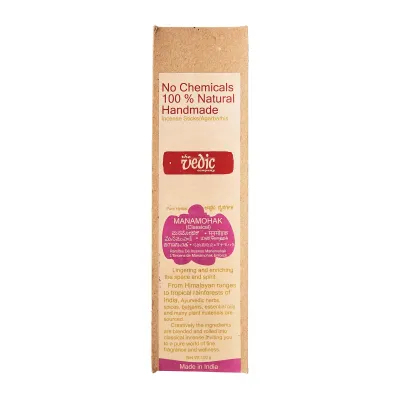
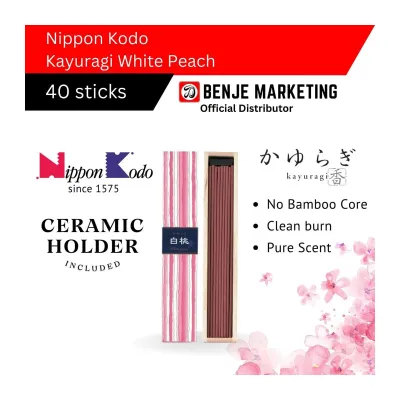


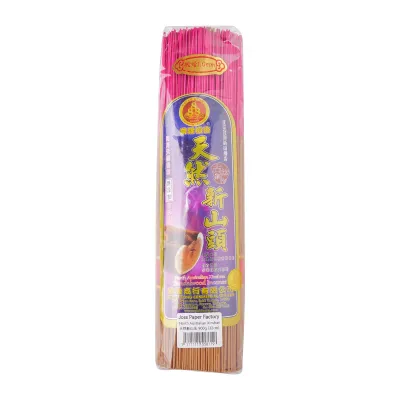
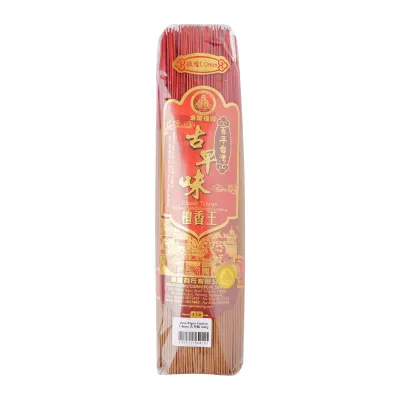
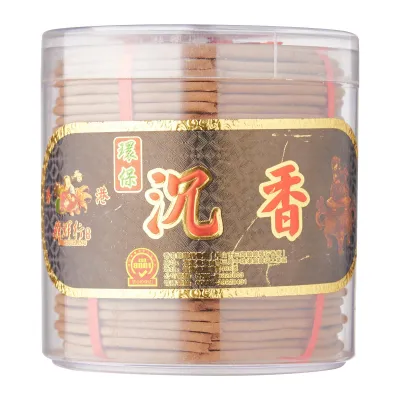
Prices are valid at publication and may change. Please refer to the product page for the latest price.
Enclosed or air-conditioned spaces present a different challenge for smoke-producing products. When incense is burned in a room with closed windows, the smoke particles have nowhere to escape. Over time, this smoke can leave a persistent residue on walls, ceilings, light fixtures, and soft furnishings like curtains and sofa fabrics. This yellow or grey staining is difficult to clean and can trap lingering odors long after the incense has finished burning. If your preferred relaxation area is a closed bedroom or an air-conditioned study, a smoke-free option is generally more practical.
An essential oil diffuser, by contrast, operates without combustion, making it highly compatible with enclosed and air-conditioned rooms. Most modern diffusers use ultrasonic technology to vibrate water and essential oils, creating a fine, cool mist that disperses into the air. Because there is no smoke, you do not need to worry about residue staining your walls or fabrics. However, diffusers have their own spatial requirements that you must plan for before making the switch.
To operate an electronic diffuser, you need a stable, flat surface within reach of a reliable power outlet. The mist emitted by ultrasonic diffusers introduces moisture into the immediate environment, which means you must avoid placing the device directly beneath wooden shelves, near sensitive electronics, or against wallpaper that could absorb dampness. In humid climates, adding extra moisture to a poorly ventilated room can sometimes contribute to localized dampness, so placing the diffuser in an area with moderate, natural air movement is ideal.
Evaluate Health, Safety, and Household Vulnerabilities
The health and safety of your household members should be a primary consideration when choosing a home fragrance method. Because burning incense releases fine particulate matter and carbon monoxide into the air, it can trigger respiratory discomfort. Individuals with pre-existing conditions such as asthma, allergies, or chronic bronchitis may find that even high-quality, natural incense causes coughing, wheezing, or sinus irritation. If anyone in your home is sensitive to airborne particles, transitioning to a flameless, smoke-free alternative can significantly improve their comfort.

Physical safety hazards also differ greatly between the two methods. Incense requires an open flame to ignite and leaves behind hot ash that can remain hot for several minutes after the stick has burned down. If you have active pets, young children, or drafty hallways, an unattended incense stick poses a real risk of accidental burns or fire. You must always supervise burning incense and ensure it is placed on a heat-resistant surface far away from flammable materials like curtains, paper, or bedding.
An essential oil diffuser eliminates the hazards associated with open flames and hot ash, making it a much safer option for busy households. If a diffuser is accidentally knocked over by a pet or a child, the primary consequence is a water spill rather than a fire hazard. Many modern ultrasonic diffusers also feature an automatic shut-off function that turns the device off when the water tank is empty, helping to prevent overheating.
However, diffusers are not entirely without safety considerations, particularly regarding pets. Many common essential oils, including tea tree, eucalyptus, lavender, and peppermint, contain natural compounds that can be harmful to dogs and cats. Because pets metabolize substances differently than humans, inhaling diffused oils or absorbing them through their skin can lead to respiratory discomfort or adverse reactions. Before using any essential oil, you must check the manufacturer labels, review safety data sheets, and consult veterinary guidelines to ensure the specific oil is safe for the animals in your home.
Compare Fragrance Profiles and Scent Control
The sensory experience of incense is distinct from that of essential oils, and your personal preference for specific scent profiles will heavily influence your choice. Incense is renowned for its deep, earthy, resinous, and woody notes, such as sandalwood, frankincense, patchouli, and agarwood. The process of combustion adds a warm, smoky undertone to these fragrances, creating a rich and heavy atmosphere that many people find deeply grounding, meditative, or nostalgic. If you prefer complex, warm, and lingering aromas, traditional incense is difficult to replicate.
Essential oils offer a completely different spectrum of fragrance profiles, focusing on fresh, botanical, and true-to-nature scents. Because essential oils are extracted directly from plants, flowers, fruits, and herbs, they provide bright and clean aromas such as citrus, lavender, peppermint, and rosemary. While you can find woody essential oils like cedarwood or sandalwood, they lack the smoky warmth that comes from burning raw materials. If you prefer light, refreshing, and crisp scents that make a room feel clean and airy, essential oils are highly effective.
Scent control and customization are areas where essential oil diffusers offer a clear advantage over traditional incense. An incense stick burns at a set rate, releasing a continuous and often intense amount of fragrance until it is completely consumed. If the scent becomes too overwhelming, your only option is to extinguish the stick manually, which can be messy and wasteful.
With an electronic diffuser, you have precise control over the intensity and duration of the fragrance. You can adjust the strength of the scent simply by adding more or fewer drops of essential oil to the water tank. Many diffusers also feature adjustable mist settings, intermittent timers (such as cycling on and off), and automatic runtimes that allow you to customize the fragrance delivery to match your daily schedule. This flexibility is ideal if you want a subtle background scent during the workday or a gentle aroma to help you wind down before bed.
Weigh the Maintenance and Daily Cleanup
Maintaining your home fragrance equipment is essential for both safety and performance, and each method requires a different type of upkeep. The daily cleanup for incense is relatively straightforward but must be done consistently. As incense burns, it drops fine ash that must be caught by a suitable holder or burner. You must regularly empty this ash into a waste bin, ensuring it is completely cool to prevent fire hazards. Over time, the oils and tars from the smoke will leave a sticky, dark residue on your incense holder, requiring you to scrub it periodically with warm water and soap to maintain its appearance.
An essential oil diffuser requires more meticulous and frequent maintenance to ensure it operates safely. Because diffusers hold standing water, they can easily become breeding grounds for bacteria, mold, and yeast if left uncleaned. You should empty and rinse the water tank after every few uses, and perform a deep clean at least once a week. This involves wiping down the tank with a soft cloth, using a small brush to clean the ultrasonic membrane, and occasionally running a mixture of water and white vinegar through the machine to dissolve mineral scale.
In humid climates, mineral buildup from tap water can quickly clog the delicate ultrasonic plate of a diffuser, reducing its mist output. Using distilled or filtered water can minimize this issue, but it adds an extra step to your daily routine. Additionally, you must consider the storage requirements for both options. Incense sticks must be kept in a cool, dry place inside airtight containers to prevent them from absorbing moisture from the air, which can make them difficult to light. Essential oils must be stored in dark glass bottles away from direct sunlight and heat to prevent the oils from oxidizing and losing their aromatic properties.
Decision Guide: Which Option Fits Your Lifestyle?
To decide whether to make the switch, evaluate how each option aligns with your specific living conditions and daily habits. Sticking with traditional incense is highly suitable if you have a spacious, well-ventilated home where smoke can easily disperse without lingering. It is also the preferred choice if your fragrance routine is tied to specific cultural, spiritual, or deep meditative practices where the physical act of lighting a stick and watching the smoke rise is an essential part of the experience.
Switching to an essential oil diffuser is the more practical choice if you live in a compact, enclosed, or air-conditioned apartment where smoke residue and air quality are major concerns. A diffuser is also ideal if you have young children, curious pets, or respiratory sensitivities that make open flames and smoke unsafe. If you value convenience, precise scent control, and the ability to automate your home fragrance with timers, a diffuser will easily integrate into your modern lifestyle.
For many homeowners, a hybrid approach offers the best of both worlds. You can use an essential oil diffuser as your primary, daily source of background fragrance to keep your home smelling fresh and clean without affecting your indoor air quality. Then, you can reserve traditional incense for special occasions, weekend meditation sessions, or cultural rituals when you can open all the windows, enjoy the rich, smoky aroma fully, and safely supervise the burning process.
Frequently Asked Questions (FAQ)
Can I use both incense and an essential oil diffuser in the same room?
It is generally not recommended to use both incense and an essential oil diffuser in the same room at the same time. Combining the smoke and particulate matter of incense with the moisture and concentrated mist of a diffuser can quickly overwhelm your senses, leading to olfactory fatigue or headaches. Additionally, the high humidity from the diffuser can cause the smoke particles from the incense to clump and settle more rapidly on your furniture and walls. Instead, alternate their use based on the time of day or your activities, ensuring the room is well-ventilated between sessions.
How do I verify if an essential oil is safe for my pets?
To verify if an essential oil is safe to diffuse around your pets, do not rely solely on general marketing claims or product packaging labels. Instead, consult reputable veterinary resources, animal poison control databases, or speak directly with your veterinarian. Always check the scientific name of the plant listed on the essential oil bottle, as different species of the same plant family can have varying levels of toxicity. When diffusing any oil, ensure your pet has a clear, unobstructed path to leave the room freely if the scent becomes uncomfortable or irritating to them.
Community discussion
Share your experience or ask a question. Comments are reviewed before publication.