
Quick Answer: What Are Ingot Figurines Made From?
Ingot figurines, highly valued as symbols of prosperity and abundance, are primarily crafted from solid brass, gold-plated alloys, resin (or polyresin), and glazed ceramic. Selecting the right material is a balance of your budget, tactile preferences, and how much time you want to spend on upkeep.
For example, in Singapore’s tropical climate, high relative humidity can accelerate the natural oxidation of metals like brass. This makes synthetic materials like resin or sealed ceramics attractive, low-maintenance alternatives for many households. If you prefer the heavy, cold feel of authentic metal, solid brass or gold-plated options remain the classic choices, provided you are prepared for their specific care requirements.
Common Materials Used in Ingot Figurines
The material of your ingot figurine does more than determine its price; it directly dictates its weight, surface finish, durability, and how it responds to the surrounding environment. Understanding these material properties helps you choose a piece that looks beautiful and lasts for years on display.
Products mentioned in this guide
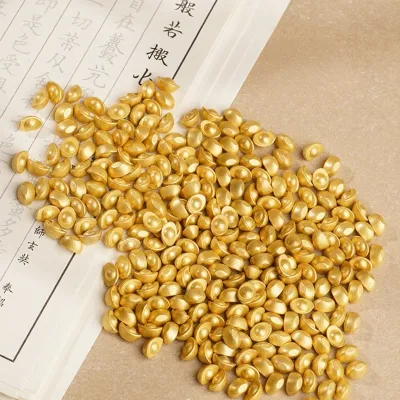
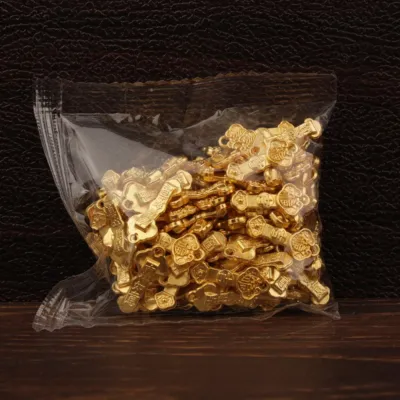

Prices are valid at publication and may change. Please refer to the product page for the latest price.

Solid Brass
Solid brass is a traditional favorite for ingot figurines due to its substantial weight and rich, warm golden hue. This copper-zinc alloy provides a satisfyingly heavy feel in the hand, giving the figurine an undeniable sense of quality and permanence. Over time, brass naturally reacts with oxygen, moisture, and even the oils from your hands, developing a darker brown or greenish patina.
While some collectors appreciate this antique, weathered look as a sign of character, others prefer to keep their figurines looking bright and polished. Because of its durability and classic appeal, solid brass is generally positioned as a mid-to-high-tier option, making it an excellent investment for central household displays or heirloom-quality gifts.
Gold-Plated Metals
Gold-plated ingot figurines offer a brilliant, highly reflective mirror finish that closely mimics the look of pure gold. These pieces typically feature a base metal—such as brass, copper, or zinc alloy—which is electroplated with a micro-thin layer of real gold. This construction allows you to enjoy the prestige and dazzling shine of gold without the astronomical cost of a solid gold sculpture.
However, because the gold layer is incredibly thin, it is susceptible to wear. Frequent handling, abrasive cleaning tools, or exposure to harsh household chemicals can wear down or scratch the plating, eventually exposing the base metal underneath. For this reason, gold-plated ingots are best suited for protected display cabinets or high shelves where they can be admired without being touched regularly.
Resin and Polyresin
Resin and polyresin are synthetic, liquid-plastic materials that are poured into molds to create highly detailed figurines. This manufacturing process allows for intricate patterns, sharp details, and complex shapes that would be difficult or highly expensive to carve in metal or stone. Resin is exceptionally lightweight, highly durable, and completely impervious to rust, oxidation, or humidity.
For households in humid tropical environments, resin is a highly practical, low-maintenance choice. While resin figurines can be painted with metallic finishes to convincingly mimic brass, bronze, or gold, they lack the cold, heavy tactile feel of genuine metal. They are, however, the most budget-friendly option, making them ideal for casual decor, temporary displays, or bulk gifting.
Ceramic and Porcelain
Ceramic and porcelain ingot figurines offer a distinct, elegant aesthetic characterized by smooth, glazed surfaces and vibrant colors. These figurines are often hand-painted with auspicious symbols, traditional patterns, or rich red and gold glazes that catch the light beautifully. The firing and glazing process makes them highly resistant to fading and moisture damage.
The primary trade-off with ceramic is its fragility. Unlike metal or resin, a ceramic ingot can easily chip, crack, or shatter if dropped or bumped. They are best placed in secure, low-traffic areas of the home, such as high display cabinets, mantelpieces, or dedicated altars where they are safe from accidental knocks by children or pets.
How to Choose the Right Material for Your Space and Budget
Selecting the perfect ingot figurine requires balancing your budget against where and how you plan to display the piece. If you are shopping on a strict budget or purchasing items in bulk for corporate gifts or festive events, resin is the most practical choice. It offers excellent detail and color at a highly accessible price point, often costing under S$20 to S$50 for medium-sized pieces. If you want a premium centerpiece for your living room or a significant gift for a milestone occasion, investing in solid brass or high-quality gold-plated alloy is well worth the higher cost, which typically ranges from S$80 to several hundred dollars depending on the size and craftsmanship.
Your aesthetic and tactile preferences should also guide your decision. If you appreciate the physical weight and cold, solid feel of metal, synthetic options will likely disappoint you. Metal ingots convey a sense of heritage and luxury that resin cannot replicate. On the other hand, if you prefer vibrant, multi-colored designs—such as an ingot adorned with colorful wealth ships, flowers, or detailed inscriptions—molded resin or hand-painted ceramic will offer far more visual variety than solid metal.
Environmental conditions are another critical factor, particularly in humid tropical climates like Singapore’s. High humidity can cause unprotected brass to tarnish rapidly, requiring regular maintenance to keep its bright shine. If you prefer a hands-off approach to home decor, resin or glazed ceramic are excellent, low-maintenance alternatives that remain completely unaffected by moisture in the air.
Finally, consider the safety and structural requirements of your display area. A large, solid brass ingot can be surprisingly heavy and requires a sturdy, load-bearing shelf or a solid wooden table. Placing a heavy metal piece on a delicate glass shelf or a flimsy wall-mounted ledge can pose a safety hazard. Conversely, fragile ceramic pieces must be kept far away from table edges and high-traffic zones where they could easily be knocked over.
Cleaning and Maintenance Tips by Material
To keep your ingot figurine looking its best, always check the manufacturer’s care instructions first, as finishes can vary widely. When handling any decorative figurine, make sure your hands are clean and dry, and ensure your cleaning surface is completely stable before you begin.
For solid brass figurines, routine care involves dusting with a soft, dry microfiber cloth. If your brass ingot has a protective lacquer coating, avoid using commercial brass polishes, as these abrasive chemicals can strip the lacquer and leave the metal vulnerable to uneven tarnishing. If the brass is unlacquered and you wish to restore its original shine, apply a specialized brass polish gently with a soft cloth, following the product’s instructions, and buff it to a high gleam.
Gold-plated figurines require the gentlest touch of all. Use only a dry, ultra-soft microfiber cloth or a feather duster to remove surface dust. Never use abrasive cloths, stiff brushes, or liquid metal polishes on gold-plated surfaces, as these will quickly wear away the thin gold layer and expose the duller base metal underneath.
Resin and ceramic figurines are highly durable but still require proper care. You can wipe them down with a slightly damp microfiber cloth to remove stubborn dust or fingerprints, but be sure to dry them immediately afterward with a clean, dry cloth. Avoid using harsh chemical solvents, alcohol-based cleaners, or abrasive scrubbing pads, as these can easily degrade, discolor, or scratch the painted details, glazes, or protective topcoats.
Frequently Asked Questions (FAQ)
Does solid brass turn green over time?
Yes, solid brass can develop a greenish or dark brown patina over time. This is a natural oxidation process caused by exposure to air, ambient humidity, and the acidic oils from human skin. If you prefer a bright, polished look, this patina can be easily removed using a gentle, non-abrasive brass cleaner or a homemade paste of vinegar, salt, and flour, provided the brass is not sealed with a protective lacquer.
Are resin ingot figurines considered bad feng shui?
No, resin ingot figurines are not considered bad feng shui. In traditional practices, the symbolic shape, placement, and the clear intention behind the symbol are generally far more important than the material itself. While metal is sometimes preferred for specific elemental adjustments, a beautifully crafted resin ingot is a perfectly acceptable and highly popular symbol for inviting wealth and abundance into your home.
How can I tell if an ingot is solid brass or just plated?
The easiest way to tell is by checking the weight; solid brass is significantly heavier and denser than gold-plated zinc alloys, copper, or resin. You can also inspect the edges, corners, or bottom of the figurine for any wear spots where a gold coating might have worn away to reveal a different color underneath. Finally, always review the manufacturer’s product specifications or buy from reputable decor retailers to verify the core material.
Community discussion
Share your experience or ask a question. Comments are reviewed before publication.