
Installing a fandelier—a stylish hybrid of a ceiling fan and a decorative light fixture—is an excellent way to save space and enhance comfort in Singapore’s tropical climate. If you live in a Housing & Development Board (HDB) flat, you are likely working with a standard ceiling height of 2.6 metres. While this height is highly functional, it introduces specific spatial and safety constraints when introducing suspended, motorized fixtures.
You can safely install a fandelier in an HDB flat with a 2.6-metre ceiling, provided you choose a low-profile design, calculate precise clearance margins, and adhere to local structural and electrical safety standards. By taking accurate measurements and understanding the physical dynamics of your space, you can enjoy both cooling airflow and elegant illumination without compromising safety or comfort.
Calculating Safe Clearance for a 2.6m Ceiling
To determine if a specific fandelier is suitable for your room, you must first calculate the available vertical clearance. Standard safety guidelines generally recommend that the blades of any ceiling fan remain at least 2.1 to 2.3 metres above the floor. This height prevents tall occupants from accidentally contacting the rotating blades when walking, stretching, or changing clothes.
Products mentioned in this guide
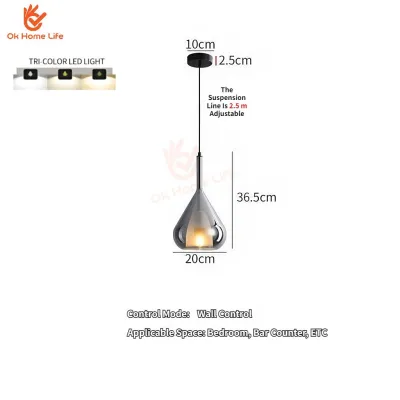
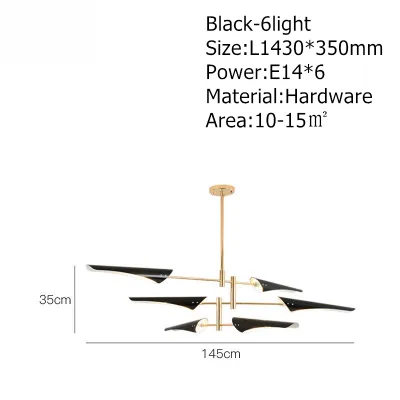
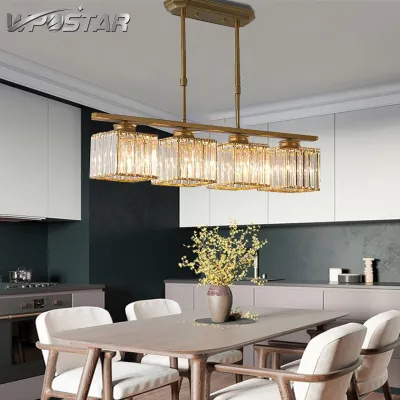
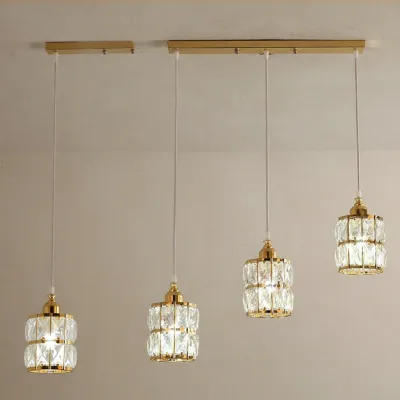
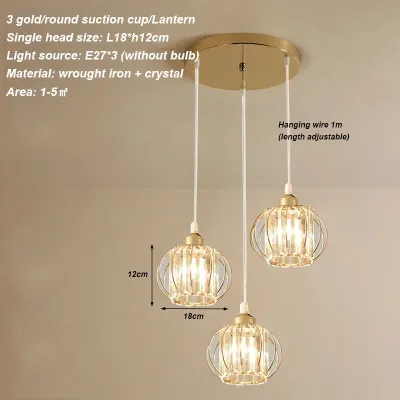
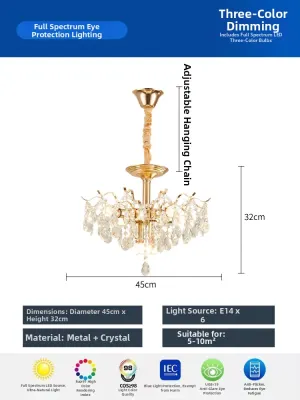
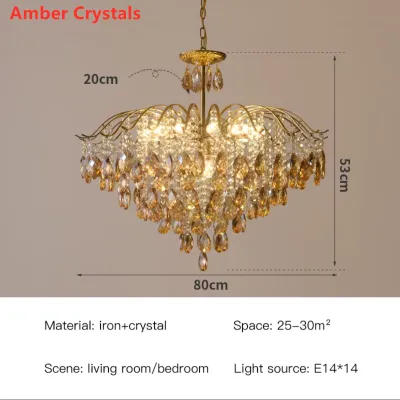
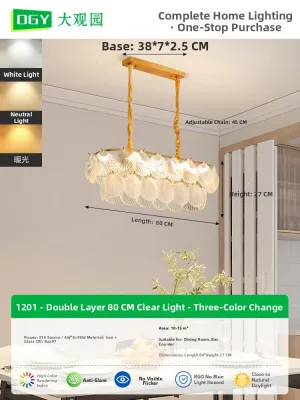
Prices are valid at publication and may change. Please refer to the product page for the latest price.
Using these safety benchmarks, you can easily calculate your maximum allowable fixture drop. If your ceiling is exactly 2.6 metres high and you aim for a safe blade height of 2.3 metres, the total drop of your fandelier—from the ceiling mount to the lowest point of the blades—must not exceed 0.3 metres (30 centimetres). If you opt for the absolute minimum clearance height of 2.1 metres, your maximum allowable fixture drop increases to 0.5 metres (50 centimetres).
Before purchasing a fixture, always review the manufacturer’s detailed specifications for the motor housing depth and downrod options. Many fandeliers are shipped with multiple downrod lengths or offer a flush-mount configuration. For a 2.6-metre ceiling, you will almost certainly need to use the shortest downrod provided or configure the unit as a direct flush-mount to keep the fixture within your calculated safety limits.
Additionally, you must account for the layout of your furniture when planning vertical clearance. If the fandelier is positioned directly over a bed, a dining table, or a low coffee table, the risk of physical contact is naturally reduced compared to high-traffic walking paths. However, you must strictly avoid installing a fandelier near tall furniture pieces such as built-in wardrobes with outward-swinging doors, high shelving units, or bunk beds, as these can obstruct airflow and pose safety hazards if someone climbs or reaches upward.
Selecting Low-Profile Fandelier Designs for HDB Rooms
When shopping for a fandelier suitable for a 2.6-metre ceiling, design configuration is your primary selection tool. Flush-mount and hugger-style fandeliers are specifically engineered for low-clearance spaces. These designs mount directly against the ceiling surface, eliminating the downrod entirely and keeping the rotating blades as close to the ceiling as structurally permissible.

Semi-flush configurations, which utilize an ultra-short downrod of 5 to 10 centimetres, can also work well if the overall fixture depth remains within your calculated limit. These designs allow slightly better air circulation around the top of the fan compared to pure flush-mounts, as they leave a small gap for air intake. However, you must verify that the total drop still leaves adequate headroom for the tallest members of your household.
The physical dimensions of the fandelier, including its blade span and pitch, also play a critical role in both performance and visual comfort. Fandeliers typically feature smaller, enclosed blades compared to traditional ceiling fans, often ranging from 30 to 50 inches in diameter. While a compact blade span prevents the room from feeling visually cramped, you must evaluate the blade pitch and motor specifications to ensure the unit can move air effectively in your specific room size.
Do not overlook the integrated lighting component of the fixture. Because a fandelier serves a dual purpose, you must confirm that the light output meets the illumination requirements of your HDB bedroom or living area. Check the wattage limits, bulb base interfaces, and whether the integrated LED system supports dimming or color temperature adjustments. A dimmable fixture allows you to transition from bright, functional task lighting to soft, ambient illumination, which is particularly useful in multi-purpose HDB spaces.
Structural and Electrical Safety Requirements
Installing a motorized, rotating fixture requires careful attention to structural integrity and electrical compliance. HDB ceilings are typically constructed of solid concrete slabs, but many homeowners install false ceilings for aesthetic reasons or to conceal wiring and air-conditioning trunking. Identifying your specific ceiling type is the first step in ensuring a secure installation.
For exposed concrete ceilings, the fandelier must be secured using heavy-duty masonry expansion bolts or concrete anchors. These anchors must be rated to support both the static weight of the fixture and the dynamic forces generated by the motor’s vibration. Standard plastic wall plugs are entirely inadequate for this application and must never be used to support a ceiling fan or fandelier.
If your room features a false ceiling, you face a much higher structural risk. Gypsum boards and plasterboard panels are non-structural materials that cannot support the weight or vibration of a fandelier. Mounting a heavy, motorized fixture directly onto a false ceiling panel will inevitably lead to structural failure, causing the ceiling to sag or collapse. To install a fandelier in this scenario, a qualified installer must mount a specialized support bracket or threaded rod directly to the concrete slab above, extending down through the false ceiling to suspend the fixture safely.
Electrical safety is equally paramount. In Singapore, fixed electrical wiring and ceiling fan installations should be handled by a Licensed Electrical Worker (LEW) or a qualified professional. Before beginning any work, the main power supply must be isolated at the circuit breaker. The installer must verify that the existing electrical box is securely mounted, that the wiring is properly grounded, and that the circuit can handle the combined power draw of the fan motor and the lighting elements. Additionally, ensure the fixture carries recognized electrical safety certifications compatible with local voltage standards (220V-240V, 50Hz).
Pre-Installation Measurement Checklist
To ensure a smooth and safe installation process, complete this practical checklist before purchasing your fandelier:
- Measure the exact ceiling height: Do not rely on general estimates; use a laser measure or tape measure to confirm the distance from the finished floor to the ceiling surface at the exact mounting location.
- Map the room layout and clearance zones: Verify that the outer edge of the fandelier blades maintains a safe horizontal clearance (typically at least 1.5 metres) from walls, tall wardrobes, air-conditioning units, curtain tracks, and ceiling beams.
- Inspect the mounting point: Confirm whether you are mounting directly to a concrete slab or through a false ceiling, and ensure you have the correct anchors or suspension brackets.
- Verify electrical compatibility: Ensure the existing junction box is rated for fan support, check that the wiring includes a functional ground wire, and confirm that the wall switch or remote control system is compatible with the fandelier's dimming and speed control features.
- Establish clear stop conditions: If you discover outdated or damaged wiring, cannot identify the structural composition of your ceiling, or find that the manufacturer's installation instructions conflict with your room's physical dimensions, halt the project immediately and consult a qualified professional.
Frequently Asked Questions (FAQ)
Do I need HDB approval to install a fandelier?
Generally, standard ceiling fan and lighting installations in HDB flats do not require a formal permit or written approval from HDB. However, you must strictly comply with HDB’s safety guidelines. These guidelines dictate that any suspended ceiling fixture must not exceed a specific weight limit (typically 15 kilograms) and must be installed securely without causing structural damage to the concrete slab. Engaging a qualified professional ensures your installation remains compliant with these safety standards.
Can I mount a fandelier on an HDB false ceiling?
No, you must never mount a fandelier directly onto the gypsum board or plasterboard of an HDB false ceiling. Because a fandelier contains a motor that vibrates during operation, the dynamic load will quickly weaken the false ceiling panels, posing a severe risk of collapse. The fixture must always be anchored directly to the concrete slab above using a solid suspension bracket or threaded rod system that passes cleanly through the false ceiling without transferring any weight to the decorative panels.

Community discussion
Share your experience or ask a question. Comments are reviewed before publication.