
Installing a solar powered light around your home in Singapore requires balancing structural feasibility, solar exposure, and local property regulations. While these fixtures offer an energy-efficient way to illuminate dark walkways and entryways, the ideal installation approach depends heavily on whether you live in an HDB flat, a private condominium, or a landed estate. Achieving reliable performance involves selecting the right mounting method, positioning the solar panel to capture sufficient sunlight amidst high-rise shading, and angling the motion sensor to avoid false triggers. By understanding the specific legal and physical constraints of your housing type, you can ensure a safe, compliant, and highly functional outdoor lighting setup.
Assessing Feasibility and Permissions by Housing Type
Before installing any solar powered light, you must determine the legal and practical boundaries of your property type. In Singapore, unauthorized installations in shared or visible spaces can lead to forced removals, neighbor disputes, or management penalties.
For HDB flats, the common corridor is public property managed by your local Town Council. Verify your Town Council’s guidelines before mounting any light. Installations must not obstruct fire escape routes or violate Singapore Civil Defence Force (SCDF) fire safety guidelines, which require maintaining a clear escape passage. Since drilling into common corridor walls is usually prohibited without permission, non-invasive mounting methods are highly preferable.
Products mentioned in this guide
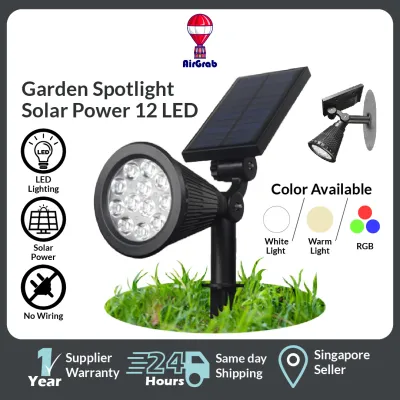
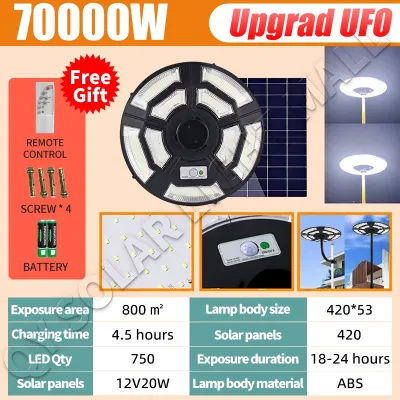
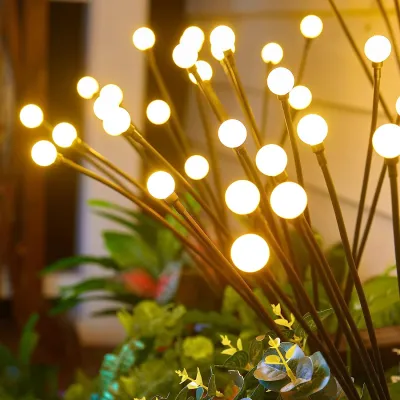
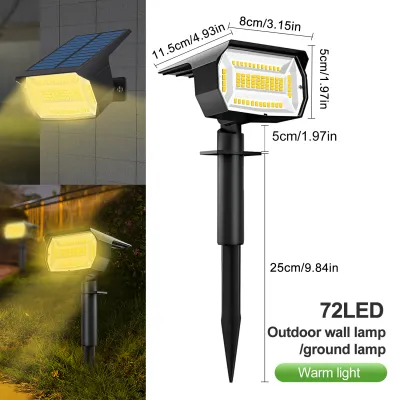
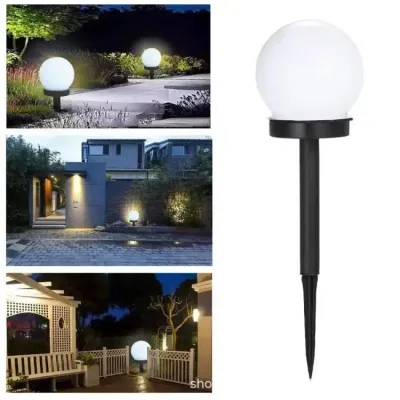
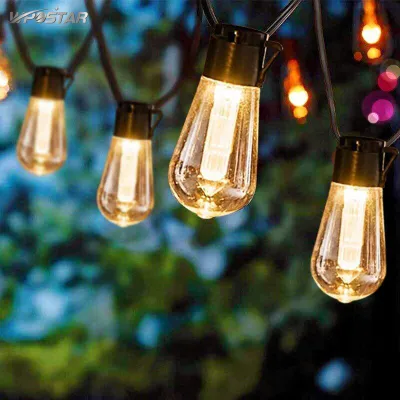
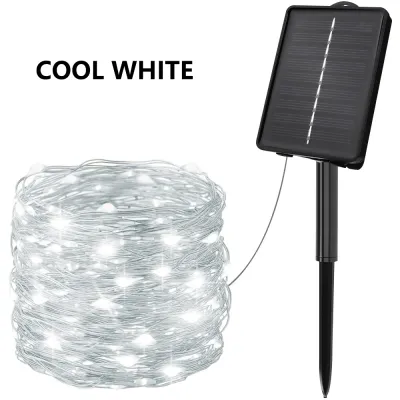
Prices are valid at publication and may change. Please refer to the product page for the latest price.
In private condominiums, the Management Corporation Strata Title (MCST) by-laws strictly govern the distinction between private strata areas and common property. While you generally have more freedom within your private balcony, exterior walls, structural pillars, and outer parapets are usually classified as common property. Review your condo’s MCST guidelines before mounting fixtures on exterior surfaces, as some developments prohibit visible external additions to maintain facade uniformity.
Landed properties offer the greatest installation freedom, but exterior fixtures must not encroach on public footpaths or overhead state land. Additionally, consider light trespass. A powerful motion-activated floodlight angled directly at a neighbor’s bedroom window can cause friction. Position and shield your lights so they illuminate only your designated pathways and driveways.
Optimizing Solar Panel Placement for Maximum Charging
The primary operational challenge for solar powered lights in Singapore’s urban landscape is securing adequate sunlight. High-rise blocks, deep building overhangs, and mature trees create significant shade that can severely limit a solar panel’s ability to recharge.

Evaluate daily sun exposure at your intended site. Singapore’s equatorial location ensures high overhead sun, but if your corridor or balcony faces a narrow courtyard or is blocked by an adjacent block, it may receive only indirect ambient light. Standard integrated solar lights—where the panel is fixed directly onto the fixture—will struggle to charge in these permanently shaded zones.
For shaded corridors, recessed entryways, or deep balconies, a split-unit solar powered light is often the most effective solution. These systems separate the solar panel from the light fixture using an extension cable. This allows you to mount the light exactly where illumination is needed while placing the solar panel on an outer ledge, railing, or high wall that receives direct sunlight.
Another critical factor is the placement of the light’s ambient light sensor. If you place the solar light too close to strong artificial light sources, such as bright HDB corridor lamps, condo security lights, or public streetlights, the sensor may detect this ambient brightness and assume it is still daytime. Consequently, the motion sensor will fail to trigger the light when darkness falls.
Mounting Strategies and Sensor Positioning
Once you have confirmed permissions and mapped out solar access, you must execute the physical installation. The choice of mounting hardware and motion sensor alignment directly impact the system’s durability and daily performance.
Before purchasing, verify the fixture’s dimensions, weight, and ingress protection (IP) rating to confirm it can withstand outdoor damp areas. While solar units operate on low-voltage direct current (DC) and do not require a mains connection, you should still verify the battery capacity, charging interface, and any electrical certifications listed in the product specifications. If the model features adjustable brightness or dimming methods, ensure these controls are easily accessible once mounted.
For renters or those living in HDB flats and condos where drilling is restricted, non-invasive mounting is the safest approach. Heavy-duty, weather-resistant outdoor double-sided adhesive tapes or mounting putty can secure lightweight solar fixtures to smooth surfaces like glazed tiles, metal railings, or painted aluminum frames. For heavier fixtures or rough, textured surfaces like concrete, brick, or external plaster, masonry screws and wall plugs are necessary. Always verify that drilling is permitted on the target wall before proceeding.
Positioning the Passive Infrared (PIR) motion sensor requires careful planning to maximize its detection cone while minimizing false alarms. PIR sensors detect changes in infrared radiation from moving warm bodies. If you position the sensor facing a busy public walkway, a road, or swaying garden foliage heated by the sun, the light will trigger constantly, rapidly draining the battery. Angle the sensor downward and focus its detection zone specifically on your private entryway, steps, or driveway.
Consult the manufacturer’s manual to identify the specific detection range, horizontal angle, and optimal mounting height. Most residential motion sensor lights perform best when mounted between 2 and 2.5 meters above the ground. Mounting the fixture too high can create a blind spot directly underneath, while mounting it too low restricts the sensor’s forward reach and leaves the fixture vulnerable to physical damage.
Safety Boundaries and When to Hire a Professional
While installing a basic solar powered light is generally a straightforward DIY task, certain scenarios present structural or electrical risks requiring professional intervention.
Before drilling into any exterior facade, balcony wall, or parapet, you must identify potential hazards hidden beneath the surface. Exterior walls often house concealed electrical conduits, water pipes, or structural reinforcement bars. Drilling into a waterproofing membrane—common on condo balconies and landed roof terraces—can lead to severe water ingress issues during heavy downpours, resulting in costly structural repairs. If you are unsure of what lies behind the wall, use a reliable stud finder with metal and AC cable detection modes, or consult your building’s management office.
For installations involving fixed wiring, damp areas, work at height, or suspended loads, strict safety boundaries apply. Always isolate the power supply before touching any existing electrical circuits. Carefully follow the manufacturer’s installation instructions regarding load limits and mounting brackets to prevent falling hazards. If the installation requires working at height or routing cables through damp exterior zones, hire a qualified professional to ensure compliance with local safety standards.
Finally, consider the physical risks of working at height. If your optimal solar panel location is on a high landed roofline or a hard-to-reach exterior wall, do not compromise your safety on an unstable ladder. High-elevation installations require proper safety harnesses, stable scaffolding, or professional installation services to prevent dangerous falls.
Post-Installation Testing and Maintenance
To ensure long-term reliability, verify the system’s performance immediately after setup and establish a simple maintenance routine.
Begin by conducting a physical walk-test. Wait until dusk, then walk toward the installed light from various angles to map the actual trigger zone. If you notice blind spots or if the light triggers too late, adjust the tilt of the sensor head or slightly re-angle the entire fixture. Many models also feature sensitivity and timer dials; adjust these to keep the light on long enough for safe passage without unnecessarily draining the battery.
Singapore’s tropical climate brings high humidity, airborne dust, and frequent rain, which can quickly degrade solar efficiency. Schedule a regular cleaning every few months. Use a soft, damp microfiber cloth to wipe away dust, bird droppings, and dried water spots from both the solar panel surface and the motion sensor lens. Avoid abrasive scrubbers or harsh chemical cleaners that can scratch the protective plastic coatings, as scratches permanently reduce light transmission.
Lastly, perform periodic inspections of the weatherproofing seals and battery compartments. Heavy monsoon rains can test the limits of water-resistant seals. Check for any signs of moisture ingress, rust on battery contacts, or loose mounting brackets, ensuring your solar powered light remains secure and operational year-round.
Frequently Asked Questions (FAQ)
Can I install a solar light in an HDB corridor without permission?
Installing any private fixture in an HDB common corridor generally requires permission from your local Town Council. Unauthorized installations that obstruct the common walkway or violate fire safety guidelines can lead to removal orders, fines, or safety hazards. It is best to consult your Town Council and opt for non-invasive, easily removable mounting methods if permitted.
Why is my solar motion light not turning on at night?
This issue is commonly caused by insufficient daytime charging, physical obstructions blocking the motion sensor, or nearby artificial light sources. If a bright corridor lamp or streetlight shines directly onto the light’s ambient sensor, the fixture will assume it is daytime and remain off. Check the sensor’s surroundings and consult your product manual for troubleshooting or battery replacement steps.
Do solar powered lights work during Singapore's rainy monsoon seasons?
Yes, solar powered lights can still function during monsoon seasons, but their performance may be reduced. Consecutive overcast or rainy days limit the amount of direct sunlight reaching the panel, resulting in shorter operating times at night. To mitigate this, choose models with larger battery capacities, highly efficient monocrystalline solar panels, or adjustable power-saving modes.

Community discussion
Share your experience or ask a question. Comments are reviewed before publication.