
Investing in luxury sculptures for a Singapore home requires a strategic approach that balances artistic heritage, material durability, and verified provenance. While mass-produced decor items quickly lose their appeal and resale value, true luxury sculptures from historic houses and recognized artists serve as both striking visual centerpieces and potential long-term assets. To make an informed purchase, collectors must look beyond aesthetic trends and evaluate the underlying factors that sustain a sculpture’s value over time. This involves understanding the craftsmanship involved, verifying the authenticity of the piece, and ensuring that the materials are suited to the local environment.
In Singapore’s premium residential market, where modern architecture often features clean lines and expansive glass walls, a well-placed sculpture adds depth, texture, and a sense of personal history to an interior. However, the acquisition of high-value art and decor should never be impulsive. By focusing on established brands with documented secondary market demand, verifying material specifications, and purchasing through authorized channels, you can build a collection that brings daily aesthetic pleasure while preserving capital.
Defining Investment Value in Luxury Sculptures
To build a collection of lasting worth, it is essential to distinguish between mass-produced premium decor and genuine luxury collectibles. Premium decor brands often manufacture items in large, unrestricted quantities using automated industrial processes. While these pieces may look appealing on a showroom shelf, they lack the scarcity and artisanal input required to hold value. In contrast, luxury sculptures are characterized by limited production runs, significant hand-craftsmanship, and the backing of prestigious heritage brands or recognized artists. These elements create a baseline of scarcity and quality that protects your investment.
Products mentioned in this guide
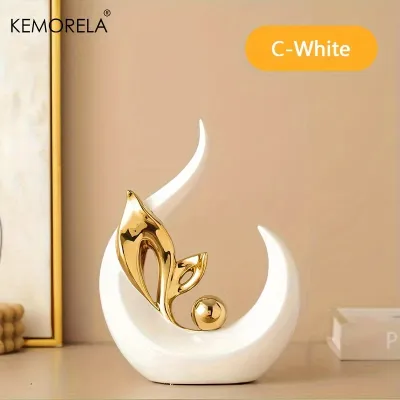
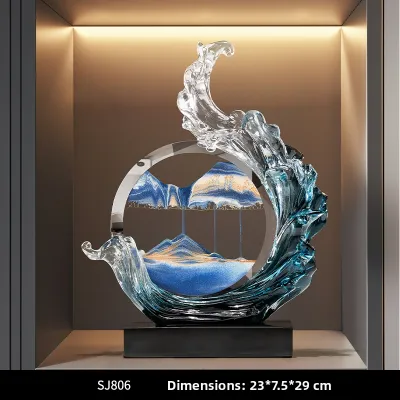
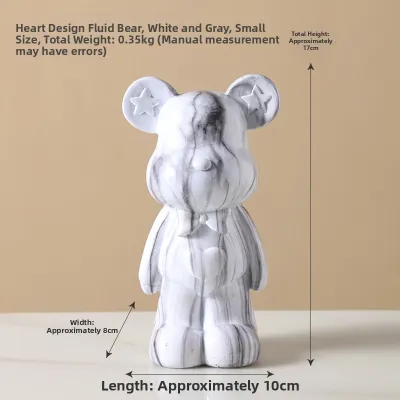
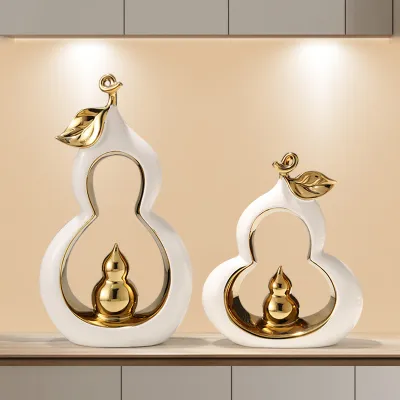
Prices are valid at publication and may change. Please refer to the product page for the latest price.
The value proposition of a luxury sculpture is dual-natured, offering both immediate experiential utility and long-term financial stability. On a daily basis, a masterfully crafted sculpture enhances your living environment, serving as a sophisticated focal point that reflects your personal taste and appreciation for fine art. Over years or decades, these pieces can maintain or increase their value, particularly as specific editions sell out or the brand’s historical significance grows. Unlike standard home furnishings that depreciate the moment they leave the showroom, investment-grade sculptures are treated by the global market as collectible assets.
A brand’s heritage and historical significance play a critical role in sustaining this long-term value. Historic European porcelain manufactories, legendary French crystal makers, and established bronze foundries have spent centuries refining their techniques and building global reputations. This enduring legacy ensures a continuous global network of collectors, galleries, and auction houses actively trading their works. When you buy from a brand with a rich history, you are not just purchasing a physical object; you are acquiring a piece of cultural history that has a proven track record of desirability on the secondary market.
Key Criteria for Evaluating Luxury Sculpture Brands
Evaluating a luxury sculpture brand requires a systematic framework that goes beyond brand name recognition. A successful acquisition lies at the intersection of artistic merit, material quality, and brand legacy. Artistic merit refers to the originality of the design, the reputation of the collaborating artist, and the piece’s place within art history. Material quality ensures that the physical object will endure for generations without degrading. Brand legacy provides the institutional backing and market infrastructure that supports the piece’s value over time.

Before committing to a premium purchase, you must verify the manufacturer’s claims through physical inspection and official documentation. High-end brands are transparent about their production methods, material compositions, and artist collaborations. If a brand cannot provide detailed specifications or hesitates to share information about the artisans involved, this is a significant warning sign. Verifying these details protects you from paying inflated retail prices for items that do not possess the structural or historical qualities of true luxury.
Assessing Material and Craftsmanship Standards
The physical medium of a sculpture is fundamental to its longevity and value. When evaluating a brand, verify the specific materials used through official product labels and technical specifications. Fine porcelain, cast bronze, carved marble, and lead crystal are the traditional pillars of luxury sculpture, each requiring specialized skills to manipulate. For instance, high-quality cast bronze should be produced using the traditional lost-wax casting method, which allows for intricate detailing and a durable structure that can last for centuries.
Physical inspection is crucial to confirming authentic artisanal quality. When examining a porcelain figurine, look for a flawless glaze, vibrant hand-painted details, and the absence of firing cracks or warping. For lead crystal sculptures, inspect the clarity of the glass; premium crystal should be free of internal bubbles, cloudiness, or green tints, and the hand-cut facets should be sharp and precise to maximize light refraction. In bronze sculptures, examine the consistency of the patina—the chemical finish applied to the surface—and ensure there are no visible seams, pitting, or casting defects that suggest rushed industrial production.
Understanding Editions and Provenance
The scarcity of a sculpture is a primary driver of its investment potential, making it essential to understand how production volumes are structured. Open editions are produced indefinitely to meet market demand; while they are excellent for decorative purposes, they rarely appreciate in value because there is no limit on supply. Numbered limited editions, however, restrict production to a specific quantity, such as 50 or 100 pieces worldwide. Once the edition is sold out, interested buyers must turn to the secondary market, which often drives prices upward. Unique artist pieces, or one-of-a-kind creations, offer the highest investment potential but also require the most significant capital outlay.
To safeguard your investment, every premium sculpture purchase must be accompanied by robust documentation. A Certificate of Authenticity (COA) is the most critical document, serving as official proof that the piece was created by the stated brand or artist. The COA should include the artist’s signature, the edition number (e.g., 12/50), the exact dimensions, the materials used, and the date of creation. For secondary-market acquisitions, a clear provenance record—a documented history of the piece’s ownership—is vital to confirm that the sculpture has not been stolen, forged, or improperly restored, preserving both its historical integrity and financial value.
Sourcing Authentic Luxury Sculptures in Singapore
Acquiring luxury sculptures in Singapore requires sourcing through authorized, reputable channels to guarantee authenticity and secure after-sales support. The most reliable starting point is visiting official brand boutiques located in premier retail destinations such as Orchard Road or Marina Bay Sands, or shopping through authorized high-end department stores. Purchasing directly from these official channels ensures that you receive genuine products, complete with official manufacturer warranties and access to professional restoration services if the piece is ever damaged.
For collectors seeking unique, historical, or secondary-market pieces, established art galleries and reputable international auction houses with a physical presence in Singapore are invaluable resources. These institutions employ in-house specialists who thoroughly vet, research, and authenticate every piece before it is offered for sale. Working with a vetted art advisor can also streamline the acquisition process, providing you with access to private collections and off-market pieces that are not available to the general public, while ensuring you pay a fair market price based on historical transaction data.
Conversely, purchasing high-value sculptures from unauthorized online marketplaces, third-party resellers, or unverified social commerce platforms carries immense risk. These platforms are flooded with sophisticated counterfeits that mimic the appearance of luxury brands but use inferior materials and automated manufacturing. Furthermore, these sellers rarely provide valid certificates of authenticity, and you will have no legal recourse or warranty protection if the item arrives damaged or is later revealed to be a fake. Given that luxury sculpture investments can easily exceed S$10,000, the financial and aesthetic risks of using unverified channels are simply too high.
Integrating Luxury Sculptures into Your Home Decor
Integrating a luxury sculpture into your home decor requires careful consideration of spatial proportions, sightlines, and environmental factors to ensure the piece is displayed to its best advantage. A sculpture should never feel crowded; it needs breathing room to allow viewers to appreciate its form from multiple angles. Consider the sightlines from key entry points and seating areas in the room, placing the sculpture where it naturally draws the eye without obstructing movement. Lighting is equally critical; while strategic spotlighting can highlight the intricate facets of a crystal sculpture or the rich texture of a bronze piece, you must avoid placing sensitive materials in direct sunlight. Singapore’s intense tropical UV rays can cause colors to fade, glazes to crack, and certain modern materials like resins to discolor or degrade over time.
For sculptures that incorporate integrated lighting elements, additional technical verifications are necessary to ensure safety and compatibility within your home. Always verify the voltage requirements, base or interface types, wattage limits, and dimming methods of the integrated light source. In Singapore, ensure that any electrical components carry the appropriate safety certifications, such as the SAFETY Mark, to guarantee they comply with local electrical standards. If the sculpture requires fixed wiring, installation in damp areas, work at height, or involves suspended loads, always isolate the power supply before handling, strictly follow the manufacturer’s installation instructions, and hire a qualified professional electrician or installer to complete the work safely.
The physical weight of luxury sculptures made from solid marble, cast bronze, or heavy lead crystal introduces significant structural and safety considerations. Before placing a heavy sculpture on a console, mantelpiece, or display pedestal, verify the load-bearing capacity of both the furniture and the underlying floor structure. For exceptionally heavy or tall pieces, it is highly recommended to secure them to the wall or floor using discreet, professional-grade anchors to prevent accidental tipping, especially in households with children or pets. Consulting a structural engineer or a professional art installer is a prudent step to ensure the safety of your household and the physical preservation of your investment.
Finally, maintaining the pristine condition of your sculpture requires establishing a routine care regimen based strictly on the manufacturer’s specific guidelines. Singapore’s high relative humidity can accelerate the tarnishing of certain metals or affect mixed-media pieces that combine wood, leather, or delicate pigments. Maintaining a stable indoor climate with consistent air conditioning or dehumidification helps mitigate these environmental risks. When cleaning, always defer to the official care manual provided by the brand. Avoid generic household chemical cleaners, abrasive cloths, or excessive moisture, which can permanently damage delicate glazes, strip hand-applied patinas, or scratch polished crystal surfaces.
Frequently Asked Questions (FAQ)
How do I verify if a luxury sculpture will appreciate in value?
Financial appreciation in the art and luxury decor market is never guaranteed and depends on a complex interplay of factors, including the artist’s career trajectory, the brand’s historical significance, and shifting global collector demand. To gauge potential appreciation, look beyond the initial retail price and research the brand’s performance on the secondary market by reviewing historical auction records from reputable international auction houses. Consulting an independent, vetted art advisor can provide objective market analysis, helping you identify brands and specific editions that have historically maintained their value rather than relying on retail marketing claims.
What are the safest ways to clean and maintain delicate luxury figurines?
The safest method for maintaining delicate luxury figurines is regular, gentle dusting using a dry, ultra-soft makeup brush or a high-quality microfiber cloth designed specifically for sensitive surfaces. Avoid using water, liquid solvents, or household chemical cleaners, as these can penetrate porous materials, strip delicate hand-painted details, or damage protective glazes. For complex or mixed-media sculptures, always consult the brand’s official care manual before attempting any cleaning, and consider hiring a professional art conservator for deep cleaning or restoration to avoid permanently devaluing your piece.
Community discussion
Share your experience or ask a question. Comments are reviewed before publication.