
To ensure your outdoor illumination survives Singapore’s intense tropical downpours, choosing the correct Ingress Protection (IP) rating is essential. For standard, surface-mounted LED garden spot lights exposed to direct rain, a minimum rating of IP65 or IP66 is required to prevent water damage. If you plan to install fixtures recessed into the ground or in low-lying areas where water frequently pools, you must opt for a higher rating of IP67 or IP68. Selecting the wrong rating can lead to short circuits, rapid corrosion, and premature fixture failure, turning your garden investment into an electrical hazard.
The Minimum IP Rating for Singapore's Climate
Singapore’s equatorial climate presents a relentless challenge for outdoor electrical installations. The combination of sudden, torrential monsoon downpours and sustained high humidity means that standard indoor or semi-protected light fixtures will quickly fail if placed in an open garden. For surface-mounted LED garden spot lights that are fixed to walls, trees, or elevated spikes, an IP65 or IP66 rating serves as the absolute baseline. These ratings ensure the enclosure can withstand low-pressure or high-pressure water jets from any direction, simulating the impact of heavy tropical rain.
When dealing with fixtures installed at ground level, the requirements become significantly more stringent. Recessed uplights, path lights, or spot lights positioned in natural depressions are highly susceptible to temporary submersion during intense storms when drainage systems are overwhelmed. For these specific installations, an IP67 rating is the minimum standard, as it certifies protection against temporary immersion in water up to one meter deep. If a fixture is destined for continuous submersion, such as inside a garden pond or water feature, an IP68 rating is mandatory.
Products mentioned in this guide
![[SG In Stock]Solar Garden Spotlight 7LED Warm White White IP65 Waterproof Outdoor Landscape Light for Garden Yard Pathway](https://img.lazcdn.com/g/p/96e23c9d1f03a0dee5eb64dfc64f58d4.jpg_400x400q80.jpg_.webp)
![[SG In STock]18 Led Rgb Spot Light Waterproof Garden Led Solar Stake Spotlight Pathway Landscape Lawn Outdoor Decor](https://img.lazcdn.com/g/p/d90e72b562968481b5d57faafd02ef27.jpg_400x400q80.jpg_.webp)
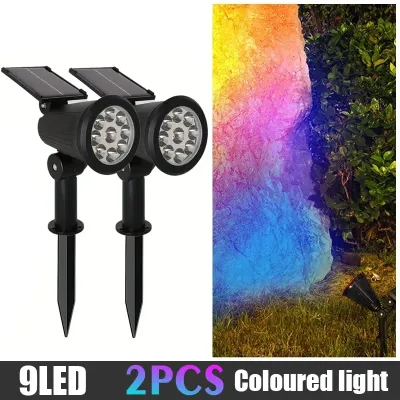
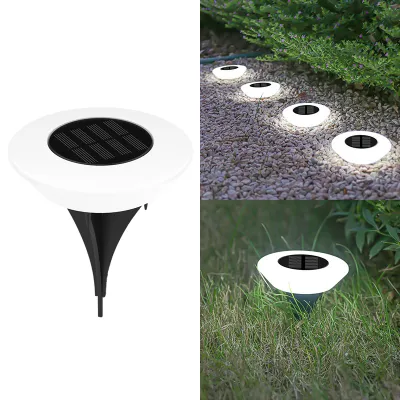
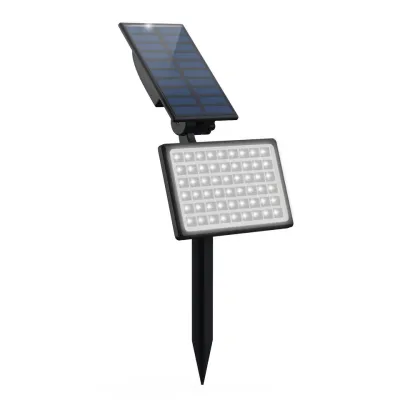
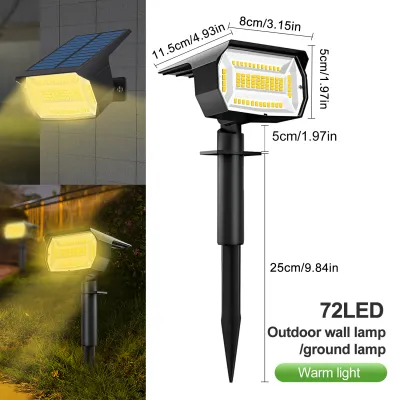
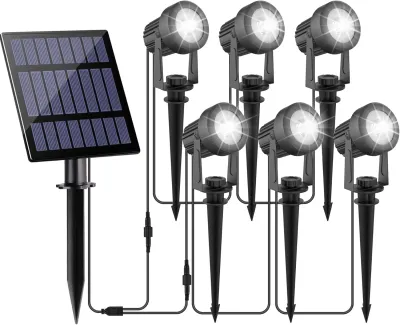
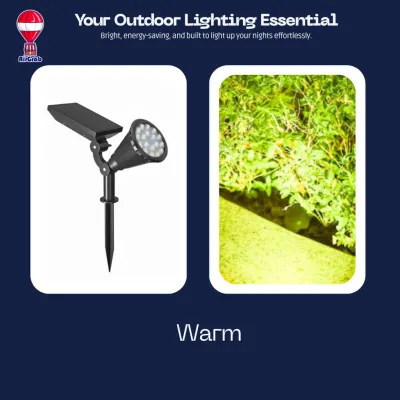
Prices are valid at publication and may change. Please refer to the product page for the latest price.
It is critical to look past generic marketing terms when purchasing your outdoor lighting. Labels like “waterproof,” “weatherproof,” or “rain-resistant” carry no standardized technical meaning and are often used loosely on online marketplaces. Before finalizing any purchase, always request and verify the manufacturer’s official specification sheet or product manual to confirm the exact IP rating and ensure the fixture has undergone standardized testing.
Decoding IP Ratings for Garden Spot Lights
Understanding the structure of an IP rating allows you to make an informed decision based on technical specifications rather than guesswork. The IP code consists of two digits, each representing a specific level of protection against environmental elements. The first digit, which ranges from zero to six, measures protection against solid foreign objects, including dust, soil, and insects. For garden spot lights, a first digit of 6 is highly recommended, indicating the fixture is completely dust-tight. This prevents fine soil particles and small insects from entering the housing and degrading the internal circuitry over time.

The second digit, ranging from zero to nine, indicates the level of liquid ingress protection. A rating of 5 signifies protection against water jets projected by a nozzle from any direction, while a 6 indicates protection against more powerful water jets. When the rating reaches 7, the fixture can withstand temporary immersion in water under defined conditions of pressure and time. An 8 indicates the equipment is suitable for continuous immersion in water, typically under conditions specified by the manufacturer.
However, a common misconception is that a higher second digit automatically guarantees a superior, more durable light fixture. While a high IP rating confirms excellent seal integrity, it does not account for other critical factors such as thermal management, UV resistance, or structural durability. A poorly ventilated IP67 light may trap heat generated by the LED driver, leading to premature component failure despite being perfectly sealed against water. Therefore, the IP rating must be evaluated alongside the overall build quality and thermal design of the fixture.
How Local Weather Affects Garden Lighting
The unique environmental conditions in Singapore demand more from outdoor lighting than simple water resistance. During the monsoon seasons, heavy downpours can dump large volumes of water in a short period, causing localized pooling in garden beds and lawns. If your spot lights are positioned in these low-lying areas, they will find themselves temporarily submerged. The physical force of falling rain and splashing mud can also wear down seals and joints over time, making robust mechanical construction as important as the seals themselves.
High relative humidity, which regularly hovers around 80% to 100% in Singapore, introduces another layer of complexity. When a garden spot light is turned on, the internal components heat up, causing the air inside the housing to expand. When the light is turned off, the fixture cools rapidly, especially during a cool rain shower. This rapid temperature fluctuation creates a vacuum effect, drawing warm, moist air through microscopic gaps in the seals. If the fixture lacks a high-quality breathing valve or membrane, this moisture condenses inside the lens, leading to fogging, reduced light output, and eventual electrical shorting.
Furthermore, intense tropical sunlight and high UV exposure can degrade plastic housings, rubber gaskets, and silicone seals within a few seasons. As these materials become brittle and crack under the sun, their ability to keep out water vanishes. To prevent this physical degradation, look for fixtures constructed from UV-stabilized materials, marine-grade stainless steel, or high-quality powder-coated aluminum. These materials maintain their structural integrity, ensuring that the waterproof seals remain compressed and functional for years.
Matching IP Ratings to Installation Locations
Selecting the right IP rating requires a careful assessment of where each LED garden spot light will be positioned. Ground-recessed uplights, which are flush with the soil or paving, face the harshest conditions. They are constantly exposed to soil moisture, fertilizers, surface runoff, and standing water during heavy downpours. For these installations, nothing less than an IP67 rating should be used, and the surrounding ground must have adequate gravel drainage to prevent prolonged water accumulation around the fixture body.
For spike-mounted spot lights placed in elevated flowerbeds or lawns, the risk of prolonged submersion is lower, but they remain highly exposed to direct rain, mud splashes, and automated irrigation systems. An IP65 or IP66 rating is generally ideal for these applications, providing robust protection against pressurized water from sprinkler nozzles and heavy rain. When positioning these lights, ensure they are angled in a way that prevents water from pooling on the lens surface, which can accelerate seal degradation.
Safety must always be the primary consideration when planning and installing outdoor garden lighting. Before undertaking any installation or maintenance, ensure the power supply is completely isolated at the main distribution board. For fixed outdoor wiring, especially systems operating at mains voltage, you must consult a licensed electrical worker or qualified electrician to ensure compliance with local electrical safety standards. Low-voltage systems are generally safer for DIY installations, but they still require properly sealed, outdoor-rated transformers and junction boxes with matching IP ratings to prevent ground faults. Always verify the voltage, base interface, wattage limits, dimensions, dimming methods, and electrical certifications of all components before installation. Decorative preferences, such as perceived color temperature and spatial lighting effects, should only be finalized after these core safety and compatibility criteria are met.
Maintaining Waterproof Integrity Over Time
Even the highest-quality IP-rated garden spot lights require regular maintenance to preserve their waterproof integrity in Singapore’s demanding climate. Conducting routine visual inspections at least twice a year is an effective way to spot potential issues before they cause complete fixture failure. Look closely for any signs of cracked glass or lenses, degraded or protruding rubber gaskets, and visible moisture or condensation inside the housing. If you notice internal fogging that does not clear up, it indicates a compromised seal that needs immediate attention.
Keeping the area around your garden lights clean is equally important for their longevity. Regularly clear away fallen leaves, soil buildup, mulch, and organic debris that can accumulate around the base of the fixtures. This debris traps moisture against the seals, prevents proper heat dissipation, and can create an acidic environment that accelerates the corrosion of metal housings and gaskets. Ensure that automated lawnmowers or garden tools do not strike and damage the physical structure of the lights.
Knowing when to transition from basic DIY maintenance to professional replacement is key to maintaining a safe outdoor electrical system. If you detect internal corrosion, persistent flickering, or a tripped circuit breaker associated with your garden lights, immediately isolate the power supply. Do not attempt to repair damaged internal wiring or severely degraded seals yourself. Instead, replace the compromised fixture entirely or consult a qualified professional to inspect the system, as water ingress in outdoor wiring poses a serious risk of electrical shock and fire.
Frequently Asked Questions (FAQ)
Can I use an IP44 rated light under a covered patio?
An IP44 rating indicates protection against solid objects larger than 1mm and splashing water from any direction. While this is suitable for semi-protected outdoor areas like fully covered patios or balconies that are shielded from the elements, it is not sufficient for areas exposed to direct weather. In Singapore, strong winds during monsoon seasons can blow rain sideways, easily reaching under covered patios and exposing the fixture to direct water streams. High ambient humidity can also penetrate IP44 seals over time, so it is safer to opt for IP65 fixtures even in semi-covered zones if they are close to the perimeter.
Does a higher IP rating guarantee the light won't corrode?
No, a high IP rating does not guarantee resistance to corrosion. The IP rating solely measures the physical integrity of the seals against the ingress of solid particles and water. It does not reflect how well the housing material resists chemical degradation, rust, or oxidation caused by constant exposure to moisture, fertilizer chemicals, and UV radiation. To prevent corrosion in Singapore’s humid environment, you must verify that the fixture is constructed from corrosion-resistant materials, such as marine-grade 316 stainless steel, copper, brass, or high-grade powder-coated aluminum, in addition to having an appropriate IP rating.
Community discussion
Share your experience or ask a question. Comments are reviewed before publication.