
When shopping for outdoor lighting to illuminate your garden paths, balcony railings, or patio fences, a solar led light clip offers an incredibly convenient, drill-free mounting solution. However, leaving these fixtures exposed to the elements means they must withstand everything from morning dew to torrential tropical downpours.
To ensure your lights survive outdoor exposure, you must look closely at their Ingress Protection (IP) rating. Generally, a solar LED clip light requires at least an IP44 rating for semi-sheltered areas like covered patios, whereas fully exposed positions demand a minimum of IP65 to handle heavy, wind-driven rain. Selecting the correct rating prevents premature electrical failure and ensures you do not overpay for unnecessary industrial-grade specifications.
Decoding the IP Rating: What the Numbers Actually Mean
The Ingress Protection (IP) standard is an international benchmark used to define how effectively an electrical enclosure seals against foreign bodies and moisture. For any outdoor lighting fixture, understanding this rating is crucial to matching the product to its intended environment. The rating is always written as “IP” followed by two digits, each representing a specific type of protection.
Products mentioned in this guide
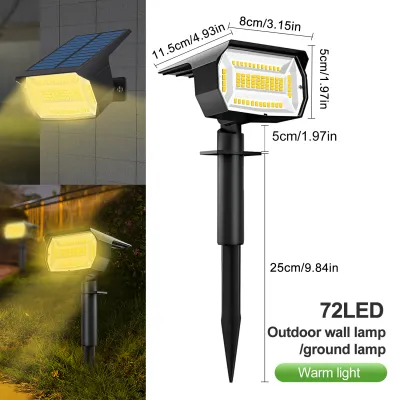
Prices are valid at publication and may change. Please refer to the product page for the latest price.
The first digit, ranging from 0 to 6, measures protection against solid objects and dust. While a high dust-tight rating (such as 5 or 6) prevents internal debris buildup that can dim the LEDs or clog the clip mechanism, it is generally a secondary concern for standard residential garden use. Most outdoor lights naturally carry a solid protection rating of 4, 5, or 6, which easily keeps out insects, leaves, and soil particles.
The second digit, ranging from 0 to 9, is the critical factor for outdoor survival as it measures liquid and water resistance. Because water is highly conductive, any moisture seeping past the outer casing can permanently short-circuit the internal solar controller. Common liquid resistance levels for decorative garden lights include:
- IPX4: Protection against splashing water from any direction, suitable for light rain.
- IPX5: Protection against low-pressure water jets, capable of resisting standard garden hose sprays.
- IPX6: Protection against powerful water jets, which prevents water ingress during intense storms.
- IPX7: Protection against temporary immersion in water up to one meter deep for 30 minutes.
Choosing the Right IP Rating for a Solar LED Light Clip Based on Placement
Not every corner of your outdoor space experiences the same level of weather exposure. Matching the IP rating of your solar led light clip to its specific location helps you balance long-term durability with your budget, as higher-rated fixtures often carry a premium price tag.

Under Eaves or Covered Patios (IP44 / IP54)
If you plan to attach clip lights to covered balcony railings, pergolas, or deep roof eaves, the fixtures will only face indirect moisture and occasional wind-blown splashes. For these semi-sheltered spots, an IP44 or IP54 rating is generally sufficient and highly cost-effective. These fixtures block splashing water but are not sealed tightly enough to withstand direct, prolonged downpours.
Fully Exposed Areas (IP65 / IP66)
For lights clipped to open garden fences, tree branches, or exposed walls, the fixture must endure direct, heavy rainfall and high humidity. In tropical climates like Singapore, where sudden, intense downpours are common, IP65 is the practical baseline for fully exposed outdoor fixtures. An IP65-rated light is engineered to handle low-pressure water jets from any angle, mimicking the force of wind-driven tropical rain. Upgrading to IP66 provides an extra layer of safety against high-pressure water jets, ensuring the internal electronics remain dry even during severe weather.
Ground Level or Flood-Prone Zones (IP67 / IP68)
If you position your clip lights near low-lying garden beds, pond edges, or areas prone to temporary puddling, there is a risk the fixture could fall or become submerged. In these scenarios, an IP67 rating is necessary because it guarantees protection against temporary immersion. Standard solar clip lights rarely require an IP68 rating unless they are specifically designed for continuous underwater use, such as pool or pond lighting.
Critical Weatherproof Features Beyond the IP Rating
While the IP rating provides an excellent standard for the main light housing, it does not guarantee that every component of the solar led light clip system is built to last. To ensure comprehensive weatherproofing, you must verify several other physical and electrical characteristics before making a purchase.
First, examine the solar panel sealing. The solar panel is often integrated directly onto the top of the clip light or connected via a short cable. Ensure the edges of the solar panel are sealed with high-quality silicone or epoxy resin. A cracked panel seal or an exposed wire joint will allow moisture to seep directly into the photovoltaic cells, ruining the charging capability regardless of how waterproof the light housing itself is.
Second, check the battery compartment security. The rechargeable battery is highly vulnerable to moisture and heat. Look for compartments that feature thick rubber gaskets or O-rings and are secured with screws, rather than simple snap-fit plastic covers. Snap-fit covers can easily warp or degrade when exposed to intense UV rays and high outdoor temperatures, compromising the physical seal over time.
Third, evaluate the clip and housing materials. High humidity and intense sun exposure can rapidly degrade cheap materials. Opt for UV-resistant plastics like ABS or polycarbonate, or rust-proof metals such as stainless steel or powder-coated aluminum. These materials maintain their structural integrity, ensuring the spring-loaded clip mechanism does not snap and the housing does not crack under the sun.
Finally, verify the technical specifications and safety standards. Check the voltage, battery capacity, wattage limits, and dimming methods provided by the manufacturer. Ensuring the fixture carries recognized electrical safety certifications is essential for peace of mind, as a generic category name alone does not guarantee compatibility, safety, or true weather resistance. Keep in mind that decorative style, perceived color temperature (such as warm yellow versus cool white), and spatial lighting effects are conditional preferences. They enhance the visual appeal of your garden or patio but do not impact the core waterproof performance or physical durability of the fixture.
Maintenance Tips to Preserve Water Resistance
Even the highest-rated outdoor lights require occasional upkeep to maintain their protective seals and ensure optimal performance throughout their lifespan.
- Clean the Solar Panel Regularly: Wipe the solar panel surface once a month with a damp, soft microfiber cloth to remove dust, pollen, and bird droppings. Avoid using harsh chemical cleaners or abrasive pads, as these can scratch the protective coating or degrade the delicate silicone seals around the panel edges.
- Inspect Seals and Gaskets: Periodically inspect the rubber O-rings and gaskets around the battery door and light housing. If you notice cracking, drying, or flattening, apply a thin layer of silicone grease to restore elasticity, or replace the seals if they are severely damaged.
- Provide Secure Placement: Since these are clip-on fixtures, ensure they are securely clamped to stable structures. While solar clip lights operate on safe, low-voltage battery power and do not require complex fixed electrical wiring, a loose clip can cause the light to fall from a height or drop into wet soil, risking physical damage or water damage that voids the warranty. Always follow the manufacturer's installation instructions. If you are installing hybrid solar systems that connect to fixed mains wiring, or mounting heavy fixtures at a significant height, always isolate the power source, follow the manufacturer's installation instructions, and consult a qualified professional to manage safety risks.
- Store During Extreme Weather: If you anticipate prolonged periods of heavy monsoon rain or if you plan to leave your outdoor space unused for several months, consider bringing the lights indoors. Storing them in a dry, cool place protects the battery from deep discharge and preserves the elasticity of the rubber seals.
Frequently Asked Questions (FAQ)
Can I leave IP44 solar clip lights out during a heavy thunderstorm?
No, it is not recommended to leave IP44-rated lights fully exposed during a heavy, wind-driven tropical thunderstorm. While an IP44 rating protects against general splashing water, the intense pressure and high volume of water during a severe storm can easily force moisture through the seams of the housing. If a heavy storm is expected, temporarily bring your IP44 lights indoors or relocate them to a sheltered area to prevent water damage.
Does the IP rating of the light also apply to the USB charging port?
The manufacturer’s stated IP rating only applies when all protective covers, including those over auxiliary USB charging ports, are fully closed and intact. If your solar clip light features a backup USB port for manual charging, you must ensure the rubber sealing flap is tightly pressed into place. If this flap is torn, loose, or left open during outdoor use, water will enter the port directly, instantly bypassing the light’s overall water resistance and risking a short circuit.
Community discussion
Share your experience or ask a question. Comments are reviewed before publication.