
Choosing a solar light outdoor wall fixture in Singapore requires careful attention to its Ingress Protection (IP) rating. Because of the local tropical climate, characterized by sudden monsoon downpours and high relative humidity, selecting the wrong rating can lead to rapid electrical failure. For fully exposed outdoor walls, you need a minimum rating of IP65 to withstand heavy driving rain. For sheltered or semi-exposed areas like covered porches, an IP44 or IP54 rating is generally sufficient.
Understanding these ratings helps you avoid overpaying for unnecessary specifications while ensuring your lighting remains functional year-round. This guide breaks down how to match IP ratings to your home’s specific exposure levels, manage humidity risks, and maintain your fixtures over time.
Decoding IP Ratings: What the Numbers Actually Mean
The Ingress Protection (IP) rating is an international standard that defines how effectively an electrical enclosure seals against external elements. The code always consists of the letters “IP” followed by two digits. The first digit represents protection against solid particles like dust and insects on a scale of 0 to 6, while the second digit measures protection against liquids on a scale of 0 to 9.
Products mentioned in this guide
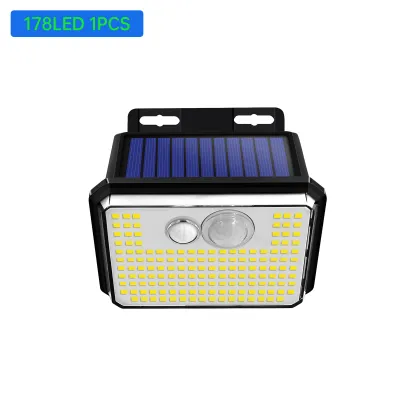
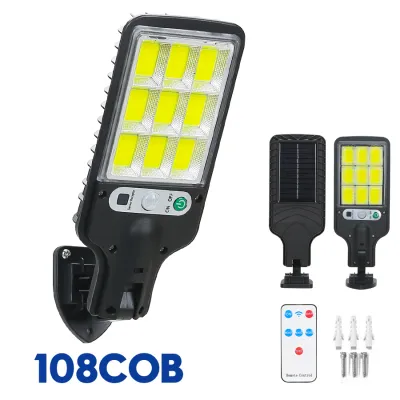
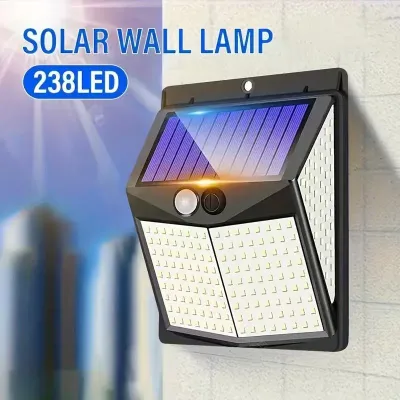
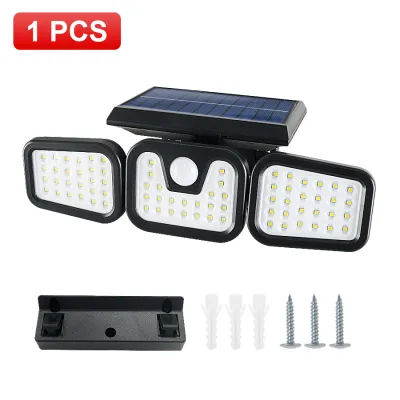
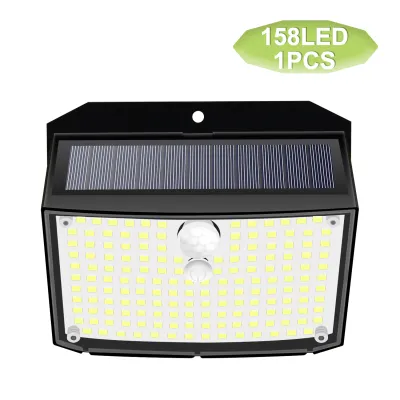
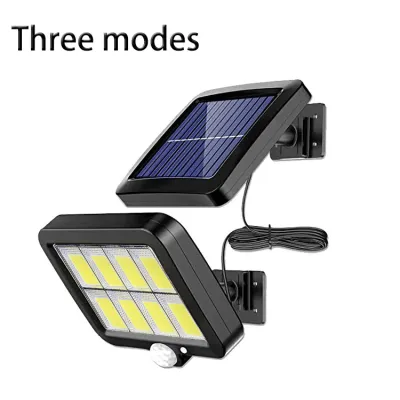
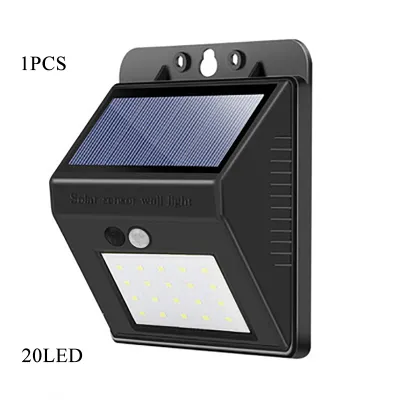
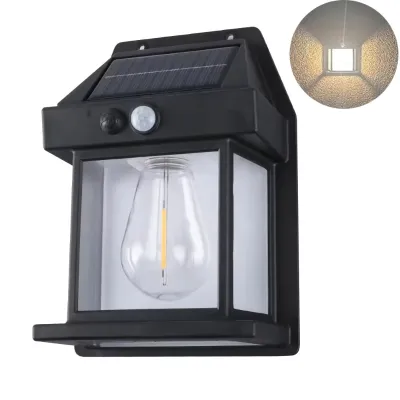
Prices are valid at publication and may change. Please refer to the product page for the latest price.
For a wall-mounted solar light, the liquid protection rating is the most critical factor. In urban Singapore, extreme dust protection (indicated by a first digit of 6) is a beneficial feature but less vital than robust water resistance. A rating of IP44, for example, indicates protection against solid objects larger than 1 millimeter and splashing water from any direction.
It is important to note that the IP rating applies specifically to the enclosed housing of the fixture. If your solar light features a separate, wire-connected solar panel or external battery pack, you must verify the sealing and IP ratings of both components individually. A well-protected light head is of little use if the remote solar panel’s housing permits water ingress.
Additionally, before purchasing any fixture, you should verify its electrical specifications. Check the solar panel’s wattage, the battery’s voltage and capacity, and the dimming methods supported. Ensuring these specifications match your installation environment and performance expectations will prevent premature system failures.
Matching IP Ratings to Your Solar Light Outdoor Wall Exposure Level
When planning your outdoor lighting layout, matching the IP rating to the exact level of weather exposure is the most practical way to balance cost and durability.

Fully Exposed Walls (IP65 or IP66)
For exterior walls, boundary fences, and garden pillars that have no overhead protection, a minimum rating of IP65 is highly recommended. An IP65 rating means the fixture is completely dust-tight and can withstand low-pressure water jets from any direction. This level of protection mimics the impact of driving tropical rain during Singapore’s intense monsoon seasons. Opting for IP66 provides even greater security, protecting against high-pressure water jets and heavy seas.
Sheltered or Semi-Exposed Walls (IP44 or IP54)
If you are installing fixtures under deep roof eaves, covered patios, balconies, or sheltered walkways, lower IP ratings are perfectly adequate. An IP44 or IP54 rating is highly cost-effective for these locations because the fixture only needs to withstand indirect, wind-blown droplets or light splashes. Using a highly rated IP65 light in a fully covered porch is often an unnecessary expense.
Why Submersion Ratings (IP67 or IP68) Are Unnecessary
Ratings such as IP67 or IP68 are designed for temporary or continuous submersion in water, making them ideal for pond lights or ground-recessed path lights. For wall-mounted fixtures, these ratings are excessive. Manufacturers must use heavy, bulky, and expensive sealing designs to achieve submersion ratings, which adds unnecessary weight and cost to a wall-mounted unit.
Verifying Manufacturer Testing Conditions
Always check the manufacturer’s specific testing conditions and certifications before buying. Some budget-friendly solar lights sold on online marketplaces may claim high IP ratings based on idealized, short-duration laboratory tests rather than sustained outdoor exposure. Look for reputable brands that provide clear documentation of their testing standards. High-quality outdoor solar lights in Singapore typically range from S$20 to over S$100, with premium models offering more robust, certified weatherproofing.
Beyond the IP Rating: Humidity and Condensation Risks
While an IP rating provides an excellent baseline for water resistance, it does not guarantee protection against all environmental factors in Singapore’s tropical climate.
One common issue is internal condensation. IP ratings are designed to test against liquid water ingress, not gaseous water vapor. Singapore’s high ambient humidity, which frequently exceeds 80 percent, can find its way inside the light housing during installation or battery replacement. When temperatures drop rapidly at night, this trapped moisture condenses on the inside of the lens, leading to foggy covers and corroded circuitry.
The joints and seals of integrated solar panels and battery compartments are also common failure points. Even if the main LED housing is rated IP65, water can slowly seep through the edges of the solar panel if the adhesive degrades. Over time, this moisture can migrate into the battery chamber, causing the rechargeable cells to rust or short-circuit.
Furthermore, the intense tropical sun accelerates the UV degradation of cheap rubber gaskets and silicone seals. Over months of exposure to direct sunlight, these seals can become brittle, crack, or shrink, completely compromising the fixture’s original IP rating. When reviewing product descriptions, look for fixtures that utilize UV-resistant materials or offer replaceable gaskets.
Installation and Care Tips to Preserve Weather Resistance
Proper installation and regular maintenance are essential to preserving your solar light’s weather resistance and extending its operational lifespan.
When mounting your fixture, ensure the wall surface is completely flat, clean, and dry. Uneven surfaces, such as rough textured plaster or brick joints, can prevent the light’s backing seal from sitting flush against the wall. This creates small channels where rainwater can pool and eventually force its way past the protective gaskets.
If your installation requires working at height, always prioritize safety by using stable, secure ladders or scaffolding, and follow standard work-at-height safety practices. For solar lights that feature auxiliary fixed wiring or hybrid mains connections, power-isolation at the main distribution board is mandatory before handling any electrical components. If you are unsure about handling fixed wiring, always hire a licensed electrical worker (LEW) in Singapore to complete the installation safely.
To maintain the integrity of the seals, establish a routine inspection and cleaning schedule:
- Annual Seal Inspections: Visually check all silicone seals and gaskets once a year for signs of cracking, shrinking, or brittleness.
- Gentle Cleaning: Wipe the solar panels and light housings with a soft, damp cloth to remove dust, bird droppings, and algae. Never use high-pressure washers or harsh chemical cleaners, as these can force water past IP65 seals and degrade protective UV coatings.
- Battery Compartment Checks: Inspect the battery compartment seal every time you replace the rechargeable batteries. Ensure the gasket groove is entirely free of dirt, sand, or debris before securing the cover.
- Style and Aesthetics: Remember that decorative styles and color temperatures (such as warm white versus cool white) are subjective design choices. Prioritize structural integrity and weatherproofing first, then select the aesthetic style that complements your home's architecture.
Frequently Asked Questions (FAQ)
Is IP44 safe for outdoor wall lights in Singapore?
Yes, but only under specific, sheltered conditions. An IP44 rating is safe if the fixture is installed in fully covered areas, such as deep porches, under wide eaves, or along sheltered walkways where direct, wind-blown rain cannot reach it. You should avoid installing IP44-rated lights on fully exposed exterior walls, as they cannot withstand the high-velocity water impact of heavy monsoon downpours.
Does a higher IP rating guarantee a longer lifespan?
No, a higher IP rating does not automatically guarantee a longer lifespan. While it protects the internal components from immediate water damage, the overall durability of a solar light also depends on battery quality, solar panel efficiency, and the UV resistance of the housing materials. A poorly constructed IP67 light with a cheap battery will likely fail much sooner than a well-built IP65 light made with high-quality, UV-resistant components.
Community discussion
Share your experience or ask a question. Comments are reviewed before publication.