
Selecting the right outdoor lighting involves understanding how well a fixture can withstand the elements. The Ingress Protection (IP) rating on a garden light tells you exactly how resistant the unit is to solid objects like dust and liquids like heavy tropical rain. In Singapore’s highly humid and monsoon-prone climate, choosing the correct IP rating is the single most important decision for ensuring your outdoor lights operate safely and last for years without short-circuiting.
Decoding the IP Rating System for Outdoor Lighting
The Ingress Protection (IP) rating system is an international standard classifying how effectively electrical enclosures seal out dust and moisture. Every rating consists of two numbers. The first digit, ranging from 0 to 6, indicates protection against solid objects like fingers, grit, and fine dust. The second digit, ranging from 0 to 8, measures protection against liquids, specifically water ingress.
For garden lights, the second digit is the critical metric for weather survival. Most reputable outdoor light fixtures naturally carry a high first digit of 5 or 6, meaning they are already designed to keep out dust and insects. Therefore, your primary purchasing decision should focus on the water resistance level.
Products mentioned in this guide
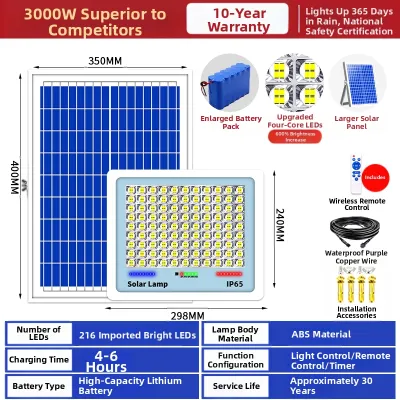
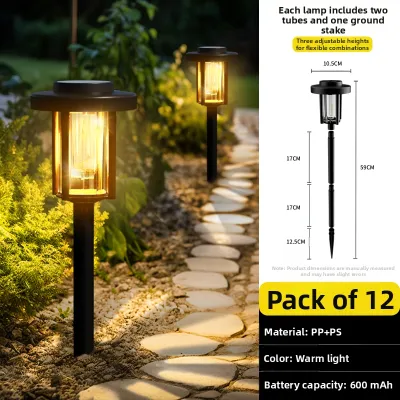
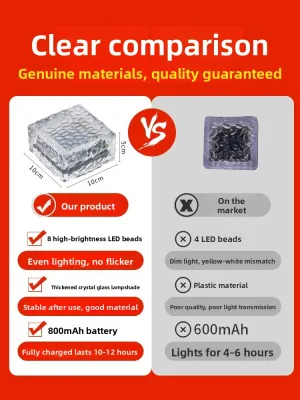
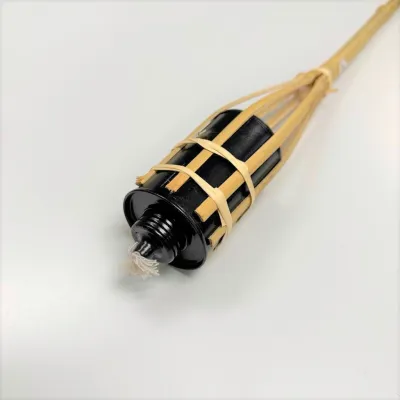
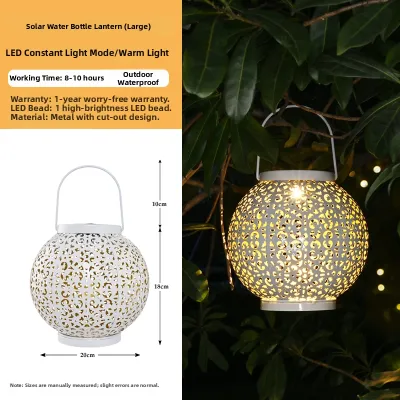
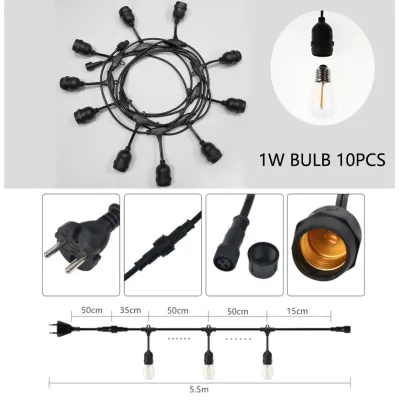
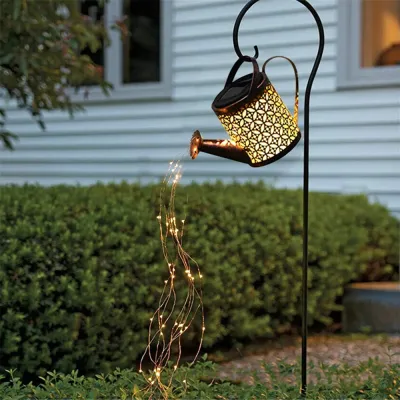
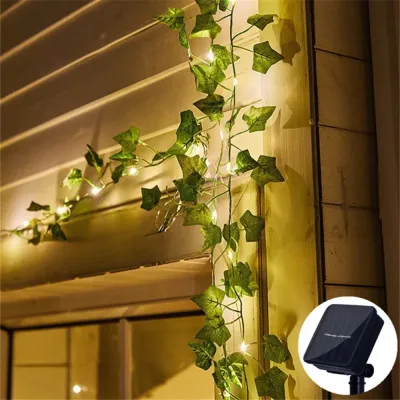
Prices are valid at publication and may change. Please refer to the product page for the latest price.
It is a common misconception that a higher IP rating is always the superior choice. Higher ratings often require complex double-gasketing, thicker protective housings, and specialized materials, which can increase the retail price. Furthermore, highly sealed enclosures can sometimes restrict heat dissipation from the internal LED driver, potentially shortening the lifespan of the components in hot climates. Matching the rating to the actual installation location is the most efficient and cost-effective approach.
IP44 vs. IP65 vs. IP67: Matching Ratings to Your Garden Spaces
Singapore’s tropical climate brings unique challenges, including sudden heavy downpours, high ambient humidity, and intense sunlight. To choose the right garden light, you must evaluate the specific microclimate of each outdoor zone.

IP44: Sheltered and Semi-Outdoor Areas
An IP44 rating signifies that the fixture is protected against solid objects larger than 1 millimeter and splashing water from any direction. It is not waterproof against direct, pressurized jets or immersion, but it handles light moisture and indirect exposure reliably.
This rating is ideal for partially covered spaces. Think of HDB or condominium balconies, deep covered patios, pergolas with solid roofs, or under wide roof eaves. In these spots, the fixture is shielded from direct, heavy vertical rain but might encounter light wind-blown mist or high humidity.
You should strictly avoid using IP44 lights in fully exposed lawns, open garden beds, or areas where wind-driven monsoon rain can pelt the fixture horizontally. If water is allowed to pool around the base of an IP44 light, the seals will eventually fail, leading to short circuits.
IP65: Fully Exposed and Rain-Prone Zones
An IP65 rating indicates that the light is completely dust-tight and protected against low-pressure water jets from any direction. This is the industry-standard baseline for fully exposed outdoor lighting.
This rating is the go-to choice for the majority of garden installations in landed properties or open communal areas. It is highly suitable for wall sconces mounted on exterior walls, pathway bollards, spike lights placed in open garden beds, and spotlights aimed at trees. These fixtures can easily withstand Singapore’s intense tropical thunderstorms and heavy driving rain.
While IP65 lights are highly weather-resistant, they are not designed to be submerged. Avoid installing them in low-lying turf areas where water tends to pool for hours after a heavy downpour, as prolonged standing water can eventually bypass the seals.
IP67: Water Features and Ground-Level Flood Zones
An IP67 rating provides complete protection against dust and allows the fixture to withstand temporary immersion in water up to 1 meter deep for up to 30 minutes. This rating is engineered for extreme moisture environments.
You will need IP67 lights for specialized garden zones. These include in-ground well lights set flush with lawns or pathways, fixtures installed near the edges of koi ponds or water features, and low-lying ground-level spots prone to flash puddling during severe storms.
It is crucial to distinguish between IP67 and IP68. While IP67 handles temporary submersion, IP68 is required for continuous underwater use, such as deep inside a swimming pool or permanently submerged in a pond. Always verify the manufacturer’s specified depth limits and installation guidelines if you plan to submerge any light permanently.
Beyond Waterproofing: Other Vital Specs for Tropical Gardens
While IP ratings protect against water ingress, other material and electrical specifications dictate how long a garden light will survive in a tropical environment.
- Material and Corrosion Resistance: Singapore's high humidity and coastal salt air (especially in areas like East Coast or Sentosa) can rapidly degrade cheap metals. Opt for high-quality housing materials such as marine-grade 316 stainless steel, powder-coated die-cast aluminum, or UV-stabilized polycarbonates that will not crack or discolor under intense sunlight.
- Voltage and Safety: Outdoor lighting generally falls into two categories: 230V mains voltage or 12V/24V low-voltage (Extra Low Voltage) systems. Low-voltage systems are highly recommended for garden beds and lawns. If a cable is accidentally severed by a garden spade, or if a pet chews on a wire, the low voltage poses no risk of severe electrical shock. Note that low-voltage systems require a step-down transformer, which must be housed in an appropriately rated weatherproof enclosure or kept indoors.
- Power Source: Solar lights offer easy DIY installation but rely entirely on direct sunlight. In dense, shaded tropical gardens or during prolonged overcast monsoon periods, solar panels may fail to charge fully. Hardwired or plug-in options remain the most reliable choice for consistent, bright year-round illumination.
- Aesthetic and Technical Verification: Before purchasing, always verify the product's voltage, base or interface type, maximum wattage limit, physical dimensions, and dimming compatibility. Remember that decorative style, perceived color temperature (such as warm white versus cool white), and spatial lighting effects are subjective preferences that should be balanced with these technical realities.
Installation Safety and Maintaining Waterproof Integrity
An IP rating is only valid if the fixture is installed correctly and its physical seals remain completely intact. A single pinched gasket or a loose cable entry point can instantly compromise a highly rated light.
For fixed wiring and 230V mains-voltage installations, safety is paramount. Always isolate the power supply at the main distribution board before handling any electrical components. Because working with high-voltage electricity in wet outdoor environments carries severe risks, you should hire a licensed electrical worker to perform the installation. They will ensure proper grounding, use correct outdoor-rated cables, and install secure weatherproof junction boxes and cable glands that comply with local electrical safety standards.
Ongoing maintenance is equally vital for preserving waterproof integrity. Never use high-pressure water washers directly on IP44 or IP65 garden lights, as the intense pressure can easily force water past the rubber seals. Instead, gently wipe the fixtures with a damp cloth. Perform periodic visual checks for cracked gaskets, degraded silicone seals, or condensation buildup inside the lens. If you notice internal condensation, the seal has failed; turn off the power immediately and consult the manufacturer’s instructions or a professional for repair options.
Frequently Asked Questions (FAQ)
Can I use IP44 lights outdoors if they are under a roof?
Yes, you can use IP44 lights under a roof, canopy, or deep balcony overhang, provided the structure completely shields the fixture from direct, wind-blown rain. Observe the area during a heavy monsoon storm. If the light remains dry and only encounters light humidity or airborne mist, an IP44 rating is perfectly adequate. If wind-driven rain reaches the fixture, upgrade to an IP65 rating.
Does a higher IP rating mean the light will last longer?
Not necessarily. A higher IP rating only measures resistance to dust and water ingress, not overall durability or lifespan. A light’s longevity is determined by its build quality, UV resistance, and thermal management. For example, an IP67 light with poor heat dissipation might fail prematurely because the tightly sealed enclosure traps heat, whereas a well-ventilated IP44 light used in a dry, sheltered spot may last much longer.
Community discussion
Share your experience or ask a question. Comments are reviewed before publication.