
When selecting an outdoor light, the two-digit Ingress Protection (IP) rating on the product listing is your most reliable guide to avoiding short circuits and premature fixture failure. To determine which rating you actually need, look first at where the fixture will be installed. For fully exposed garden paths, open driveways, and exterior walls subjected to heavy downpours, an IP65-rated fixture is the industry standard. For sheltered verandas, covered patios, or under deep eaves, an IP44 or IP54 rating provides sufficient protection against splashing water and ambient humidity. Choosing the wrong rating can lead to costly replacements or electrical hazards, while over-specifying can lead to unnecessary spending and poor thermal performance.
Decoding the IP Rating: Dust vs. Water Protection
The IP rating system is an international standard classifying the degree of protection provided against the intrusion of solid objects and liquids. The code consists of two digits following the “IP” prefix, with each digit representing an independent testing standard.
The first digit, ranging from 0 to 6, measures protection against solid particles such as dust, dirt, and accidental contact. For outdoor lighting, a high first digit ensures that insects, fine grit, and airborne debris cannot penetrate the housing and interfere with the electrical connections.
Products mentioned in this guide
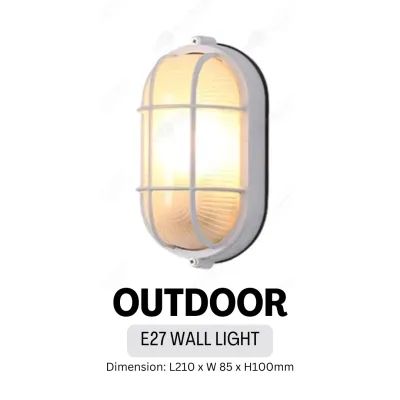
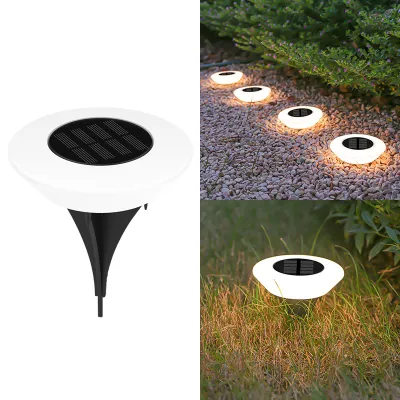
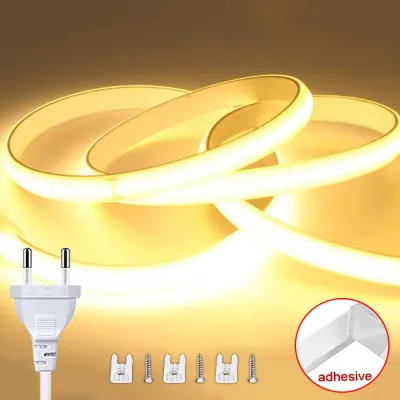
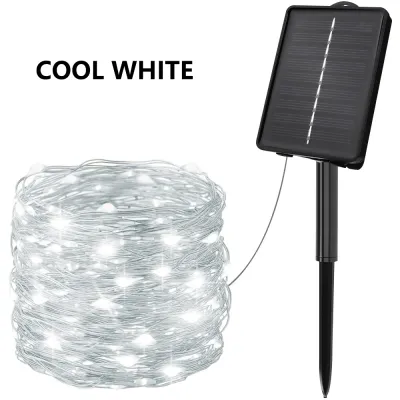
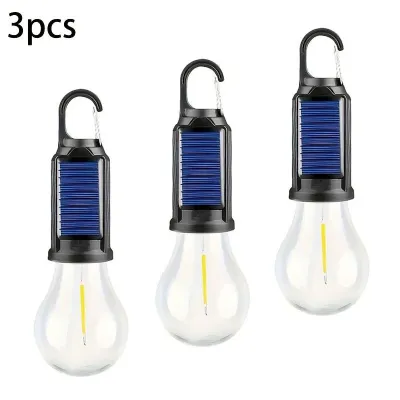
Prices are valid at publication and may change. Please refer to the product page for the latest price.
The second digit, ranging from 0 to 9, measures protection against liquids, specifically water ingress. This is the primary decision factor for outdoor illumination because water is highly conductive and poses the greatest risk of short-circuiting your home’s electrical system.
In practice, any fixture designed to keep out water (a high second digit) is inherently sealed tightly enough to block dust and insects (a high first digit), making the dust rating a secondary concern for standard garden applications. Furthermore, a higher first digit does not automatically guarantee a higher second digit. For example, an IP64-rated light is completely dust-tight but only protected against light splashes, making it less water-resistant than an IP55-rated light, which can withstand low-pressure water jets. These ratings indicate protection against highly specific types of water exposure rather than serving as a blanket waterproof guarantee.
Common Outdoor Light IP Ratings and What They Withstand
To make an informed purchase, you must translate the abstract IP numbers found on product listings into practical, real-world weather resistance.

- IP44: Fixtures with an IP44 rating are protected against solid objects larger than 1 millimetre and splashing water from any direction. This level of protection is suitable for sheltered outdoor zones where direct, heavy rainfall is physically blocked by an overhead structure.
- IP54: An IP54 rating indicates that the fixture is dust-protected and splash-proof. This serves as a reliable baseline for general covered outdoor use, such as under deep eaves or within semi-enclosed carports, where wind-driven mist might occasionally reach the unit.
- IP65: This rating signifies that the fixture is completely dust-tight and protected against low-pressure water jets from any direction. IP65 is the standard recommendation for fully exposed garden lights, exterior wall sconces, and pathway fixtures that must endure direct, heavy rainstorms without sheltering structures.
- IP67: An IP67-rated fixture is dust-tight and protected against temporary immersion in water, typically up to 1 metre of depth for a duration of 30 minutes. This rating is highly recommended for low-lying ground fixtures, deck lights, or pathway uplights that are prone to temporary puddling during intense downpours.
- IP68: This represents the highest level of water ingress protection, meaning the fixture is dust-tight and protected against continuous immersion in water under conditions specified by the manufacturer. This rating is strictly reserved for fully submerged applications, such as underwater pond lights, pool illumination, or active water features.
Remember that IP tests are conducted in controlled laboratory environments using clean, fresh water. These ratings do not guarantee resistance to high-pressure washing, saltwater corrosion, chemical cleaners, or extreme physical impacts.
Matching the IP Rating to Your Outdoor Installation Zone
Selecting the correct IP rating requires matching the fixture’s capabilities to the environmental realities of your specific installation zone.
For covered patios, verandas, and deep eaves, IP44 or IP54 fixtures are generally sufficient. Because these architectural structures block direct, vertical rainfall, the primary threats are ambient humidity and drifting mist, which these entry-level ratings can easily manage. Basic IP44 fixtures often start under S$30, making them a cost-effective choice for sheltered zones.
For open gardens, driveways, and exposed building facades, IP65 is the recommended minimum. In tropical climates like Singapore, where sudden, intense downpours and wind-driven moisture are common, fixtures must withstand significant water volume and velocity. An IP65 rating ensures the internal electronics remain dry even during severe monsoon storms. High-quality IP65 or IP67 architectural lights can range from S$80 to over S$200, representing a worthwhile investment in durability.
For water features, garden ponds, and pool edges, the physical placement of the light dictates the requirement. Low-lying borders and splash zones require IP67 to handle temporary pooling water, whereas any fixture installed below the water line must be rated IP68 to prevent slow, high-pressure seepage over time.
Note that bigger is not always better. Installing an IP68 underwater light on a standard exterior wall is an unnecessary expense and can lead to premature failure. Submersible lights are often designed to dissipate heat directly into the surrounding water; when operated in open air, they can overheat because standard air does not conduct heat away as efficiently as water.
While color temperature and decorative styling are subjective aesthetic preferences, physical IP ratings and electrical compatibility are non-negotiable safety specifications. Before purchasing, always verify the manufacturer’s specific installation guidelines, as some fixtures require specific mounting orientations to maintain their rated IP protection.
Beyond Water: Material and Installation Factors for Longevity
While a high IP rating proves a fixture can resist dust and water ingress, it does not guarantee overall longevity. Several external factors dictate how long your outdoor lighting will actually survive in the elements.
Material composition is critical for corrosion resistance, especially in humid or coastal environments. Look for housings made from marine-grade stainless steel (such as 316 grade), powder-coated aluminum, or UV-stabilized polycarbonate. Low-grade metals will quickly rust and degrade, compromising the physical structure of the light regardless of its IP rating.
UV degradation is another major threat to outdoor fixtures. While a plastic housing might initially remain waterproof and maintain its IP rating, prolonged exposure to harsh sunlight can cause untreated plastics to become brittle, yellow, and crack. Once the outer shell cracks, the water-resistant seal is permanently broken.
The integrity of the installation itself is just as important as the fixture’s factory rating. A high IP rating is instantly voided if cable glands, rubber gaskets, or mounting brackets are improperly sealed during installation. Silicone sealant, waterproof gel connectors, and drip loops should be used to prevent water from traveling along the cabling into the connection points.
Electrical safety is paramount when dealing with outdoor installations. Before undertaking any work, ensure you verify the voltage, base interface, wattage limits, dimensions, and dimming methods of your chosen fixtures to ensure compatibility. For fixed wiring, installations in damp areas, or work at height, always isolate the power supply at the main circuit breaker, follow the manufacturer’s instructions precisely, and consult a qualified professional electrician to ensure compliance with local electrical safety standards and building codes.
Frequently Asked Questions (FAQ)
Can I use an indoor light outside if it is under a covered roof?
No, you should not use an indoor-rated light outside, even if it is completely sheltered under a covered roof. Indoor fixtures lack the specialized rubber gaskets and corrosion-resistant materials needed to withstand ambient outdoor humidity, temperature fluctuations, and blowing mist. Over time, moisture will accumulate inside an indoor fixture, leading to rusted contacts, short circuits, and potential electrical hazards. It is highly recommended to use a fixture with at least an IP44 rating for any covered outdoor space to ensure safe, long-term operation.
Does an IP65 rating mean the light can survive a flood or severe storm?
An IP65 rating means the light can withstand heavy rain and low-pressure water jets, but it is not designed to survive a flood or prolonged submersion. If water rises and submerges an IP65 fixture, the pressure will eventually force water past the seals, destroying the internal electronics. For areas prone to flooding or standing water, IP67 or IP68 fixtures are required. Additionally, IP ratings do not measure resistance to physical impacts from flying storm debris; for impact resistance, you must check the fixture’s IK rating.
Community discussion
Share your experience or ask a question. Comments are reviewed before publication.