
Choosing the right solar garden light involves more than just selecting an attractive design or a specific light output. Because these fixtures remain outdoors day and night, their ability to withstand environmental moisture determines how long they will functionalise your outdoor spaces. The standard measure for this protection is the Ingress Protection (IP) rating, which indicates exactly how well a fixture resists dust and water. Understanding these ratings helps you avoid premature product failure and ensures your garden remains safely illuminated through every season.
Decoding the IP Rating System for Outdoor Lighting
The IP rating system is an international standard that classifies the degrees of protection provided against the intrusion of solid objects and liquids. Every rating consists of the letters “IP” followed by two digits, each representing a distinct level of resistance.
The first digit, ranging from 0 to 6, measures protection against solid particles such as dust, dirt, and accidental contact. For outdoor garden fixtures, a high solid protection rating prevents fine soil particles or insects from entering the housing and disrupting the internal circuitry.
Products mentioned in this guide
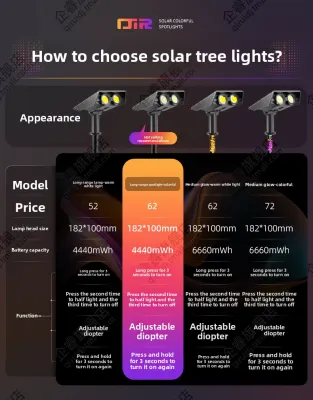
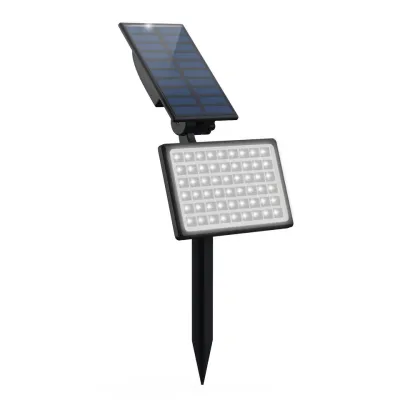
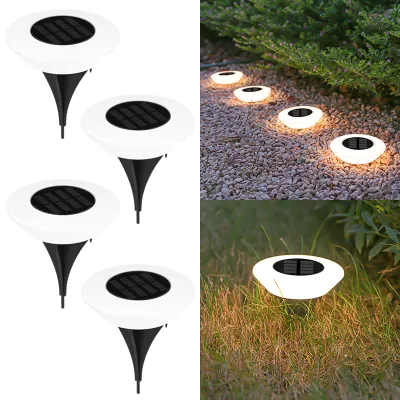
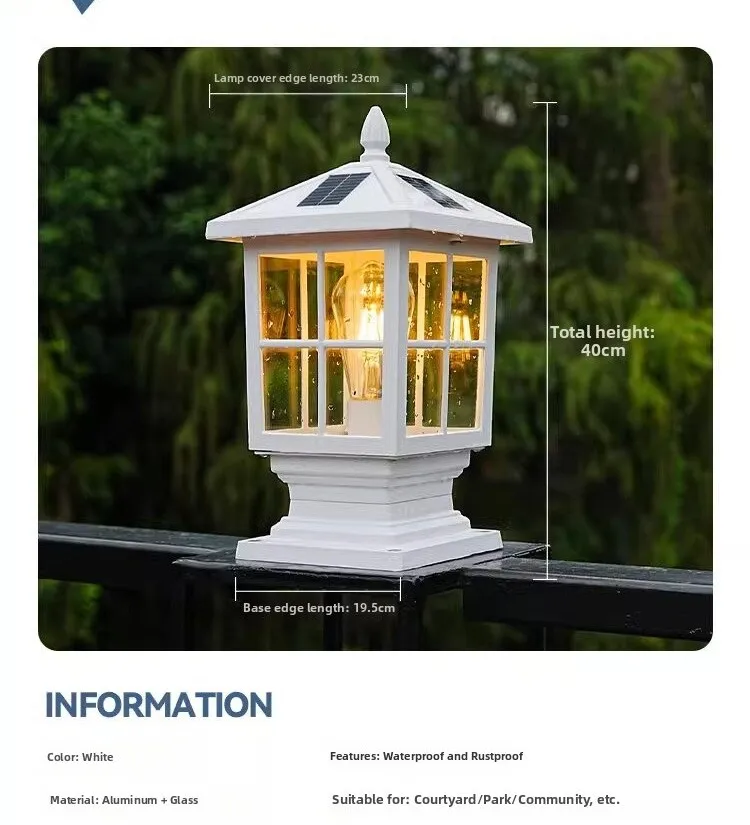
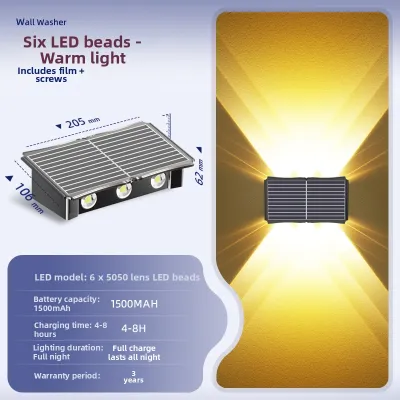
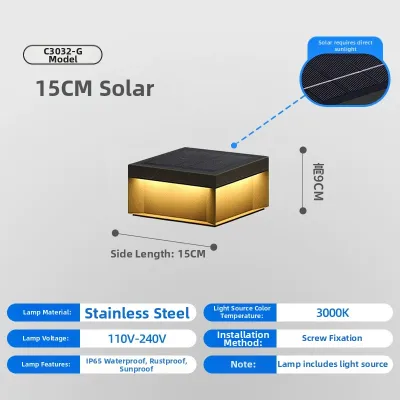
Prices are valid at publication and may change. Please refer to the product page for the latest price.
The second digit, ranging from 0 to 9, indicates the level of liquid protection, specifically against water ingress. This second number is the primary decision factor when selecting a solar garden light, as water is the most common cause of outdoor electrical failure.
It is important to note that these ratings are determined under controlled laboratory conditions with brand-new fixtures. They do not guarantee permanent, lifetime immunity to extreme weather, as natural wear, thermal expansion, and material degradation can reduce protection over time.
Comparing Common Waterproof Levels: IP44, IP65, and IP67
When browsing for outdoor fixtures, you will most frequently encounter three specific ratings: IP44, IP65, and IP67. Each level offers a different degree of protection tailored to specific environmental exposures.

An IP44 rating signifies that the fixture is protected against solid objects larger than 1 millimetre and splash-proof against water spraying from any direction. These lights are best suited for sheltered outdoor areas, such as covered porches, under eaves, or semi-enclosed balconies where direct, heavy downpours are blocked.
An IP65 rating indicates that the light is completely dust-tight and protected against low-pressure water jets from any angle. This is the standard benchmark for fully exposed outdoor lighting, making these fixtures ideal for open lawns, flower beds, and pathways that experience regular rainfall and garden hose spraying.
An IP67 rating provides complete dust protection and allows the fixture to withstand temporary immersion in water up to 1 metre deep for a limited duration. This high level of protection is necessary for low-lying garden zones, areas near water features, or pathways prone to heavy pooling during intense storms.
While a higher rating offers superior protection, it is not always mandatory for every corner of your yard. Balancing your actual installation environment with the rating ensures you do not overpay for unnecessary specifications where a lower, more affordable rating would perform perfectly.
Matching IP Ratings to Your Garden's Microclimates
Every garden features distinct microclimates, meaning different zones experience varying levels of moisture, wind, and sun exposure. Assessing these specific placement zones before purchasing your solar garden light prevents premature water damage.
Begin by evaluating the physical exposure of your planned installation spots. A light placed under a dense tree canopy or a pergola receives partial sheltering, whereas a fixture positioned along an open driveway or a central lawn has zero protection from the elements.
Next, observe the ground conditions and drainage patterns of your landscape. Well-drained raised garden beds or paved pathways dry quickly, while low-lying grass areas, depressions in the lawn, or zones adjacent to garden ponds are highly susceptible to standing water.
In Singapore’s tropical climate, characterized by frequent heavy showers, sudden downpours, and consistently high humidity, environmental demands are particularly high. For fully exposed zones in this climate, selecting fixtures rated at least IP65 is highly recommended to prevent moisture from penetrating the seals during intense tropical storms.
Installation and Maintenance Checks for Weatherproofing
Ensuring your solar garden lights remain waterproof over their lifespan requires careful pre-installation checks and routine maintenance. Taking these steps preserves the integrity of the protective seals.
Before installing any new fixture, verify the product label to confirm its IP rating, operating voltage, and relevant electrical safety certifications. This step ensures the light is physically rated for the specific moisture levels of its intended location.
While solar garden lights are typically low-voltage and do not require complex wiring, any installation involving fixed outdoor wiring, work at height, or connection to mains power should always be handled by a qualified professional with proper power-isolation steps.
Regularly inspect the rubber gaskets and seals located around the solar panel, battery compartment, and light lens. Over time, exposure to UV radiation and temperature fluctuations can cause rubber to dry, crack, or shift out of place, compromising the waterproof barrier.
When cleaning your fixtures, avoid using high-pressure washers on any lights rated below IP67, as the intense force can breach the protective seals. If you observe internal condensation or water pooling inside the lens, immediately stop using the light, switch it off if possible, and consult the manufacturer for guidance.
Frequently Asked Questions (FAQ)
Can I leave IP44 solar lights outside during heavy rain?
It is generally not advisable to leave IP44 solar lights fully exposed to heavy, driving rain. Because IP44 only certifies protection against light splashes, prolonged exposure to intense downpours can force water past the seals, leading to internal corrosion and electrical failure.
Does a higher IP rating mean the solar light will last longer?
A higher IP rating specifically indicates better resistance to water and dust entry, but it does not guarantee a longer overall product lifespan. Factors such as solar battery degradation, LED lumen decay, and housing material quality also play critical roles in how long the fixture remains functional.
What should I do if water gets inside my solar garden light?
If you notice water or heavy condensation inside the fixture, turn it off immediately to prevent short-circuiting. Open the battery compartment if the design allows, dry the interior gently with a soft cloth, and let it air dry completely before reassembling; if the water ingress persists, contact the manufacturer.
Community discussion
Share your experience or ask a question. Comments are reviewed before publication.