
Quick Answer: What IP Rating Do You Need?
To ensure your outdoor solar lights survive the elements, look for a minimum rating of IP65 for any fixture fully exposed to the weather. This level of protection ensures the internal electronics remain safe from heavy downpours and dust.
For sheltered areas like covered patios, balconies, or under deep eaves, an IP44 rating is generally sufficient to handle light splashes. If you plan to install fixtures in flood-prone garden beds or near water features where temporary submersion is possible, opt for IP67-rated lights to prevent water damage.
How to Read IP Codes on Outdoor Lighting
The Ingress Protection (IP) rating system is an international standard that classifies the degree of protection provided against mechanical wear, dust, accidental contact, and water. Understanding this two-digit code allows you to evaluate product specifications on packaging or online listings without relying on vague marketing terms.
Products mentioned in this guide
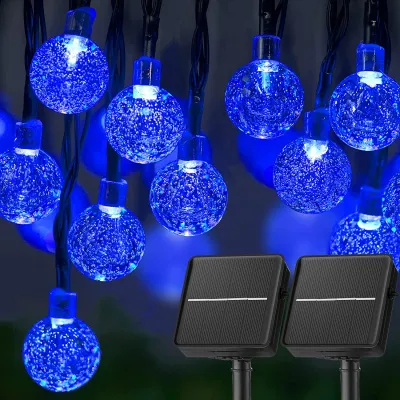
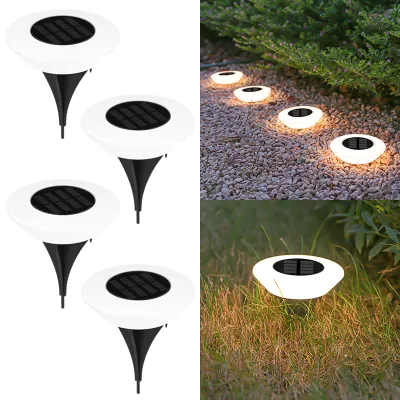
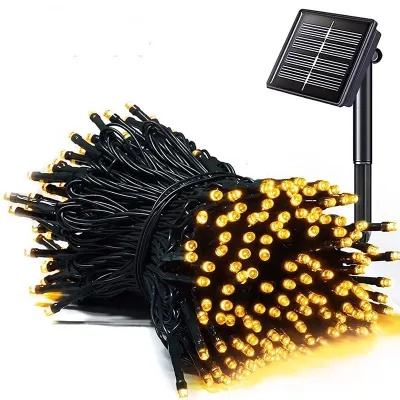
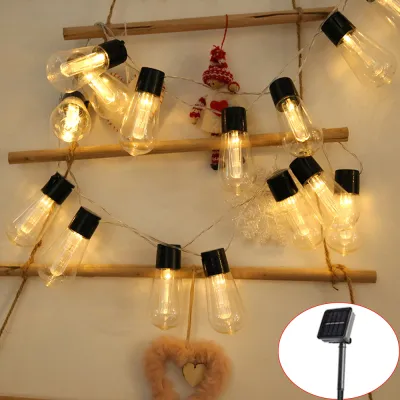
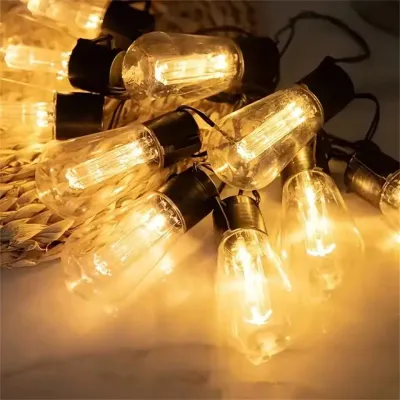
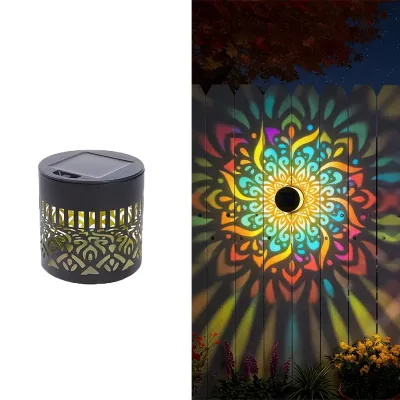
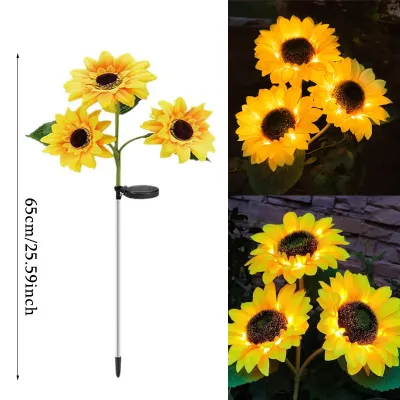
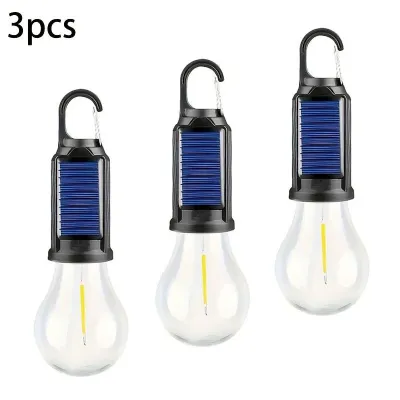
Prices are valid at publication and may change. Please refer to the product page for the latest price.

The first digit in the code ranges from 0 to 6 and measures protection against solid objects and dust. For outdoor garden fixtures, a high first digit is crucial because it indicates how well the housing prevents insects, fine dirt, and garden debris from entering the electrical housing and causing short circuits.
The second digit ranges from 0 to 9 and indicates the level of liquid ingress protection. This is the primary focus for weatherproofing, as it determines how well the light can withstand everything from light condensation to high-pressure water jets or complete submersion.
Occasionally, you may see an “X” in place of one of the digits, such as IPX4 or IP5X. This indicates that the product has not been officially tested or rated for that specific hazard, meaning you should exercise caution if placing it in an environment where that unrated exposure is a risk.
Common IP Ratings for Solar Garden Lights and Where to Use Them
Selecting the right solar lights involves matching the specific microclimate of your garden zones to the appropriate IP rating. Choosing the correct level of protection prevents premature product failure and ensures your outdoor spaces remain safely illuminated.
IP44: Sheltered and Semi-Outdoor Spaces
An IP44 rating indicates that the fixture is protected against solid objects larger than 1 millimeter and can withstand water splashing from any direction. However, this rating does not offer protection against pressurized water jets or prolonged exposure to heavy, driving rain.
To prevent water damage, install IP44 solar lights exclusively in sheltered or semi-outdoor zones. Ideal locations include covered patios, balconies, under dense tree canopies, or beneath deep roof eaves where direct rainfall is physically blocked.
IP65: Standard Garden and Pathway Lighting
An IP65 rating represents the standard benchmark for general outdoor landscaping and exposed fixtures. The “6” indicates complete protection against dust ingress, while the “5” confirms resistance to low-pressure water jets from any angle.
This level of protection makes IP65 solar lights highly suitable for fully exposed areas. You can confidently install these fixtures as pathway lights, lawn stakes, and wall-mounted garden lights that must endure direct rainfall, wind-blown dust, and regular outdoor exposure.
IP67: Submersible and High-Exposure Areas
An IP67 rating offers a high tier of waterproofing, indicating that the fixture is completely dust-tight and can withstand temporary immersion in water up to 1 meter deep for limited periods. This rating is essential for areas where water tends to pool during intense tropical downpours.
These fixtures are ideal for low-lying garden beds, pathway borders prone to temporary flooding, or positions close to garden ponds. However, keep in mind that an IP67 rating does not automatically qualify a light for continuous underwater use or high-pressure power washing; always verify the manufacturer’s specific depth and duration limits.
Beyond the IP Rating: Other Weatherproofing Factors to Check
While the IP rating provides a standardized measure of water resistance, long-term survival in humid, tropical climates requires checking several physical and material characteristics before installation. High humidity and intense sun exposure can degrade materials faster than water ingress alone.
Before installing your solar lights, physically inspect the integrity of the seals and gaskets. Check that the rubber or silicone gaskets around the battery compartment and the joints of the solar panel housing are seated flat and free of gaps, as even a minor manufacturing defect can bypass a high IP rating.
Evaluate the material composition of the fixture by checking the product labels. Avoid rust-prone untreated metals in favor of UV-stabilized plastics, marine-grade stainless steel, or powder-coated aluminum, which resist both corrosion and the intense sun exposure that makes plastics brittle.
If you are installing solar fixtures that feature hybrid fixed wiring or are mounted at height on walls or poles, always isolate the power source before handling. Refer to the manufacturer’s installation instructions, and consult a qualified professional for any complex electrical integrations.
When performing routine maintenance, always follow the manufacturer’s cleaning instructions to avoid degrading the factory seals. Avoid using harsh chemical solvents, abrasive scrubbing pads, or high-pressure garden hoses directly on the joints, as these can tear or dissolve the protective gaskets over time.
Frequently Asked Questions (FAQ)
Can I leave IP65 solar lights outside during heavy monsoon rain?
Yes, IP65 solar lights are designed to withstand heavy rain, as their rating certifies resistance to low-pressure water jets. However, you should regularly check your garden after severe storms to ensure the lights are not sitting in deep, pooling water, which requires an IP67 rating to prevent damage.
Does a higher IP rating mean the solar light will last longer overall?
Not necessarily, because IP ratings only measure protection against dust and water ingress. They do not account for other degradation factors such as UV exposure, battery capacity loss over time, or physical impact, so you should balance your IP needs with actual placement rather than over-specifying.
How do I clean outdoor solar lights without damaging the waterproof seals?
To clean your solar lights safely, gently wipe the solar panel and housing with a soft, damp microfiber cloth and mild, diluted dish soap. Avoid using high-pressure washers, stiff brushes, or harsh chemical solvents, as these can compromise the rubber gaskets and degrade the factory weatherproofing.
Community discussion
Share your experience or ask a question. Comments are reviewed before publication.