
When shopping for a solar outdoor garden light in Singapore, you will frequently encounter the term “IP rating” followed by two numbers, such as IP44 or IP65. This specification is the single most reliable indicator of how well a light fixture can withstand the outdoor elements. In a tropical climate characterized by intense afternoon downpours, high humidity, and sudden monsoon seasons, selecting the wrong protection level can lead to immediate electrical failure, corroded batteries, and wasted investment.
Understanding these ratings allows you to match your lighting choices with the specific microclimates of your outdoor spaces. Rather than relying on vague marketing claims like “weatherproof,” decoding the Ingress Protection (IP) system empowers you to make informed, cost-effective decisions. By choosing the correct rating for each zone—whether a sheltered balcony or an exposed lawn—you ensure your garden illumination remains safe, functional, and durable over the long term.
Decoding the IP Rating: What the Two Numbers Mean
The IP rating system is an international standard established to classify the degree of protection provided by electrical enclosures against solids and liquids. The code always begins with the letters “IP,” followed by two distinct digits. Each digit represents a specific type of protection, and reading them correctly prevents common buying mistakes.
Products mentioned in this guide
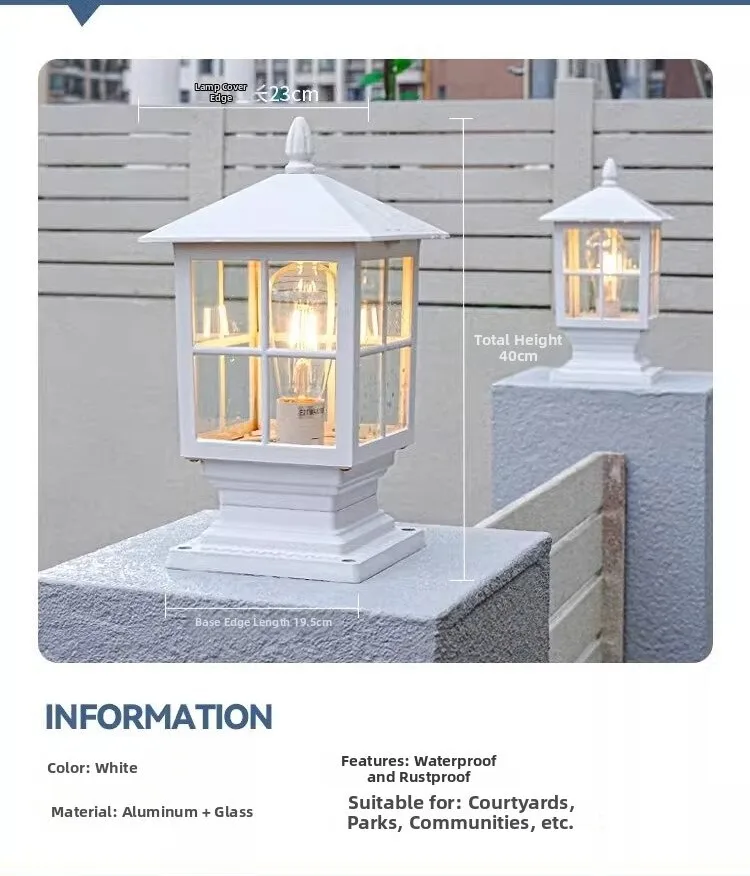
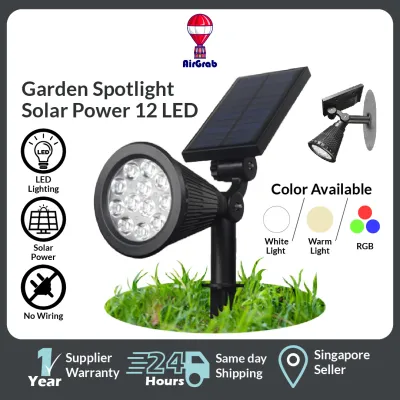
Prices are valid at publication and may change. Please refer to the product page for the latest price.
The first digit, ranging from 0 to 6, indicates protection against solid objects, including dust, dirt, and accidental contact. A rating of 4, for example, means the fixture prevents objects larger than 1 millimetre from entering, while a rating of 6 represents a completely dust-tight enclosure. This solid-state protection is vital for ground-level fixtures where soil, sand, and insects can easily migrate into the housing and disrupt sensitive circuitry.
The second digit, ranging from 0 to 8, measures protection against water ingress. This scale ranges from 0 (no protection) to 4 (protection against splashing water), 5 and 6 (protection against water jets of varying pressures), and 7 or 8 (protection against temporary or continuous immersion). It is a common misconception that a higher first digit automatically guarantees superior water resistance; the two tests are independent, and a light must be certified for both parameters.
Furthermore, “waterproof” is not an absolute term. A solar outdoor garden light is only waterproof under the specific laboratory conditions defined by its rating. A fixture rated to resist light splashing will quickly fail if subjected to high-pressure cleaning or standing water. Understanding these precise boundaries prevents premature product failure and helps you avoid overpaying for unnecessary, high-grade industrial seals where basic protection suffices.
Which IP Rating Do You Need for Your Garden Conditions?
Selecting the appropriate IP rating requires assessing where the solar outdoor garden light will be installed. Over-specifying your lights by purchasing maximum-grade industrial fixtures for sheltered areas leads to unnecessary costs, while under-specifying them for exposed zones guarantees frequent replacements.

Sheltered Patios and Covered Walkways
Semi-exposed areas, such as covered balconies, sheltered patios, and walkways beneath deep roof eaves, are protected from direct, vertical downpours. However, these zones are still highly vulnerable to ambient humidity, coastal mist, and wind-blown moisture. For these environments, a minimum rating of IP44 is generally sufficient.
An IP44 rating ensures that the light is protected against solid objects larger than 1 millimetre and splashing water from any direction. While these fixtures easily handle high humidity and occasional light drift, they are not designed to withstand direct exposure to heavy rainstorms or high-pressure garden hoses. When installing IP44 lights, ensure they are positioned away from roof runoff lines or areas where water might bounce off hard surfaces.
Open Lawns and Exposed Flowerbeds
For fixtures placed in open lawns, garden borders, and exposed flowerbeds, the environmental demands increase significantly. These areas face the full force of Singapore’s intense tropical rainstorms, high heat, and soil splashback. For these fully exposed ground-level installations, IP65 is the industry-recommended standard.
The first digit, “6,” ensures the light is entirely dust-tight, preventing fine soil particles and nesting insects from penetrating the casing. The second digit, “5,” certifies protection against low-pressure water jets from any angle. This means the fixture can easily withstand heavy, driving rain without water bypassing the internal gaskets. When purchasing lights for these zones, always verify the installation environment and ensure the ground has adequate drainage to prevent water from accumulating around the base of the stakes.
Water Features, Ponds, and Low-Lying Areas
High-risk zones include areas immediately adjacent to garden ponds, water fountains, or low-lying depressions in the landscape where water naturally pools during heavy monsoon storms. Standard stake lights with ratings of IP44 or IP65 are highly likely to fail if they become partially or fully submerged in standing water.
For these challenging locations, you must select fixtures rated at IP67 or IP68. An IP67 rating guarantees protection against temporary immersion in water up to 1 metre deep for 30 minutes, making it ideal for low spots prone to flash flooding. An IP68 rating indicates suitability for continuous submersion, which is required for lights installed inside ponds or active water features. Always check the manufacturer’s instructions to verify the exact depth limits and duration specifications for IP68 models, as these can vary.
Beyond the IP Rating: Other Weatherproofing Factors to Check
While an IP rating provides an objective measure of a fixture’s resistance to dust and water at the time of manufacture, it does not guarantee long-term durability against other environmental stressors. To ensure your solar outdoor garden light lasts for years, you must evaluate several secondary material properties.
Ultraviolet (UV) resistance is critical in tropical regions. The intense sun can rapidly degrade standard plastics, causing them to yellow, become brittle, and crack. Once the outer housing cracks, the factory-certified IP seal is permanently compromised, allowing moisture to reach the electronics. Look for fixtures constructed from UV-stabilized materials, such as high-grade polycarbonate, ABS, or powder-coated metals.
Corrosion resistance is equally vital, particularly in humid or coastal environments. Standard iron screws and cheap metal stakes will quickly rust when exposed to moisture and soil acids. This rust not only ruins the aesthetic appeal of your garden but can also expand and warp the housing, breaking the waterproof seals. Prioritise fixtures that utilise stainless steel, brass, or heavily anodised aluminum hardware.
Additionally, pay close attention to the battery compartment seal. Because solar lights rely on rechargeable batteries that eventually require replacement, the battery compartment is a common point of failure. A high-quality light will feature a robust silicone or rubber O-ring gasket around the battery door, secured by tight, recessed screws rather than simple plastic clips.
Keep in mind that decorative style, perceived color temperature (such as warm 2700K versus cool 5000K illumination), and spatial lighting effects are conditional design preferences rather than universal performance facts; they do not impact the physical durability or weatherproofing of the fixture.
How to Verify and Maintain Waterproof Integrity
To ensure you are getting the protection you pay for, always verify the IP rating on the product’s physical label, packaging, or official specification sheet. Avoid relying on generic marketing terms like “rainproof” or “outdoor approved,” which lack standardized testing protocols.
When selecting any solar outdoor garden light, do not rely solely on the product category name to assume safety or compatibility. Always verify technical specifications such as electrical certification, voltage compatibility (especially for hybrid solar-mains systems), base or interface types, wattage limits, physical dimensions, and dimming methods to ensure they match your installation environment.
When dealing with outdoor lighting, safety must remain a priority. If your solar setup includes hybrid systems connected to mains power, low-voltage transformers, or fixed outdoor wiring, always isolate the power supply before performing any installation or maintenance. For complex installations, suspended loads, work at height, or wet-area wiring, consult a qualified electrical professional to ensure compliance with local safety regulations.
Maintaining the waterproof integrity of your solar outdoor garden light requires simple, periodic care:
- Clean the solar panels: Gently wipe the photovoltaic panel with a soft, damp microfiber cloth to remove dust, bird droppings, and algae. Never use high-pressure washers, abrasive scrubbers, or harsh chemical cleaners, as these can scratch the protective surface and damage the surrounding seals.
- Inspect physical seals: Periodically check the housing for hairline cracks, loose screws, or degraded gaskets.
- Check the battery compartment: When replacing rechargeable batteries, ensure the compartment is dry and free of debris. Verify that the rubber O-ring is seated perfectly in its groove before tightening the screws. If the manufacturer's instructions specify a particular torque or alignment, follow those guidelines carefully to avoid warping the seal.
Frequently Asked Questions (FAQ)
Understanding the practical limits of your outdoor lighting helps prevent unexpected failures and extends the lifespan of your fixtures.
Can I leave IP65 solar lights outside during a heavy monsoon storm?
Yes, IP65 solar lights are engineered to withstand heavy, wind-driven rain and low-pressure water jets, making them safe for typical monsoon conditions. However, if the light is installed in a low-lying garden bed where water pools and submerges the base, an IP65 rating is insufficient. For areas prone to standing water, you must use IP67 or IP68 fixtures.
Does a higher IP rating mean the solar light will last longer?
A higher IP rating indicates superior protection against dust and water ingress, but it does not guarantee a longer overall lifespan. The longevity of a solar light also depends on battery quality, LED lifespan, UV stabilization of the housing, and regular maintenance. A high IP rating must be paired with premium materials to ensure long-term durability.
Community discussion
Share your experience or ask a question. Comments are reviewed before publication.