
Installing solar wall lights is an efficient way to illuminate your home’s exterior, pathways, and garden perimeters without running complex electrical wiring. However, because these fixtures live entirely outdoors, their longevity depends on their ability to withstand the elements. The quick answer to what IP rating you need comes down to mounting location: an IP65 rating is the practical minimum for sheltered or semi-exposed walls, while an IP66 rating is the ideal standard for fully exposed exterior walls that face direct, wind-driven rainfall.
Selecting the wrong waterproof level can lead to rapid fixture failure, characterized by foggy lenses, internal corrosion, or complete battery failure. In tropical environments like Singapore, where intense monsoon downpours and high relative humidity are constant factors, understanding these ratings is crucial. By matching the right Ingress Protection (IP) rating to your specific wall placement, you can avoid overpaying for unnecessary specifications while ensuring your outdoor lighting remains functional year-round.
Decoding the IP Code: What the Digits Mean for Your Light
The Ingress Protection (IP) rating system is an international standard defined by the International Electrotechnical Commission (IEC). It provides a reliable classification of how well an electrical enclosure seals against the entry of solid objects and liquids. Instead of relying on vague marketing terms like ‘waterproof’ or ‘weather-resistant,’ checking the two-digit IP code gives you a precise understanding of a fixture’s physical limits.
Products mentioned in this guide
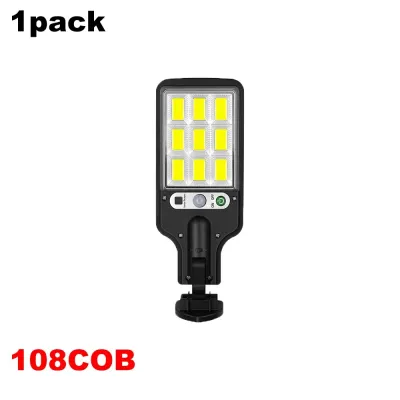
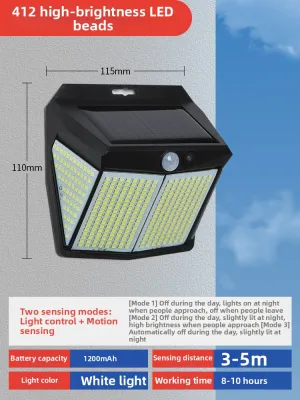
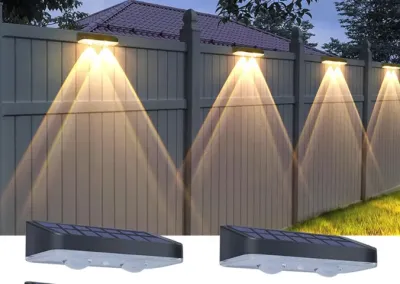
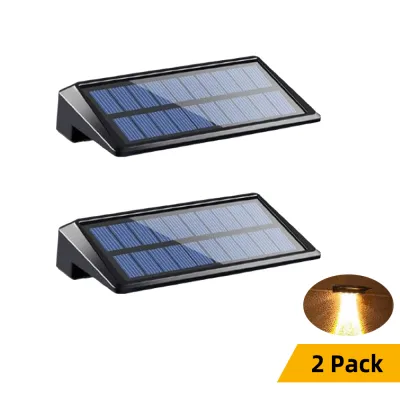
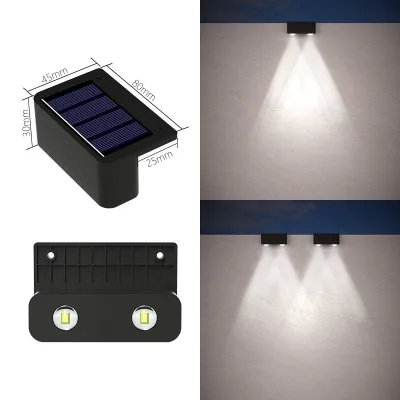
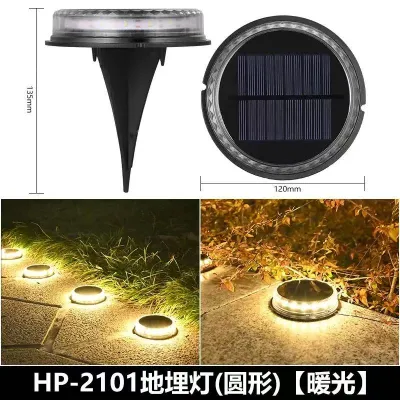
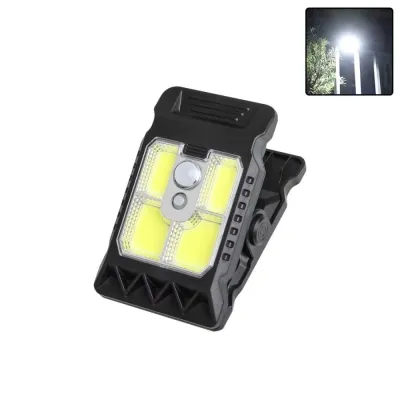
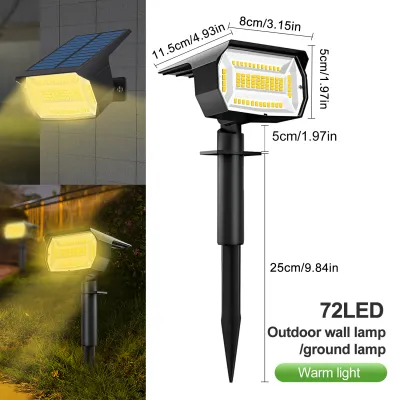
Prices are valid at publication and may change. Please refer to the product page for the latest price.
The first digit in the code represents protection against solid particles, ranging from large objects to fine dust, on a scale of 0 to 6. For outdoor solar wall lights, look for a first digit of 6. This rating means the fixture is completely dust-tight, preventing fine grit, airborne soil, and small insects from entering the housing and damaging the internal circuitry or blocking the solar charge controller.
The second digit represents protection against liquids, ranging from 0 to 9. For outdoor lighting, the most relevant liquid protection levels are 5, 6, and 7. These numbers indicate how well the light’s housing and rubber gaskets can resist water entry from light splashes, heavy rain, or temporary immersion.
A common misconception is that IP ratings are strictly linear, meaning a higher number is automatically superior. In reality, the tests for IP65, IP66, and IP67 measure different types of water exposure and pressure. For example, a light tested for temporary immersion (IP67) might not necessarily be certified to withstand the continuous, high-pressure directional spray of a water jet (IP66). Understanding these distinct testing methods allows you to choose the exact protection your wall location demands.
IP65 vs. IP66 vs. IP67: Matching the Rating to Your Wall Location
IP65: Sheltered and Semi-Exposed Walls
An IP65 rating indicates that the solar wall light is protected against dust ingress and can withstand low-pressure water jets projected from any direction. Specifically, the testing involves spraying the fixture with water from a 6.3mm nozzle at a rate of 12.5 liters per minute. This level of protection is highly effective at keeping out standard vertical rainfall and light splashes.

This rating is highly recommended for solar lights mounted on walls that benefit from some structural shelter. Ideal locations include areas under deep roof eaves, covered patios, recessed balconies, or walls partially shielded by dense tree canopies. In these semi-protected spots, the fixture is shielded from the full force of driving storms but still needs to handle high humidity and occasional wind-blown moisture.
However, IP65 fixtures are not designed to withstand severe, horizontal, wind-driven rain. If mounted on a completely open wall, a heavy storm can force water past the seals over time. For these vulnerable areas, upgrading to a higher rating is a safer choice.
IP66: Fully Exposed Exterior Walls
An IP66 rating represents a significant step up in liquid protection, certifying that the fixture can withstand powerful, high-pressure water jets from any direction. The testing for IP66 is rigorous, using a larger 12.5mm nozzle to project water at a high flow rate of 100 liters per minute under substantial pressure. This ensures the housing seals remain completely watertight even when subjected to intense force.
This rating serves as the optimal ‘sweet spot’ for standard outdoor solar wall lights mounted on fully exposed exterior walls. If your lights are destined for perimeter fences, unshaded garden pillars, or open exterior facades, IP66 provides the robust defense needed. It ensures the light will function reliably through heavy tropical downpours and severe wind-driven rain without any moisture ingress.
Investing in IP66 lights for exposed areas prevents the common issue of water pooling inside the lens. By keeping high-pressure rainwater out, these fixtures protect the sensitive rechargeable batteries and LED drivers, extending the overall lifespan of your outdoor lighting setup.
IP67: Low-Wall and Splash-Prone Zones
An IP67 rating indicates that the fixture is completely dust-tight and can withstand temporary immersion in water. Specifically, it is certified to remain watertight when submerged in water up to 1 meter deep for a duration of 30 minutes. This rating is designed for environments where water is expected to pool or completely cover the light for short periods.
You should select IP67 solar lights for low-wall installations, ground-level pathways, or areas close to the soil where heavy rain causes immediate splashing and pooling. They are also ideal for walls adjacent to active garden sprinkler systems, which can repeatedly drench the fixture at close range, or near swimming pool edges where splashing is a daily occurrence.
For standard eye-level or high-wall installations, however, choosing an IP67 rating is often an unnecessary premium. Unless your specific wall is prone to localized flooding, severe water pooling, or constant high-volume splashing, an IP66 rating offers more than enough protection. Directing your budget toward high-quality housing materials rather than excessive waterproofing ratings is often a more balanced approach.
Evaluating Your Mounting Environment and Weather Exposure
Before purchasing your solar wall lights, analyze the specific microclimate and layout of your property. Walk around your home and identify which walls are windward—facing the prevailing winds that carry driving rain—and which are leeward, remaining relatively dry during storms. In Singapore, the wind directions shift with the Northeast and Southwest monsoons, meaning different sides of your home will face intense horizontal rain at different times of the year.
The tropical climate also introduces high ambient humidity and intense heat, which can accelerate the degradation of rubber gaskets, silicone seals, and plastic housings. Over time, constant exposure to UV rays can make cheap plastics brittle, leading to hairline cracks that compromise the IP rating. When selecting fixtures, consider how much direct sunlight the mounting spot receives, as this affects both the solar charging rate and the material wear.
If you are installing a split-unit solar wall light, remember to evaluate the IP rating of the solar panel separately from the light fixture. The solar panel is typically mounted on a roof or high pole to maximize sun exposure, leaving it completely vulnerable to the harshest weather. Ensure the panel itself carries at least an IP65 or IP66 rating, as a failed panel will render the entire system useless, regardless of how waterproof the light fixture is.
Additionally, check for secondary environmental factors that could impact your lights. If your property is near the coast, salt spray can accelerate the corrosion of metal components, requiring you to verify both the IP rating and the corrosion resistance of the housing. Similarly, look out for nearby roof valleys or gutters that might overflow during torrential downpours, creating localized waterfalls that pour directly over your wall-mounted fixtures.
Installation Checks and Maintenance to Preserve Waterproofing
Achieving long-term waterproofing requires proper installation and regular maintenance. Before mounting any solar wall light, inspect the wall surface to ensure it is flat, clean, and stable. Uneven surfaces like rough brick or textured plaster can prevent the fixture’s backing plate or rubber gasket from sealing flush against the wall, allowing water to channel behind the light and find weak entry points.
During routine garden maintenance, avoid using high-pressure washers or high-velocity garden hoses directly on or near your solar wall lights. The pressure generated by these cleaning tools can easily exceed the tested limits of IP65 and IP66 seals, forcing water past the gaskets and ruining the internal electronics. Instead, wipe the fixtures down with a soft, damp cloth to remove dirt and grime.
Perform periodic visual inspections of your outdoor lights at least twice a year. Look closely for signs of seal degradation, such as cracking, hardening, or shrinking of rubber gaskets, and check the plastic lens for UV-induced yellowing or cloudiness. Additionally, keep the solar panel clear of dust, leaves, bird droppings, and algae growth, as a clean panel ensures optimal solar energy conversion and prevents battery strain.
While self-contained solar wall lights operate on low-voltage DC power and are entirely safe for DIY installation, some hybrid models offer the option of fixed electrical wiring for backup power. If you are installing a hybrid model that connects to your home’s mains power, you must isolate the power supply at the consumer unit before beginning. Always follow the manufacturer’s installation instructions, verify voltage compatibility, and ensure the work is carried out by a qualified licensed electrician to comply with local safety regulations.
Frequently Asked Questions (FAQ)
Can I use an IP44 solar light outside if it is under a deep porch?
While an IP44 rating provides protection against splashing water, it is generally intended for highly protected outdoor areas or indoor bathrooms. Using an IP44 light outdoors, even under a deep porch, carries significant risk in humid climates. High ambient humidity, wind-blown mist, and temperature-driven condensation can easily bypass lower-grade seals, leading to internal corrosion and premature battery failure over time. For reliable outdoor performance, stick to a minimum rating of IP65.
Does a higher IP rating guarantee the light won't corrode?
No, an IP rating strictly measures the enclosure’s ability to prevent dust and water ingress, not the material’s resistance to chemical corrosion, rust, or UV degradation. A light can have an IP67 rating but still rust quickly if its housing is made of low-grade metal. To ensure long-term durability in hot, humid, or coastal environments, verify the housing material—such as high-grade stainless steel, powder-coated aluminum, or UV-stabilized polycarbonate—alongside the IP rating.
Community discussion
Share your experience or ask a question. Comments are reviewed before publication.